
Many people become uncertain the moment they need to drill a hole for a #12 screw in metal because the margin for error feels small. They worry that choosing the wrong drill bit size will cause the screw to strip or the metal to crack which turns a simple task into a frustrating problem. The challenge grows when the metal surface is thick or hardened and the screw must fit tightly for structural strength.
The truth is that drilling the correct pilot hole makes the entire job easier because the screw seats properly without forcing. People are often surprised at how smoothly a #12 screw goes in when the pilot hole is exactly the right size and aligned straight. A properly drilled hole also prevents wobbling which protects both the tool and the metal.
Anyone who has worked with stainless steel panels, aluminum frames or sheet metal knows how unforgiving metal can be. Too small a hole and the screw burns out before it reaches depth. Too large a hole and the screw loses grip entirely. Both outcomes cause headaches and sometimes damage the project.
Understanding the correct drill bit size eliminates all these worries at once. Once someone learns the correct measurement they can repeat the process confidently for future projects without second guessing. This guide explains the ideal drill bit size for #12 screws in metal along with techniques for drilling clean holes, controlling heat and preventing mistakes. With a little care the process becomes simple predictable and professional.
Correct Drill Bit Size For #12 Metal Screws
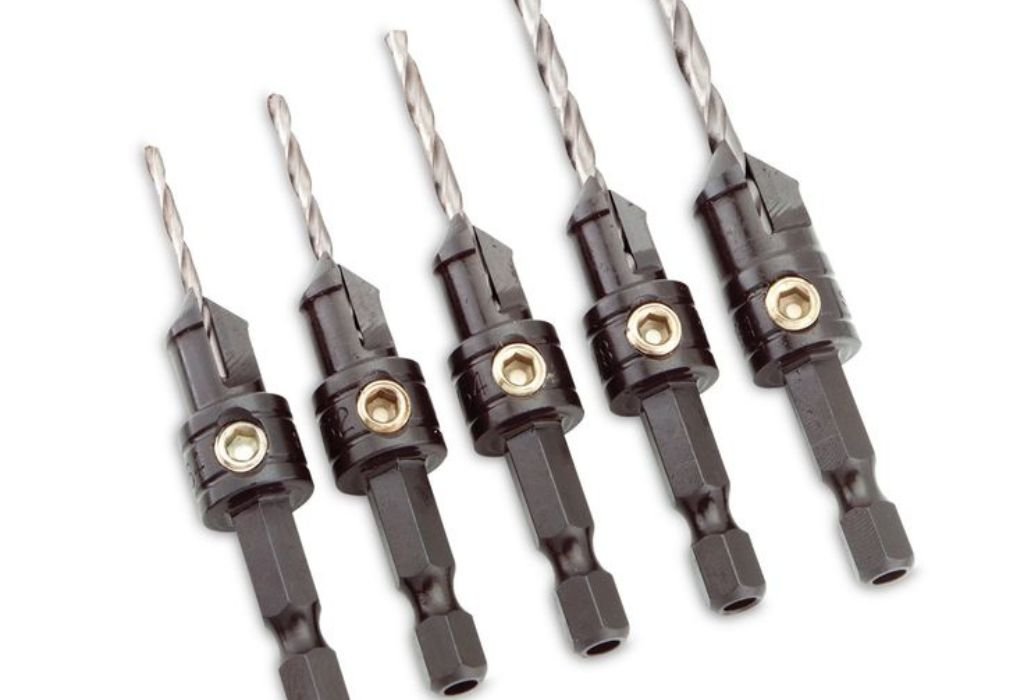
A #12 screw typically requires a 7/32 inch drill bit for pilot holes in metal. This size gives the screw enough clearance to bite while still creating a firm grip. A tight grip ensures long term strength.
If you are working with very hard metal you may need to slightly widen the hole. Hard steel increases friction during insertion. Widening helps prevent stripping.
Self tapping #12 screws often require a different pilot size. They usually use a 3/16 inch bit because the screw cuts its own threads. Thread cutting needs room for chips to escape.
The screw manufacturer’s chart is always the final reference. Charts show variations for sheet metal, structural steel and aluminum. Matching the chart to your project ensures precision.
Always test on scrap metal before drilling the final piece. This confirms grip tightness. Testing avoids wasted materials.
Why Pilot Hole Size Matters For #12 Screws In Metal
A proper pilot hole keeps the screw centered as it enters. Centering ensures the threads engage evenly. Even engagement reduces the chance of stripping.
A hole that is too small increases friction. Increased friction overheats the screw. Overheating weakens the metal around the threads.
Oversized holes create poor holding strength. Poor strength allows vibration to loosen screws. Vibration affects structural stability.
Pilot holes also reduce tool strain. Less strain protects your drill motor. Efficient drilling extends tool life.
Correct hole size improves finish quality. Clean edges look professional. Precision adds durability to the final structure.
How To Mark And Prepare Metal Before Drilling
Start by cleaning dirt or grease from the metal. Clean surfaces allow accurate marking. Dirt causes slipping.
Use a permanent marker to mark the drilling point. For smoother metal add a strip of masking tape. Tape increases friction during drilling.
A center punch helps keep the drill stable at the start. The punch creates a small dent. The dent prevents bit wandering.
Clamp the metal securely. Movement increases difficulty and risk. Secure support improves accuracy.
Double check your measurement before drilling. Metal is unforgiving once drilled. Correct placement ensures ideal results.
Best Drill Bits To Use For #12 Screw Holes In Metal
Cobalt drill bits are reliable for drilling steel. They maintain sharpness under heat. This makes them ideal for heavy duty metalwork.
Carbide drill bits are stronger and sharper. They cut hardened steel with ease. They resist deformation under pressure.
High speed steel bits work for thin sheet metal. They are more affordable. They are best for light duty work.
Choose split point bits for clean entry. Split points reduce walking. They improve drilling speed.
Using a sharp bit is essential. Dull bits cause heat and noise. Heat damages metal surfaces.
Step By Step Method To Drill Holes For #12 Screws In Metal
Start drilling at a slow speed. Slow speed provides control. Control improves accuracy.
Place the bit inside the punched dent. Keep your drill vertical. A vertical angle ensures straight holes.
Apply light pressure while drilling. Excess pressure dulls the bit. Light pressure creates smooth cutting.
Withdraw the bit occasionally to clear chips. Chips build friction. Friction reduces cutting quality.
Increase speed slightly once the bit bites. Smooth progress keeps the metal cool. Cool metal prevents warping.
How To Reduce Heat When Drilling Metal For #12 Screws
Heat builds quickly when drilling metal. Heat hardens steel further. Hardened steel increases difficulty.
Apply cutting oil to the drilling point. Oil reduces friction. Reduced friction improves bit life.
Drill using short bursts instead of continuous pressure. Short bursts let metal cool naturally. Natural cooling protects the bit.
Withdraw the bit regularly to release chips. Chips trap heat. Removing chips stops overheating.
If you smell burning stop immediately. Burning indicates excessive friction. Allow the bit to cool before continuing.
FAQ Block (Placed After Section 6)
What size bit should I use for #12 self tapping screws in metal?
Use a 3/16 inch bit because self tapping threads need extra space to cut.
Can I use a regular HSS bit for drilling metal?
Yes for thin metal but cobalt or carbide is better for thick or hardened metal.
Why does my bit skid on the metal surface?
The surface is too smooth. Use a center punch to create a starting dent.
Will a slightly larger bit weaken the screw grip?
Yes oversized holes reduce holding strength significantly.
Can I drill a #12 screw hole with a step bit?
Yes step bits work well for sheet metal if kept cool and lubricated.
Common Mistakes When Drilling Holes For #12 Screws
People often use too much speed. Speed increases heat. Heat damages bits.
Skipping lubrication is another mistake. Dry drilling increases friction. Friction dulls the bit quickly.
Using the wrong bit size causes problems. Oversized holes weaken grip. Undersized holes strip threads.
Not punching the surface leads to wandering. Wandering creates scratches. Scratches reduce appearance quality.
Applying excess pressure cracks thin sheet metal. Cracked metal cannot hold screws securely. Secure installation requires precision.
How To Check If Your Hole Is Correct For A #12 Screw
Insert the screw gently into the drilled hole. It should enter smoothly without excessive force. Smooth entry shows correct sizing.
If the screw spins without tightening the hole is too large. A large hole loses structural integrity. Structural loss affects safety.
If the screw stops too quickly the hole is too small. Forcing it causes damage. Damage reduces thread strength.
The screw should tighten firmly within a few turns. Firm tightening ensures long term reliability. Reliable installation prevents vibration problems.
Testing on scrap metal is wise. Scrap testing confirms correct measurements. This avoids costly mistakes on the main project.
FAQ Block (Placed After Section 9)
What is the closest metric bit to 7/32 inch?
The closest is 5.5 mm which works well for #12 screws.
Will drilling stainless steel require a different size?
No the size is the same but stainless needs sharp cobalt bits.
Should I cool the bit with water instead of oil?
Oil is better because it reduces friction instead of shocking the bit.
Do I need a pilot hole for sheet metal?
Yes even thin metal benefits from a pilot hole for better alignment.
Why does my screw strip when entering?
The pilot hole is too small or the metal is too hard without lubrication.
Finishing The Hole For Clean Screw Installation
Deburr the hole after drilling. Deburring removes sharp edges. Sharp edges damage screws.
Use a round file or deburring tool. A few strokes are enough. This improves fit.
Clean metal shavings carefully. Shavings scratch surfaces. They also pose safety risks.
Test the screw once the hole is smooth. Testing ensures accuracy. Accuracy ensures strength.
Apply anti rust oil if working on steel. Rust shortens metal life. Oil prevents corrosion.
FAQ Block (Placed After Section 10)
Do #12 screws require washers?
Washers help distribute pressure but are optional.
Can I use a power impact driver for insertion?
Yes but low torque is recommended to avoid stripping.
Is drilling faster with titanium bits?
Titanium coating helps but cobalt is stronger for hardened steel.
How deep should the pilot hole be?
Deep enough for full thread engagement for maximum grip.
Can I reuse the same pilot hole for larger screws?
No each screw size requires its own pilot dimension.
Conclusion
Choosing the correct drill bit size for a #12 screw in metal makes the entire installation process smoother, safer and more professional. A 7/32 inch bit delivers the ideal balance between clearance and grip which ensures that the screw fits tightly without causing stripping or deformation. This simple detail removes all uncertainty when working with sheet metal, structural steel or aluminum.
By using proper marking, center punching and slow controlled drilling you avoid common problems like skidding, overheating or oversized holes. Lubrication plays a major role in keeping temperatures low which protects both the bit and the metal during the process. Taking a moment to clear chips and maintain steady speed ensures a clean hole every time.
Finishing steps such as deburring cleaning and testing help create a long lasting and secure fit. Whether you are installing hardware, building frames or repairing equipment the correct pilot hole guarantees strength and stability. With the steps in this guide you can confidently drill the perfect hole for any #12 metal screw and complete your project with professional precision.

I’m John F. Nicholas, the founder, lead writer, and drill enthusiast behind 101drill.com. With years of hands-on experience in power tools and DIY projects, I created this platform to share practical knowledge, expert tips, and real-world insights to help others master the art of drilling.