
Anyone who has drilled into metal for the first time knows how quickly heat builds up and how differently metal reacts compared to wood or plastic. Many people feel surprised when the drill bit begins to squeal or the surface starts smoking even after only a few seconds of drilling. These reactions often lead them to wonder whether oil is something they should use or whether it is optional.
This question normally comes up when someone experiences their drill bit dulling too fast or slipping across the metal surface. They assume more pressure or higher speed might solve the problem but harder pushing only makes the drill bit hotter. Heat is the number one reason bits fail early and why metal drilling feels difficult without lubrication.
People who switch to using cutting oil immediately notice the difference. The drill bit stays cooler cutting feels smoother and the hole looks cleaner with fewer burrs. They also discover they can drill with less pressure which makes the job safer and more controlled. For many beginners this simple change transforms a frustrating job into an easy one.
Metal behaves differently from soft materials because the friction between the bit and the metal surface increases rapidly. Oil acts as a barrier that reduces this friction so the drill bit can slice instead of grind. Understanding this concept makes drilling metal far more predictable. In this guide we break down why oil matters and how to use it to get clean strong and precise holes every time.
Why Metal Drilling Generates So Much Heat
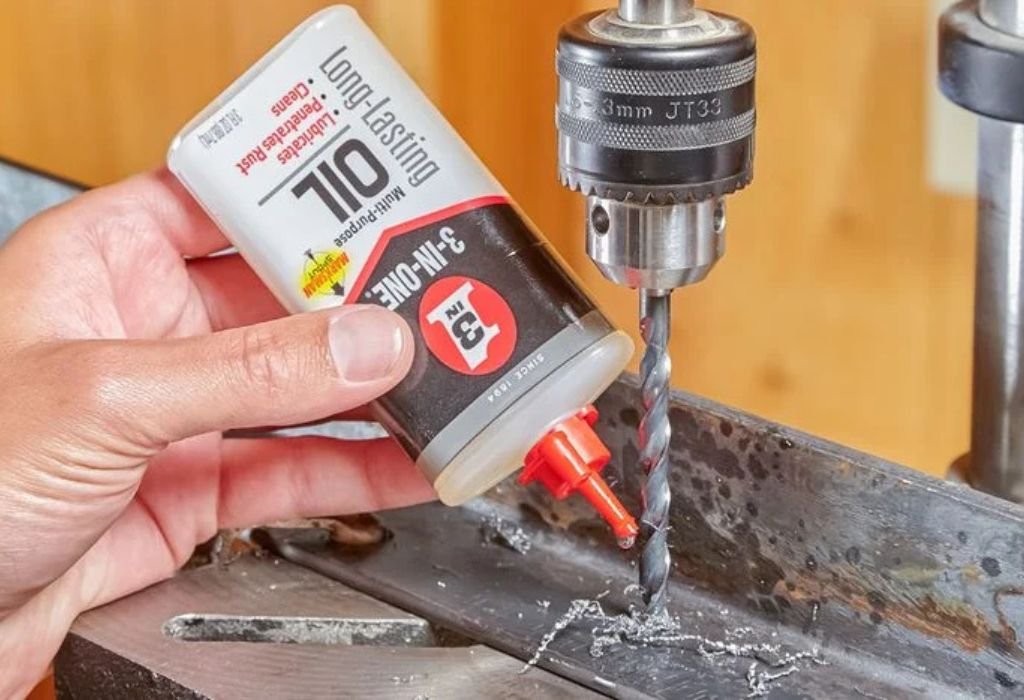
Metal resists cutting more than any other common material. As the drill bit rotates its edges rub against the surface and friction grows quickly. Friction produces heat that spreads through both the drill bit and the metal.
When the heat rises the cutting edges begin to soften. This softening reduces their ability to cut cleanly. As a result the bit begins to wear out.
The hotter the surface becomes the more the bit struggles. That struggle creates even more friction. It becomes a cycle that continues until the bit dulls completely.
Different metals produce different levels of friction. Hardened steel builds heat faster than aluminum. Stainless steel holds heat longer than mild steel.
Understanding heat buildup explains why lubrication is so important. Oil keeps the temperature under control. Cool drilling results in better performance.
How Oil Helps When Drilling Through Metal
Oil reduces the friction between the drill bit and the metal. Lower friction means the bit slices through instead of scraping. This produces cleaner shavings.
Oil also prevents the drill bit from overheating. A cooler bit maintains its sharp edge longer. Sharp edges create smoother holes.
When oil spreads across the drilling point it reduces vibration. Less vibration keeps the drill bit stable. Stability increases accuracy.
Oil also helps carry metal chips away from the drilling path. Clean chips improve cutting flow. They also prevent clogging inside the flutes.
Using oil improves both safety and tool longevity. A small amount goes a long way. Even beginners appreciate the difference right away.
Types Of Oil You Can Use For Drilling Metal
Cutting oil is the most effective option. It is designed specifically for metal cutting tasks. It cools and lubricates simultaneously.
Machine oil can also be used when cutting oil is not available. It provides decent lubrication. It works well on mild steel.
For lighter metals such as aluminum WD 40 works well. It prevents sticking and chip clogging. It is not ideal for harder metals.
For stainless steel and hardened steel use heavy cutting oils. They control heat more effectively. These metals require high lubrication.
Avoid using thick grease because it traps chips. Trapped chips increase resistance. Resistance creates unnecessary heat.
How To Apply Oil When Drilling Metal
Place a few drops of oil directly on the drilling spot before you begin. This helps the drill bit grip immediately. The lubrication makes the start smoother.
As the drill begins cutting pause occasionally. Add more oil whenever the area looks dry. Dry spots generate heat quickly.
Oil can also be applied directly to the drill bit. This keeps the cutting edges cool. Cool edges maintain sharpness.
If drilling deeper holes reapply oil during chip clearing breaks. Deep drilling generates more friction. Consistent lubrication helps maintain control.
Apply oil slowly so it does not splash. A controlled application helps it stay exactly where needed. This improves efficiency.
What Happens If You Drill Metal Without Oil
Drilling without oil causes the drill bit to heat up rapidly. Heat softens the cutting surface. A soft cutting surface loses effectiveness.
Without lubrication the bit may begin squealing. Squealing is a warning sign of excess friction. This means cutting has stopped.
Dry drilling often damages the bit permanently. The cutting edges wear down. The metal workpiece may also discolor.
People sometimes push harder when drilling without oil. Extra pressure increases heat even more. This can snap smaller drill bits.
The final hole may contain burrs and rough edges. These imperfections require extra finishing work. Oil prevents all these problems.
When You Should Definitely Use Oil For Metal Drilling
Use oil whenever drilling hardened steel. Hardened metal generates extreme heat. Oil reduces the risk of bit failure.
Oil is also essential for stainless steel. Stainless steel holds heat longer. Proper lubrication keeps drilling manageable.
If you are drilling large holes oil becomes mandatory. Larger holes take longer and create more heat. Lubrication improves cutting efficiency.
Use oil when drilling with cobalt or carbide bits. These bits last longer with lubrication. They still need temperature control.
Any time you hear squealing or feel resistance stop and apply more oil. These signs indicate overheating. Oil solves the issue immediately.
When You Can Drill Metal Without Oil
Some very soft metals do not require oil. Aluminum is one example. It cuts easily with minimal friction.
However a small amount of oil still improves chip flow. It prevents clogging in the flutes. Clogs can slow down drilling.
Thin sheet metal can sometimes be drilled dry. It does not generate much heat. Short drilling time reduces risk.
Even if oil is not necessary it still helps produce cleaner holes. Cleaner holes require less finishing. Fewer burrs means less filing.
Avoid assuming that dry drilling is easier. Lubrication always increases control. Oil is still recommended whenever possible.
Safety Tips When Using Oil For Metal Drilling
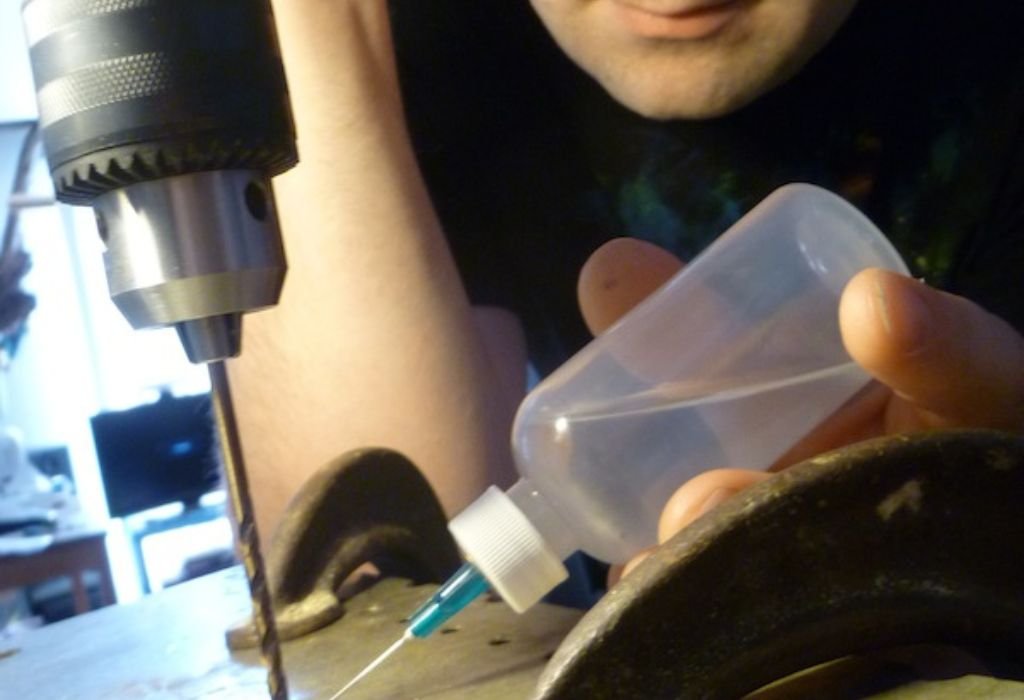
Oil increases performance but proper handling is important. Keep the oil bottle stable and remove spills immediately. Spills create slippery surfaces.
Wear gloves if the oil is heavy duty. Lubricants can irritate skin in some cases. Proper protection helps you work comfortably.
Avoid getting oil on the drill trigger or grip. A slippery drill reduces control. Reduced control increases the risk of accidents.
Clean the metal surface after drilling. Oil mixed with chips can leave residue. Cleaning prevents rust and contamination.
Store oil safely away from heat sources. Most oils are flammable. Safe storage protects your workspace.
Random FAQ Block (Placed After Section 6)
Do I always need oil when drilling metal?
Oil is highly recommended for most metals. It keeps the drill bit cool and prevents damage.
Can I use vegetable oil as a lubricant?
It can work in an emergency but it is not ideal. It thickens fast and may smoke.
Why does oil make drilling easier?
Oil reduces friction and heat. This helps the bit cut rather than scrape.
What happens if my drill bit becomes blue?
Blue coloring means overheating. The bit has likely lost hardness.
Is WD 40 good for drilling steel?
It works for light metals and aluminum. For harder steel cutting oil is better.
Conclusion
Using oil when drilling metal is one of the simplest ways to improve cutting performance and extend drill bit life. Lubrication reduces friction lowers temperature and helps the bit cut cleanly into the surface without squealing or slipping. This makes the process smoother for both beginners and professionals.
Whether you are drilling hardened steel stainless steel mild steel or aluminum oil helps maintain stability and accuracy. The metal stays cooler the bit stays sharper and the final hole looks cleaner with fewer burrs. Small steps such as applying oil before starting and reapplying during pauses make a significant difference.
Skipping lubrication often leads to overheating broken bits surface damage and unnecessary frustration. With the right oil and a steady drilling approach you can complete metal drilling tasks safely and efficiently. Once you understand how much control lubrication provides it becomes an essential part of every metal drilling project.

I’m John F. Nicholas, the founder, lead writer, and drill enthusiast behind 101drill.com. With years of hands-on experience in power tools and DIY projects, I created this platform to share practical knowledge, expert tips, and real-world insights to help others master the art of drilling.