
Anyone who works with tools has faced the moment of confusion when opening a drill bit box and trying to figure out which ones are meant for wood and which ones are meant for metal. The bits often look similar especially to beginners and choosing the wrong one leads to frustrating results. A wood bit used on metal creates smoke while a metal bit used on wood may leave rough splintered holes. These mistakes waste time and can even damage the material or the bit itself.
This confusion happens because drill bits come in many styles and shapes and each is designed for a specific material. Wood bits have features that help them cut quickly while metal bits are built to resist heat and pressure. Once you understand these visual and functional differences the identification becomes simple. Most people are surprised by how easy it becomes to recognize each type after learning a few clear signs.
The shape of the tip the angle of the cutting edges and the color of the bit reveal a lot about its purpose. Many professionals identify bits instantly by these details and they never drill blindly. Choosing the correct bit not only improves accuracy but also protects your tools from unnecessary wear.
Whether you are building furniture drilling through steel brackets or working on home repairs knowing the difference saves frustration. This guide explains everything clearly so you can choose the correct bit every time with complete confidence. By the end you will be able to identify wood bits and metal bits simply by looking at the tip shape length and coating.
Understanding The Purpose Of Wood And Metal Drill Bits
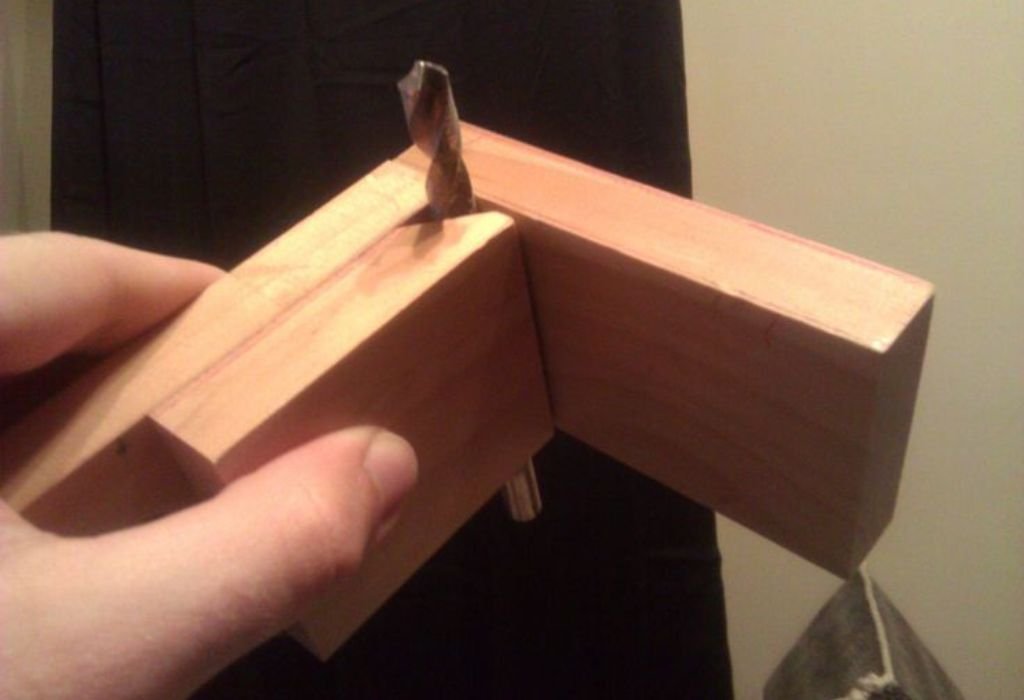
Wood drill bits are designed to cut quickly because wood is a softer material. They remove large chips and create smooth holes with clean edges. The speed is part of their efficiency.
Metal drill bits are built to withstand pressure and heat. They cut through dense materials slowly and steadily. Their design prioritizes durability over speed.
Understanding this difference helps you identify the bit type at a glance. Wood bits look more aggressive while metal bits look more compact. Purpose shapes the entire design.
Wood bits create long spiral chips that eject easily. Metal bits produce small flakes or fine shavings. The cutting style reveals the material compatibility.
Knowing how the bit behaves during drilling also helps identification. Observing chips speed and smoothness teaches you the purpose of each bit type.
Identifying Wood Drill Bits By Tip Shape
Most wood drill bits have a pointed tip known as a brad point. The center point helps the bit stay stable when starting the hole. This point prevents wandering on smooth wood surfaces.
The brad point is sharp and visible even from a distance. This sharp tip guides the bit perfectly through wood fibers. Clean entry holes are one of its main advantages.
Some wood bits like spade bits have a flat paddle shape. They contain sharp cutting spurs on both sides. These spurs slice wood fibers cleanly.
Auger bits have a screw style tip that pulls the bit into the wood. The threaded point gives automatic feeding. This design is exclusive to wood drilling.
If the bit has a visibly sharp point not found in metal bits it is usually a wood bit. Tip shape is one of the easiest ways to identify them quickly.
Identifying Metal Drill Bits By Tip Angle And Design
Metal drill bits have a completely different tip style. Their cutting point is not sharp like wood bits but angled. These angled tips are designed for slow controlled cutting.
The typical angle is around 118 degrees for most metal bits. Some heavy duty bits have a 135 degree split point. These points reduce walking on metal surfaces.
Metal bits do not have spurs or brad points. The tip is shaped for grinding rather than slicing. This is a big visual clue.
The tip appears more compact because it must withstand heat. Softer designs would dull immediately on metal. The strong chisel edge forces metal chips outward.
If the drill bit tip looks flat angled or split instead of pointed it is almost always a metal bit. This angle is unmistakable once you learn it.
Observing The Flute Design To Identify The Material Type
Wood drill bits have wider and deeper flutes. These flutes remove large wood chips quickly. The wide channels help prevent clogging.
Metal drill bits have narrower flutes. They are designed for small shavings that form during metal cutting. Narrow flutes increase strength.
Wide flutes indicate fast chip removal which is needed only for wood. Narrow flutes show the bit was built for high pressure drilling. This is an important detail.
Wood chips are longer and softer so they need space. Metal chips are tiny and sharp so they do not require wide flutes. This design difference is very noticeable.
When you compare two bits side by side the flute width becomes obvious. This visual cue helps beginners identify the bit purpose quickly.
Checking The Material And Coating Of The Drill Bit
Metal drill bits often have coatings to reduce heat. Common coatings include black oxide titanium and cobalt. These coatings give a darker or gold appearance.
Wood bits usually have no coating or a basic polished steel look. They do not require heat resistant coatings. Wood generates far less heat.
Titanium coated bits have a gold color. Cobalt bits may appear slightly blue or dark grey. These colors signal metal drilling capability.
Coating improves durability on tough materials. They reduce friction and extend bit life. These coatings are rarely used on wood bits.
If the drill bit has a colored coating it is likely designed for metal. Coatings are one of the fastest ways to distinguish the two types.
Watching How The Bit Performs During Drilling
Performance often reveals the purpose instantly. A wood bit slices through wood effortlessly. The drill feels smooth and quick.
A metal bit drills wood slowly and creates rougher edges. It is not designed for fast cutting. This mismatch is easy to notice.
When drilling metal a wood bit becomes hot immediately. It may smoke or stop cutting. Wood bits cannot handle metal hardness.
A metal bit on metal drills steady and controlled. It removes small shavings and resists heat better. This behavior confirms its design.
Observing performance helps identify bits even if you cannot see tip or coating clearly. Experience makes identification easier.
Matching Drill Bits To The Correct Applications
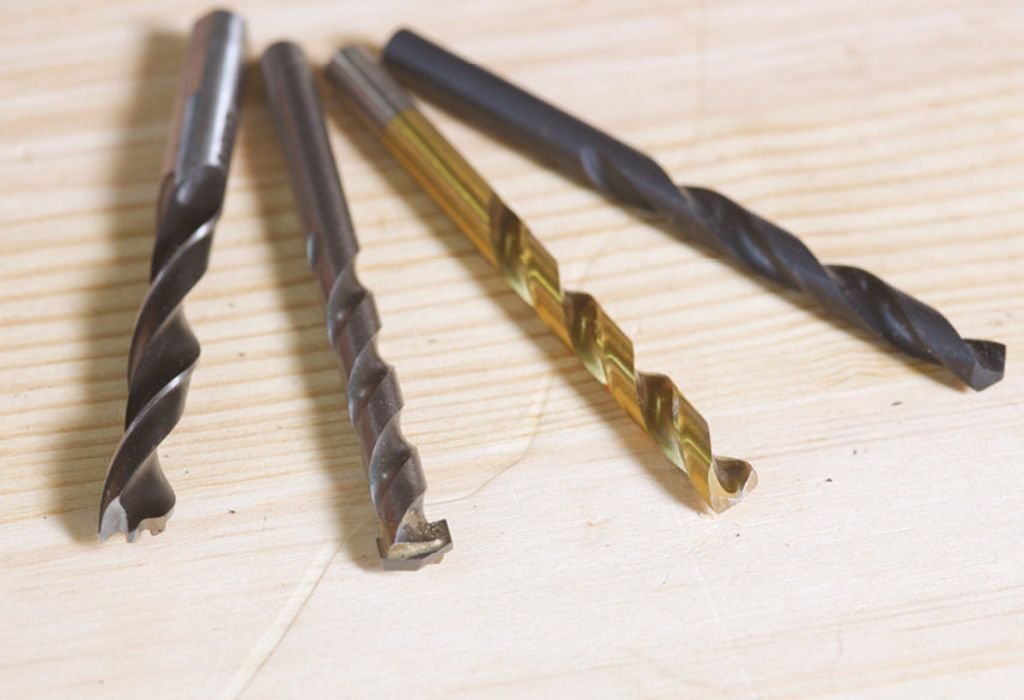
Wood bits are ideal for furniture building. Their design prevents splintering and tearing. Clean holes are essential for woodworking.
Metal bits work best for steel brackets automotive parts and machinery. These bits tolerate high force. They drill slowly but reliably.
Using the wrong bit creates problems. A wood bit on metal dulls quickly. A metal bit on wood leaves messy holes.
Match the bit to the project for best results. Material compatibility improves accuracy. Good matching prevents damage.
Understanding where each bit excels strengthens your confidence. Proper matching also extends bit lifespan.
Common Mistakes When Choosing Drill Bits
One common mistake is assuming all bits are universal. They are not. Each bit is engineered for specific materials.
Another mistake is choosing bits based on color alone. Some cheap bits are painted but not coated. Paint does not indicate strength.
Many beginners try to drill metal with brad point bits. These bits slip and dull instantly. Brad points are for wood only.
Some users pick bits based on size rather than purpose. Size does not change material compatibility. The tip shape does.
Avoiding these mistakes saves time and prevents tool damage. Awareness is the best protection.
Random FAQ Block (Placed After Section 7)
Can a metal drill bit be used on wood?
Yes it can drill wood but the hole may look rough. Wood bits produce cleaner cuts.
Can a wood drill bit drill through thin metal?
It might scratch the surface but it cannot cut properly. Wood bits dull instantly on metal.
Why do metal bits look less sharp than wood bits?
Metal bits grind material instead of slicing. Their tip design focuses on strength.
Are titanium bits only for metal?
Titanium coating is mostly used for metal but it still works on wood. The benefit is heat resistance.
What happens if I use the wrong bit?
You may damage the material or dull the bit. Performance becomes slow and uneven.
Conclusion
Telling the difference between wood and metal drill bits becomes easy once you understand the key visual clues. The tip design flute width coating and performance all reveal the true purpose of the bit. Wood bits have pointed tips wide flutes and fast cutting while metal bits have angled points narrow flutes and heat resistant coatings.
Using the correct bit for each material improves accuracy reduces wear and prevents frustration during drilling. Beginners often confuse bit types but after learning these features they can identify them instantly. Understanding these signs also protects your tools and makes drilling safer and smoother.
Whether you are working on home projects woodworking repairs or metal fabrication this guide helps you choose the right bit confidently. With proper selection the drilling process becomes faster cleaner and much more enjoyable. The next time you open your drill bit set you will know exactly which one is meant for wood and which is meant for metal.

I’m John F. Nicholas, the founder, lead writer, and drill enthusiast behind 101drill.com. With years of hands-on experience in power tools and DIY projects, I created this platform to share practical knowledge, expert tips, and real-world insights to help others master the art of drilling.