
Metalworkers often reach a point where a small mistake can completely change the final result, especially when drilling holes for screws.
Many people believe that choosing a drill bit is simple, but the moment they try fitting a #10 screw into metal, the real challenge shows itself. A hole that is too large causes wobbling, while a hole that is too small leads to stripped threads.
The confusion usually starts when someone notices that metal behaves differently under pressure.
The drill bit grabs, the screw binds, and the project suddenly feels far more complicated. This situation becomes even more stressful when the screw must hold something heavy or structural.
People start wondering what exact bit size prevents cracking, slipping or over tightening. They look up charts, hear conflicting advice and become unsure which size actually works for #10 metal screws. This uncertainty makes drilling feel like a guessing game instead of a simple task.
To avoid all that frustration, understanding the correct drill bit size becomes essential. The right pilot hole keeps the screw tight, prevents damage and helps create a strong hold that lasts. This guide explains everything clearly so that anyone can drill metal with confidence and accuracy.
Understanding #10 Metal Screws
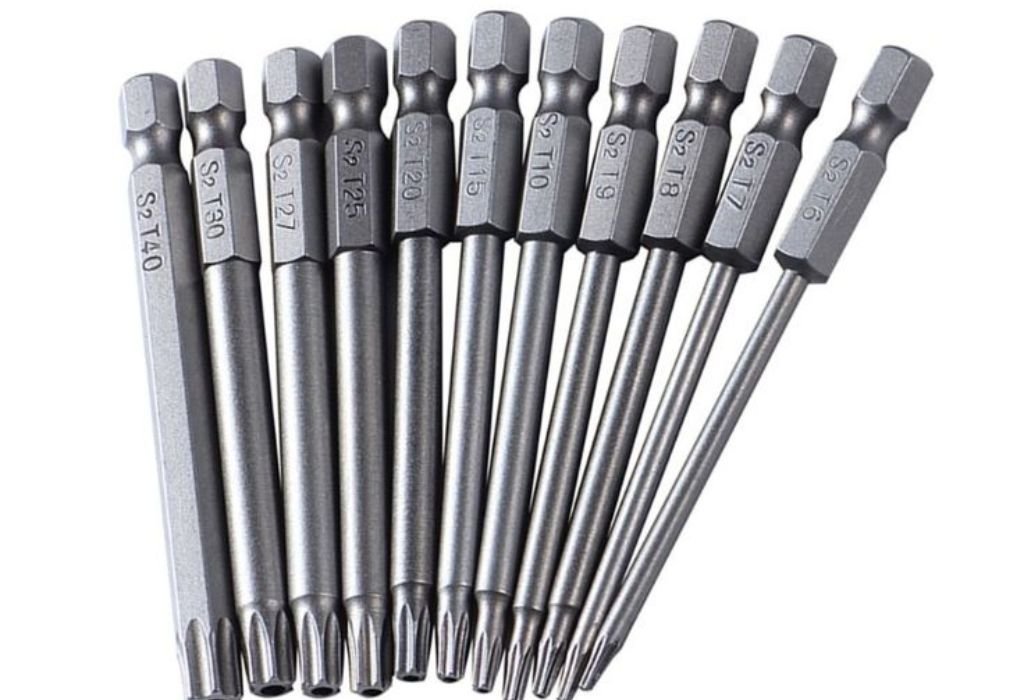
#10 screws are very common in metalwork, and they come in different types depending on the application. The number refers to the diameter, which increases as the number goes higher.
A typical #10 screw has an outer diameter of about 0.19 inches, giving it a solid balance of strength and usability.
These screws can be self tapping, self drilling or machine screws designed for threaded inserts. The type you choose affects the pilot hole size and how it interacts with different metals. This is why one universal approach never works for every scenario.
Using the correct screw ensures proper grip and prevents stripping, especially when working with stainless steel or aluminum sheets. Self tapping screws cut their own threads, but they still need pilot holes in thicker metals. Machine screws behave differently and need precise holes to avoid wobble.
A mis sized hole creates major issues during installation. If the hole is too small, the screw can seize and break under rotational pressure. If the hole is too large, the threads will not form correctly and the screw will not hold securely.
Different metal thicknesses also change the required drilling technique. Thin sheet metal can deform around the hole if the wrong bit is used, while thicker metals resist and may overheat the bit. Understanding these factors helps ensure smooth installation.
When people choose the correct screw and match it with a proper pilot hole, the structure holds tightly and resists long term damage. This is why selecting the right hardware always starts with understanding the screw’s diameter and purpose.
Knowing the nature of #10 screws helps guide the rest of the drilling process. This is especially important for beginners who may not realize how much precision matters in metal drilling.
The Correct Drill Bit Size for #10 Metal Screws
The ideal drill bit size for a #10 metal screw is 5/32 inch, which provides the perfect balance between thread engagement and screw grip.
This size creates enough space for the threads to cut cleanly without stripping or forcing the screw. Many professionals rely on this measurement because it works effectively for most metals.
In some cases, a slightly smaller bit such as 1/8 inch may be needed for softer metals. This helps the threads form tighter connections in materials like aluminum. Harder metals usually require the standard 5/32 inch bit for proper fit.
Different screw types also influence bit choice. For example, machine screws need more precise pilot holes, while self tapping screws can tolerate minor variation. Understanding these small differences prevents common drilling mistakes.
You also need to consider the thickness of the metal being drilled. Thicker materials require more accurate holes so that the threads engage fully along the screw’s length. Thin sheet metal offers less margin for error and can deform if the bit is oversized.
Choosing the correct bit helps prevent overheating, wobbling or unnecessary pressure. A well sized hole also protects the screw from binding or snapping during installation. This small detail significantly improves project quality.
When people use the right bit size, the screw seats perfectly and stays tight over time. This avoids re drilling or future repairs caused by loose fittings.
What size drill bit for #10 sheet metal screw
Use a 5/32 inch bit for most sheet metal, unless the sheet is extremely thin.
Should the pilot hole be smaller than the screw
Yes, the pilot hole must be slightly smaller so the threads can cut into the metal.
Can I use 1/8 inch for #10 screws
Yes, but mainly for softer metals like aluminum where tighter threads are needed.
Does metal thickness affect pilot hole size
Yes, thicker metals require more precise sizing to stop thread stripping.
What happens if hole is too big
The screw will not grip properly and may loosen over time.
How to Drill a Clean Pilot Hole in Metal
Drilling a clean hole starts with marking the exact spot. A center punch helps keep the drill bit from wandering when the drilling begins. This small step dramatically increases accuracy.
Start drilling at low speed to allow the bit to bite into the metal slowly. Applying too much speed causes heat buildup and dulls the bit faster. A steady, controlled speed produces a cleaner hole.
Cutting oil plays a major role in smooth drilling. It reduces friction, prevents overheating and helps prolong the life of the drill bit. Without lubrication, the bit will dull quickly and the hole will not be clean.
Use firm downward pressure without leaning the drill sideways. Side pressure causes bit breakage and uneven holes. Keeping the drill aligned ensures a straight pilot hole.
Stop occasionally to allow the metal and bit to cool. Overheating leads to discoloration, sparks and reduced bit strength. Short breaks during drilling help maintain tool performance.
After drilling, remove burrs from the hole with a metal file. This ensures easier screw installation and prevents sharp edges from catching. A smooth finish always improves the final fit.
How do I stop the drill bit from slipping on metal
Use a center punch to create a starting dimple before drilling.
Should cutting oil always be used
Yes, lubrication protects both the bit and the metal while drilling.
Why does metal heat up while drilling
Friction between the bit and metal generates heat quickly.
Can I drill metal without a pilot hole
It is possible but risks wandering, misalignment and rough holes.
Why do drill bits smoke on metal
Smoke comes from overheating caused by no lubrication or excessive speed.
Tools Needed for Drilling #10 Screw Holes
A strong drill is the first tool needed for drilling holes in metal. Both corded and cordless drills work well depending on the thickness of the material. More torque helps when drilling thicker metals.
Cobalt drill bits are preferred because they resist heat and maintain sharpness longer. High speed steel bits can work but dull faster under high temperature. Using the right bit reduces chances of breakage.
Clamps hold the metal steady and prevent shifting while drilling. Movement during drilling creates uneven holes and damages the bit. Proper support improves overall accuracy.
Lubricating oil reduces friction and prevents overheating. A single drop applied during drilling is often enough for thin metals. Thicker metals may require several applications.
Safety goggles are essential because metal chips can fly toward the eyes. Gloves help protect your hands from sharp edges. Safety gear ensures the drilling process stays accident free.
Using a metal file to clean the hole after drilling keeps the edges smooth. This provides a better finishing touch and prevents screws from catching while being installed.
These basic tools make drilling easier and safer for both beginners and professionals. Having the right setup ensures the final hole is accurate and clean.
Mistakes to Avoid When Drilling Metal
One common mistake is choosing an oversized drill bit. A larger hole removes too much material and leaves the screw loose. This problem gets worse when the metal is thin.
Another frequent mistake is drilling at high speed. Fast speeds cause heat, smoke and rapid dulling of the bit, especially on hard metals. Lower speeds produce better control and a cleaner hole.
Skipping cutting oil leads to friction and overheating. The bit becomes dull and may snap if pushed too hard. Applying lubricant prevents this issue.
Failing to mark the drilling point often causes the bit to wander. This leads to crooked holes and damaged project pieces. A center punch prevents this from happening.
Applying sideways pressure weakens the bit. The bit can bend or break when not aligned properly. Straight, steady pressure keeps the hole clean.
Not cooling the bit between drilling steps causes overheating. This leads to discoloration and weakened steel. Taking small pauses helps maintain tool quality.
These mistakes seem small but create major problems if ignored. Avoiding them helps guarantee clean and accurate drilling results.
Why do drill bits break in metal
They break due to sideways pressure, overheating or poor alignment.
Why do holes become oversized
Oversized holes come from worn bits or using the wrong bit size.
Can drilling without oil damage the bit
Yes, friction builds up and causes the bit to overheat quickly.
Why does the bit skid across metal
Because the surface is smooth and not center punched.
Why does metal discolor while drilling
It overheats due to high speed or lack of lubrication.
How to Measure Drill Bits Correctly
Drill bits come in inch sizes, metric sizes, numbered sizes and letter sizes. Many beginners get confused when the markings do not match the size they expect. Understanding these formats helps remove all confusion.
Inch sizes are most common for metal screws. A 5/32 inch bit works perfectly for #10 screws. Metric bits close to this size measure around 4 millimeters.
Numbered bits are often used in precision metalworking. The higher the number, the smaller the bit. These bits help when exact hole sizing is needed for specific screw threads.
Letter bits fall between numbered bits and provide additional size options. They are useful when a standard inch size is not available. Letter sizes offer more precise pilot hole adjustments.
To convert sizes, use standard conversion charts. These charts show the relationship between inch and millimeter measurements. Knowing both helps choose the correct bit in any situation.
Checking bit markings ensures accurate selection. Faded markings should be measured manually using calipers. This avoids mistakes that lead to poorly sized holes.
Choosing the Best Screw for Metal
Self tapping screws are commonly used because they cut their own threads. They work well in sheet metal and light gauge steel. However, they still require proper pilot holes in thicker materials.
Self drilling screws have a built in drill tip. This eliminates the need for a pilot hole in many situations. These screws speed up installation but are not ideal for very thick steel.
Machine screws are used with pre threaded holes or nuts. They provide strong, secure fastening in mechanical assemblies. These screws require perfectly sized holes for best fit.
Different screw coatings also affect corrosion resistance. Zinc coated screws resist rust in indoor environments. Stainless steel screws work better in outdoor or moisture exposed areas.
Choosing the correct screw ensures a strong and durable hold. It also prevents stripping and unnecessary stress on the metal. Matching screw type with material type improves overall performance.
Understanding these screw options helps determine which one works best for the project. This knowledge ensures smooth and reliable installations.
Using Lubricant While Drilling
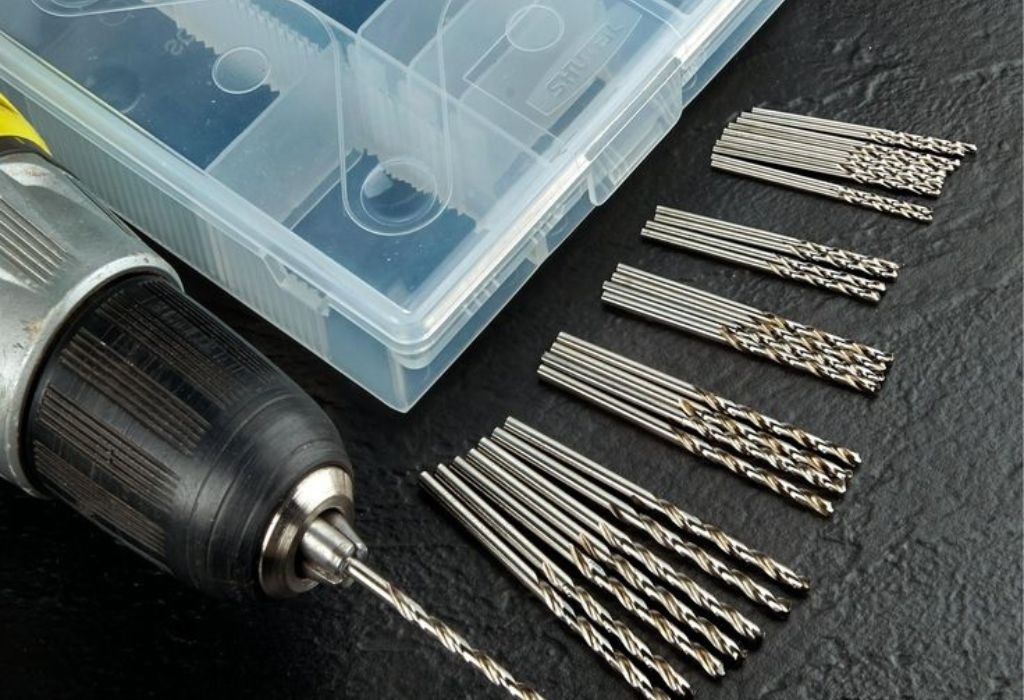
Lubrication is important because metal drilling creates significant friction. The right oil prevents burning, overheating and premature dulling of the bit. This ensures cleaner and more accurate holes.
Cutting oil is the best option for steel and hard metals. Light oils work well for aluminum and softer materials. Selecting the right oil improves drilling performance.
Applying lubricant is simple and effective. A few drops placed directly on the drilling point reduce heat immediately. Additional drops may be needed during longer drilling sessions.
Lubricant also improves drilling speed. Less resistance allows the bit to cut through metal smoothly. This reduces effort and increases accuracy.
Using too much oil can cause slippage. Always apply controlled amounts for best results. Keeping the surface balanced improves overall drilling stability.
Lubrication protects both the bit and the metal. This small step increases tool life and ensures cleaner finishes every time.
What oil is best for drilling steel
Use specialized cutting oil designed for metal drilling.
Can WD 40 be used for drilling metal
Yes, but it works best for aluminum and light drilling tasks.
Why does oil prevent overheating
Oil reduces friction between the drill bit and metal surface.
Do I need oil for stainless steel
Yes, because stainless steel heats quickly and dulls bits faster.
Can too much oil cause slipping
Yes, too much oil reduces friction and affects control.
Strength and Grip of #10 Screws
A #10 screw has strong threads designed to grip metal securely. The angle of the threads helps it cut into the metal surface when installed correctly. This grip strength is essential for structural stability.
Thread engagement depends on the pilot hole size. A properly sized hole ensures the screw cuts evenly through the metal. Too large a hole reduces thread contact and weakens the hold.
Grip strength also depends on the metal type. Softer metals allow deeper thread penetration, while harder metals resist cutting and need precise pilot holes. Understanding these differences improves installation.
Proper torque during installation matters as well. Over tightening strips threads and weakens the connection. Tightening with steady force gives the best results.
Environmental factors also influence screw strength. Moisture, vibration and temperature changes can loosen screws over time. Using the right screw material prevents long term problems.
Knowing these grip factors helps create strong, reliable metal joints. This ensures the project remains secure and long lasting.
Common Questions People Ask
Many people ask whether a regular drill bit can penetrate metal. The answer is yes, but cobalt bits work better because they resist heat. Regular bits wear out faster in hard metals.
Some want to know the correct speed for drilling metal. Slow to moderate speed works best because it reduces heat and improves control. High speeds can harm both the bit and the metal.
Others ask if pilot holes should always be used. Pilot holes are necessary for clean results and precise screw fitting. They prevent bit wandering and protect the screw threads.
Understanding these common questions helps improve drilling confidence. Many beginners start unsure but quickly learn the basics. Clear guidance always leads to better outcomes.
People also often misunderstand how metal thickness affects drilling. Thicker metals require more patience and controlled drilling. Proper technique makes all the difference in the result.
This knowledge helps turn difficult tasks into easy steps anyone can follow. With practice, drilling metal becomes simple and predictable.
Conclusion
Choosing the right drill bit size for a #10 metal screw removes all the guesswork and prevents common drilling problems. A 5/32 inch bit creates the ideal pilot hole in most situations and ensures the screw forms strong, reliable threads.
Understanding how metal thickness, screw type and drilling technique affect the final fit helps avoid stripped holes, overheating or loose connections.
Drilling metal becomes much easier when lubrication, proper pressure and correct speed are used together. Avoiding mistakes like high speed drilling, misalignment or skipping a pilot marking dramatically improves results and keeps tools in good condition.
Paying attention to these small details helps create clean, accurate holes that hold screws securely.
Whether someone is working on sheet metal, thick steel or aluminum, the same principles lead to successful installation. With the right bit size, good preparation and controlled drilling, every #10 screw seats firmly and stays tight for the long term.
This clear understanding allows both beginners and professionals to complete metalwork projects confidently and safely.

I’m John F. Nicholas, the founder, lead writer, and drill enthusiast behind 101drill.com. With years of hands-on experience in power tools and DIY projects, I created this platform to share practical knowledge, expert tips, and real-world insights to help others master the art of drilling.