
Many beginners look at a standard drill bit and wonder if it can actually go through metal. At first glance it seems possible, because a drill bit is designed to cut material, yet metal feels much stronger and less forgiving than wood or plastic.
This uncertainty often makes people nervous about damaging the bit or ruining the metal surface.
When someone tries drilling metal with the wrong bit or wrong technique, the drill begins to squeal, heat rises fast and the bit starts to dull within seconds.
The sudden resistance feels confusing and stressful, especially for people who have never worked with metal before. This reaction is normal, because metal drilling requires more preparation and understanding than softer materials.
The truth is that some regular drill bits can go through metal, but only if the bit is designed properly and handled with the right speed and lubrication.
Standard high speed steel bits work on many metals, while harder metals require cobalt bits or titanium coated bits for smooth cutting. Knowing which bit works for which metal makes the process much easier.
Metal drilling is not about applying force but about using the correct technique and controlling heat.
When heat builds up, the drill slows down, the bit becomes weak and the metal becomes harder. Lubrication, slow speed and stable positioning all make drilling safer and more predictable.
Understanding how regular drill bits perform on metal helps prevent damage to tools and materials.
With the right preparation, even a simple drill setup can make clean and accurate metal holes. This guide explains everything clearly so anyone can drill metal confidently and safely.
Can A Regular Drill Bit Go Through Metal
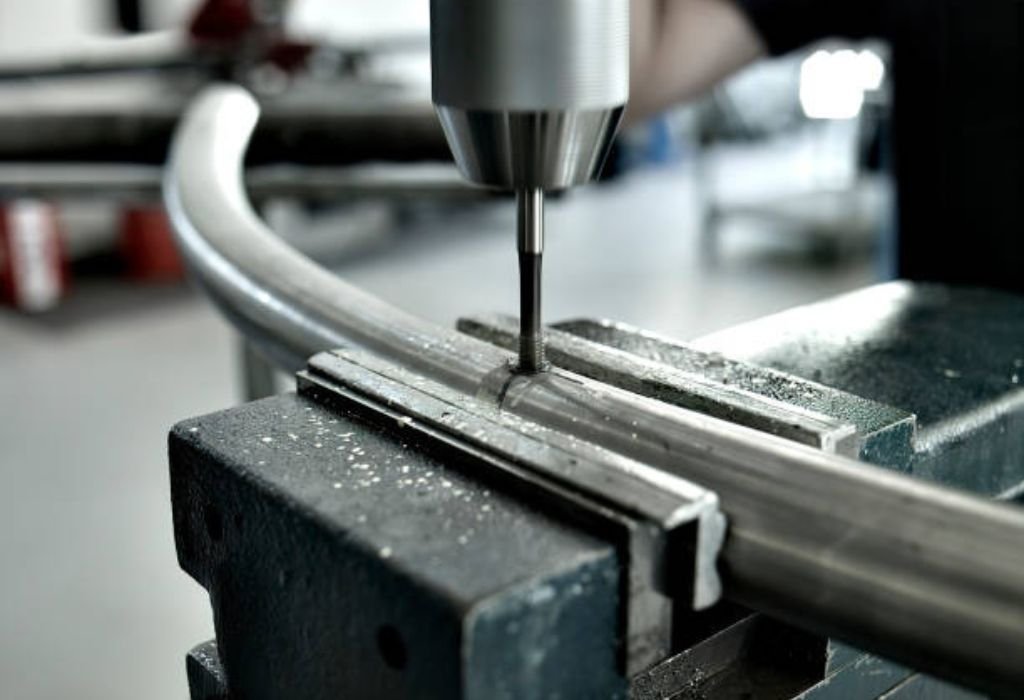
A regular drill bit can go through metal if it is made from high speed steel, because this type of bit is designed to cut through harder materials.
These bits are strong enough to handle the friction produced when drilling metal, especially softer metals like aluminum or brass. However, performance decreases quickly if the bit overheats or loses sharpness during cutting.
Some regular bits struggle with harder metals such as stainless steel because these materials generate more heat and require greater cutting strength.
When the bit cannot maintain its cutting edge, it begins to grind instead of slice and the drilling quality drops significantly. This grinding action causes the bit to dull fast and makes drilling difficult.
Using slow speed is important because high speed creates unnecessary heat that weakens the bit. Regular drill bits are not designed to handle extreme temperature, so overheating shortens their lifespan. Keeping the drill at a controlled speed helps protect the bit and ensures smoother cutting.
Cutting oil is necessary when using a regular bit on metal because lubrication reduces friction. Without lubrication, the bit suffers excessive heat buildup and may break if pushed too hard. Applying oil keeps the drilling area cool and improves the bit’s performance.
Clamping the metal securely is important because a regular bit can wander more easily compared to specialized metal bits.
Proper clamping keeps the metal steady and helps the bit maintain accurate cutting direction. This prevents slipping and reduces the risk of scratches or uneven holes.
Regular drill bits work well for thin metal sheets because they require less cutting strength. Thin metal does not hold heat for long, so the bit stays cool during the short drilling time. This makes standard bits sufficient for small household metal tasks.
For thick metals, regular drill bits can still work if used correctly but require more patience. Slow drilling, frequent lubrication and controlled pressure allow the bit to cut gradually. With careful technique, even a basic bit can create clean holes in thicker metal.
What Type Of Regular Drill Bit Works Best For Metal
High speed steel bits are the most common regular drill bits that can go through metal effectively. They are stronger than standard carbon steel bits and handle the friction of metal cutting much better. These bits are durable enough for everyday metal drilling tasks.
Titanium coated drill bits are also considered regular bits but perform better because the coating reduces friction. Less friction means lower heat buildup and longer cutting life. They work well on many metals, including steel and aluminum.
Black oxide bits offer stronger heat resistance compared to uncoated bits. The oxide layer reduces corrosion and allows smoother movement through metal. They stay sharper longer and are a good choice for frequent drilling.
Cobalt bits are technically regular twist bits but designed for heavy metal work. They contain alloy materials that resist heat and provide superior cutting strength. These bits can handle stainless steel and other tough alloys without dulling quickly.
Using the correct point angle also makes a difference. Regular bits usually have a 118 degree angle which works for softer metals, but harder metals benefit from a 135 degree split point design. Split points reduce walking and improve accuracy.
Step drill bits are not traditional bits but are regular tools that work well on sheet metal. They make multiple hole sizes in a single bit and reduce the pressure needed for drilling. They are ideal for thin metals and produce clean edges.
Choosing the right bit ensures better performance and reduces the chance of overheating. Each bit type handles metal differently based on its hardness and coating. Matching the bit to the metal improves both safety and drilling results.
Can You Drill Metal Without Special Tools
It is possible to drill metal without special tools as long as the correct technique is used. A simple handheld drill with a high speed steel bit can handle most light metal tasks. Slow speed and steady pressure help achieve smooth cutting without damaging the bit.
Many people assume metal drilling requires special machines, but most small jobs only need proper preparation. Marking the drilling spot with a center punch prevents bit wandering. This helps beginners maintain accuracy even with basic tools.
Lubrication is essential because it replaces the need for advanced drilling equipment. Cutting oil or light machine oil keeps the bit cool, allowing the drill to work effectively. Without lubrication, the bit dulls too fast and makes drilling harder.
Clamping the metal securely is more important than having a special drill. Movement causes the bit to slip and scratch the metal. A stable setup improves control and makes drilling safer.
Thin metals such as aluminum sheets or mild steel plates are easy to drill with regular tools. They generate less heat and require minimal force. Proper speed and lubrication make the process simple.
For thicker metal, patience is required because the drill must cut slowly. Regular bits can still work, but frequent breaks help prevent overheating. Gradual cutting gives cleaner results.
Even without expensive equipment, anyone can drill metal safely by using the right technique. Proper alignment, lubrication and slow speed compensate for the lack of special tools. This makes metal drilling accessible for beginners and DIY users.
How Regular Drill Bits Perform On Different Types Of Metal
Regular drill bits behave differently depending on the type of metal being drilled, because each metal has its own hardness level and heat response.
Softer metals like aluminum are easier to cut, and a standard high speed steel bit can move through them with minimal resistance. Harder metals like stainless steel demand slower drilling because they generate more friction and heat.
Mild steel is one of the easiest metals for regular drill bits because it has a balanced level of hardness.
These bits can cut through mild steel cleanly as long as lubricating oil is used to keep temperature under control. Without lubrication, the bit may dull quickly and lose its cutting power.
Brass and copper also drill smoothly with regular bits because they are softer than steel. However, they still require steady pressure and proper clamping to prevent slipping. These metals behave predictably and allow beginners to practice metal drilling more easily.
Stainless steel is more challenging because it becomes harder as temperature rises, a reaction known as work hardening.
Regular bits can still penetrate stainless steel if the drilling speed is kept slow and the drill bit is cooled frequently. Proper lubrication helps prevent the bit from seizing or overheating.
Sheet metal requires less force because of its thin structure, but accuracy becomes more important. Regular bits can wander across the smooth surface of sheet metal unless a center punch mark is used. Once the bit settles into the mark, drilling becomes stable and precise.
In thicker metal, regular drill bits require more patience. The cutting edges must stay cool to prevent premature dulling, so drilling must be steady and controlled. With the correct technique, regular bits can handle a wide variety of metals safely and effectively.
How To Prepare Metal Surface Before Using A Regular Drill Bit
Preparing the metal surface is one of the most important steps when using a regular drill bit. Metal is smooth and slippery, so a drill bit can easily wander if the surface is not prepared correctly.
A center punch mark creates a small indentation that guides the bit and prevents unwanted sliding.
Cleaning the surface is equally important because dust, grease or old residue can affect drilling quality. A clean surface allows the bit to maintain steady contact with the metal and reduces vibration. Using alcohol or degreaser helps remove contaminants quickly and effectively.
Marking the drilling point with a clear line improves accuracy. When multiple holes are needed, precise marking prevents alignment errors and ensures cleaner results. Good preparation leads to consistent drilling and reduces mistakes.
Masking tape can be used when drilling thin sheet metal. The tape stabilizes the surface and helps prevent tearing around the hole edges. It also keeps small chips from spreading over the workspace.
Clamping the metal securely is critical because even slight movement affects cutting performance. Unstable metal causes the bit to bind or scratch the surface. With proper clamping, drilling becomes smoother and more predictable.
For thick metal, preparing the surface may include drilling a small pilot hole. The pilot hole guides the larger bit and reduces the pressure needed to cut through the metal. This technique improves accuracy and reduces the risk of overheating.
Proper preparation ensures that the drill bit starts cleanly and cuts efficiently. Even a basic drill setup performs dramatically better when the metal surface is prepared correctly. These simple steps create safer, faster and more reliable drilling results.
How Lubrication Helps Regular Drill Bits Cut Through Metal
Lubrication is essential when using a regular drill bit because friction builds quickly on metal surfaces.
Without lubrication, the bit grinds harshly against the metal, creating heat that weakens the cutting edge. Cutting oil reduces this friction and allows the bit to cut instead of scrape.
Lubrication also cools the drill bit during operation. When heat is controlled, the bit stays sharp longer and performs more efficiently throughout the drilling process. This cooling action prevents the metal from developing heat marks and helps the bit maintain consistent performance.
The oil also helps remove metal chips from the cutting area. Chips can get stuck around the bit and block the cutting path, which creates uneven holes. Lubrication allows these chips to flow away smoothly and keeps the cutting area clear.
Different types of lubrication can be used depending on the drilling angle. Liquid oils work well for horizontal drilling, while paste lubricants are better for overhead positions. Both types provide the cooling and friction reduction needed for clean cutting.
Even soft metals benefit from lubrication because it prevents chip sticking and improves cutting accuracy. Some metals, like aluminum, tend to gum up the bit without lubrication. Cutting oil keeps the bit clean and prevents clogging.
Lubrication also reduces the pressure needed during drilling. When the bit moves smoothly, the user does not need to push as hard, which reduces fatigue and improves control. This helps beginners drill metal safely and confidently.
Overall, lubrication ensures that regular drill bits work more efficiently on metal. It protects the bit, improves cutting speed and produces cleaner holes. Proper lubrication is one of the simplest ways to enhance drilling performance.
How To Drill Through Metal Safely Using Regular Drill Bits
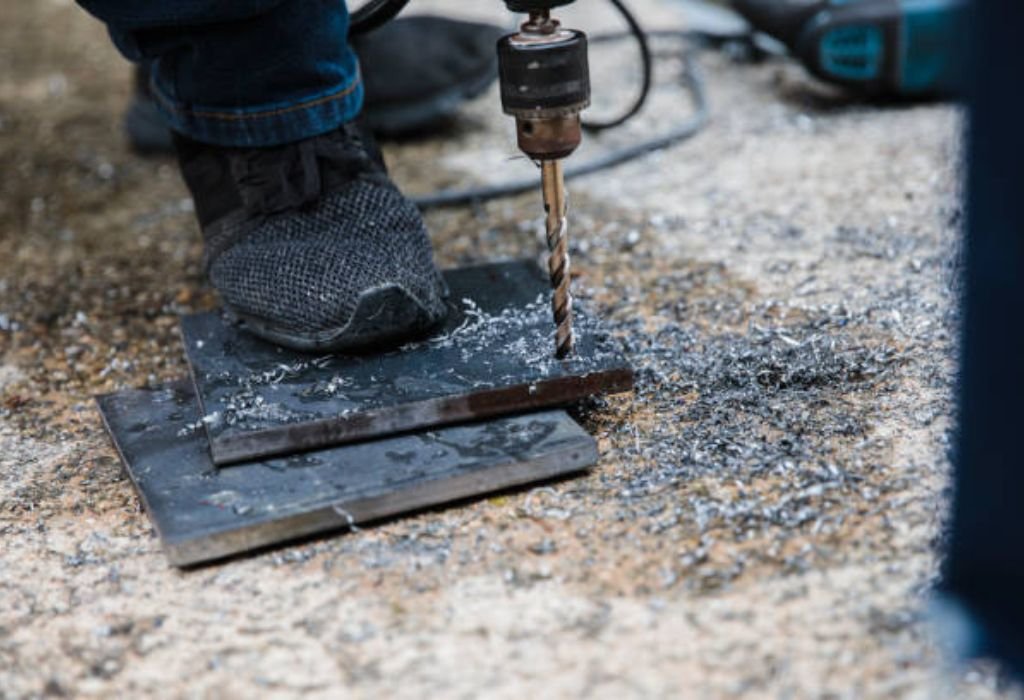
Safety is an essential part of drilling metal, especially when using regular drill bits that are not built for extreme heat.
Wearing protective eyewear prevents metal chips from causing injury during drilling. Gloves can also be used, but they should be tight fitting to avoid accidental entanglement.
Clamping the metal properly is one of the most important safety steps. Metal can vibrate or move slightly while drilling, which increases the risk of slipping. A solid clamp keeps the material steady and allows the bit to cut smoothly.
Slow drilling speed is necessary because metal reacts strongly to heat. When the drill spins too fast, the bit becomes hot and may break or dull quickly. Using a slow and steady speed reduces heat buildup and improves cutting control.
Controlled pressure is also important because pushing too hard can snap the bit. Regular drill bits are strong, but they must be used gently to avoid sudden stress. Balanced pressure helps the bit maintain a stable cutting rhythm.
A center punch mark improves safety by preventing wandering. When the bit slips on the metal surface, it can create scratches or cause sudden movement. The punched mark helps anchor the bit and gives it a secure starting point.
Lubrication increases both safety and performance. A cool drill bit is less likely to seize or break unexpectedly. Cutting oil keeps drilling smooth, predictable and efficient.
Safe drilling also includes clearing chips frequently. Metal chips are sharp and can cause injury if allowed to accumulate. Removing them regularly improves visibility and prevents tool damage.
Frequently Asked Questions About Drilling Metal With Regular Drill Bits
Can a regular drill bit cut through steel?
Yes, high speed steel or cobalt bits can cut through steel if used with slow speed and lubrication.
Do regular drill bits break easily in metal?
They can break if overheated or forced too hard, so slow speed and oil help prevent breakage.
Is drilling metal with a normal drill dangerous?
It is safe when the metal is clamped, speed is controlled and cutting oil is used.
Will a regular drill bit work on stainless steel?
It can work, but cobalt bits perform much better and last longer on stainless steel.
Do you need to punch a mark before drilling metal?
Yes, a center punch prevents the bit from sliding across the metal surface.
Can I drill metal without cutting oil?
Yes, but the bit will dull faster and produce more heat, making drilling harder.
Should I drill metal fast or slow?
Always drill metal at slow speed to avoid overheating and protect the bit.
What happens if the drill bit gets too hot?
Overheating dulls the bit and may cause it to snap or seize in the metal.
Does thickness matter when using regular bits?
Yes, thicker metal requires slower drilling, more lubrication and more patience.
Can a cordless drill handle metal drilling?
Yes, as long as it has enough torque and the correct bit is used with low speed.
Conclusion
A regular drill bit can go through metal if the right type is chosen and proper technique is used. High speed steel, titanium coated and cobalt bits all perform well on metal when drilling speed is kept low and lubrication is applied.
With these steps, even a basic drill can create smooth and accurate holes without damaging the bit.
Metal drilling does not require special machines unless someone is working with very thick or hardened materials. Simple tools are enough as long as the metal is marked, clamped and drilled patiently. Understanding how heat affects drilling helps prevent dull bits and messy holes.
Using proper lubrication and applying steady pressure makes drilling easier for beginners and safer for everyone.
Clean chips, cool temperatures and slow speed all contribute to better cutting action. With the right approach, drilling metal using regular drill bits becomes a smooth, controlled and predictable process.

I’m John F. Nicholas, the founder, lead writer, and drill enthusiast behind 101drill.com. With years of hands-on experience in power tools and DIY projects, I created this platform to share practical knowledge, expert tips, and real-world insights to help others master the art of drilling.