
Many people assume a drill is the only tool that can make a hole in metal, but situations often arise when there is no drill available.
Sometimes the drill battery dies, the motor fails or the job site lacks electricity, leaving you stuck with a solid metal piece that still needs a hole. This creates frustration and forces people to search for alternative solutions.
What surprises most beginners is that metal can still be punched, pierced or melted safely using basic household tools.
Techniques like using a nail and hammer, applying heat, using a hand punch or tapping slowly with a chisel can all create functional holes. Each method requires patience but produces reliable results when done correctly.
Before choosing a method, it is important to understand the thickness and type of metal. Thin sheet metal responds well to punching techniques, while thicker metal may require gradual tapping or heating. This evaluation ensures the method you use is safe and effective.
Knowing alternative ways to make holes empowers people who work on DIY projects, repairs or emergency jobs. These simple tools turn a difficult task into something manageable and controlled. Once you learn these methods, you will never feel stuck without a drill again.
This guide walks you through all the safe and practical ways to make a hole in metal without using a drill.
You will learn step by step instructions, tool choices, safety tips and troubleshooting tricks for clean results. By the end, you will confidently handle metal even when a drill is unavailable.
Understanding How Metal Responds to Pressure and Impact
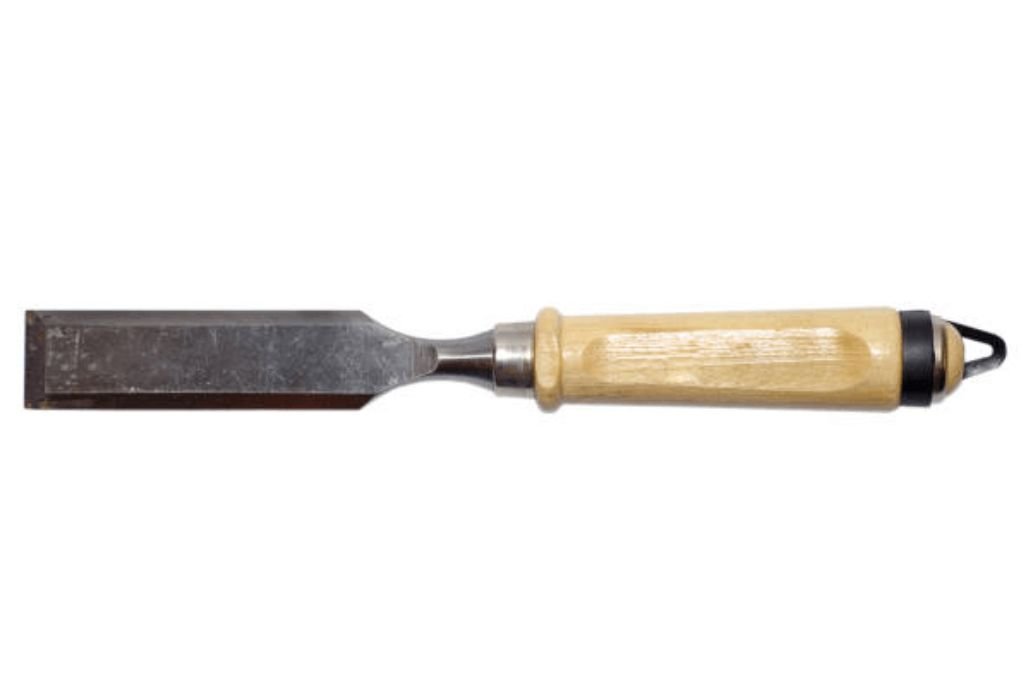
Metal reacts differently depending on its thickness, hardness and surface finish. Soft metals like aluminum bend easily but hard metals like steel resist impact, making tool choice very important. Understanding this behavior ensures you select the right method.
Thin sheet metal punctures quickly with direct force. Using sharp tools speeds up penetration and reduces deformation. This is why sheet metal is easier to work with for non drill methods.
Thicker metal requires patience and controlled tapping. Forces must be applied slowly to avoid cracks or warping. Rushing increases the risk of injury or tool damage.
Metal expands under heat, which makes piercing easier. Heat softens the surface and reduces resistance to pressure. This technique helps when working with stubborn materials.
Surface coatings also change how metal behaves. Painted or powder coated surfaces may chip when struck. Sanding the area lightly prevents damage.
Knowing this behavior helps you choose whether to use a punch, nail, chisel or heat. Each method relies on metal’s natural reactions. Proper understanding reduces mistakes and increases accuracy.
Metal working becomes simpler once you understand these reactions. This knowledge prepares you for the methods explained in the next sections. Good preparation leads to safe results.
Using a Nail and Hammer to Puncture Metal
A strong steel nail can puncture thin to medium sheet metal when used correctly. Start by marking the exact spot where the hole is needed. This ensures accuracy and prevents slipping.
Hold the nail firmly at a slight angle. This helps the tip bite into the surface. The first impact should be light to establish a small dent.
Gradually increase the hammer force after the first dent forms. The nail will sink deeper into the metal with each strike. This slow process avoids bending the nail.
If the nail begins to slip, reposition it and tap lightly again. Slipping occurs mostly on smooth metal surfaces. Roughening the area with sandpaper improves grip.
Consider using a stronger masonry nail for harder metals. These nails have thicker bodies and pointed tips. They handle impact without bending.
Once penetration occurs, widen the hole gently. Rotating the nail creates a cleaner finish. The result is a functional and stable hole.
This method works best for thin metal sheets. It provides a quick and simple alternative to drilling. Safety gloves should always be worn during this technique.
Can I use regular house nails on metal?
Regular nails work for thin metal, but stronger masonry nails work better.
Does hammer size matter?
A medium hammer provides enough force without overstriking.
Will this method deform the metal?
Minor dents may appear, but careful tapping reduces deformation.
Can nail puncturing work on stainless steel?
Stainless steel is harder and may require heat before puncturing.
Should I pre mark the spot?
Yes, marking prevents slipping and improves accuracy.
Using a Metal Punch to Create Clean Holes
A metal punch creates one of the cleanest holes without a drill. Punches are designed to concentrate force at a single sharp point. This focused pressure pierces metal efficiently.
Center punches are ideal for starting small holes. They create deep indentations that can be widened later with controlled force. This method is safe and predictable.
Automatic center punches apply force without a hammer. This tool uses internal springs to deliver impact. It is especially useful for people who struggle with hammering control.
Hand punches work best on thin metal sheets. They produce uniform circles with minimal distortion. Many professionals prefer this for quick sheet metal work.
To use a punch, place the tip at your marked point. Hold it vertically for accurate penetration. A slight angle can cause unwanted bending.
Tapping the punch slowly deepens the dent. Repeated taps turn the dent into a small hole. You can widen it by moving the punch slightly.
Punch tools are safe and portable. They are perfect for emergency repairs or field jobs. This method works even when electricity is unavailable.
Using a Chisel to Cut an Opening in Metal
A cold chisel can cut through metal with controlled tapping. The blade edge concentrates force on a straight line. This allows you to break the surface and shape the hole.
Start by marking a small X on the metal. This helps the chisel stay in place during the first tap. Without marking, the chisel may slide.
Hold the chisel at a slight inward angle. This helps cut into the surface instead of glancing off. Positioning is the key to safety.
Tap the chisel lightly at first. Once a groove forms, increase the hammer force. The groove deepens until the surface breaks.
Chisels work well for square or oval shaped openings. They offer more shaping control than nails or punches. This makes them ideal for custom holes.
Thicker metal requires patience. Long tapping sessions gradually weaken the structure. Eventually the metal splits at the groove.
Widen the opening by working around the edges. This produces a usable hole without cracking the metal. Filing afterward smooths rough edges.
Can I use a wood chisel on metal?
No, only cold chisels designed for metal should be used.
Does a chisel make round holes?
Chisels create irregular shapes unless carefully carved.
Is this method safe for beginners?
Yes, if done slowly with proper gloves and eye protection.
What happens if the chisel slips?
It may scratch the surface or cause minor injury, so firm grip is important.
Can chisels cut thick steel?
They can, but the process is slower and may require heat.
Using Heat to Melt or Soften Metal Before Making a Hole
Heat can dramatically soften metal surfaces. Using a blowtorch or heating rod loosens the structure. This makes puncturing easier.
Mark the area before applying heat. Heating without marking reduces accuracy. A clear mark guides your tool after heating.
Move the flame back and forth to heat evenly. Uneven heating may warp the metal. Consistent motion prevents discoloration.
Once heated, use a nail, punch or chisel. The softened metal will accept force more easily. Light taps become effective.
Heat works especially well on stubborn metals. Stainless steel and thick iron respond better when softened. This reduces tool strain.
Always allow the metal to cool slowly. Rapid cooling can cause cracks or brittleness. Patience ensures long term strength.
This technique requires safety gear. Gloves and face shields protect against sparks and fumes. Proper ventilation is important.
Using a Screw and Hammer to Drill a Hole Without Electricity
A strong steel screw can act like a manual drill. The sharp threads cut into metal when pressure is applied. This makes screws a useful alternative.
Start by tapping a small dent with a punch or nail. This guides the screw into place. Without a dent, the screw slips.
Place the screw tip into the dent. Tap lightly with the hammer. The threads will bite into the surface.
As the screw advances, the hole widens. Rotate the screw slowly to mimic drilling. This produces a small but functional hole.
Choose hardened screws for best results. Soft screws may bend or strip. Hardened metal prevents damage.
This method is slow but effective. It requires steady control and patience. The result is reliable for light duty work.
Widening can be done by using a larger screw afterward. Each screw increases the final size. This makes the hole flexible in size.
Can any screw cut metal?
Only hardened or stainless steel screws work well.
Do I need lubrication?
A small amount of oil reduces friction.
Can this method replace real drilling?
It works for small holes but not heavy duty tasks.
Will the screw break?
Low quality screws may bend under pressure.
Does this work on all metals?
It works best on soft and medium metals.
Piercing Thin Sheet Metal Using Tin Snips
Tin snips can open small holes quickly. Their sharp blades cut through thin sheets like scissors. This makes them great for HVAC or roofing tasks.
Mark the hole location with a marker. Create a small dent using a nail. This dent allows the snip blades to bite.
Insert the tip of the snip into the dent. Press firmly until the metal tears. The tear becomes the beginning of a hole.
Cut slowly to widen the opening. Smooth, small cuts create cleaner shapes. Rushing leads to jagged edges.
Snips work well for irregular shapes. Circles, squares and rectangles are easy to create. This provides flexibility for various tasks.
Thin aluminum and mild steel respond best. Thicker metal becomes difficult to cut. Snips are not designed for heavy duty steel.
Always wear gloves when using snips. The edges are extremely sharp. Gloves prevent accidental cuts.
Using a Hand File to Create or Widen a Metal Hole
A file can slowly remove metal from a specific point. This method is slow but precise. It produces smooth edges and controlled shapes.
Start by creating a small indentation using a punch or nail. This gives the file a starting point. Without a dent, the file slips.
Use a round file for circular holes. Move the file in short back and forth motions. The metal will gradually wear away.
Files are ideal for widening existing punctures. They help refine the shape. This method yields professional looking results.
Thicker metal requires more filing time. Patience is essential during this technique. The results are worth the effort.
Files leave clean, safe edges that reduce injury risk. This makes them perfect for finishing work. They are often used after chiseling or puncturing.
Hand filing offers full control. You decide the exact size and shape. This method is perfect for precision projects.
Can files create holes from scratch?
Yes, but only after a starting puncture is made.
What file shape is best for round holes?
Round files create the smoothest circular shapes.
Do files work on stainless steel?
They work but require longer effort.
Should I lubricate while filing?
A little oil helps reduce friction.
Can files replace drilling?
They can for small holes or finishing work.
Using a Hacksaw to Create a Slot or Opening in Metal
A hacksaw can create a slot that functions like a hole. This method is ideal for larger openings. It provides straight, clean cuts.
Mark two parallel lines on the metal. This guides the saw path. Keeping lines straight ensures accuracy.
Start slowly to avoid skipping. Use gentle forward strokes at first. Once the cut forms, apply steady pressure.
Sawing gradually removes metal along the marked area. This creates a rectangular or oval opening. The shape depends on your cutting pattern.
A file can smooth the edges afterward. This improves safety and appearance. Sharp edges should never be left untreated.
Hacksaws work best on aluminum and mild steel. Very thick steel may require stronger blades. Choosing the right blade determines success.
Sawing takes time and patience. But the control it offers makes it a reliable method. It is perfect for larger metal modifications.
Using a Metal Punch Set to Create Professional Holes
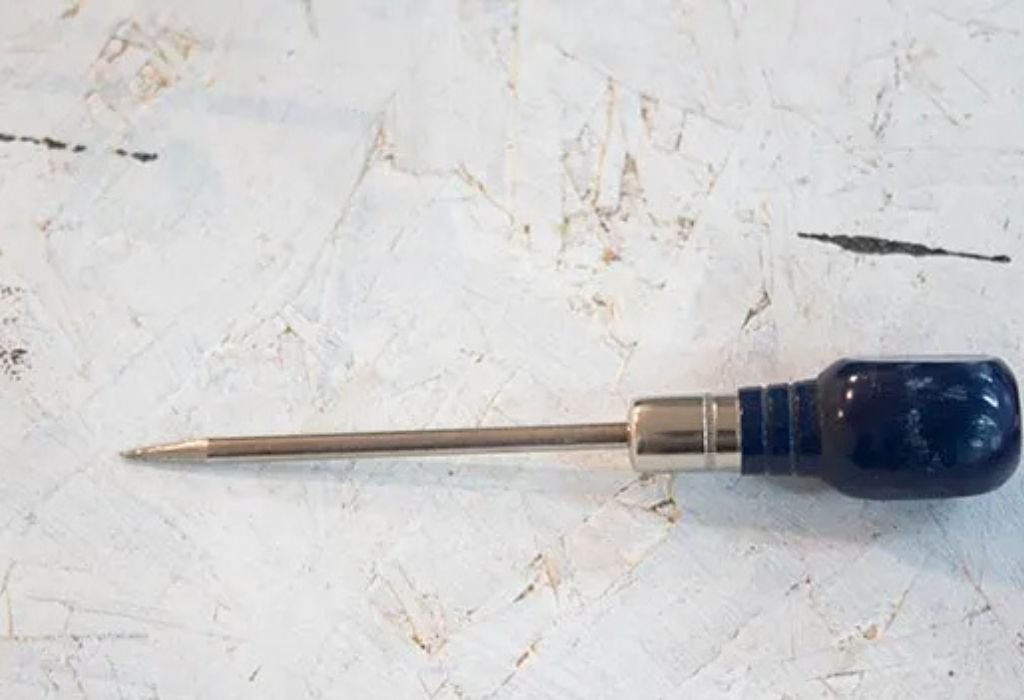
Punch sets include multiple sizes for different hole diameters. They are commonly used for sheet metal projects. This kit offers versatility.
Align the punch over the marked spot. Tap it with a hammer. The punch cuts through the metal cleanly.
Some punch sets include built in dies. These dies catch the metal circle removed. This produces clean and accurate holes.
Punch sets work best on thin and medium metal. Thick steel may resist the cutting action. Always check the tool rating.
Punching creates consistent results every time. This makes it ideal for repetitive tasks. Many professionals rely on this for clean work.
Different punch shapes create different holes. Round, square or oblong punches are available. Choose according to your project.
This tool produces some of the cleanest non drill holes. Its precision is unmatched. It is perfect for professional finish.
Safety Tips When Making Holes in Metal Without a Drill
Always wear gloves to protect against sharp edges. Metal fragments can cause cuts easily. Eye protection prevents dangerous injuries.
Work on a stable surface. A moving metal piece can cause slipping. Clamps keep the metal secure.
Use controlled force with hammers and punches. Sudden hard strikes lead to accidents. Steady tapping works better.
Never touch heated metal immediately. Hot metal can cause severe burns. Allow cooling time before handling.
Check tools before starting. Damaged tools increase risk. Clean and sharp tools perform better.
Keep your workspace clean. Loose shavings create hazards. Clean as you work for safety.
Beginners should practice on scrap metal. This builds confidence and experience. Practice helps avoid future mistakes.
Conclusion
Making a hole in metal without a drill may seem difficult at first, but the right tools and techniques make the process surprisingly accessible.
Whether you use a nail, chisel, punch, screw, heat or hand tools, each method offers its own strengths and works well in different situations. Understanding how metal responds to pressure and impact helps you choose safely and effectively.
For thin sheet metal, simple puncturing tools like nails, punches and snips work quickly and produce clean openings.
Thicker metals require patience, controlled tapping and sometimes heat to soften the surface before making a hole. These methods allow you to work confidently even when electrical tools are unavailable.
With proper preparation, marking, safety gear and patience, anyone can create functional holes in metal using common household tools.
The key is to start slowly, guide the tool carefully and widen the opening step by step for clean results. Once you learn these techniques, you will never feel stuck without a drill again.

I’m John F. Nicholas, the founder, lead writer, and drill enthusiast behind 101drill.com. With years of hands-on experience in power tools and DIY projects, I created this platform to share practical knowledge, expert tips, and real-world insights to help others master the art of drilling.