
Anyone who has ever tried driving a screw into metal without a proper pilot hole knows the frustration that follows.
The screw refuses to bite, the threads wear out or the metal starts to deform, making the task feel impossible. This is where choosing the correct drill bit size for a #8 screw becomes essential.
Many beginners guess the hole size based on the screw’s appearance. They compare the width visually or use trial and error, but this usually leads to broken screws, stripped holes or uneven alignment. A simple mistake in pilot hole size can ruin a project and waste valuable materials.
Understanding pilot holes removes the guesswork completely. When the hole size matches the core diameter of the screw, the threads grip firmly without applying excessive force. This balance ensures a secure fit and a smooth installation process.
Choosing the right drill bit for metal is especially important. Metal requires accuracy and steady pressure, and using the wrong size can weaken the connection. Once you understand how bit sizing works, installing #8 screws becomes simple and reliable.
This guide walks you through exactly what size drill bit you need for a #8 screw in metal. You will learn about sizing charts, thread engagement, metal thickness and other important factors. By the end, you will know how to choose the perfect pilot hole for any #8 screw project.
Understanding Screw Sizes and Why Pilot Holes Matter
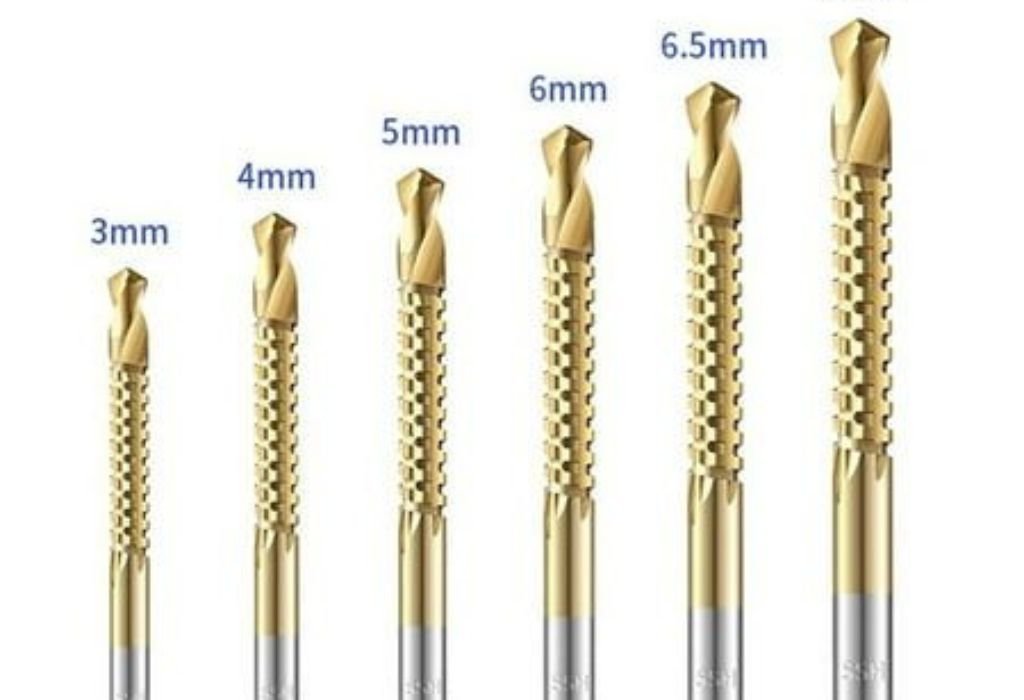
A #8 screw refers to the gauge of the screw, not its length. This gauge controls the thickness of the screw and determines how much space the threads need to grip properly. Knowing this gauge helps select the right drill bit size.
Pilot holes reduce pressure on the metal. Without a pilot hole, the screw forces its way in by displacing material, which can cause cracking or stripping. The right pilot hole avoids these problems.
Metal is less forgiving than wood. Screws cannot simply push through it without losing strength. Creating a proper pilot hole ensures clean and controlled insertion.
A correctly sized pilot hole allows the threads to cut into the metal without excessive force. Too small of a hole causes screw resistance and breakage. Too large of a hole prevents proper grip.
Pilot hole size varies depending on metal thickness. Thick metal requires slightly larger holes for easier thread engagement. Thin metal needs tighter fit for secure threading.
Understanding these principles is the foundation of selecting the perfect bit. Once you understand how pilot holes help screws work better, everything becomes easier. The next section explains the exact size needed.
The Correct Drill Bit Size for a #8 Screw in Metal
For a #8 screw going into metal, the recommended drill bit size is 11/64 inch. This drill bit matches the core diameter of the screw while leaving enough room for the threads to cut properly. Using this size prevents stripping and ensures maximum strength.
The 11/64 inch bit works for most metals, including steel and aluminum. It creates a clean hole that allows consistent threading. This size is considered the industry standard.
Some installers prefer slightly smaller holes for thin sheet metal. In those cases, a 5/32 inch bit may be used for a tighter fit. However, beginners should stick to the standard size.
Using a larger bit such as 3/16 inch is not recommended. This creates a loose fit and reduces thread engagement. Loose fits can lead to vibrations and screw fatigue.
Always check the screw’s thread type. Fine threads require different hole sizing compared to coarse threads. Most #8 screws used in metal are fine threaded.
Testing the bit on scrap metal first is helpful. This ensures the hole size feels correct and the screw threads turn smoothly. This small step prevents mistakes.
Having the right drill bit size increases safety and efficiency. It makes installing screws faster and easier. With the correct bit, metalworking becomes more enjoyable.
What is the standard drill bit size for a #8 screw in metal?
The standard recommended size is 11/64 inch.
Can I use a 5/32 inch drill bit instead?
Yes, but it creates a tighter fit and is better for thin sheet metal.
Is 3/16 inch too big for a #8 screw?
Yes, it creates a loose hole and reduces thread strength.
Do metal screws need different pilot holes from wood screws?
Yes, because metal is harder and requires more precise sizing.
Should I lubricate the screw when installing into metal?
A drop of oil helps reduce friction and protects the threads.
Why The Wrong Drill Bit Size Causes Problems
Using the wrong bit size can cause immediate issues. A bit that is too small creates excessive resistance when inserting the screw. This can snap the screw or strip the threads.
A bit that is too large removes too much metal. The screw will not grip properly and may wobble. This leads to loose connections and failure over time.
Metal requires precise hole sizing because it does not compress like wood. If the screw has nothing to bite into, it becomes ineffective. This compromises strength and safety.
Incorrect pilot holes also cause heat buildup. Stripped metal produces friction that damages tool parts. This makes drilling more difficult and dangerous.
Repairing oversized holes requires fillers or larger screws. This increases cost and time. Avoiding this issue with proper bit sizing prevents frustration.
Beginners often assume size is not critical. Metal is unforgiving, so small mistakes matter more. A properly sized hole ensures lasting durability.
Knowing how wrong sizing affects results helps reinforce the need for accuracy. Good preparation leads to clean and professional finishes. This section highlights the value of precision.
How Metal Thickness Changes the Drill Bit Size You Should Use
Thicker metal requires more space for the screw threads to cut. This is because deep engagement adds resistance. Slightly larger pilot holes help reduce this resistance.
Thin sheet metal behaves differently. Its softness allows a smaller pilot hole because the material flexes slightly. A tighter fit prevents wobbling.
For thick steel, using the standard 11/64 size is still effective. Some installers prefer stepping up one fractional size for easier threading. This prevents stress on the screw.
Aluminum reacts differently than steel. It is softer and accepts smaller holes without much resistance. Understanding metal type is helpful.
Layered metal or stacked pieces need special consideration. Each layer adds friction and resistance. Stepping up one size helps avoid thread binding.
Always check the screw’s thread pattern. Fine threads require precise holes. Coarse threads can tolerate slightly smaller holes.
This awareness prevents unnecessary force during installation. Adjusting based on thickness leads to better results. The guidelines apply to almost all #8 screw applications.
Do I need a bigger hole for thick metal?
Possibly, but most #8 screws still work with 11/64 inch.
Does thin metal need smaller pilot holes?
Yes, thin sheets grip better with slightly smaller holes like 5/32 inch.
Does aluminum require different hole sizes?
Aluminum accepts smaller holes because it is softer.
What if metal is layered?
Increase one fractional size to reduce thread binding.
Do thread types matter?
Yes, fine threads need accurate sizing for best results.
How Screw Thread Type Affects Drill Bit Sizing
Screws come in coarse thread and fine thread styles. Fine threads are better for metal because they cut cleanly. Coarse threads may strip softer metals.
Fine threaded #8 screws fit perfectly in 11/64 inch pilot holes. Their shallow thread pitch grips metal securely. This reduces risk of stripping.
Coarse threads benefit from slightly smaller holes. The deeper threads cut more aggressively. This provides a stronger hold.
Thread type also affects how easily the screw enters the metal. Fine threads require precision. Coarse threads allow more tolerance.
Always check the packaging before use. Manufacturers include thread types for reference. This information helps avoid mistakes.
Matching thread type to the correct hole size improves performance. It ensures clean entry and strong engagement. This makes assembly easier.
Understanding thread differences helps in professional tasks. It separates proper methods from guesswork. The knowledge improves installation quality.
How to Test Drill Bit Size Before Making the Final Hole
Testing the bit size on a scrap piece of metal is an excellent practice. This quick test helps confirm that the selected pilot hole works smoothly. It reduces the risk of errors during installation.
Start by drilling a small hole in scrap metal using the chosen bit. Insert the screw gently to check thread grip. If the fit feels too tight or too loose, adjust the bit size.
Testing prevents unnecessary damage to your main project. It also saves time by avoiding rework. Professionals rely on this step for accuracy.
Scrap testing also reveals whether the screw threads cut smoothly. Smooth threading indicates proper bit selection. Rough threading signals mismatches.
This process is especially helpful for beginners. It builds confidence and prevents surprises. Small adjustments create better results.
Testing provides a real world feel for the screw fit. It eliminates uncertainty and guesswork. This is a reliable step in every project.
Should I always test on scrap metal first?
Yes, it helps confirm sizing and prevents mistakes.
What if the hole feels too tight?
Move up one fractional drill bit size.
What if the hole feels too loose?
Use the next smaller bit for better grip.
Does scrap testing damage tools?
No, it extends tool life by reducing mistakes.
Can testing help beginners improve?
Yes, it builds confidence and accuracy.
Why Lubrication Helps When Driving Screws Into Metal
Lubrication reduces friction during installation. This allows the screw to turn more smoothly. A single drop of oil can make a big difference.
Using lubrication protects screw threads from overheating. Overheated screws weaken and lose structural strength. Lubrication prevents this failure.
Metal surfaces generate heat quickly. Lubrication acts as a barrier. This barrier keeps temperatures controlled.
Oil also reduces stress on the driver bit. This prolongs the life of your tools. Less resistance means fewer stripped screws.
Some installers use beeswax or soap. These materials provide light lubrication. They are easily accessible and effective.
Lubrication is especially important for thick or hard metal. These surfaces generate more friction. A small amount of oil ensures smoother work.
Beginners often neglect lubrication. Adding this step improves overall results. It increases screw life and improves performance.
How to Ensure Straight and Accurate Pilot Holes in Metal
Keeping the drill steady is the key to accuracy. Any tilt affects the hole shape. A misaligned hole weakens the connection.
Marking the hole precisely prevents errors. A punch or nail creates a small dent that guides the drill bit. This prevents bit wandering on smooth metal.
Holding the drill perpendicular ensures clean entry. This angle produces a straight and balanced hole. Proper angles prevent screw misalignment.
Clamping the metal helps achieve accuracy. Loose metal vibrates during drilling. Vibration leads to uneven holes.
Using slow drill speeds improves control. Metal requires slower speeds than wood. This prevents slipping and overheating.
Always check the hole after drilling. Look for clean edges and proper sizing. Poor edges may require minor filing.
Straight pilot holes improve screw performance. They reduce stress on the threads during installation. This increases long term durability.
How do I keep the drill from sliding on metal?
Create a small punch dent to guide the bit.
Should I drill fast or slow?
Slow speed provides more control on metal.
Do clamps help accuracy?
Yes, they reduce vibration and movement.
How do I ensure straight entry?
Hold the drill perpendicular to the surface.
Do I need to file the hole afterward?
Only if the edges are rough or deformed.
Common Mistakes People Make When Drilling Holes for #8 Screws
Many beginners choose the wrong bit size by guessing. Guessing rarely produces accurate results. Precision is essential for metal work.
Another common mistake is skipping lubrication. This causes excessive friction. Friction damages both screws and bits.
Drilling too fast is also a frequent error. High speeds heat the metal quickly. Heat weakens the screw and ruins the hole.
Not using a pilot mark causes bit wandering. Wandering produces misaligned holes. This reduces thread strength.
Some users force the screw into the hole. Forcing damages the threads. Smooth entry is important.
Working without clamps is risky. Movement affects accuracy. Secure metal makes drilling easier.
Proper technique avoids all these issues. Awareness leads to cleaner and stronger results. Avoiding mistakes saves time and materials.
How Screw Length Affects the Pilot Hole Performance
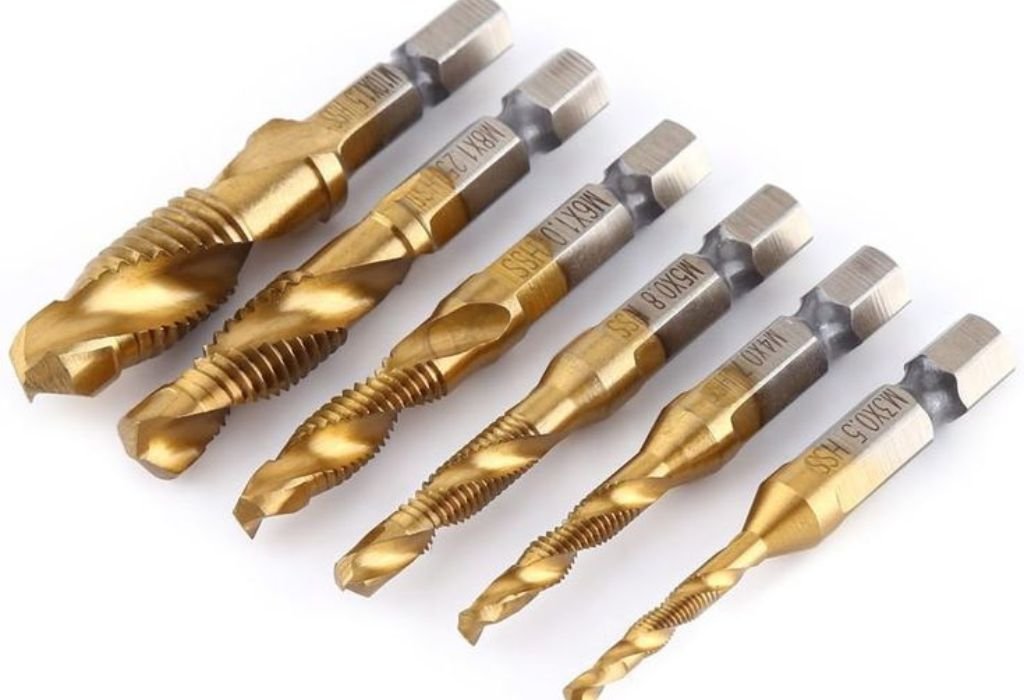
Longer screws require more precise pilot holes because the threads must travel deeper into the metal. A small sizing mistake becomes more noticeable over longer distances. This can cause binding or thread stripping during installation.
Short screws engage only a small section of metal. This makes them more forgiving when the pilot hole is slightly off size. However, they still benefit from proper hole preparation.
Deep screw penetration increases resistance. Overcoming this resistance requires balanced hole sizing and lubrication. This ensures a smooth threading experience.
Metal thickness also interacts with screw length. Longer screws work best when the hole goes through cleanly without burrs. Burrs increase friction and make the screw struggle.
Choosing the correct length improves joint strength. A screw that engages fully delivers better holding force. This helps in structural and load bearing tasks.
Screw length also impacts how the head seats against the surface. Too much resistance prevents full seating. Proper pilot holes help avoid this.
Understanding screw length helps users make smarter decisions during metalwork. Matching hole preparation with length avoids many installation problems. This creates a smoother workflow for every project.
How Material Hardness Affects Drill Bit Selection for #8 Screws
Different metals react differently during drilling. Mild steel offers moderate resistance, making it suitable for standard pilot hole sizes. Stainless steel is much harder and requires sharper bits and slower speeds.
Hard metals heat up faster during drilling. Excess heat weakens the bit and the screw threads. Lubrication is essential to control this heat.
Soft metals such as aluminum produce fine shavings. These shavings clear easily from the hole. Smaller pilot holes often work better with aluminum.
Harder metals require precise sizing. Even a slight error in bit selection causes binding or thread damage. This precision ensures long lasting connections.
When drilling in extra hard alloys, step drilling may be necessary. This involves starting with a smaller bit and gradually increasing size. This controlled drilling reduces stress.
Hardness charts help users identify the right bit. These charts show how resistant each metal is to cutting. Matching the bit to the hardness prevents failure.
Understanding material hardness improves overall screw performance. It makes pilot hole preparation more predictable and safe. This knowledge benefits both beginners and professionals.
When You Should Use Self Tapping #8 Screws Instead of Pilot Holes
Self tapping screws are designed to create their own threads during installation. They work well for thin sheet metal that does not require deep engagement. This saves time and simplifies the process.
Self tapping screws still benefit from a starter dent. The dent prevents slipping and improves the entry angle. This makes the installation safer.
Thicker metal requires pilot holes even with self tapping screws. The screw cannot cut deep threads into thick surfaces easily. Trying to force it may cause snapping.
For soft metals, self tapping screws create strong and lasting threads. They cut cleanly and grip the material firmly. This makes them ideal for light duty tasks.
Using lubrication improves their performance. Less friction means smoother cutting through the metal. This also protects the screw from overheating.
Self tapping screws come in several point styles. Each point type is designed for specific metal thickness and hardness. Choosing the correct style improves results.
Knowing when to use self tapping screws saves time and effort. It reduces the need for full pilot holes and speeds up installation. This makes them a valuable option for many projects.
Conclusion
Choosing the correct drill bit size for a #8 screw in metal makes installation smoother, safer and far more reliable.
The recommended 11/64 inch bit provides a perfect balance between thread grip and ease of insertion, ensuring the screw cuts cleanly into the metal without excessive force. This consistent sizing prevents stripping, wobbling or broken screws during the project.
Metalworking requires precision, and matching the pilot hole to the screw’s core diameter is the simplest way to guarantee strong and long lasting connections.
Whether working with thin sheet metal or thicker steel, adjusting the hole size slightly based on metal type and thickness improves results. Simple steps like lubrication, marking the hole and drilling slowly help maintain quality.
Understanding these principles makes every #8 screw installation feel predictable and controlled. With the right drill bit, proper technique and awareness of thread engagement, you gain full confidence working with metal surfaces.
This knowledge transforms a frustrating task into a dependable and enjoyable part of your projects.

I’m John F. Nicholas, the founder, lead writer, and drill enthusiast behind 101drill.com. With years of hands-on experience in power tools and DIY projects, I created this platform to share practical knowledge, expert tips, and real-world insights to help others master the art of drilling.