
Long before electrical tools appeared in workshops the manual hand drill was the primary way to create holes in wood and metal. Craftsmen relied on steady rotations of a crank handle to produce clean precise openings slowly and with full control.
Even though modern power drills dominate today the manual hand drill remains a valuable tool for delicate work where accuracy matters more than speed.
Many beginners first experience drilling using a hand drill because its slow rotation teaches control and patience. Instead of forcing the bit through material the user feels resistance and learns to adjust pressure naturally.
This connection between tool and material makes the manual hand drill both educational and reliable for careful tasks.
Understanding what a manual hand drill is helps users appreciate its purpose rather than viewing it as outdated or unnecessary.
The tool still plays a role in woodworking restoration and hobby work where sensitive surfaces require gentle cutting. Knowing how it works and where it excels helps avoid mistakes and improves project results.
Definition and Basic Purpose of a Manual Hand Drill
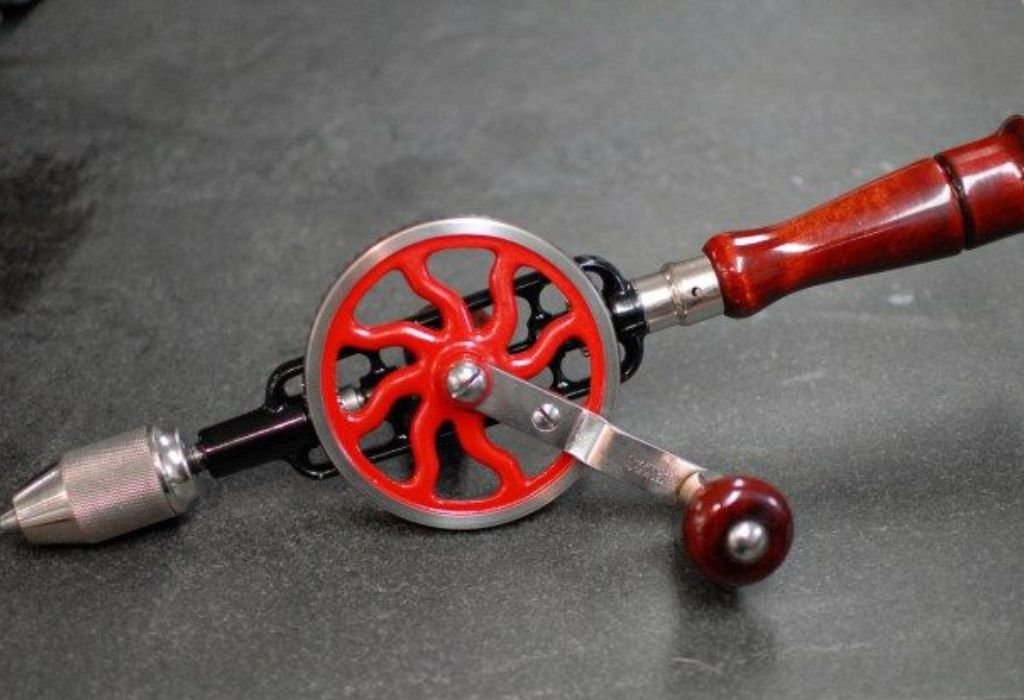
A manual hand drill is a non powered tool used to create small holes by rotating a drill bit through a geared mechanism. The user turns a crank which spins gears inside the tool to rotate the chuck and bit. This provides controlled drilling without electricity or high speed movement.
The primary purpose of a hand drill is to offer precise cutting in materials that may crack or splinter under fast drilling. Slow rotation allows the bit to remove material gently and predictably. This reduces the chance of mistakes during detailed work.
Hand drills are commonly used in woodworking crafts and model making. Their simplicity makes them ideal for classrooms and beginner learning environments. Unlike power tools they allow users to feel material resistance and adjust instantly.
Because the user controls speed manually the tool works safely even for younger or less experienced operators. There is no sudden torque or unexpected acceleration. This makes the hand drill one of the safest drilling tools available.
Manual drilling also eliminates the need for batteries or electrical outlets. This makes the tool useful in remote locations or outdoor projects. Its reliability comes from mechanical design rather than electrical components.
Understanding the purpose of a manual hand drill highlights why it remains relevant today. Speed is not always the priority when precision and care are required. The tool continues to offer advantages that powered drills cannot fully replace.
How a Manual Hand Drill Works Internally
A manual hand drill operates through a set of gears that convert hand motion into rotational movement. When the handle is turned the main gear rotates a smaller gear connected to the chuck. This increases rotation speed compared to direct hand twisting.
The chuck holds the drill bit securely and rotates in response to gear movement. As the user turns the crank the bit cuts small amounts of material with each rotation. Continuous motion creates a clean smooth hole over time.
Pressure must be applied gently to keep the bit advancing without binding. Too much force slows rotation and increases friction against the material. Proper technique involves steady speed and balanced downward pressure.
The internal gears are usually made of metal for durability and smooth operation. High quality models include dual pinions for faster rotation and improved control. Simpler versions may use a single gear system for lighter tasks.
Since the tool has no motor all movement depends on the user. This allows complete control over drilling speed at every moment. The result is consistent drilling that minimizes damage to delicate surfaces.
Understanding internal operation helps users avoid common mistakes like applying excessive force. Smooth steady cranking produces the best results and extends tool lifespan. Knowing how the mechanism works improves both safety and efficiency.
Does a manual hand drill use gears to increase speed?
Yes the crank drives a gear system that rotates the chuck faster than the handle turns.
Why does the drill not work if pushed too hard?
Too much pressure increases friction and prevents smooth rotation through the material.
Can a hand drill create clean holes like a power drill?
Yes when used correctly it produces clean precise holes especially in softer materials.
Do all hand drills use the same gear design?
No some use single pinion gears while others use dual pinion systems for faster rotation.
Is the rotation fully controlled by the user?
Yes the user controls speed at all times which improves safety and precision.
Different Types of Manual Hand Drills
Manual hand drills come in several designs that serve different purposes and skill levels. The most common type is the eggbeater drill which uses a crank and gear mechanism. This version is widely used in woodworking and small household tasks.
Breast drills are larger manual drills designed for heavier work. They include a padded plate that rests against the user’s chest to provide extra pressure. This allows deeper penetration in thicker or harder materials.
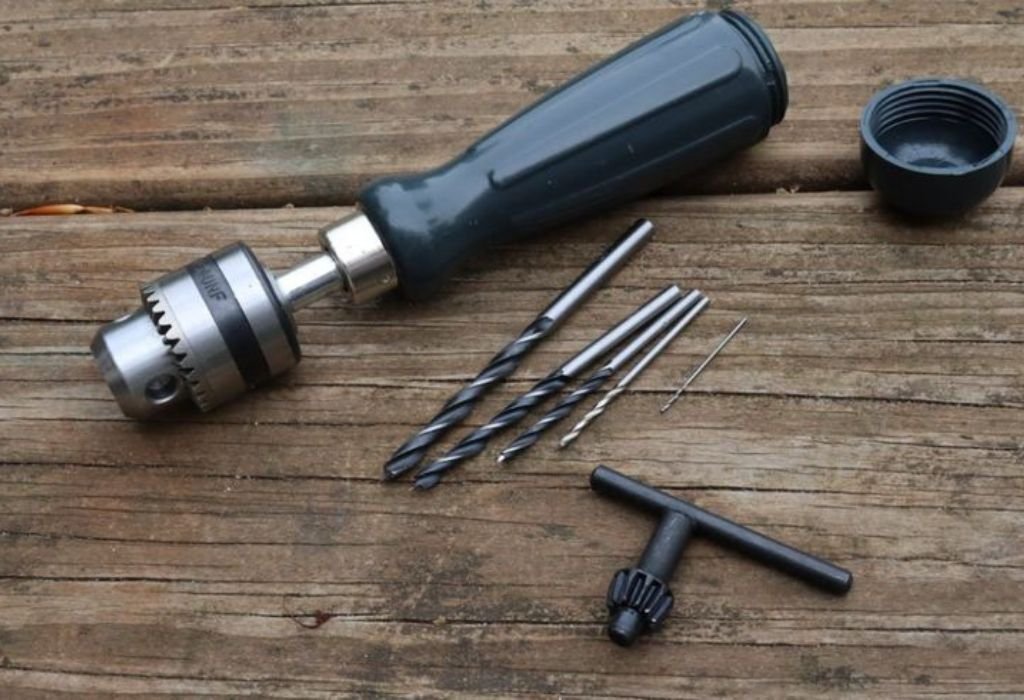
Push drills work differently because they do not use a rotating crank. Instead the user pushes the handle repeatedly which rotates the bit through an internal spiral mechanism. These are useful for small pilot holes and fast repetitive drilling.
Some vintage hand drills include multiple speed settings through interchangeable gears. These specialized versions offer more flexibility for craftsmen and restorers. Modern versions focus on simplicity and lightweight construction.
Miniature pin drills are used in jewelry making and model crafting. Their extremely small size allows precision work on fine materials. They are often operated using fingertips instead of full hand motion.
Each type offers unique advantages depending on material thickness and drilling requirements. Choosing the correct design improves efficiency and reduces physical strain. Understanding the differences helps match the tool to the project effectively.
Parts of a Manual Hand Drill and Their Functions
A manual hand drill contains several key components that work together during operation. The crank handle generates rotation and powers the internal gears. Smooth turning creates consistent motion for accurate drilling.
The main gear transfers rotation to the smaller pinion gear. This increases rotational speed and drives the chuck. Gear alignment ensures smooth operation without skipping or jamming.
The chuck holds the drill bit securely and centers it during rotation. Some chucks require a key while others adjust by hand. Proper tightening prevents slipping and maintains straight drilling.
The frame supports all components and provides structural stability. Metal frames offer durability while lighter materials reduce fatigue during extended use. The frame also includes a handle for grip and control.
A side handle allows the user to stabilize the drill with the opposite hand. This reduces wobbling and improves pressure control during drilling. Not all models include a side handle but it is common on higher quality versions.
Each part plays an essential role in producing smooth reliable drilling motion. Understanding component function helps with maintenance and troubleshooting. Proper care ensures long lasting performance and consistent results.
Materials Suitable for Manual Hand Drilling
Manual hand drills work best in softer materials that require gentle cutting action. Softwoods like pine cedar and spruce respond well to slow controlled drilling. The bit removes material cleanly without splintering or tearing.
Thin plastics also benefit from manual drilling because slow speed prevents melting. High rotation from power drills can generate heat that deforms plastic surfaces. A hand drill maintains cooler cutting conditions.
Soft metals such as aluminum and brass can be drilled carefully using sharp bits. Controlled movement prevents grabbing or distortion around the hole. Thin sheet metal requires backing support to avoid bending.
Manual drilling is useful for drywall where precision is more important than speed. It creates openings for small anchors or pilot holes without dust and noise. This helps in indoor or quiet environments.
Using a hand drill on hardwood is possible but requires patience and sharp bits. Hard dense material increases resistance and may require lubrication. Frequent clearing of chips ensures smoother progress.
Understanding material suitability prevents tool damage and improves hole quality. Matching the drill to the material ensures safe and predictable results. This knowledge guides proper tool selection for each task.
Advantages of Using a Manual Hand Drill
Manual hand drills offer superior control compared to powered drills. Slow rotation reduces the risk of tearing or splintering delicate surfaces. This makes them ideal for detailed woodworking and restoration.
They operate without electricity which increases portability. Users can work outdoors in remote areas or during power outages. This independence makes the tool practical for fieldwork and DIY repairs.
Manual drilling creates very little noise which benefits classrooms and shared spaces. Quiet operation supports learning and concentration without disruption. This feature makes the tool suitable for beginners and hobbyists.
Because the user controls speed and pressure manually the tool is safer for inexperienced operators. There is no sudden torque that can twist wrists or cause accidents. This reduces risk and increases confidence during use.
Hand drills require minimal maintenance due to simple construction. Occasional lubrication and cleaning protect gears and extend lifespan. With proper care a manual drill can last for decades.
Why is a manual hand drill safer than a power drill?
It rotates slowly and prevents sudden torque or unexpected movement during drilling.
Can a hand drill be used without electricity anywhere?
Yes it functions entirely through mechanical rotation making it fully portable.
Is a manual drill good for beginners?
Yes slow controlled drilling helps new users learn technique safely and confidently.
Does a hand drill work quietly?
Yes it produces minimal noise which is ideal for classrooms and shared environments.
Can a manual drill last a long time?
Yes simple construction and proper maintenance allow decades of reliable use.
Limitations and Challenges of Manual Hand Drills
Manual hand drills require physical effort which limits productivity. Extended drilling can cause fatigue especially in dense materials. This makes them less practical for repetitive large scale projects.
Slow rotation increases drilling time significantly. A hole that takes seconds with a power drill may take minutes by hand. Users must balance patience with the need for efficiency.
Manual drills cannot handle large diameter bits effectively. The torque required exceeds what can be provided by hand motion. Attempting large holes risks bit binding and tool damage.
Hardwoods and thick metals pose challenges due to high resistance. Drilling may stall unless significant downward pressure is applied. Even then progress remains slow compared to powered tools.
Chuck grip strength is lower than power drills especially for smooth shank bits. Slipping may occur if the bit is not secured properly. Regular tightening is needed during operation.
Understanding limitations helps users apply manual drills appropriately. The tool excels in specific applications rather than replacing powered options. Recognizing challenges improves safety and decision making.
Common Uses for Manual Hand Drills Today
Manual hand drills remain popular in woodworking where precision matters. Craftsmen use them for pilot holes joinery and fine adjustments in delicate surfaces. Their gentle action prevents splitting near edges and corners.
Restoration projects benefit from manual drilling because old materials may be fragile. Antique furniture and historical structures require careful handling. Power tools can cause irreversible damage in these situations.
Model builders and hobbyists rely on hand drills for detailed tasks. Small parts require slow controlled drilling to avoid cracking. Pin vise drills are often used for miniature work.
Manual drills are used in educational settings to teach tool safety and technique. Students learn material behavior without the risks of powered rotation. This builds foundational skills before advancing to power tools.
Outdoor enthusiasts use manual drills for field repairs and survival applications. With no need for electricity the tool works anywhere. Compact size makes it easy to carry in tool kits.
Understanding modern uses shows the tool remains relevant. Manual drilling continues to serve niches where accuracy and gentleness are essential. Its value lies in control rather than speed.
How to Use a Manual Hand Drill Properly
Begin by selecting a sharp drill bit appropriate for the material. Dull bits increase resistance and require more effort during drilling. Proper bit choice ensures smoother cutting and better control.
Secure the workpiece to prevent movement during drilling. Clamping improves accuracy and reduces risk of slipping. Stability is essential when using slower manual rotation.
Position the bit at the desired location and apply gentle downward pressure. Start cranking the handle smoothly to begin cutting. Allow the bit to establish a center before increasing speed.
Clear chips regularly by lifting the bit slightly during rotation. This prevents clogging and overheating especially in wood. Frequent clearing improves efficiency and preserves bit sharpness.
Maintain steady pace and avoid sudden force changes. Smooth consistent movement produces clean round holes. Patience is key when working manually.
Proper technique ensures clean results with minimal effort. Practicing correct motion helps improve skill and confidence. Over time users develop a natural feel for material resistance.
Should the workpiece be clamped before drilling?
Yes securing the material prevents slipping and improves drilling accuracy and safety.
Do sharp bits make manual drilling easier?
Yes sharp bits reduce resistance and require less force to penetrate the material smoothly.
How do I prevent clogging while drilling wood?
Lift the bit slightly to clear chips and allow smoother cutting during operation.
Should drilling be done quickly or slowly?
Slow steady rotation produces cleaner holes and reduces the chance of slipping or binding.
Can practice improve manual drilling technique?
Yes consistent use develops control and helps users understand material response.
Maintenance and Care for Manual Hand Drills
Regular cleaning prevents dust and debris from entering the gear mechanism. Wiping the tool after each use removes residue from wood and metal. Clean gears ensure smooth rotation and reduced wear.
Lubrication is essential for the internal gears and crank shaft. Applying light machine oil keeps movement effortless and prevents rust. Excess oil should be wiped away to avoid attracting dust.
Inspect the chuck periodically to ensure proper gripping. Worn jaws may fail to hold bits securely during drilling. Replacement may be necessary if slippage becomes frequent.
Store the drill in a dry environment to protect metal components. Moisture can cause corrosion and stiff gears over time. Using a protective case increases tool lifespan.
Avoid dropping the drill or applying excessive side pressure. Impacts can bend gears or misalign internal components. Gentle handling preserves functionality for long term use.
Proper maintenance ensures consistent performance and reliability. Caring for the tool prevents breakdowns and protects investment. A well maintained hand drill can serve multiple generations.
Conclusion
A manual hand drill is a simple yet highly effective tool designed for precise controlled drilling without electricity.
Its gear driven mechanism allows the user to rotate the bit slowly and safely through wood metal and plastic. Unlike power drills it emphasizes accuracy over speed and provides unmatched feedback during use.
The hand drill remains valuable in woodworking restoration education and hobby work where delicate surfaces require gentle treatment.
Its limitations in speed and torque do not diminish its usefulness in specialized tasks. Proper technique and maintenance ensure long lasting performance and safe operation.
Understanding what a manual hand drill is helps users choose the right tool for the right job. When patience and precision matter the manual hand drill continues to outperform powered tools in control and sensitivity. Its timeless design proves that even simple equipment can remain essential for generations.

I’m John F. Nicholas, the founder, lead writer, and drill enthusiast behind 101drill.com. With years of hands-on experience in power tools and DIY projects, I created this platform to share practical knowledge, expert tips, and real-world insights to help others master the art of drilling.