
Imran picked up his first hand drill when helping his uncle build a small wooden cabinet and was surprised that such a simple tool could create perfectly round holes with nothing more than hand power. He turned the crank and watched the drill bit spin smoothly even without electricity.
The experience made him curious about how a hand drill works internally and why rotation is strong enough to cut through wood and metal with controlled precision.
Many people use hand drills for woodworking or DIY tasks without understanding the mechanical principle behind their operation. The tool looks simple from the outside but relies on gears bearings and rotational conversion to generate enough torque for drilling.
Learning how the mechanism works helps users handle the tool safely and achieve cleaner drilling results.
Understanding the working principle of a hand drill also helps diagnose problems such as slipping gears dull bits or uneven rotation.
When users know what happens inside the tool they become more confident and avoid forcing the drill beyond its limits. With proper knowledge a hand drill becomes more efficient reliable and easier to maintain over time.
What a Hand Drill Is and Its Purpose in Manual Drilling
A hand drill is a manually powered tool designed to create holes by rotating a drill bit using human force.
Unlike electric drills it does not rely on a motor but uses gear driven movement to spin the bit. This makes it useful in locations without power and for tasks requiring precise control.
The main purpose of a hand drill is to provide rotational motion that can cut through material gradually. Woodworkers and craftsmen use it for delicate surfaces where high speed might cause splitting. Its slow controlled rotation helps avoid damage and improves accuracy.
Hand drills are commonly used in carpentry metal marking and hobby work. Their lightweight design allows easy handling in tight spaces and awkward angles. This flexibility makes them valuable even in modern workshops.
The tool is also popular for educational purposes. Students learn mechanical principles through visible gear action and manual effort. This helps build basic engineering understanding.
Hand drills provide safety advantages because they operate at lower speeds. Reduced rotation minimizes kickback and bit breakage. Beginners can learn drilling technique without high risk.
Understanding what a hand drill is helps clarify why it remains relevant despite power tools. Its simplicity durability and precision make it reliable for many controlled applications. Knowing its purpose improves decision making when selecting the right drilling tool.
Basic Working Principle of a Hand Drill
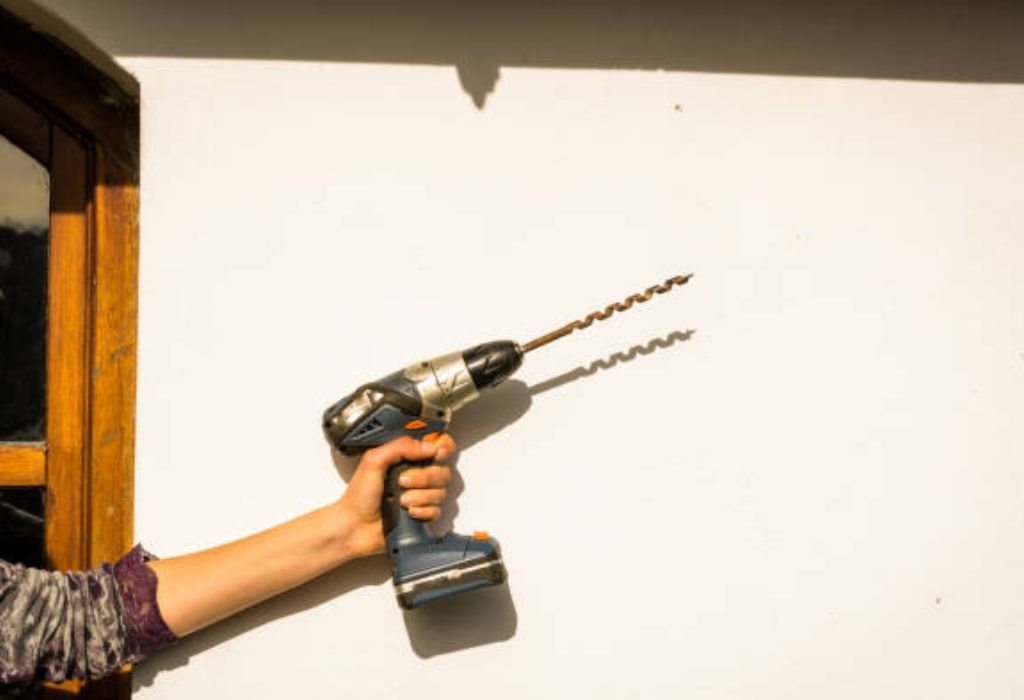
The working principle of a hand drill is based on converting manual input into rotational output. When the user turns the handle or crank the movement transfers through gears inside the drill body. These gears increase rotational speed so the bit spins faster than the crank itself.
The rotational motion allows the drill bit to cut into material. As the bit turns its edges shave away small particles in a circular pattern. Continuous rotation deepens the hole gradually while maintaining shape.
A hand drill relies on pressure combined with rotation. The user pushes gently toward the material while turning the handle. Without forward pressure the bit cannot engage and will only spin on the surface.
The mechanism depends on friction between the jaws of the chuck and the bit shank. The chuck holds the bit securely and ensures rotation transfers directly. If the bit slips drilling efficiency decreases.
The working principle requires balance between speed and force. Turning too slowly may stall the bit while excessive pressure can bend or break it. Smooth consistent motion produces clean and controlled drilling.
Understanding the working principle helps users operate the tool correctly. It also allows better troubleshooting when performance decreases. Proper technique ensures longer tool life and safer operation.
Main Components of a Hand Drill and Their Functions
The chuck is the front component that grips the drill bit. It uses adjustable jaws to clamp the bit firmly. Without a secure chuck the bit would not rotate effectively.
The handle or crank provides manual input. Users rotate it to generate motion which the gears multiply. Comfortable handle design reduces fatigue during continuous drilling.
The gear mechanism sits inside the drill body. It consists of a drive gear and pinion gear that increase rotational speed. This gear ratio enables faster bit spinning with minimal effort.
The frame or body houses internal components. It keeps the gears aligned and protected from external impact. A rigid body ensures smooth and consistent operation.
The side handle improves stability and control. Applying forward pressure becomes easier with both hands. This helps maintain drilling accuracy.
Each component plays a specific role in transferring force efficiently. Understanding functions helps with maintenance and replacement decisions. Proper care ensures long lasting performance of the tool.
How the Gear Mechanism Multiplies Speed and Torque
A hand drill uses a gear ratio to transform slow input into faster output. The crank rotates a large gear connected to a smaller pinion gear. When the large gear turns the small gear spins multiple times faster.
This multiplication increases rotational speed without requiring extra physical force. The user turns the handle comfortably while the bit rotates rapidly. This allows drilling through material more efficiently.
Torque decreases as speed increases due to mechanical tradeoff. High torque is necessary to start the hole and maintain cutting. Proper balance ensures smooth drilling without stalling.
The gears must remain properly aligned for efficient transmission. Misalignment causes uneven rotation and grinding. Regular lubrication keeps the gears moving freely.
Gear teeth shape influences performance. Precision cut gears reduce noise and increase efficiency. Worn or damaged gears result in slipping and reduced power.
Understanding how gear systems multiply speed explains why hand drills can drill effectively with minimal effort. Proper gear function ensures smooth consistent output. This principle is essential for reliable manual drilling.
How Rotation Converts to Cutting Action at the Drill Bit
The drill bit rotates against the material surface creating a cutting action. Its sharp edges remove small chips as it turns. Continuous rotation deepens the hole gradually with clean sides.
The spiral flutes on the bit help remove debris from the hole. As the bit spins chips travel upward and exit through the flutes. This prevents clogging and overheating during drilling.
Forward pressure keeps the bit engaged with the material. Without pressure the bit cannot penetrate and only polishes the surface. Proper force ensures steady progress.
Different materials require different speeds and bit types. Hardwood and metal need slower rotation and sharper bits. Soft materials allow faster turning with less resistance.
Friction generates heat during drilling. Excess heat dulls the bit and reduces cutting efficiency. Allowing rest time prevents overheating and improves tool lifespan.
Understanding how rotation becomes cutting helps users choose correct technique. It prevents damage and improves hole quality. Proper operation ensures safe and effective drilling.
Types of Hand Drills and Their Working Differences
Traditional manual hand drills use a side crank to generate rotation. They rely entirely on gears and manual force. These drills provide slow steady motion suitable for delicate tasks.
Breast drills include a plate for applying chest pressure. This increases forward force without extra hand strength. The design helps drill into harder materials with better control.
Eggbeater drills use lightweight gearing and a small crank. They are common in woodworking and hobby applications. Their compact size allows precise drilling of small holes.
Brace drills operate using a U shaped handle that turns in a circular motion. They generate high torque for large diameter bits. The ratchet mechanism allows use in tight spaces.
Each type uses the same working principle of rotational conversion. Differences lie in torque output speed and user force requirement. Selecting the right type depends on material and task.
Understanding variations helps users choose the most efficient tool. Matching drill type improves performance and safety. Knowledge of differences enhances overall drilling success.
How Torque Transfer Works Inside a Hand Drill
Torque transfer begins when the user applies rotational force to the crank. This force moves into the large drive gear which distributes motion to the smaller pinion gear. The reduction in gear size increases rotational speed and delivers torque to the chuck.
The gears must remain engaged smoothly for efficient torque delivery. Any slipping or wear reduces transmitted power. Proper lubrication keeps gear teeth running without resistance.
Torque depends on how steadily the crank is turned. Uneven input creates vibration and inconsistent drilling. Smooth motion helps maintain controlled cutting.
Initial torque is highest at the start of drilling. The bit must penetrate the surface before rotation stabilizes. Applying too much pressure may stall the drill or damage the bit.
Material hardness affects required torque. Softer materials need less force while hardwood or metal require firmer control. Matching bit type to torque demands improves performance.
Understanding torque transfer helps users avoid forcing the drill. Balanced technique prevents tool strain and improves hole quality. Proper handling ensures safe and efficient operation.
How Forward Pressure and Feed Rate Affect Drilling
Forward pressure keeps the drill bit engaged with the material. Without pressure the bit spins without cutting and causes surface burnishing. Proper balance between pushing and rotating ensures smooth drilling.
Feed rate refers to how quickly the bit advances into the material. Slow steady feed prevents bit binding and overheating. Excessive feed causes the bit to jam or break.
Hand drills allow precise control of pressure. This makes them useful for delicate surfaces where power drills may split the material. Controlled feed reduces risk during start and exit of the hole.
Too much pressure increases torque load on the gears. This strains internal components and reduces drilling efficiency. Light consistent force protects both drill and bit.
Different materials require different feed rates. Softwood allows faster progress while hardwood needs slower entry. Metal demands lubrication and very slow feed for clean cutting.
Understanding feed rate prevents damage and improves accuracy. Proper technique ensures clean holes and longer tool life. Balanced pressure supports safe and consistent drilling.
How the Chuck Holds and Centers the Drill Bit
The chuck contains three jaws that move symmetrically toward the center. When tightened they clamp the bit evenly to maintain alignment. Proper centering ensures the bit rotates without wobbling.
Hand drills typically use keyed chucks for stronger grip. The key allows precise tightening to prevent slipping under load. Secure holding improves cutting efficiency.
Jaw surfaces must remain clean for effective contact. Dirt or wear reduces friction and causes the bit to shift. Regular inspection maintains reliable gripping performance.
The chuck also controls bit runout. Even slight misalignment affects hole accuracy. Fine adjustments ensure smooth and straight drilling.
Different bits require appropriate tightening. Round shank bits need extra attention to prevent spinning. Hex shank bits offer improved stability during rotation.
Understanding chuck function ensures secure bit handling. Proper tightening prevents slippage and reduces safety risks. Maintaining the chuck preserves long term tool performance.
How Hand Drills Control Speed Without Electricity
Hand drills rely entirely on user input for speed control. Faster cranking increases rotation while slower movement reduces output. This allows precise adjustment without mechanical regulators.
Speed depends on gear ratio and handle length. Higher ratios produce faster bit rotation with minimal effort. Longer handles provide more leverage for controlled turning.
Manual speed control prevents overheating. Low speed generates less friction and reduces bit dulling. This benefits drilling in sensitive materials.
Users can pause instantly to clear chips or adjust angle. Electric drills continue spinning briefly after trigger release. Manual stopping improves safety and accuracy.
Speed variation helps start holes cleanly. Beginning slowly prevents wandering of the bit. Gradual acceleration deepens the hole smoothly.
Understanding manual speed control improves drilling outcomes. Controlled pacing produces cleaner results with less strain. Hand drills offer precision that power tools may not match.
Why Hand Drills Are Still Used in Modern Applications
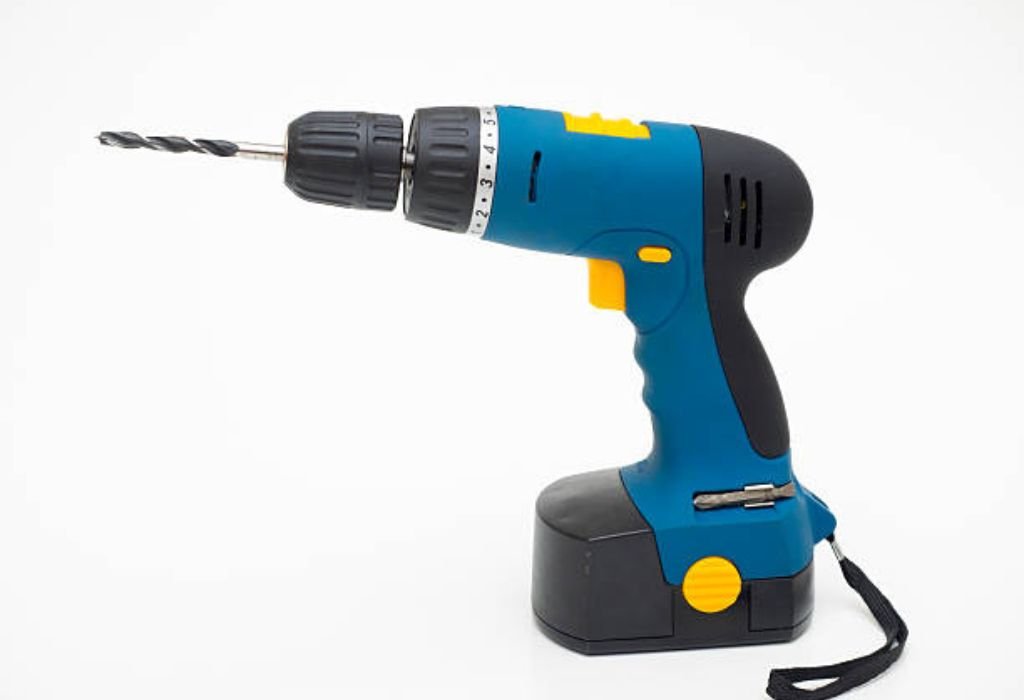
Hand drills remain valuable in environments without electricity. Remote locations and field work benefit from manual operation. Their independence makes them reliable during outages.
Woodworkers use hand drills for delicate surfaces. Slow controlled speed prevents splitting and tear out. Fine cabinetry often requires hand powered drilling.
Hobbyists and model makers rely on precision. Small holes in plastic or thin metal require gentle cutting. Hand drills offer accuracy without excessive force.
Educational programs use hand drills to demonstrate mechanical principles. Students learn gear ratios and torque through visible movement. This builds foundational engineering understanding.
Hand drills also serve as backup tools in workshops. When power tools fail manual drills allow work to continue temporarily. Their durability ensures long service life.
Understanding continued usage shows their relevance today. Hand drills provide control safety and versatility. Their simplicity keeps them useful across generations.
Maintenance Practices to Keep a Hand Drill Working Smoothly
Regular cleaning prevents dust and debris from entering the gears. Wiping the exterior and blowing internal areas keeps movement smooth. This reduces long term wear.
Lubricating the gears ensures consistent rotation. A small amount of light oil prevents friction buildup. Excess lubrication should be avoided to prevent dirt accumulation.
Inspecting the chuck ensures secure bit holding. Worn jaws should be replaced to maintain alignment. Proper tightening reduces the risk of slippage.
Check for loose screws and frame connections. Tightening hardware keeps internal components aligned. Misalignment affects rotation and tool performance.
Store the drill in a dry environment. Moisture causes rust which weakens metal components. Protective cases extend lifespan.
Routine maintenance supports efficient and safe operation. Proper care preserves smooth gear action and reliable handling. This keeps the hand drill functional for many years.
Helpful FAQs for Understanding Manual Drilling
What is the basic working principle of a hand drill?
It converts manual rotational input into faster rotational output using gears to spin the drill bit for cutting.
Does a hand drill need electricity to operate?
No it uses human power through a crank or handle and does not require any electrical source.
How does the gear mechanism increase speed?
A large gear drives a smaller pinion which multiplies rotational speed while reducing required effort.
Why does a hand drill need forward pressure?
Forward pressure keeps the bit engaged with the material so cutting can occur instead of surface spinning.
Can a hand drill drill through metal?
Yes with the correct bit slow feed rate and proper lubrication it can drill thin metal effectively.
Why does the bit sometimes slip in the chuck?
Loose tightening worn jaws or smooth shank bits may cause slipping and require readjustment.
Is a hand drill safer than a power drill?
Yes lower speed reduces kickback and makes it easier to control especially for beginners.
How do I maintain smooth rotation in a hand drill?
Regular cleaning lubrication and checking gear alignment keep operation smooth and consistent.
Can a hand drill create perfectly straight holes?
Yes when used with proper technique steady pressure and correct bit alignment the results can be accurate.
How often should a hand drill be serviced?
Basic cleaning after regular use and periodic lubrication ensure long term dependable performance.
Conclusion
The working principle of a hand drill relies on converting manual rotational force into faster controlled motion through a simple but effective gear system. This allows the drill bit to cut material gradually with precision and reduced risk compared to high speed power drills.
Understanding how torque transfer pressure and bit engagement work helps users operate the tool more efficiently.
Hand drills continue to hold value in modern workshops because they provide accuracy safety and independence from electricity.
Proper maintenance of gears chuck and moving parts ensures smooth performance and long lasting reliability. Knowing how the mechanism functions also helps diagnose common issues and prevent tool damage.
With the right technique a hand drill can perform clean drilling in wood metal and other materials while offering greater control than powered alternatives. Learning its working principle builds confidence and improves overall drilling skill.
The simplicity and durability of a hand drill make it an essential tool for both beginners and experienced craftsmen.

I’m John F. Nicholas, the founder, lead writer, and drill enthusiast behind 101drill.com. With years of hands-on experience in power tools and DIY projects, I created this platform to share practical knowledge, expert tips, and real-world insights to help others master the art of drilling.