
Before power tools became common, every hole in wood or metal began with a hand-cranked drill.
Craftsmen relied on steady motion and patience to create clean openings without electricity or high speed rotation. Even today, hand drills remain useful in situations where precision matters more than power.
Power drills changed the way people work by delivering fast rotation through an electric motor. With the pull of a trigger, a hole that once took minutes can now be completed in seconds.
Their speed and strength make them essential for construction, home improvement, and professional trades.
Understanding the difference between a hand drill vs power drill helps users choose the right tool instead of assuming one replaces the other.
Each offers unique benefits depending on material, control, speed, and the level of force required. Knowing when to rely on manual precision or powered efficiency leads to safer, cleaner, and more accurate drilling results.
What a Hand Drill Is and How It Works
A hand drill is a manually operated tool that creates holes using a rotating crank mechanism. The user turns the handle which spins a set of gears connected to the drill bit. This allows slow controlled drilling without electricity or battery power.
Hand drills provide excellent precision because speed is controlled entirely by the user. Small adjustments prevent slipping and reduce the chance of damaging delicate materials. This makes them ideal for woodworking, hobby projects, and fine craftsmanship.
The tool works best with smaller drill bits that require less torque to penetrate material. Larger bits are difficult to power manually and may stall or bind. Understanding limitations ensures smooth and safe operation.
Modern hand drills are lightweight and simple to maintain compared to powered tools. They contain few internal components and require only occasional lubrication. Storage is easy because they are compact and durable.
Hand drills are most useful in environments without electricity or where noise must be minimized. Their quiet operation suits classrooms, workshops, and restoration work. Choosing a hand drill supports accuracy over speed and precision over force.
What a Power Drill Is and How It Works
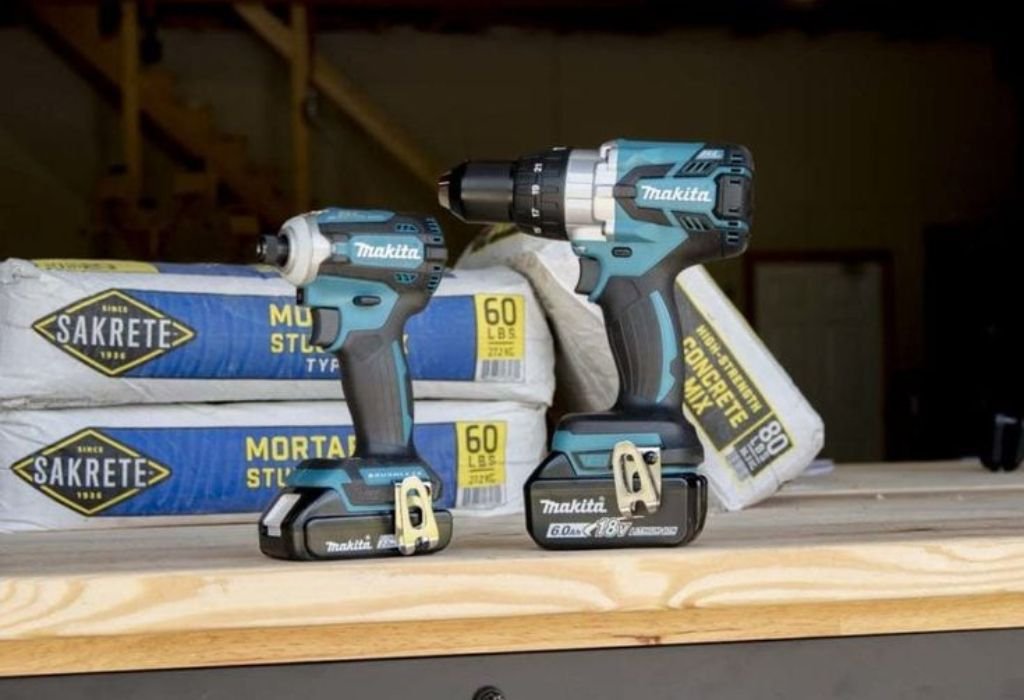
A power drill uses an electric motor to rotate the drill bit at high speed. When the user presses the trigger, electrical energy converts into rotational force. This allows fast drilling through wood, metal, plastic, and other dense materials.
Power drills are available as corded and cordless versions depending on mobility needs. Corded drills provide continuous power without battery limitations. Cordless drills offer flexibility and portability for outdoor or remote tasks.
Most power drills include adjustable speed settings to match material requirements. Higher speeds work for wood while lower speeds improve control in metal. Variable triggers allow smooth acceleration and greater precision.
Torque delivery is significantly higher than manual drilling. This enables the use of larger bits and attachments such as hole saws and spade bits. Power drills can also drive screws when paired with the correct bit.
Different models include hammer functions for drilling into masonry. Impact features create forward striking force to break through harder surfaces. This expands the range of tasks beyond what hand drills can achieve.
How does a power drill generate rotation?
An electric motor converts electrical energy into rotational movement when the trigger is pressed.
Are power drills only available with cords?
No cordless versions use rechargeable batteries for portable drilling without power outlets.
Why do power drills have variable speeds?
Different materials require different rotation speeds to prevent burning slipping or bit damage.
Can a power drill drive screws as well as drill holes?
Yes with the correct bit and torque setting power drills can fasten screws efficiently.
Do power drills work on concrete or brick?
Yes hammer drill models add impact force for drilling into masonry and harder surfaces.
Key Mechanical Differences Between Hand and Power Drills
The most significant mechanical difference is the power source used to spin the drill bit. Hand drills rely on manual cranking while power drills use an electric motor. This affects both speed and available torque during operation.
Hand drills generate lower rotational speeds because movement depends on human effort. Power drills reach thousands of revolutions per minute which increases drilling efficiency. This makes power drills suitable for dense or thick materials.
Torque output differs greatly between the two tools. Manual torque is limited by arm strength and gear leverage. Powered torque is controlled electronically and can be increased for heavy duty tasks.
Internal components vary based on design and purpose. Hand drills use simple gear systems with minimal moving parts. Power drills contain motors, clutches, triggers, and sometimes impact mechanisms.
Efficiency favors power drills because they complete tasks quickly and with less physical effort. Hand drills require patience and user strength but offer superior feedback and control. Understanding these differences helps select the right tool for the job.
Difference in Speed, Control, and Precision
Speed varies greatly between hand drills and power drills. Hand drills rotate slowly because motion depends on user rhythm rather than motor output. Power drills achieve high speeds instantly and maintain consistent rotation.
Control is easier with a hand drill because movement occurs gradually. Users can adjust pressure and direction without sudden force. Power drills require careful handling to avoid slipping especially at high speed.
Precision favors hand drills when working with delicate materials. Lower speed reduces the chance of cracking thin wood or plastic. High powered rotation may cause damage if the drill bit bites too aggressively.
Speed affects material response during drilling. Fast rotation clears material quickly but produces more heat. Slow movement removes material gently and prevents burning or melting.
Safety considerations differ depending on the amount of force involved. Power drills can cause injury if the bit binds or catches unexpectedly. Hand drills provide safer operation due to slower controlled motion.
Materials Each Drill Type Is Best Suited For
Hand drills work best in softwood, thin plastics, and soft metals. Their slower speed prevents cracking or splintering delicate surfaces. They are commonly used for pilot holes, crafting, and fine woodworking.
Power drills handle hardwoods, steel, masonry, and dense materials. Increased torque allows the bit to penetrate without stalling. Specialized bits expand the range of possible applications safely.
Thin sheet metal benefits from manual drilling to prevent tearing. Power drills may deform softer metals unless controlled carefully. Hand drills maintain cleaner edges and reduced distortion.
Large diameter holes require motorized force for clean cutting. Power drills support hole saws and spade bits that manual drills cannot drive effectively. This makes them essential for construction and remodeling tasks.
Can a hand drill be used on metal?
Yes it works on thin soft metals where slow controlled drilling prevents tearing or heat buildup.
Is a power drill necessary for hardwood?
Yes dense wood requires higher torque and speed that only a power drill can provide.
Can hand drills make large holes?
No manual torque is not sufficient for large diameter drilling and may stall or bind the bit.
Are power drills safe for delicate materials?
Only when used at low speed with gentle pressure and proper bit selection.
Which drill is better for plastics?
A hand drill offers better control and reduces melting or cracking during drilling.
Advantages of Using a Hand Drill
Hand drills provide excellent control because the user sets the speed manually. Slow rotation prevents the bit from grabbing too quickly and damaging fragile surfaces. This makes the tool ideal for detailed or precise woodworking.
They do not require electricity which makes them useful in remote or off grid locations. Schools and hobby workshops also benefit from the quiet operation. No motor noise allows better focus and safer learning environments.
Hand drills offer safer performance for beginners and younger users. The slower speed reduces the chance of sudden kickback or bit binding. This minimizes injury risk during early skill development.
Maintenance needs are minimal since hand drills have fewer internal components. Occasional lubrication keeps the gears moving smoothly. Their simple construction ensures long term durability even with frequent use.
Hand drills work well for pilot holes and small diameter drilling. The gentle cutting action reduces the chance of splitting thin wood. This helps achieve clean results without sanding or repair.
Using a hand drill encourages accuracy and craftsmanship. The user feels the material response through the handle and adjusts pressure instantly. This level of feedback is not possible with high speed motor driven tools.
Advantages of Using a Power Drill
Power drills complete tasks much faster than manual drilling. High speed rotation removes material quickly and efficiently. This reduces working time on construction or renovation projects.
They offer much higher torque which allows drilling into dense materials. Steel wood and masonry can be penetrated without excessive force. This expands capabilities far beyond what hand drills can achieve.
Power drills accept a wide variety of attachments beyond drill bits. Screwdriver bits sanding drums and hole saws increase tool versatility. One tool can perform multiple functions during a single project.
Cordless models provide mobility without limiting power. Rechargeable batteries allow use outdoors and away from outlets. Advanced battery systems maintain consistent performance throughout the charge cycle.
Variable speed triggers improve control during drilling. Users can start slowly and increase rotation smoothly based on material resistance. This prevents bit wandering and improves hole accuracy.
Power drills reduce physical effort especially during repetitive tasks. The motor performs the work instead of relying on arm strength. This prevents fatigue and improves productivity over long sessions.
Limitations and Risks of Each Drill Type
Hand drills require continuous physical effort from the user. Extended drilling can cause fatigue especially in dense materials. This limits their practicality for large or repetitive projects.
Manual drilling generates lower torque which may cause the bit to stall. Binding can occur when drilling deeper holes in hardwood. Users must apply steady pressure to maintain smooth rotation.
Power drills carry a higher risk of sudden kickback. If the bit catches unexpectedly the motor continues applying force. This can lead to wrist strain or loss of control during operation.
High speed rotation may damage delicate materials. Thin plastic can melt and soft wood may splinter under aggressive drilling. Proper speed settings are necessary to avoid surface defects.
Power drills generate heat during continuous use. Excess heat can burn wood or dull metal drill bits. Allowing pauses prevents overheating and extends tool lifespan.
Understanding limitations helps users select the correct drill for each task. Proper handling reduces risk and improves working results. Knowledge prevents misuse and unnecessary tool damage.
Choosing the Right Drill for Your Project
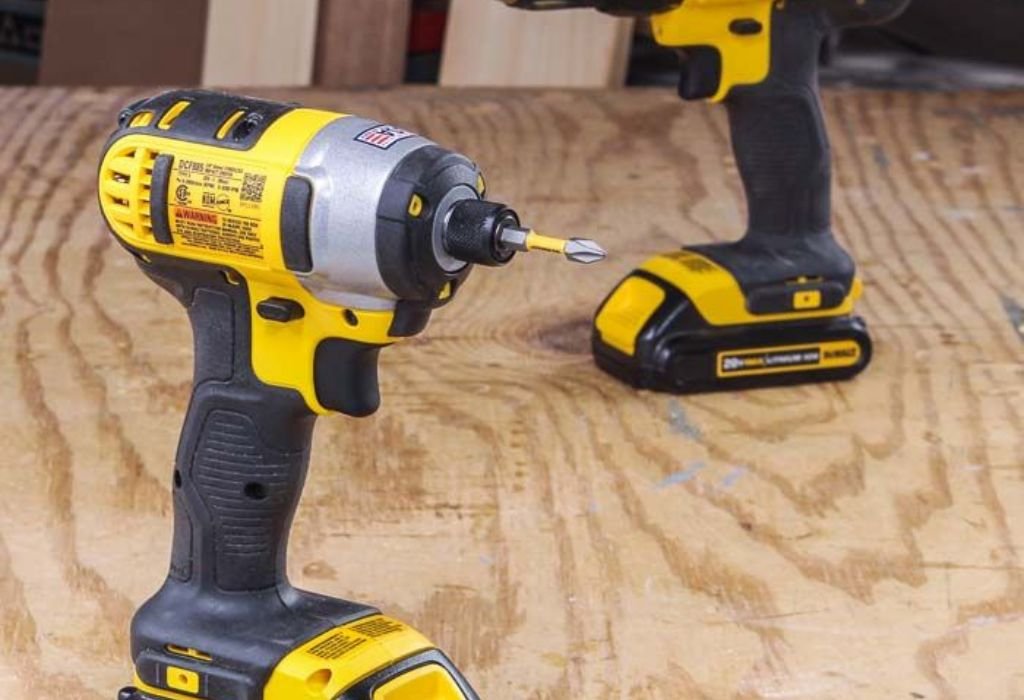
Project requirements determine whether a hand drill or power drill is the better choice. Precision focused work benefits from manual speed control. High output tasks require powered rotation to save time and effort.
Material type influences tool selection. Softwood and thin plastics are easier to drill using a hand drill. Dense hardwood or metal needs a power drill for consistent penetration.
Hole size plays a major role when choosing tools. Small diameter pilot holes can be managed manually. Large diameter cutting requires motor driven force to avoid stalling.
Frequency of use also affects decision making. Occasional hobby work may not justify a power drill purchase. Regular construction projects demand the speed and strength of powered tools.
Portability and environment matter for outdoor work. Areas without electricity favor cordless power drills over hand drills. Indoor quiet spaces may benefit from manual operation instead.
Evaluating these factors ensures better results and safer operation. The right drill increases efficiency and prevents mistakes. Matching tool capabilities to the project improves overall performance.
Maintenance Tips for Hand Drills and Power Drills
Hand drills require occasional lubrication on the internal gears. Light oil keeps movement smooth and prevents friction wear. Wiping away residue prevents dust buildup inside the mechanism.
Storing hand drills in dry locations prevents rust formation. Metal components can corrode when exposed to humidity. Protective cases help extend tool lifespan.
Power drills benefit from regular inspection of the chuck and trigger. Dust and debris can interfere with moving parts. Cleaning ensures consistent performance during operation.
Battery care is essential for cordless power drills. Charging only when needed preserves battery health over time. Avoiding extreme temperatures prevents cell degradation.
Power drill vents should remain free of dust to prevent overheating. Compressed air helps remove trapped particles from cooling paths. Proper ventilation extends motor life significantly.
Should hand drills be lubricated regularly?
Yes occasional lubrication keeps the gears turning smoothly and prevents internal wear.
Do power drills need cleaning after every use?
Cleaning after heavy or dusty work prevents debris from affecting the chuck and vents.
How do I protect a cordless drill battery?
Avoid overcharging and extreme temperatures to maintain long term battery performance.
Can humidity damage both drill types?
Yes moisture causes corrosion and reduces tool reliability over time.
Should the chuck be inspected routinely?
Yes regular inspection prevents slipping and ensures safe drilling performance.
Conclusion
Understanding the difference between a hand drill and a power drill helps users make better tool choices based on control speed and material requirements.
Hand drills offer precision quiet operation and safety during delicate work. Power drills deliver speed torque and versatility for demanding tasks and larger projects.
Each tool has advantages and limitations depending on the situation. Manual drilling requires more effort but provides greater feedback and accuracy. Powered drilling increases efficiency but requires careful handling to prevent slipping or kickback.
Choosing the right drill improves work quality and reduces the chance of mistakes or material damage. Proper maintenance keeps both tools reliable and safe for long term use. With the correct selection every drilling task becomes easier smoother and more effective.

I’m John F. Nicholas, the founder, lead writer, and drill enthusiast behind 101drill.com. With years of hands-on experience in power tools and DIY projects, I created this platform to share practical knowledge, expert tips, and real-world insights to help others master the art of drilling.