
Picture a busy construction site early in the morning — the rhythmic thud of hammer drills echoes through the air, dust clouds swirl, and sparks flash as metal meets stone. At the heart of all this controlled chaos lies one small but mighty tool: the masonry drill bit.
From foundation work to electrical conduit installation, masonry drill bits are the unsung heroes of modern construction. They’re the reason bolts stay anchored in concrete, fixtures hold fast in brick walls, and rebar sits securely in reinforced slabs.
A masonry drill bit is not just another piece of steel. It’s a precisely engineered tool designed to crush, carve, and cut through some of the toughest materials on earth — brick, stone, and concrete. Without it, most modern construction would quite literally fall apart.
In this guide, we’ll uncover what masonry drill bits are used for in construction, how they work, the materials they can handle, their types, and the safest ways to use them.
We’ll also explore the most common mistakes, selection tips, and maintenance practices that professionals follow to keep them sharp and efficient.
What is a masonry drill bit used for in construction?
It’s used to drill holes in hard materials like concrete, brick, and stone to install anchors, rebar, bolts, and fixtures.
Are masonry bits essential for every builder?
Yes. Any work involving concrete or brick requires masonry bits for clean, strong holes.
Can I use normal drill bits for concrete?
No. Regular bits will dull instantly or break on masonry surfaces.
Why are they important for structure safety?
They create accurate holes for anchors and supports, ensuring fixtures stay securely attached.
Do all construction drills use masonry bits?
No, only hammer drills or rotary hammers are designed to handle masonry bits effectively.
What Exactly Is a Masonry Drill Bit?
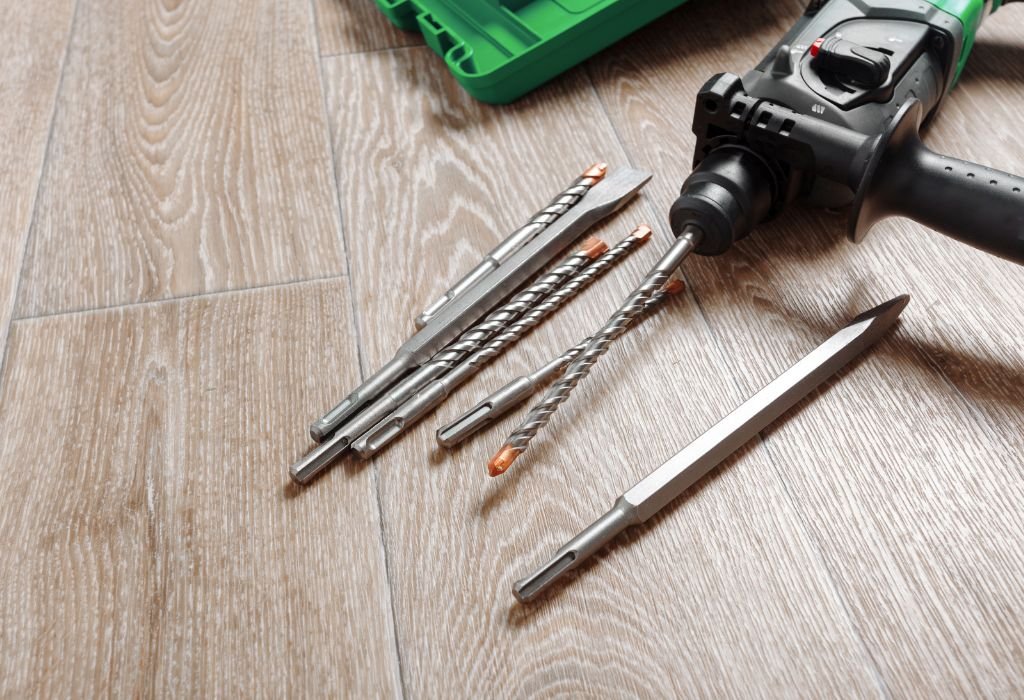
A masonry drill bit is a specially designed tool made to pierce through hard, brittle materials that regular drill bits can’t handle. It looks similar to a wood or metal bit, but its tip and geometry are entirely different.
The cutting edge of a masonry bit is made of tungsten carbide, one of the hardest materials known. This tip is brazed or welded to a steel shaft that carries spiral grooves known as flutes.
These flutes have a vital role — they remove dust and debris generated during drilling, preventing clogging and heat buildup.
What makes masonry bits unique is their working principle. Unlike metal bits that cut and slice, masonry bits crush and grind the surface.
The hammering motion of the drill combined with the bit’s rotation creates micro-fractures in the material, which the flutes then clear out, allowing the bit to penetrate deeper.
Masonry bits are built for hammer drills and rotary hammers. The constant impact and rotation make them ideal for drilling holes in concrete walls, laying foundation anchors, installing piping, or mounting heavy fixtures.
They come in different lengths, diameters, and types depending on the construction task. From drilling shallow holes for wall plugs to boring deep anchors into rebar-heavy slabs, masonry bits are indispensable tools on any job site.
In short, a masonry bit is the powerhouse of the construction toolbox — designed for precision, durability, and sheer force.
What is the tip of a masonry drill bit made from?
Usually tungsten carbide, which resists heat and maintains sharpness longer than steel.
Can masonry bits be used in any drill?
They perform best in hammer drills that combine spinning with pounding motion.
Why do masonry bits have spiral grooves?
The grooves help remove debris and reduce friction during drilling.
Are masonry bits interchangeable with metal bits?
No, each bit is designed for specific materials — metal bits slice, masonry bits crush.
How long can a masonry bit last?
A good-quality bit can last through hundreds of holes if cooled and cleaned properly.
How Masonry Drill Bits Work
Masonry drill bits operate on a unique mechanical principle — a combination of rotation and impact. The bit doesn’t just spin like a wood or metal drill bit; it also repeatedly strikes the surface with high force.
When the bit’s carbide tip hits the masonry, it crushes micro-sections of the surface into dust. The hammering motion of the drill ensures the tip continues breaking small particles, while the bit’s flutes carry that dust out.
This dual action — hammering and spinning — gives masonry bits the power to penetrate concrete, brick, and stone efficiently.
In simpler terms, think of the bit as a jackhammer in miniature form. Each blow weakens the surface while the rotation clears the debris. Over time, the bit slowly “chews” its way through, creating a precise hole of the required diameter.
Because this process involves high friction, heat management is crucial. Overheating dulls the carbide tip and can warp the bit. That’s why professionals always drill in short bursts and avoid pressing too hard — letting the drill and bit do the work.
This combination of material strength, tip design, and mechanical movement is what makes masonry bits irreplaceable in the construction industry. They convert raw mechanical power into smooth, controlled penetration through surfaces that would destroy ordinary bits.
Do masonry bits cut or crush material?
They crush it. The carbide tip grinds away at the surface through repeated impact.
Why do you need a hammer drill for masonry bits?
The hammer motion delivers the force needed to break down dense materials.
What happens if I use a masonry bit without hammer mode?
The bit will overheat quickly, struggle to penetrate, and dull much faster.
Can I cool a bit with water while drilling?
Yes, occasional water cooling helps reduce friction and extend bit life.
What speed should I use for drilling concrete?
Low to medium speed is best — high RPMs generate excessive heat and wear.
Types of Masonry Drill Bits Used in Construction
Construction projects require different types of masonry bits depending on the material, depth, and precision needed.
Standard Masonry Bits are the most common. Used for brick, block, and light concrete, they’re perfect for wall plugs, anchors, or fixtures.
SDS-Plus Bits are the next level up — made for rotary hammers, they fit into slotted chucks that hold them securely under impact. They’re ideal for medium-duty work like rebar installation or heavy wall mounting.
SDS-Max Bits are the giants of the category. They’re used in industrial or large-scale construction for drilling deep holes in reinforced concrete or stone.
Tile & Glass Bits have fine carbide tips for smooth, chip-free drilling on brittle materials.
Diamond-Tipped Bits are specialized for drilling through granite, marble, and other super-hard surfaces where even carbide struggles.
Each type of bit serves a distinct purpose, and using the right one ensures safety, speed, and accuracy. Mixing types (like using SDS bits in regular drills) often leads to tool damage or poor performance.
What does SDS stand for?
“Slotted Drive System,” a locking design that prevents bit slippage under heavy impact.
Can I use SDS-Max bits in an SDS-Plus drill?
No. The shank sizes differ, and they’re not interchangeable.
Which bit is best for drilling tile?
A tile or glass bit with a fine carbide tip used at low speed.
What’s the toughest masonry bit?
Diamond-tipped bits, used for granite or marble.
Are longer bits weaker?
Not necessarily, but longer bits require steadier pressure and lower speed to prevent wobble.
Common Construction Materials Masonry Bits Can Drill
Masonry bits are versatile enough to handle almost every mineral-based material used in construction.
Concrete is the most common. From foundations to columns, masonry bits create holes for bolts, rebar, and anchors that keep structures together.
Brick and Block Walls are another major use case. Masonry bits easily pierce through fired clay or concrete blocks to install wall plugs, conduit pipes, or ventilation systems.
Stone Surfaces such as granite, limestone, or sandstone require diamond or heavy-duty carbide-tipped bits. These are common in exterior façades, monuments, or paving installations.
Mortar and Cement Board drilling is often done for running electrical wiring or plumbing. Smaller masonry bits are preferred for control and reduced chipping.
Tiles and Masonry Veneers need extra care. Low-speed drilling with fine-tipped bits prevents cracking or glaze damage.
In essence, masonry bits can handle almost any hard surface — as long as the drill is strong enough and the technique is correct.
Can masonry bits drill through reinforced concrete?
Yes, but only SDS-Max or reinforced carbide bits can handle rebar intersections.
Can they drill through natural stone?
Yes, but always at low speed with cooling to prevent cracking.
Can I use masonry bits on tile?
Yes, but reduce drill speed and avoid hammer mode.
What happens if I drill concrete without a masonry bit?
You’ll damage both the drill and the surface — regular bits can’t handle the stress.
Can masonry bits drill asphalt or plaster?
Yes, though plaster needs a gentler touch and no hammer action.
Practical Applications in Construction Projects
Every major construction site relies on masonry drill bits for a variety of tasks — from structural reinforcement to interior finishing.
They’re used to install anchors, screws, and bolts into walls, floors, and ceilings. Without precise holes, these fasteners wouldn’t hold up heavy loads or withstand vibration.
Electricians use masonry bits to run conduits through concrete walls, while plumbers rely on them to create openings for pipes and fixtures.
In large-scale infrastructure, SDS-Max bits help drill deep anchor holes for structural steel reinforcements, guardrails, and heavy machinery bases.
In finishing work, smaller masonry bits help mount cabinets, brackets, and fixtures without damaging wall integrity.
In short, these bits are everywhere — from skyscraper foundations to home renovations. Every clean, stable installation in masonry owes its success to the correct bit choice and drilling technique.
What size bit do I need for wall anchors?
Choose a bit equal to or slightly smaller than the anchor diameter.
Can masonry bits be used for outdoor projects?
Yes, they’re ideal for stone, brick, and concrete commonly used outdoors.
Are masonry bits used in tiling?
Yes, for pre-drilling holes to install fittings and fixtures.
Do masonry bits work underwater?
Yes, with waterproof drills, though cooling and sealing are essential.
Can masonry bits make large holes for pipes?
Yes, SDS-Max or core bits are designed for large-diameter drilling.
How to Choose the Right Masonry Drill Bit for the Job
Choosing the right masonry drill bit is like selecting the perfect key for a lock — one size never fits all. In construction, every surface has its own density, composition, and behavior under stress. Selecting the correct bit ensures cleaner holes, longer tool life, and better safety on the job.
Start by identifying what material you’ll be drilling into. Concrete, brick, and stone all require different bit types. For light-duty drilling in brick or mortar, standard masonry bits are perfect.
For reinforced concrete or heavy industrial tasks, SDS-Plus and SDS-Max bits are the best options. SDS-Plus suits medium jobs, while SDS-Max handles deep anchor holes and heavy rebar intersections.
Next, consider the hole size and depth. A bit that’s too short won’t reach your target, while one that’s too long may flex and wobble under torque. Always check the bit length and diameter against your anchor or bolt specifications.
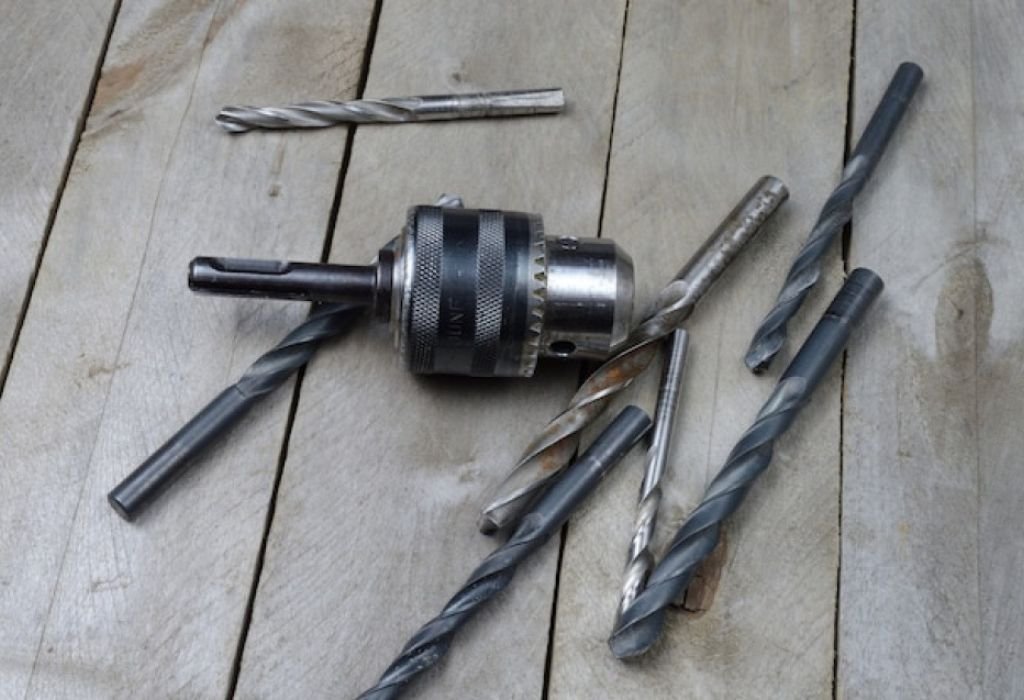
Also, match the bit shank to your drill type. Standard hammer drills use round shanks, while rotary hammers require SDS-compatible ones. Using a mismatch may cause slippage or damage to the chuck.
Lastly, check for tip quality. Tungsten carbide tips with cross-cut or diamond-ground edges perform best on tough materials. If you’re drilling marble, granite, or tile, always choose diamond-tipped or fine-carbide bits to avoid cracking.
By combining material awareness, bit geometry, and tool compatibility, you ensure not only efficiency but precision — the mark of a true craftsman in construction.
How do I know which masonry bit size to use?
Measure the anchor or screw diameter and choose a bit of the same size or slightly smaller for a snug fit.
What’s the difference between SDS-Plus and SDS-Max bits?
SDS-Plus fits smaller drills for moderate jobs; SDS-Max fits heavy rotary hammers for industrial drilling.
Should I buy coated masonry bits?
Yes, titanium or diamond coatings increase lifespan and heat resistance, especially for frequent drilling.
How do I select the right bit for tiles or marble?
Use diamond-tipped or glass bits, always at low speed without hammer mode.
Can I use long masonry bits for shallow holes?
You can, but shorter bits are more stable and prevent wobbling or inaccurate drilling.
Safety Tips When Using Masonry Drill Bits
Safety is non-negotiable in construction, especially when working with high-impact tools like hammer drills and masonry bits. A few smart precautions can save you from costly injuries and equipment damage.
Start with protective gear — safety goggles, dust masks, gloves, and ear protection are essential. Drilling masonry generates sharp dust and debris that can cause eye injuries or respiratory irritation. Always wear close-fitting clothes and avoid dangling sleeves or jewelry that can catch in the drill.
Next, secure your work area. The surface should be firm and stable. Use clamps or fixtures when possible. Unstable surfaces cause vibration, which can crack materials or cause drill kickback.
Always maintain the correct drill angle — 90° for walls and slightly downward for floors. Incorrect angles cause uneven holes and excessive side load on the bit, which can lead to fractures or slippage.
Take cooling breaks after drilling for a few seconds. Continuous drilling generates heat that dulls the bit and weakens the carbide tip. If needed, pour a small amount of water to help reduce friction.
Never apply excessive pressure. Let the drill’s hammering action do the work. Forcing the bit can cause it to jam, overheat, or even break.
Lastly, unplug or switch off your drill before changing bits, and always inspect bits for cracks or worn edges before reuse.
A professional knows that safety doesn’t slow you down — it keeps you working longer, better, and smarter.
Do I need eye protection when drilling concrete?
Absolutely. Concrete dust and chips can fly unpredictably and cause serious eye injuries.
Can I use water while drilling masonry?
Yes, light misting can cool the bit and prevent overheating, but never drench electrical drills.
How can I avoid drill kickback?
Maintain a steady grip, use two hands, and keep the bit perpendicular to the surface.
Why does my drill smoke while working?
It’s overheating — either from excessive pressure, speed, or clogged flutes. Pause and cool the bit.
How often should I inspect masonry bits for wear?
Before every job. A worn or chipped tip reduces precision and increases the risk of tool failure.
Conclusion
In the vast world of construction, where precision meets power, masonry drill bits stand as the unsung champions behind every stable wall, firm anchor, and lasting structure. They’re not just metal tools — they’re the link between design and durability, between architectural vision and engineering execution.
From drilling into dense concrete foundations to anchoring heavy-duty frameworks in stone and brick, masonry bits transform raw strength into measurable accuracy. Their tungsten carbide tips, spiral flutes, and hammer-ready design make them the heart of every serious builder’s toolbox.
But their importance isn’t limited to professionals. Even small-scale DIY projects rely on them — from mounting shelves on brick walls to installing outdoor fixtures. Their versatility bridges residential, commercial, and industrial construction alike.
Still, power means little without precision. Choosing the right bit for the right material, operating at the correct speed, and following safe techniques are what truly define mastery. The difference between a clean, perfect hole and a cracked, uneven one often lies in that attention to detail.
Masonry bits teach a timeless lesson in construction — that progress is built not only on power but also on understanding. They remind us that even the smallest tools can shape the tallest structures.

I’m John F. Nicholas, the founder, lead writer, and drill enthusiast behind 101drill.com. With years of hands-on experience in power tools and DIY projects, I created this platform to share practical knowledge, expert tips, and real-world insights to help others master the art of drilling.