
Many woodworkers dream of cutting clean, square mortises without buying an expensive mortising machine. The idea of using a simple drill press for this job sparks both curiosity and caution.
In woodworking, over 60 percent of DIYers rely on a drill press for joinery tasks because it offers precision and power in a compact setup. Yet few realize that using a mortise bit requires more than just swapping out the bit. Incorrect setup or too much pressure can cause dull edges, misaligned holes, or even damage your drill-press spindle.
Still, the potential is undeniable. With the right attachment and careful adjustments, a drill press can cut mortises cleanly enough for small to medium projects. Studies show that using proper speed and clearance improves drilling efficiency by nearly 40 percent, ensuring sharper corners and smoother walls.
This guide explains exactly how to do it right—covering the tools, setup, method, and safety tips—so you can decide if a drill press can truly become your reliable mortising companion.
What Is a Mortise Bit and How It Works
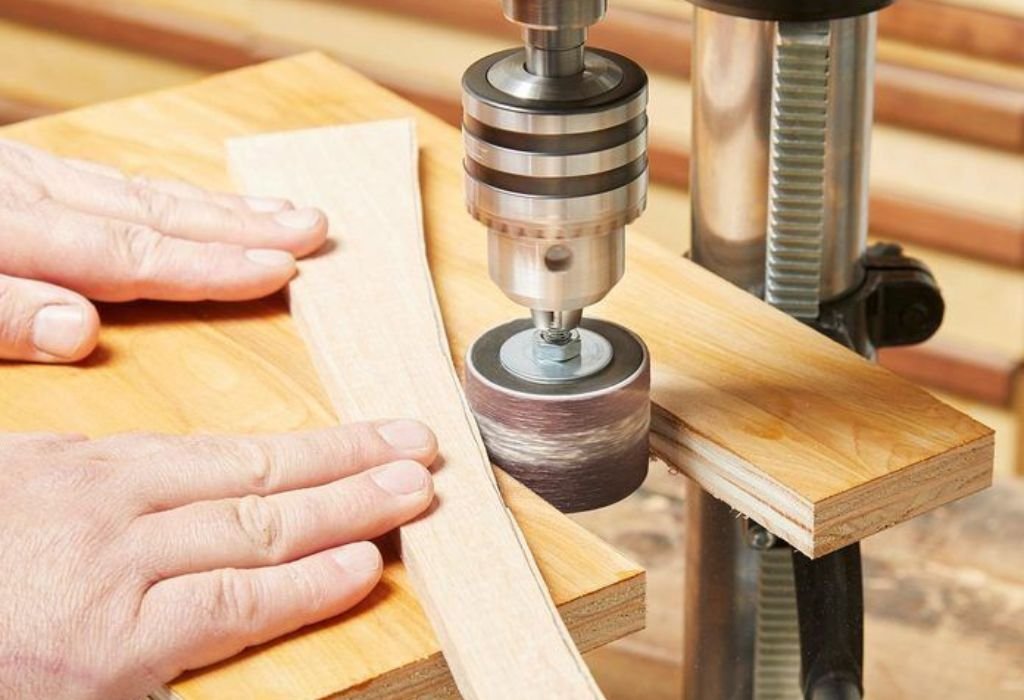
A mortise bit is a specialized tool made to cut square or rectangular holes called mortises. These form one half of the classic mortise-and-tenon joint, one of the strongest in woodworking.
Unlike a standard drill bit that cuts round holes, a mortise bit carves square openings for tight-fitting joints. It’s built as a two-part system: a hollow chisel and an inner drill bit. The drill removes most of the material, while the chisel squares the corners.
Made from hardened steel, mortise bits come in sizes from ¼ to ½ inch or larger. They work well on hardwoods and softwoods if the correct feed rate and drilling speed are maintained. When used properly, they deliver clean, professional-quality joints in furniture, doors, and frames.
Can You Use a Mortise Bit in a Drill Press
Yes—but only with the proper mortising attachment and careful setup. A drill press alone can’t handle the square-chisel mechanism on its own.
A mortising attachment converts your drill press into a temporary mortiser, holding the chisel and bit in alignment while preventing the chisel from spinning. Not all drill presses are ideal; weak motors or limited clearance can cause issues.
For light to medium projects, it works well when alignment and spacing are maintained. For heavy-duty or frequent mortising, a dedicated mortiser remains the better option.
Tools and Setup You’ll Need
Using a mortise bit safely in a drill press requires the right setup. A proper configuration ensures clean cuts and prevents tool damage.
You’ll need a mortising attachment kit that includes a chisel holder, guide fence, and hold-down clamp. These parts keep the work steady and aligned.
Match the bit and chisel sizes, and prepare tools like a depth stop, clamps, and marking gauge for consistency. A stable workbench and firm clamping are essential to avoid vibration and misaligned holes.
Choosing the Right Mortising Attachment
Check compatibility first. The attachment must fit your drill-press quill size securely without wobbling.
Choose one with a sturdy fence, adjustable hold-downs, and simple depth control. Reliable brands include WEN, Jet, and Delta.
Inspect all components before installation. A misaligned chisel holder or loose clamp can reduce accuracy and create safety risks.
Setting Up the Mortise Bit in a Drill Press
Setup accuracy determines mortising success. Even a small alignment error can cause burning or chatter.
Unplug the drill press and clean the workspace. Mount the mortising attachment on the quill and tighten the collar firmly so it doesn’t move. Align the holder with the fence.
Insert the chisel, push it up to the top stop, then pull it down about 1⁄16 inch before tightening—this gap prevents friction between bit and chisel.
Insert the drill bit so it extends slightly beyond the chisel’s edge, then tighten the chuck. Align and lock the fence using a square. Clamp the wood securely and test on scrap before cutting.
Step-by-Step Guide to Mortising with a Drill Press
Step 1 – Mark and Align
Mark your mortise area with a gauge or pencil. Align the workpiece against the fence so the chisel sits exactly over the lines. Clamp tightly.
Step 2 – Start Drilling
Begin with the two end holes to define the mortise boundaries. Drill the center in overlapping steps using steady pressure.
Set the speed around 800–1200 RPM for hardwoods and clear chips after each plunge.
Step 3 – Clean and Square
After drilling, turn off the press and use a chisel to refine edges and corners. Check depth for consistency. The mortise should have smooth walls and a flat bottom.
Common Mistakes to Avoid
Avoid running at high speed—mortise bits dull quickly when overheated. Keep RPM moderate.
Maintain a 1⁄16-inch clearance between bit and chisel to prevent friction.
Always clamp the work firmly. Loose workpieces cause uneven or off-center mortises.
Clear chips frequently to prevent jamming and overheating.
Safety Tips
Wear eye protection and keep hands away from the moving bit.
Ensure the chisel is locked in place before operation. A spinning chisel can damage the bit or cause injury.
Inspect bits before use; dull or chipped tools tear wood fibers instead of cutting them cleanly.
Alternatives to Using Mortise Bits in a Drill Press
A drill-press mortising attachment is great for occasional projects, but other tools may suit you better.
A dedicated mortising machine offers higher torque and faster operation with superior precision.
Handheld mortisers provide mobility for quick repairs, while routers with straight or spiral bits make rounded mortises that can be squared later with a chisel.
Drill Press vs Mortiser Comparison
| Feature | Drill Press + Attachment | Dedicated Mortiser |
| Cost | Low | High |
| Setup | Moderate | Simple |
| Accuracy | Good | Excellent |
| Speed | Slower | Faster |
| Versatility | Multi-purpose | Single-purpose |
If you work occasionally, the drill-press setup is cost-effective. For daily mortising, a dedicated machine delivers better precision and durability.
Maintenance and Bit Care
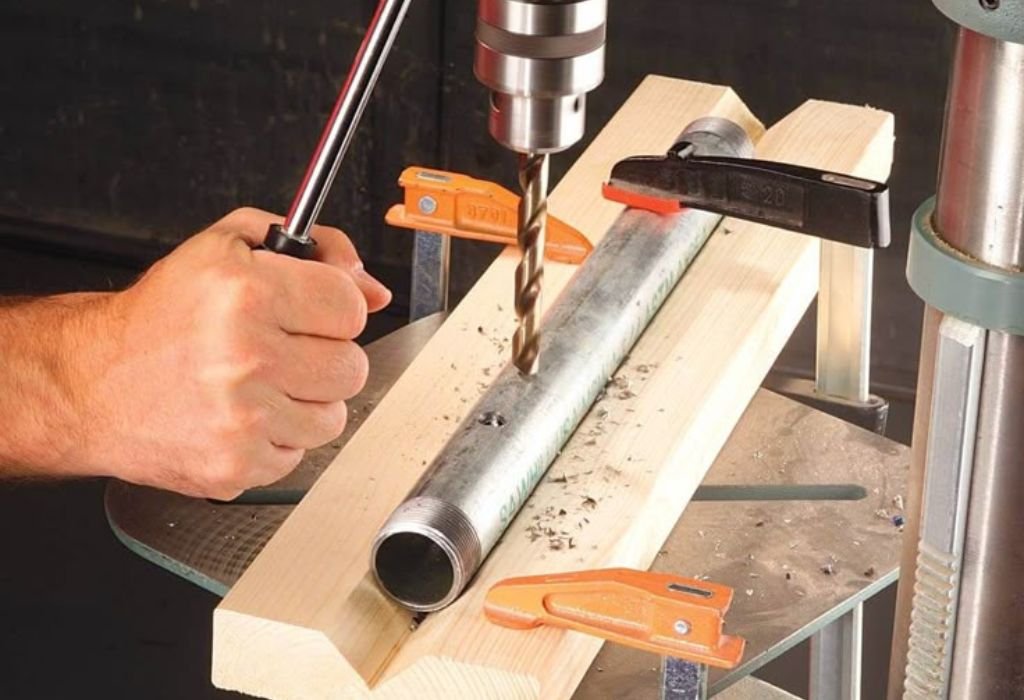
Clean the chisel and bit after each use to remove chips and dust.
Apply a thin coat of machine oil to prevent rust but keep it off the cutting edges.
Hone the chisel edge regularly with a conical stone, and lightly sharpen the bit when dull.
Store bits upright or in protective cases to avoid edge damage and label sizes for easy access.
Expert Tips for Cleaner Mortises
Use a slow, steady feed rate for smoother cuts.
Set drill speed between 800 and 1000 RPM for hardwoods.
Keep the chisel perfectly square to the fence before locking it in.
Clear chips often and test settings on scrap wood before the main piece.
Sharp, clean tools make all the difference—always sharpen and oil before each project.
FAQs About Using a Mortise Bit in a Drill Press
Can you use a mortise bit in a regular drill press? Yes, but you need a proper mortising attachment kit.
What is a mortising attachment? It’s a clamp-on accessory that holds the chisel while allowing the inner bit to cut square holes.
Do all drill presses support mortising attachments? No. Always check model compatibility and clearance.
What speed should you use? 800–1000 RPM for hardwoods; slightly higher for softwoods.
How much gap between bit and chisel? About 1⁄16 inch for efficient chip clearing.
Why does the bit burn wood? Usually from high speed, dull edges, or wrong spacing.
Can you mortise without an attachment? No, the chisel must stay stationary.
How deep can you mortise? Up to 2 inches depending on bit and press capacity.
Is a mortiser better? Yes for frequent work, but a drill-press setup suits light use.
What woods work best? Softwoods like pine are easiest; hardwoods need sharp bits.
How to prevent clogging? Raise the bit after each plunge and wax the chisel sides.
How often to sharpen? After every few projects or when cuts get rough.
Can a router replace it? Yes, though corners must be squared by hand.
Is it dangerous? Not if set up correctly and securely clamped.
What’s the main advantage? Affordability and versatility without buying another machine.
Final Verdict – Is It Worth It
Using a mortise bit in a drill press is a smart, budget-friendly solution for hobbyists and DIYers. With the right attachment and setup, it can produce accurate, square mortises for small to medium projects.
Its biggest advantage is versatility—your drill press can handle drilling, sanding, and mortising in one tool.
However, it’s not built for heavy mortising loads. Prolonged use may strain the spindle and reduce accuracy.
If you cut mortises occasionally, the drill-press setup is efficient and affordable. For professionals who need speed and precision daily, a dedicated mortising machine remains the best investment.
In short, yes—a properly equipped drill press can safely handle mortising when used with care, patience, and regular maintenance.

I’m John F. Nicholas, the founder, lead writer, and drill enthusiast behind 101drill.com. With years of hands-on experience in power tools and DIY projects, I created this platform to share practical knowledge, expert tips, and real-world insights to help others master the art of drilling.