
In every workshop, the drill press stands tall as one of the most reliable and powerful tools for precision drilling. Yet, behind its steady hum lies a serious safety concern that many users overlook — unguarded moving parts.
Imagine a busy machinist lowering the quill, the bit spinning at high speed, cutting through a metal plate. Suddenly, a loose piece of clothing brushes against the chuck, or a fragment of metal flies off at incredible speed. In a split second, a routine task turns into a dangerous accident.
Many workshops still operate without proper drill press guarding, exposing operators to rotating parts, flying chips, and entanglement risks. In fact, according to OSHA’s general industry standards, machine guarding violations consistently rank among the top 10 workplace safety citations every year.
These accidents are entirely preventable — and proper guarding is the first line of defense.
But what does guarding really mean for a drill press? Is it required for every type of setup, or just for industrial use? And what kind of guard actually keeps you safe without getting in the way of your work?
This guide breaks down everything you need to know about drill press guarding — from OSHA requirements to practical workshop safety. You’ll learn when drill presses must be guarded, what types of guards exist, and how to implement them effectively for both safety and compliance.
Understanding “Guarding” for a Drill Press
What Does Guarding Mean?
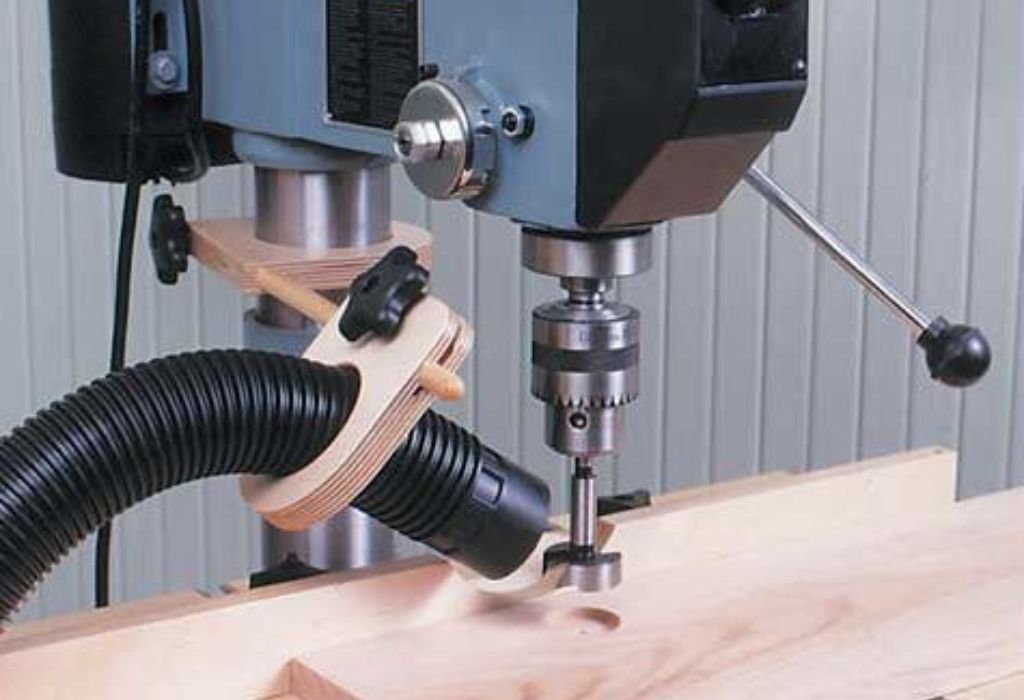
Machine guarding is the use of physical barriers, shields, or devices designed to prevent workers from coming into contact with moving parts. On a drill press, this includes the spindle, chuck, drill bit, belts, and rotating workpieces.
Guards serve one simple purpose — to protect the operator from injury without hindering the machine’s function. They can be made of metal mesh, polycarbonate shields, or interlocked enclosures depending on the level of risk.
Why Guarding Matters Specifically for Drill Presses
Drill presses may seem harmless, but their vertical power and torque can turn small mistakes into serious accidents. Common hazards include:
- Entanglement with rotating parts (hair, gloves, sleeves).
- Flying chips and fragments that can damage eyes or skin.
- Workpieces spinning loose if not properly clamped.
- Contact with the rotating bit or chuck during operation.
Without proper guarding, even a simple drilling task can lead to severe lacerations, crushed fingers, or permanent injuries.
Applicable Regulations and Standards
The Occupational Safety and Health Administration (OSHA) requires that all machinery with moving parts be properly guarded. Specifically, 29 CFR 1910.212(a)(1) states that “one or more methods of machine guarding shall be provided to protect the operator and other employees in the machine area.”
Similarly, the Canadian Centre for Occupational Health and Safety (CCOHS) mandates that drill presses must have a properly functioning guard or shield over the rotating parts to prevent accidental contact and chip ejection.
In short, yes — all drill presses need to be guarded. The only variation lies in how extensive that guarding needs to be based on the type of work being performed.
Do Drill Presses Need to Be Guarded? The Short Answer and Context
The simple answer is yes, drill presses must be guarded. Guarding isn’t optional — it’s required by law and vital for safety. However, not every drill press requires the same level of protection.
When Full Guarding Is Required
In industrial and production environments, where multiple operators use machines daily, drill presses must have full enclosures or interlocked guards that automatically stop the machine when opened. These settings have higher risks due to repetitive use, varying skill levels, and potential distractions.
When Partial Guards or Shields Are Acceptable
In small workshops, schools, or home settings, a transparent chip shield or barrier is often sufficient, as long as it effectively prevents contact with the rotating chuck and bit. The key is ensuring the guard covers the danger zone without obstructing visibility or accessibility.
When Guarding Might Not Be Enforced but Still Advised
For hobbyists or light-duty setups, enforcement may be minimal — but the risk remains the same. Even a small bench-top drill press can cause serious harm if the operator’s hand or sleeve catches the spindle. It’s always best practice to guard your machine, regardless of scale.
Factors That Influence the Level of Guarding
- Type of material being drilled (metal vs. wood).
- Size and speed of the machine.
- Operator experience level.
- Proximity to other workers.
- Frequency of use and level of supervision.
Ultimately, guarding is about risk reduction, not inconvenience.
Typical Hazards Without Proper Guarding
Flying Chips and Ejected Fragments
Metal and wood chips can fly at high velocity when the bit breaks through a workpiece. Without a guard, these fragments can injure the operator’s eyes or face. Even a small sliver can pierce protective glasses if deflected at the wrong angle.
Entanglement in Rotating Parts
Loose clothing, gloves, or hair can get caught around the spindle or chuck in an instant. Once entangled, the force of rotation pulls the object — and often the operator — toward the machine, causing severe injury.
Workpiece Spinning or Breakout
If the bit catches or the workpiece isn’t clamped, it can spin violently on the table. A properly designed guard can deflect or contain the motion, preventing impact injuries.
Ingoing Nip Points and Contact
Any exposed rotating surface presents a risk of accidental touch. A guard ensures no one can place their hand near the bit or spindle during operation.
How to Implement Effective Guarding on a Drill Press
Choosing the Right Type of Guard
The most common types include:
- Fixed guards: Permanent barriers covering belts, pulleys, and spindle drives.
- Adjustable guards: Transparent shields that move with the spindle for flexible setups.
- Interlocked guards: Safety enclosures that cut power when opened.
- Chip shields: Clear barriers that stop flying debris but allow visibility.
For most workshops, a polycarbonate transparent guard attached near the chuck area is ideal — it stops debris while letting the operator clearly see the drilling point.
Ensuring Accessibility and Usability
Guards should never interfere with normal operations. A poorly placed shield encourages operators to remove or bypass it, defeating its purpose. The ideal guard balances safety with convenience, allowing easy access for bit changes and setup while still offering protection during operation.
Maintenance and Inspection
A guard is only as effective as its condition. Regularly inspect all components for cracks, loosened screws, or missing hinges. Replace damaged guards immediately. Dust and chips should be cleaned off to maintain visibility and prevent buildup.
Supporting Work Practices
Guards alone don’t guarantee safety — proper work habits do. Always clamp the workpiece securely, remove the chuck key before starting the machine, and keep your workspace free from clutter. Training operators on both machine function and guarding importance ensures safer daily use.
Common Mistakes and Pitfalls
Removing or Bypassing Guards
One of the most dangerous habits is removing the guard “just for convenience.” This not only violates OSHA standards but also eliminates your main layer of protection.
Using Improperly Designed Guards
Guards that block the view of the drill point or don’t align with the spindle cause frustration and unsafe modifications. Invest in a guard designed for your specific model or adjust it properly before use.
Over-reliance on Guards Alone
Even with the best guard, ignoring other safety practices — like not clamping workpieces or wearing loose clothing — still leads to accidents. Guarding complements, not replaces, safe operation.
Neglecting Guard Maintenance
A cracked, loose, or missing shield is as bad as having none at all. Make guard inspection a routine part of your maintenance checklist.
Benefits Beyond Safety — Why Guarding Pays Off
Guarding isn’t just about preventing injuries; it brings several long-term advantages to any workshop.
Reduced Risk of Injury and Liability
Proper guarding drastically reduces the chance of operator injury, protecting both the worker and the employer from costly compensation claims or downtime.
Improved Productivity and Machine Efficiency
Operators feel more confident when using a properly guarded drill press. With fewer accidents and interruptions, overall workflow and precision improve.
Extended Machine Lifespan
Guards prevent debris buildup in moving parts, reducing wear on the chuck, spindle, and belts. Less maintenance means fewer breakdowns and longer service life.
Better Reputation and Safety Culture
A guarded, well-maintained workshop reflects professionalism and care. It also demonstrates compliance with safety laws, boosting your credibility with clients, auditors, and employees alike.
FAQs About Drill Press Guarding
1. Do drill presses need to be guarded?
Yes, drill presses must be guarded to prevent accidental contact with rotating parts, flying chips, and entanglement. OSHA and CCOHS both require proper guarding to ensure operator safety and compliance.
2. What type of guard is required for a drill press?
A transparent chuck guard or chip shield is most common. In industrial settings, drill presses may also need interlocked or full enclosure guards to stop the machine automatically if opened.
3. Can I use a drill press without a guard in a home workshop?
Even if not legally enforced, using a guard is still highly recommended. Home workshops face the same risks of flying debris or entanglement, and a simple shield can prevent serious injury.
4. What happens if I remove the guard from my drill press?
Removing the guard exposes you to direct contact with the chuck and bit. It can also result in regulatory fines in professional environments and void manufacturer warranties.
5. Are aftermarket guards safe to install on a drill press?
Yes, as long as they’re designed for your model and properly fitted. Look for guards made of polycarbonate or metal mesh, and ensure they cover the rotating parts without blocking visibility.
6. How often should a drill press guard be inspected or replaced?
Inspect guards before every use for cracks, loosened screws, or missing hinges. Replace them immediately if damaged — a broken guard provides false protection.
7. Do drill press guards affect accuracy or visibility?
No, modern clear shields are designed to maintain full visibility of the drilling area while keeping operators safe from chips and contact hazards. Properly installed, they actually improve precision by stabilizing focus and reducing distractions.
Conclusion
So, do drill presses need to be guarded?
Yes — not only by regulation but by common sense and responsible practice.
A properly guarded drill press prevents the most common workshop injuries — from flying chips to entanglement — while improving accuracy and efficiency. Whether you’re a machinist, teacher, or weekend hobbyist, guarding your drill press should never be optional.
Before you start your next project, take a moment to check:
- Is your guard firmly in place and free from cracks?
- Is your workpiece clamped properly?
- Are you using the correct speed and protective gear?
If any of those answers are “no,” stop and fix them before pressing start. Because one small guard can make the difference between a safe day in the shop and a trip to the emergency room.
Guard your drill press — and guard your future.

I’m John F. Nicholas, the founder, lead writer, and drill enthusiast behind 101drill.com. With years of hands-on experience in power tools and DIY projects, I created this platform to share practical knowledge, expert tips, and real-world insights to help others master the art of drilling.