
Every DIYer and workshop enthusiast eventually faces the same question: Can you use regular drill bits in a drill press?
At first glance, it seems obvious — if the bit fits the chuck, it should work. But that simple assumption can lead to wobbling holes, burned tips, and even damaged workpieces.
Many beginners don’t realize that over 60% of drill press accuracy issues come from using bits that aren’t designed for rigid, vertical drilling setups. That’s because regular hand-drill bits behave differently under the constant downward pressure of a drill press.
Understanding these subtle differences can save your tools, your materials, and your time. By learning when it’s safe to use regular drill bits — and when you should switch to specialized press bits — you’ll get cleaner holes, longer bit life, and more precise results.
In this guide, we’ll uncover whether you can use regular drill bits in a drill press, explore what really happens when you do, and reveal expert tips to make your drilling safer, smoother, and more accurate.
What Counts as “Regular Drill Bits” vs. Specialized Drill Press Bits
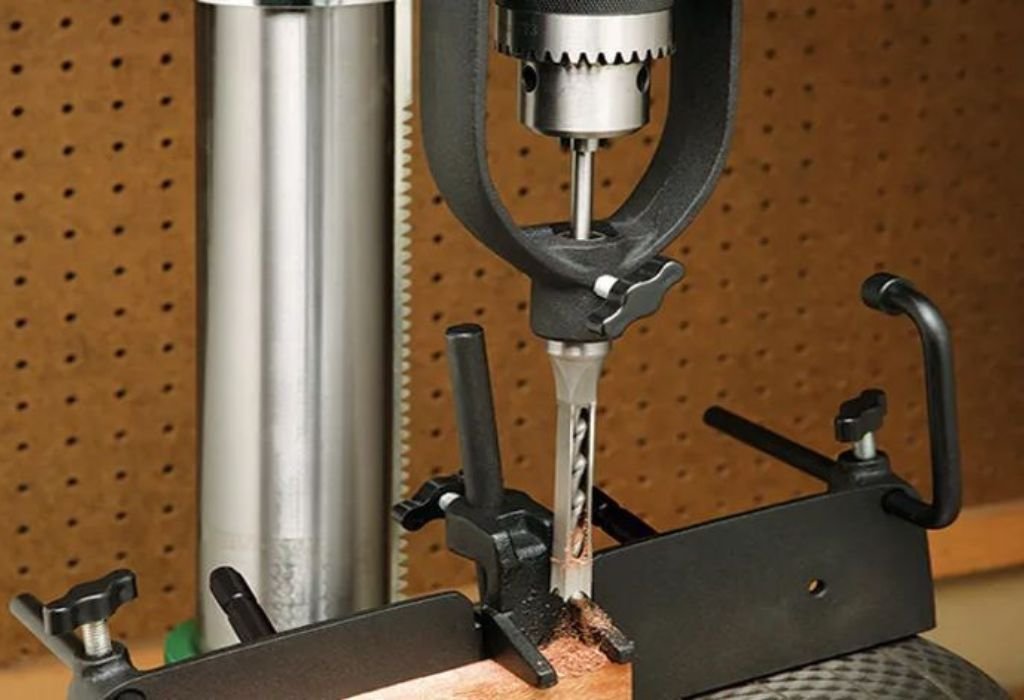
Before deciding whether you can use regular drill bits in a drill press, it’s essential to understand the difference between the two.
Regular drill bits — also called twist bits — are the standard bits most people use with handheld power drills. They’re designed for portability, flexibility, and general-purpose drilling on materials like wood, metal, and plastic.
Drill press bits, on the other hand, are built for precision and durability under higher torque and pressure. They often have stronger materials, thicker shanks, and more consistent geometry to maintain accuracy over repeated cuts.
Typical Features of Regular Drill Bits
Regular bits usually come in high-speed steel (HSS) or carbon steel materials with standard flutes and round shanks. They’re affordable, easy to find, and suitable for most everyday tasks — but not all of them are ideal for the fixed setup of a drill press.
What is considered a regular drill bit?
A regular drill bit is a general-purpose twist bit used in handheld drills, typically made of HSS or carbon steel.
Are regular drill bits designed for drill presses?
Not specifically. They lack the rigid shank and perfect centering that drill presses require for precise vertical drilling.
Can regular drill bits fit in a drill press chuck?
Yes, most have standard shank sizes that fit perfectly — but fitting isn’t the same as performing well.
Do regular bits work for all materials?
No. They work best on softer materials, while harder metals or thick surfaces need stronger, cobalt or carbide-tipped bits.
Why do drill press bits look different?
They’re engineered for reduced vibration, accurate centering, and longer lifespan under consistent vertical pressure.
Can You Use Regular Drill Bits in a Drill Press?
The short answer is yes, you can use regular drill bits in a drill press — but with a few important conditions.
While the chuck of a drill press easily accepts most standard bits, not every bit is suitable for the controlled, high-pressure environment of a press. The main issue lies in how regular bits are designed for handheld drills, where the user controls speed, angle, and pressure manually. In a drill press, the motion is fixed and vertical, putting more consistent stress on the bit.
When used correctly, regular bits can deliver clean and accurate holes, especially on soft materials like wood, plastic, or aluminum. However, using them incorrectly can cause overheating, chatter, or even breakage — especially in hard metals or deep drilling applications.
When It’s Safe to Use Regular Drill Bits
You can safely use regular drill bits in a drill press when working on light materials, small holes, or shallow depths. A well-secured workpiece and correct drill speed will often produce excellent results.
Can you use regular bits for wood drilling on a drill press?
Yes, standard twist or brad-point bits work perfectly for wood, as long as the piece is clamped tightly.
What about small-diameter holes?
Smaller bits generate less torque, so they’re easier to control and less likely to cause damage or wobble.
Does drill speed matter?
Absolutely. Each material has an ideal speed range. Using the correct RPM prevents bit burning and ensures smooth drilling.
When It’s Not Recommended to Use Regular Drill Bits
Some situations push regular bits beyond their design limits. Drilling into hardened steel, thick plates, or deep holes can lead to dull edges, bent shanks, or fractured tips.
Can you use a regular bit on stainless steel in a drill press?
Not recommended. Stainless steel needs cobalt or carbide bits with slower speeds and proper lubrication.
What happens if the bit is too long or flexible?
It can vibrate or wander off-center, resulting in crooked or oversized holes.
Is precision drilling possible with a regular bit?
Not always. Regular bits may produce minor deviations in alignment and size, which adds up in high-precision work.
In the next section, we’ll look at best practices for using regular drill bits in a drill press safely and effectively — to get the accuracy of a machinist without ruining your tools.
Best Practices When Using Regular Drill Bits in a Drill Press
Using regular drill bits in a drill press can work well if you follow the right setup and safety techniques. A drill press provides excellent control and accuracy, but without proper preparation, even a high-quality bit can fail quickly.
Setup and Workpiece Preparation
Before starting, make sure the workpiece is securely clamped to the drill press table. Never hold it by hand — a spinning piece can cause injury or ruin your project. Adjust the table height so the bit just clears the surface before drilling. Align the quill with your mark and lock everything in place.
Check the bit alignment by lowering it close to the surface and rotating the chuck slowly by hand. If you notice wobble, reseat the bit until it spins true. Using a pilot hole can also make the process smoother, reducing load on the main bit and improving accuracy.
Speed, Feed, and Material Matching
The right drilling speed depends on both the bit size and the material. Softer materials like wood or plastic allow faster speeds, while metals need slower RPMs to avoid overheating. Always refer to a drill press speed chart to select the correct range.
Apply steady, moderate feed pressure — let the machine do most of the work. For metal drilling, use cutting oil or lubricant to keep the bit cool and extend its lifespan. Stop occasionally to clear chips and prevent clogging.
Bit Condition and Suitability
Inspect your drill bits before use. A dull or chipped edge can cause friction, heat, and wandering holes. Make sure the shank fits snugly in the chuck and the jaws are tightened evenly. If the bit shows discoloration, pitting, or uneven wear, replace or sharpen it before continuing.
For tougher jobs or precision work, consider upgrading to cobalt, titanium-coated, or carbide bits. These materials can withstand higher temperatures and pressure, offering smoother cuts and longer life in drill press applications.
Comparative Scenarios – When to Use Regular Bits and When Not To
Different materials and project types demand different levels of precision and bit strength. While a regular drill bit may perform well in some setups, it can struggle in others. Understanding these scenarios helps you choose the right tool for every job.
Wood and DIY Home Projects
For woodworking and general DIY projects, regular drill bits usually perform just fine in a drill press. Wood is a forgiving material, and the rigidity of the press improves accuracy compared to handheld drilling. To get cleaner holes, use a brad-point or twist bit, and always back the workpiece with scrap wood to avoid tear-out.
Keep your speed high for softwoods and moderate for hardwoods. Make sure the wood is tightly clamped to prevent spinning, especially when using larger bits.
Metal Fabrication and Workshop Use
Metal drilling places much greater stress on drill bits. While regular HSS bits can handle mild steel or aluminum, they struggle with stainless steel, cast iron, or hardened alloys. In these cases, it’s better to switch to cobalt or carbide-tipped bits and reduce your drill speed significantly.
Using a lubricant or cutting fluid prevents overheating and extends bit life. Applying steady feed pressure and clearing chips regularly ensures a smoother hole and avoids binding.
Precision or Deep Hole Drilling
When precision is key — such as in joinery, metal fitting, or machinery work — even slight run-out or vibration can cause alignment errors. Regular bits may flex slightly, creating holes that are just off-center or slightly oversized.
For deep holes, the challenge increases. The deeper the hole, the higher the friction and heat buildup. Specialized drill press bits with reinforced shanks and better flute geometry perform far better in these cases.
If you’re drilling multiple identical holes that must match perfectly, invest in machine-grade bits designed specifically for press use. They ensure repeatable accuracy and a cleaner finish.
Risks, Mistakes, and How to Avoid Them
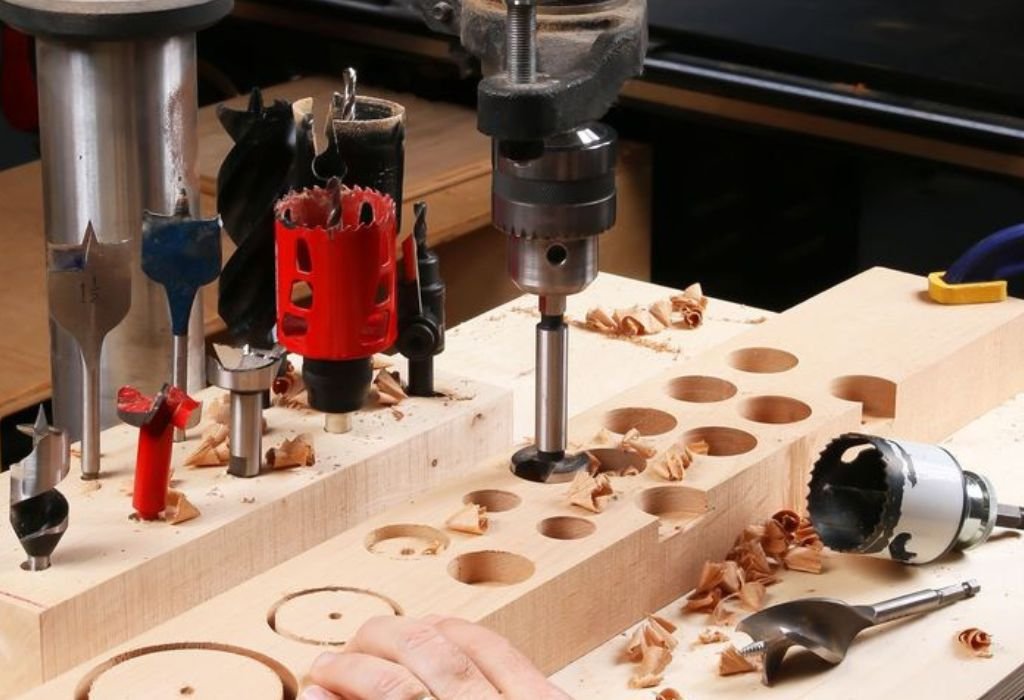
Using regular drill bits in a drill press may seem straightforward, but small setup mistakes can quickly lead to poor results, damaged bits, or even safety hazards. Knowing what to watch for can save you time, money, and potential injury.
Common Mistakes to Avoid
One of the most common errors is using the wrong speed. Running the drill press too fast for metal or too slow for wood can cause burning, chatter, or dulling of the bit. Always refer to a material-specific speed chart to match your RPM correctly.
Another frequent mistake is failing to secure the workpiece. A loose or spinning part can not only ruin your hole but also throw the piece across the workshop. Always use clamps or a vise to hold it firmly in place.
Using a dull or worn-out bit is another issue. It increases heat, friction, and the risk of binding. Regular inspection and sharpening help maintain accuracy and extend bit life.
Safety and Machine Care
A drill press delivers more torque than a handheld drill, so safety should always come first. Wear safety goggles, avoid loose clothing, and tie back long hair. Make sure the press is turned off and unplugged before changing bits or adjusting the table height.
Inspect the chuck and spindle regularly. A loose chuck or misaligned spindle can cause wobble and uneven holes. Keeping your machine clean and lubricated helps preserve both precision and longevity.
Proper cooling is also vital. When drilling metal, apply cutting oil frequently to reduce heat and friction. This not only protects the bit but also prevents the material from hardening under pressure.
When to Upgrade to Specialized Bits
If you often drill into tough materials, notice frequent bit breakage, or need ultra-precise results, it’s time to invest in specialized bits. Cobalt, titanium-coated, or carbide drill bits resist heat and stay sharp much longer, making them ideal for drill presses.
Upgrading also reduces vibration and improves accuracy — especially for repeated or deep drilling tasks. While the cost is higher upfront, these bits pay for themselves in performance and lifespan.
FAQs About Using Regular Drill Bits in a Drill Press
1. Can you use regular drill bits in a drill press?
Yes, you can, as long as the bit fits properly and the workpiece is securely clamped. However, some regular bits aren’t designed for the constant pressure and precision of a drill press.
2. Will using regular drill bits damage my drill press?
Not usually, but if the bit wobbles, overheats, or binds, it can put extra stress on the chuck or spindle. Always use sharp, balanced bits to protect your machine.
3. Are regular drill bits safe for drilling metal on a drill press?
They can handle mild steel or aluminum, but for stainless or hardened metals, you should use cobalt or carbide bits to prevent dulling and breakage.
4. Do I need to adjust the drill press speed when using regular bits?
Yes. Each material requires a specific RPM range. Using the wrong speed can burn the bit or cause chatter in the hole.
5. Should I use lubricant when drilling metal with regular bits?
Absolutely. Cutting oil or lubricant reduces heat, prevents wear, and helps remove chips efficiently.
6. Why does my bit wobble when I use it in a drill press?
This often happens when the bit isn’t centered in the chuck, the shank is worn, or the bit itself is slightly bent. Reseat the bit and test for run-out before drilling.
7. Can I use regular wood drill bits in a drill press?
Yes. Regular wood bits, like twist or brad-point bits, work perfectly for woodworking projects if the speed and clamping are correct.
8. What happens if I drill too fast with a regular bit?
Excessive speed can cause overheating, burning of the material, and dulling or snapping of the bit. Always match the speed to the material type.
9. Can a dull regular bit affect hole accuracy?
Yes. Dull bits generate heat and friction, causing the bit to wander or create oversized holes. Sharpen or replace worn bits immediately.
10. Is it okay to use long regular bits in a drill press?
Only if necessary and with care. Long bits are more flexible and can vibrate or bend, reducing accuracy. Use shorter bits whenever possible.
11. How can I make regular bits last longer in a drill press?
Use proper speed, apply lubricant when drilling metal, clear chips often, and store bits in a dry place to prevent rust.
12. Are drill press bits worth buying if I already have regular ones?
Yes, especially if you work with hard metals or need tight tolerances. Drill press bits offer better rigidity, accuracy, and durability.
13. Can I use masonry bits in a drill press?
Not recommended. Drill presses are not designed for hammering action. Masonry bits require impact to break through concrete or stone.
14. How do I stop the workpiece from spinning during drilling?
Always use clamps or a drill press vise to hold the piece firmly. Never hold it by hand — even small pieces can spin dangerously fast.
15. Do regular drill bits need special maintenance for press use?
Keep them clean, sharpened, and free from debris. Regular inspection and proper cooling during drilling will extend both bit and machine life.
Conclusion
So, can you use regular drill bits in a drill press? The answer is yes — but with conditions.
Regular drill bits work perfectly for light materials like wood, plastic, or thin metal sheets, as long as the workpiece is clamped securely and the right speed is used. However, when you’re drilling harder materials or need pinpoint precision, specialized drill press bits are a much safer and more efficient choice.
The biggest factors are setup, speed, and bit quality. Always align your bit properly, choose the correct RPM for your material, and avoid forcing the feed pressure. Regular maintenance — like sharpening dull bits and cleaning the chuck — can make a big difference in accuracy and tool life.
If you frequently drill into metals or perform high-precision work, upgrading to cobalt or carbide bits is a smart investment. They last longer, cut cleaner, and handle the extra stress of a drill press without overheating.
In short, using regular drill bits in a drill press is possible and often practical, but knowing when and how to do it safely is what separates clean, professional results from costly mistakes.
Before your next project, take a moment to check your setup, match the bit to the job, and drill with confidence — your tools, materials, and hands will thank you.

I’m John F. Nicholas, the founder, lead writer, and drill enthusiast behind 101drill.com. With years of hands-on experience in power tools and DIY projects, I created this platform to share practical knowledge, expert tips, and real-world insights to help others master the art of drilling.