
If you’re new to woodworking, figuring out how to rip plywood with a circular saw might seem a bit tricky. It’s a common challenge, as getting a straight, clean cut on plywood can be tougher than it looks. Plywood tends to splinter easily, which can mess up your project. Don’t worry, though! This guide breaks down the process into simple steps, making it easy for anyone to get great results. We’ll go over everything you need to know to get a perfect rip cut every time.
Key Takeaways
- You’ll learn the essential tools you need to cut plywood accurately.
- This post explains how to set up your saw and prepare your plywood.
- You will discover the importance of a good blade for clean cuts.
- The guide covers techniques to prevent splintering and ensure safety.
- You will learn how to use a guide to achieve straight cuts consistently.
- This guide will provide step-by-step instructions for a successful plywood rip cut.
Getting Ready to Cut Plywood
Before you even think about starting your saw, some prep work is needed. This includes gathering the right tools, making sure your workspace is ready, and checking the plywood itself. Skipping these steps can lead to frustrating cuts, wasted materials, and possibly, safety issues. Taking the time to get things ready is a worthwhile investment. This approach will set you up for success and make the whole process much easier and more enjoyable. Ready to get started?
Gathering Your Gear
Having the right tools is the first step toward a successful plywood rip. It’s not just about owning a circular saw; it’s about having the right blade and any extra accessories that can make the task easier and safer. A good combination of tools will not only help you get cleaner cuts but also protect you from injury. Let’s explore what you will need for your project.
- Circular Saw: This is your main tool, the star of the show! Choose a circular saw that is in good working order and has a sharp blade.
- Plywood Blade: A specialized plywood blade is a must-have. These blades have more teeth, are designed for smoother cuts, and help prevent splintering. A blade specifically for plywood will make all the difference.
- Measuring Tools: You’ll need a measuring tape, pencil, and a square. These tools will allow you to measure and mark your cuts with precision. Precise measurements are key to your project’s success.
- Safety Gear: Eye protection (safety glasses or a face shield), hearing protection, and a dust mask are crucial. Always protect yourself.
- Clamps: Clamps will secure the plywood to your work surface. They are essential to prevent the wood from moving while you are cutting, which can affect the accuracy of your cut.
- Straight Edge Guide (Optional): A straight edge, like a long level or a factory edge on another piece of plywood, will help guide your saw in a straight line. This is a game changer for getting a perfect cut.
When you’re ready to cut plywood, these are the tools you’ll need at your side. They will improve your accuracy and safety during the process.
Setting Up Your Workspace
A well-organized workspace makes a huge difference. You’ll need a flat, stable surface to support the plywood. Make sure you have enough space to handle the sheet safely, and keep the area free of clutter. This careful setup can significantly reduce the risk of accidents and ensure the quality of your cuts. Don’t underestimate the power of a safe and organized workspace.
- Choose a Stable Surface: A workbench or a couple of sawhorses with a sheet of plywood on top works well. It needs to be flat, solid, and able to support the plywood without wobbling.
- Ensure Adequate Space: Make sure you have enough room to move around the plywood. You’ll want to be able to comfortably guide the saw without being cramped.
- Secure the Plywood: Use clamps to hold the plywood firmly to the work surface. This will stop it from moving during the cut, leading to straighter lines and better results.
- Lighting and Ventilation: Good lighting is a must, so you can see your cut line clearly. If you’re working indoors, ensure good ventilation to get rid of dust and fumes.
- Consider Dust Collection: A vacuum or dust collection system can minimize the amount of sawdust in your workspace. This will keep your area cleaner and easier to work in.
A safe, clean, and spacious workspace is essential. This can reduce frustration and help you get accurate and smooth cuts.
Inspecting and Preparing the Plywood
Before cutting, give your plywood a good look-over. Check for any damage, like warping or delamination, as this can impact the cut. Prepare the wood by marking your cut lines clearly and taking steps to prevent splintering. Preparation is often the key to perfect results.
- Examine the Plywood: Look for any defects, such as dents, knots, or warps. These issues can affect the quality of your cut.
- Measure and Mark: Use your measuring tape, pencil, and square to precisely mark the cut line on the plywood. Accuracy here is vital for the success of your project.
- Consider the Good Side: Decide which side of the plywood is the ‘good’ side. You will want the blade of the saw to cut through this side first to reduce splintering on the visible surface.
- Preventing Splintering: One way to reduce splintering is by applying painter’s tape along the cut line on the side you want to be the best. You can also score the cut line with a utility knife before cutting, although this requires extra care.
- Choose the Right Support: Make sure the plywood is supported along the entire cut line. This helps to prevent the plywood from flexing or bending, which can lead to a less accurate cut.
Examining and preparing the plywood properly will dramatically improve the final result. Following these tips can save you time and material, and improve the quality of your work.
Choosing the Right Blade for Plywood
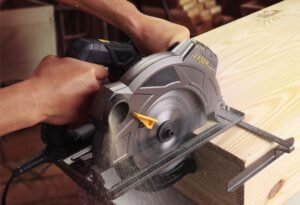
Selecting the right blade is probably the most significant thing you can do to get clean cuts on plywood. Not all saw blades are created equal, and a blade specifically designed for plywood will make a huge difference in how the material cuts. Understanding the differences and choosing the best one can save you from a lot of heartache and frustration.
Understanding Blade Types
There are different types of saw blades available, each made for specific materials and cutting tasks. Knowing the pros and cons of each type will help you choose the best one for the job. Getting a blade that’s meant for plywood will greatly affect the final result of your project.
- Crosscut Blades: These blades are best for cutting across the grain of the wood. They have more teeth and are designed for smooth, precise cuts.
- Rip Cut Blades: Rip cut blades are ideal for cutting along the grain of the wood. They have fewer teeth, which makes for faster cutting, but might not produce the smoothest cuts on plywood.
- Combination Blades: As the name suggests, these blades are a blend of both. They are suitable for both crosscuts and rip cuts, though they may not be the best at either.
- Plywood Blades: Plywood blades are made for cutting plywood. These blades have many small teeth, which help to minimize splintering and provide a smooth cut, even when the saw is moving fast.
- ATB (Alternate Top Bevel) Blades: These blades have teeth that are angled at different angles, helping to create a cleaner cut as the blade moves through the wood. This also helps to prevent splintering.
When selecting a blade, know that specialized blades meant for plywood are the best choice. This will deliver the best results on the material.
Factors to Consider When Choosing a Blade
Several factors affect the quality of the cut. Blade teeth, the material of the blade, and the saw’s speed can all have an impact. Understanding these variables will help you choose the correct blade for your job. The right blade will make a huge difference in the outcome.
- Number of Teeth: A blade with more teeth will generally produce a smoother cut, especially in plywood. However, more teeth also mean slower cutting.
- Tooth Geometry: The angle and shape of the teeth are key. Blades with ATB teeth are designed to cut cleanly through plywood, which helps to minimize splintering.
- Blade Material: Carbide-tipped blades are a popular choice due to their durability and ability to stay sharp longer. The best ones will give you the best value.
- Blade Diameter: Make sure the blade diameter matches your circular saw. A correctly sized blade is required for safety and optimal performance.
- Blade Kerf: The kerf is the width of the cut that the blade makes. A thinner kerf blade removes less material, which is efficient but might require extra care to prevent the blade from binding in the cut.
Carefully evaluating the features of your saw blades will make you a better carpenter.
Blade Maintenance
Once you’ve got your blade, proper care is also important. Keep your blade clean, store it correctly, and
- Cleaning: After each use, clean your blade. Use a blade cleaner or a brush to get rid of any resin buildup, which can affect its performance.
- Storage: Store your blades in a safe place where they won’t get damaged or dulled. A blade case or rack works well.
- Sharpening: Over time, your blade will become dull. You can either sharpen it yourself, if you have the equipment and expertise, or take it to a professional.
- Replacement: Sometimes, a blade is beyond sharpening, so be ready to replace it. A good quality blade is an investment, so be prepared to invest in your tools.
- Inspect Regularly: Check your blade for any damage like chipped teeth or bends. This way, you can replace or repair the blade before it affects your work.
Taking care of your saw blade will extend its life and make sure you get good results every time.
Ripping Plywood: Step-by-Step Guide
With the right tools, a safe workspace, and a proper blade, you’re ready to start cutting. This guide breaks down the process into easy-to-follow steps. It will ensure you get straight, clean cuts every time. Remember to focus on safety first, and take your time.
Step 1: Measurement and Marking
Accuracy starts with a precise measurement. Taking your time here will guarantee the correct size for your project and reduce waste. Proper marking of the cut line will make everything easier and lead to better results.
- Measure Twice, Cut Once: Double-check your measurements to avoid mistakes. Use a measuring tape to measure the exact length or width you need.
- Use a Square: Use a square to make sure your cut line is perfectly straight. This will make your final product look much more professional.
- Mark Clearly: Use a sharp pencil to mark the cut line. Make sure it’s clear and easy to see. Extend the cut line across the entire surface of the plywood.
- Consider the Blade Kerf: The kerf is the width of the blade. When marking, consider that your blade will remove a small amount of material on the cut line. This is particularly relevant if you’re making multiple cuts to fit a specific space.
- Double Check Your Marks: It’s always smart to double-check your markings against your dimensions before you start cutting. This will save you from cutting errors.
Precise measuring and marking are the foundation of all good woodworking. Taking your time here will save you mistakes later.
Step 2: Setting the Depth of Cut
The depth of cut is vital for both safety and effectiveness. Setting the blade to the correct depth ensures the saw cuts through the plywood without damaging the work surface beneath it. You should always adjust the blade carefully and double-check to make sure it’s set correctly. Here’s how.
- Check the Plywood Thickness: Determine the thickness of the plywood you’re cutting. This information is needed to set the blade.
- Set the Blade Depth: Adjust the blade so that it extends just a little bit beyond the thickness of the plywood. This depth will give you a clean cut without unnecessary wear and tear on your blade. A general rule is to set the blade to protrude about 1/4 inch (6 mm) past the bottom of the plywood.
- Lock the Adjustment: Make sure the depth adjustment lever or mechanism is securely locked in place to prevent the blade from moving during the cut.
- Avoid Cutting the Surface: Ensure the blade doesn’t cut into your work surface, as this could damage your saw and your workspace. If using sawhorses, make sure to use a sacrificial piece of wood under the plywood.
- Test the Depth: Before making a full cut, make a small test cut to check the blade depth. This allows you to confirm that the blade is cutting through the plywood completely and not damaging the surface.
The correct depth is essential for safety, clean cuts, and for protecting your work surface. Following these steps will help you achieve the correct depth.
Step 3: Making the Cut
With everything prepared, you are ready to make the cut. Using the correct technique, you can get straight, clean cuts and minimize splintering. Take your time, focus on safety, and follow these steps. You will produce great results.
- Position the Saw: Place the saw’s baseplate flat on the plywood, with the blade aligned along your marked cut line. Ensure the saw is stable and ready to move forward.
- Start the Saw: Turn on the saw and let it reach full speed before beginning the cut.
- Guide the Saw: Slowly and steadily move the saw forward along the cut line. Apply gentle, consistent pressure. Avoid forcing the saw, which can cause the blade to bind or splinter the plywood.
- Use a Guide: Consider using a straight edge or guide to help keep the saw moving in a straight line. This will improve the accuracy of your cuts.
- Finish the Cut: Continue cutting until the saw passes completely through the plywood. Once the cut is complete, turn off the saw and allow the blade to stop completely before removing it from the cut.
A controlled, steady approach and careful handling of the saw are essential for safety and a good cut. By following these steps, you’ll produce cleaner, more accurate cuts.
Step 4: Using a Straight Edge Guide
A straight edge can dramatically improve the precision of your cuts. Using a guide will help you keep the saw perfectly aligned with your cut line. A straight edge is one of the easiest ways to ensure you get straight and accurate cuts every time. It’s a great addition to your workshop.
- Choosing Your Guide: Use a straight edge like a long level, a piece of wood, or a manufactured guide. The guide needs to be perfectly straight and the right length for your cut.
- Positioning the Guide: Place the guide along the marked cut line, ensuring the distance from the blade to the guide edge matches the distance from the saw’s base to the edge of the blade.
- Clamping the Guide: Secure the straight edge to the plywood using clamps. Ensure it is firmly in place and will not move during the cut.
- Cutting Along the Guide: Place the saw’s baseplate against the guide and make your cut. The guide will direct the saw along the exact line you marked, giving you a clean, straight cut.
- Check Your Cut: After the cut is complete, double-check your work to ensure the edge is straight and precise.
Using a straight edge can significantly improve the accuracy of your rip cuts. It’s a simple tool that can make a big difference.
Step 5: Preventing and Addressing Splintering
Splintering is a common problem when ripping plywood. Luckily, there are several ways to reduce it and make your cuts cleaner. Taking the time to prevent splintering will make a difference.
- Use a Plywood Blade: As mentioned earlier, a blade designed for plywood will help minimize splintering by making cleaner cuts.
- Cut with the Good Side Up: Position the plywood so that the “good” side (the side you want to be visible) faces up when you cut. The saw’s blade typically cuts cleaner on the top surface.
- Use Painter’s Tape: Apply painter’s tape along the cut line on the good side of the plywood. This can help prevent the fibers from tearing.
- Score the Cut Line: Using a utility knife, score the cut line before using the saw. This pre-cut will help prevent splintering along the cut.
- Control the Feed Rate: Avoid cutting too fast. Slower, more controlled cutting reduces the likelihood of splintering.
By using these techniques, you’ll reduce splintering and improve the overall quality of your cuts. This will make your final project look much better.
Advanced Techniques
Once you are comfortable with the basic steps, you can try some advanced techniques to improve your skills. These methods can help you with more complex projects and give you an edge in woodworking.
Making Multiple Cuts
Sometimes you need to make several cuts on a single sheet of plywood. Setting up for multiple cuts efficiently saves time and effort. Here’s how to organize multiple cuts for your project.
- Plan Your Cuts: Before starting, create a cutting plan. Decide which cuts need to be made and in what order. This prevents mistakes and wasted material.
- Set Up a Stop Block: Use a stop block to make repeated cuts of the same size. Clamp the stop block to your work surface.
- Measure and Mark: After each cut, measure and remark the cut line for your next cut. Ensure that your marks are accurate.
- Stack and Cut (If Possible): If you need to make many identical cuts, you can stack the plywood. This technique requires extra attention to safety.
- Check Each Cut: After each cut, check your measurements to guarantee accuracy. This prevents small issues from building into bigger problems.
Planning and accuracy are key to making multiple cuts successfully. These techniques will save time and improve the efficiency of your project.
Cutting Curves
While circular saws are best for straight cuts, you can still cut curves with some careful preparation. Patience and technique are essential for getting good results.
- Create a Template: Draw the curve you want on the plywood, or create a template to use as a guide. Templates ensure a clean cut.
- Use a Band Saw (If Possible): A band saw is the best tool for cutting curves. If you have one, use it for the job.
- If Using a Circular Saw, Go Slow: If a band saw isn’t available, cut the curve with your circular saw, keeping the blade away from the cutting area.
- Make Relief Cuts: To make it easier to cut, make a series of straight cuts toward the curve, close to the line.
- Sand the Edges: Once the curve has been cut, use a sander to smooth the edges. This will give you a cleaner finish.
Cutting curves with a circular saw requires extra care. Practice and patience can help you achieve the results you want.
Dealing With Edge Damage
Despite your best efforts, sometimes you will see damage on the edges of the plywood. Knowing how to fix it can save you material and your project. Here’s how to handle edge damage.
- Assess the Damage: First, determine the extent of the damage. Is it minor splintering, or is a larger section damaged?
- Use Wood Filler: For minor damage, use wood filler. Apply the filler and let it dry.
- Sand the Surface: Once the wood filler is dry, sand the surface until it’s smooth and flush with the plywood.
- Apply Edge Banding: Edge banding can cover damaged edges. You can apply it using iron-on or adhesive methods.
- Use a Router: If the damage is more extensive, you can use a router to create a new, clean edge.
Knowing how to deal with edge damage will help you salvage your projects. With some basic fixes, you can hide damage.
Troubleshooting Common Issues
Even skilled woodworkers sometimes run into problems. By knowing what to expect and how to handle it, you can avoid frustration. These troubleshooting tips will help you manage common issues with cutting plywood.
Blade Binding and Kickback
Blade binding and kickback are dangerous issues that can happen when using a circular saw. Understanding what causes these problems and how to prevent them can improve your safety. Always be aware of safety when working with the equipment.
- What Causes Binding: Blade binding occurs when the blade gets stuck in the cut. This can happen if the wood pinches the blade, or if you aren’t cutting straight.
- What Causes Kickback: Kickback happens when the wood pinches the blade and is violently thrown back toward the user. This is dangerous and should be avoided at all costs.
- Prevent Binding: To prevent binding, make sure the cut line is straight and support the plywood so it can’t bend during the cut. You might consider using a splitter.
- Prevent Kickback: To reduce kickback, stand to the side of the saw, not directly in line with the blade. Maintain a firm grip on the saw and don’t force the cut.
- If Binding Occurs: If the blade binds, turn off the saw immediately and let the blade come to a complete stop. Never try to pull a moving saw out of a cut.
Being aware of these risks and taking the needed steps to prevent them can help you stay safe and work efficiently. Your personal safety is your main concern.
Splintering Issues
Even with the best preparation, splintering can still occur. Several factors contribute to splintering, and several solutions can help you deal with it. This is a common issue and can be resolved easily.
- Causes of Splintering: Splintering occurs when the saw blade tears the wood fibers instead of cutting them cleanly. Dull blades, cutting too quickly, or not using the correct blade can cause this.
- Check Your Blade: Make sure your blade is sharp and designed for plywood. A dull blade is the most common cause.
- Painter’s Tape and Scoring: Applying painter’s tape along the cut line on the ‘good’ side of the plywood can help to hold the fibers together. Scoring the cut line with a utility knife before cutting will also help.
- Controlled Feed Rate: Cut slowly and steadily. Don’t force the saw through the plywood.
- Use a Zero-Clearance Insert: A zero-clearance insert can reduce tear-out by providing support directly under the blade.
With these strategies, you can minimize splintering and get clean, professional-looking cuts every time. Taking steps to minimize splintering makes the project look much better.
Inaccurate Cuts
Inaccurate cuts can come from many factors. Fortunately, most of these issues are easy to resolve. Getting straight, true cuts can be challenging, but it is achievable.
- Causes of Inaccurate Cuts: Inaccurate cuts can be caused by many factors, including incorrect measurements, a moving piece of wood, or using the wrong type of blade.
- Double-Check Measurements: Always measure twice and cut once. This ensures that you have the right measurements.
- Use a Guide: A straight edge or guide is one of the easiest ways to ensure the saw cuts in a straight line.
- Secure the Plywood: Clamp the plywood to your work surface. This prevents it from moving while you are cutting.
- Check the Blade Alignment: Check the alignment of the blade to the baseplate of your saw. If the blade is not perpendicular to the base, your cuts will not be accurate.
By finding and fixing the source of these issues, you will get more accurate results.
Frequently Asked Questions
Question: What is the best type of blade for cutting plywood?
Answer: The best blade for cutting plywood is one specifically designed for it. These blades usually have many small teeth (often between 40-80 teeth) and are designed to minimize splintering.
Question: How do I prevent splintering when ripping plywood?
Answer: To prevent splintering, use a plywood blade, cut with the “good” side of the plywood facing up, apply painter’s tape along the cut line, score the cut line with a utility knife first, and cut at a steady, controlled speed.
Question: What safety gear should I wear when using a circular saw?
Answer: Always wear safety glasses or a face shield, hearing protection, and a dust mask. These items will help keep you safe.
Question: How deep should I set the blade when cutting plywood?
Answer: Adjust the blade so it extends just slightly beyond the thickness of the plywood. Usually, this means setting the blade to protrude about 1/4 inch (6 mm) past the bottom of the plywood.
Question: Can I cut curves with a circular saw?
Answer: While circular saws are best for straight cuts, you can cut curves, but the task requires more patience. You can use a template to guide your cut and make relief cuts to aid your work.
Final Thoughts
Learning how to rip plywood with a circular saw might feel overwhelming at first, but by following these steps, you’ll be cutting like a pro. From selecting the proper blade and setting up your workspace to making the cut and handling potential problems, each step is designed to help you succeed. Remember that preparation is key; taking your time to get things ready will save you time and material in the end. Always prioritize safety, and don’t hesitate to practice on scrap pieces before starting your final cuts. With a little practice and patience, you’ll be able to create accurate and clean cuts that will make your projects amazing. Now, grab your saw, follow these steps, and start creating!

I’m John F. Nicholas, the founder, lead writer, and drill enthusiast behind 101drill.com. With years of hands-on experience in power tools and DIY projects, I created this platform to share practical knowledge, expert tips, and real-world insights to help others master the art of drilling.