
Many people struggle when they need to drill a big hole in metal because regular drill bits are not designed for large openings.
The drill often overheats, the bit burns out and the metal surface becomes damaged. This creates frustration for anyone working on car parts, brackets or custom metal projects.
Big holes require special tools and slow controlled drilling. Using the wrong bit or high speed leads to poor results and unsafe cutting. Understanding the correct technique prevents damage and makes the job easier.
Drilling large holes in metal becomes much simpler when you know how each tool works. Hole saws, step bits and annular cutters are all excellent options depending on the thickness and material type. With the right setup even thick steel can be drilled cleanly.
This article explains the best ways to drill a big hole in metal safely. You will learn tool selection, drilling techniques, common mistakes and how to avoid overheating or damaging the metal surface.
Best Tools For Drilling Big Holes In Metal
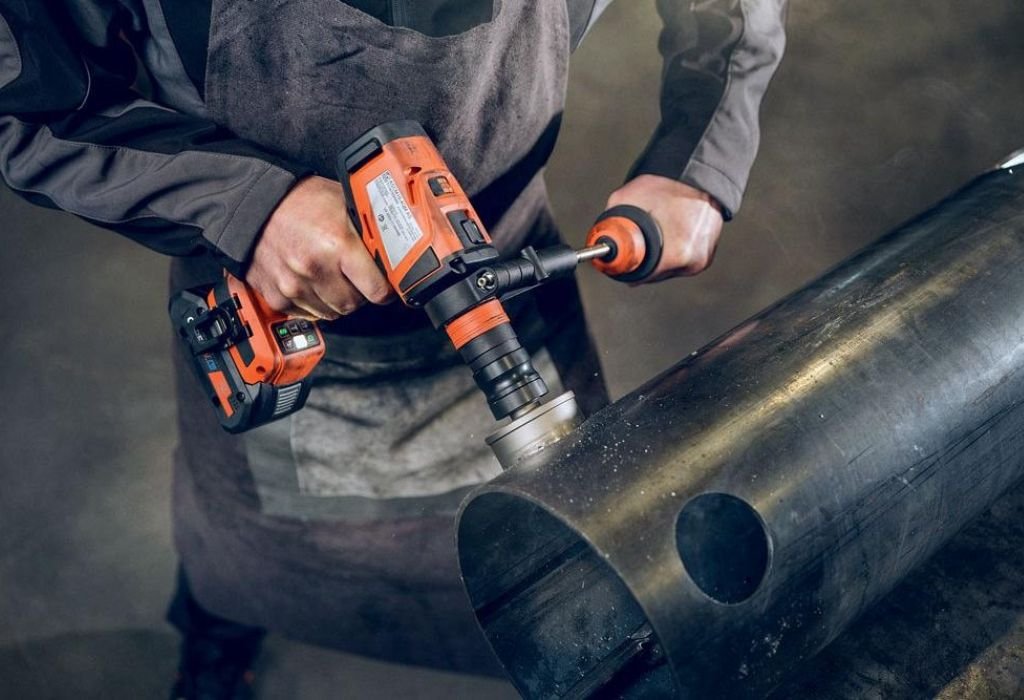
Hole saws are one of the most popular tools for drilling large holes in metal. They cut a circular path and remove a ring of material. Bi metal hole saws are ideal because they resist heat.
Step bits work well for enlarging holes or drilling progressively larger holes. They are perfect for sheet metal and thin steel. Each step increases the diameter smoothly.
Annular cutters provide the cleanest large holes. They remove only the outer edge of the hole, leaving a clean center core. They work best with drill presses but can be used with magnetic drills.
Carbide tipped hole cutters are great for stainless steel. Their cutting edges handle tough alloys easily. These tools work well on heavy duty projects.
Rotary hole punch bits work on very thin metal. They create clean holes without burrs. These are often used for HVAC and sheet metal jobs.
Choosing the right tool ensures faster drilling. The wrong tool overheats quickly. Proper selection prevents tool failure.
Understanding each tool’s purpose makes drilling large holes safer and more efficient. Matching thickness and tool type is critical.
How To Drill A Big Hole In Metal Using A Hole Saw
Start by marking the drilling point clearly. Use a center punch to prevent the pilot bit from slipping. Accurate marking ensures a clean cut.
Clamp the metal tightly to a stable surface. Movement creates jagged edges and unsafe cutting. Proper clamping improves accuracy.
Apply cutting oil to reduce friction. Oil keeps the teeth cool and sharp. It prevents the hole saw from burning out.
Use slow drill speed with steady pressure. High speed creates heat and dulls the teeth. Slow rotation ensures smooth cutting.
Stop periodically to cool the bit. Heat buildup is the biggest enemy during large hole drilling. Cooling prevents warping the metal.
As the hole saw cuts deeper remove metal shavings. This reduces friction and increases efficiency. Clean shavings help the saw cut faster.
Finish the hole by gently easing the saw through the final layer. The final breakthrough must be controlled. A sudden push can damage the edges.
Hole saws work well for round openings. They are reliable for project boxes, pipes and automotive work. They provide a clean circular cut.
Can hole saws cut through thick metal?
Yes but use bi metal or carbide hole saws. Slow speed is required. Lubrication makes a big difference.
Do hole saws get hot while cutting metal?
Yes because friction increases with diameter. Cutting oil prevents overheating. Cooling pauses help.
Can I use a cordless drill with a hole saw?
Yes but torque must be high. Corded drills perform better. Low speed improves control.
Why does my hole saw keep burning out?
Because speed is too high or no lubrication is used. Slow rotation is essential. Use cutting oil.
Do I need a pilot bit for a hole saw?
Yes because it guides the saw. It prevents wandering. A center punch helps even more.
How To Drill Big Holes Using A Step Bit
Step bits work best for thin sheet metal. They create clean holes in sizes up to two inches depending on the bit. Each step increases the hole diameter gradually.
Mark the position clearly before drilling. A center punch improves accuracy. Thin metal needs a stable starting point.
Use slow to medium speed on the drill. High speed overheats the bit and metal. Slow speed increases control.
Apply light pressure. Step bits are not designed for aggressive force. Let the cutting edges shave the metal gradually.
Lubrication helps extend bit life. Oil prevents friction and reduces heat. It creates cleaner holes.
Step bits work well for electrical panels. They provide multiple hole sizes in one bit. They are ideal for soft metals like aluminum.
Step bits cannot handle thick steel. Using them incorrectly damages the bit. They work best on sheet metal only.
How To Drill A Big Hole In Thick Metal
Thick metal requires stronger cutting tools. Annular cutters are the best option for heavy duty materials. They cut only the perimeter which reduces resistance.
Magnetic drills offer excellent stability. They hold firmly to metal surfaces and reduce vibration. This ensures clean, accurate holes.
Start with a pilot hole for thick steel. The pilot hole helps guide larger cutters. This reduces wandering and improves precision.
Use plenty of lubrication. Thick metal produces more heat. Cutting oil protects both the bit and the workpiece.
Apply slow, consistent feed pressure. Too much force breaks cutting teeth. Steady pressure ensures controlled drilling.
Drill breakers must be avoided. When the cutter breaks through, pressure must be eased. This prevents chipping the edges.
Thick metal requires patience. Rushing will damage both the tool and the metal. Controlled drilling creates professional results.
Can I use a regular drill bit for big holes?
Not recommended because large twist bits require high torque. They also overheat easily. Specialized cutters work better.
Do annular cutters need a drill press?
They work best with magnetic drills or presses. Hand drills lack stability. Heavy metal needs controlled cutting.
Why does my drill bog down in thick steel?
Because the drill lacks power. Thick metal requires high torque. Slower speed helps reduce load.
Should I pre drill before using an annular cutter?
Yes in most cases. A pilot hole guides the cutter. It improves accuracy.
Can cutting thick metal damage my drill?
Yes if done at high speed or with low torque tools. Proper technique prevents damage. Slow cutting protects the tool.
Common Mistakes When Drilling Big Holes In Metal
Using high speed is the most common mistake. Metal requires slow controlled rotation. High speed overheats the bit instantly.
Applying too much pressure damages tools. Big holes must be cut slowly. Excess force breaks teeth or chips edges.
Skipping lubrication causes early bit failure. Oil reduces friction significantly. Dry drilling shortens tool life.
Not clamping the metal leads to unsafe conditions. Moving metal ruins alignment. It also risks injury.
Using the wrong bit for metal thickness causes failure. Step bits cannot cut thick steel. Hole saws must match the metal type.
Ignoring pilot holes reduces accuracy. Large bits wander easily. Pilot holes guide them properly.
Failing to cool the tool leads to discoloration and burrs. Heat buildup affects metal hardness. Cooling pauses improve results.
Avoiding these mistakes ensures cleaner holes. Proper technique protects both the metal and the tools.
How To Keep Your Drill Cool While Making Big Holes In Metal
Drilling large holes creates a significant amount of heat which affects both the bit and the metal. High heat reduces cutting efficiency and makes the metal harder to penetrate. Keeping everything cool ensures smoother and safer drilling.
Cutting oil is the most effective cooling method. It reduces friction between the bit and the metal surface. The result is slower wear and a longer lasting tool.
Pausing during drilling also helps reduce heat. Each pause allows air to cool the bit naturally. This prevents overheating and burning the cutting edges.
Spraying water on the metal can also assist with temperature control. Water cools quickly and reduces surface heat. It is useful for long drilling sessions.
Thicker metals require more cooling because they retain heat longer. Without proper cooling the bit may dull quickly. Cooling prevents structural changes in the metal.
Using a drill with adjustable speed gives better control. Running the drill slowly produces less heat. This makes cutting easier and safer.
The goal is to keep heat as low as possible throughout the process. Proper cooling prevents warping, cracking or discoloration. Cooling also helps achieve cleaner cuts overall.
How To Prepare Metal Before Drilling Large Holes
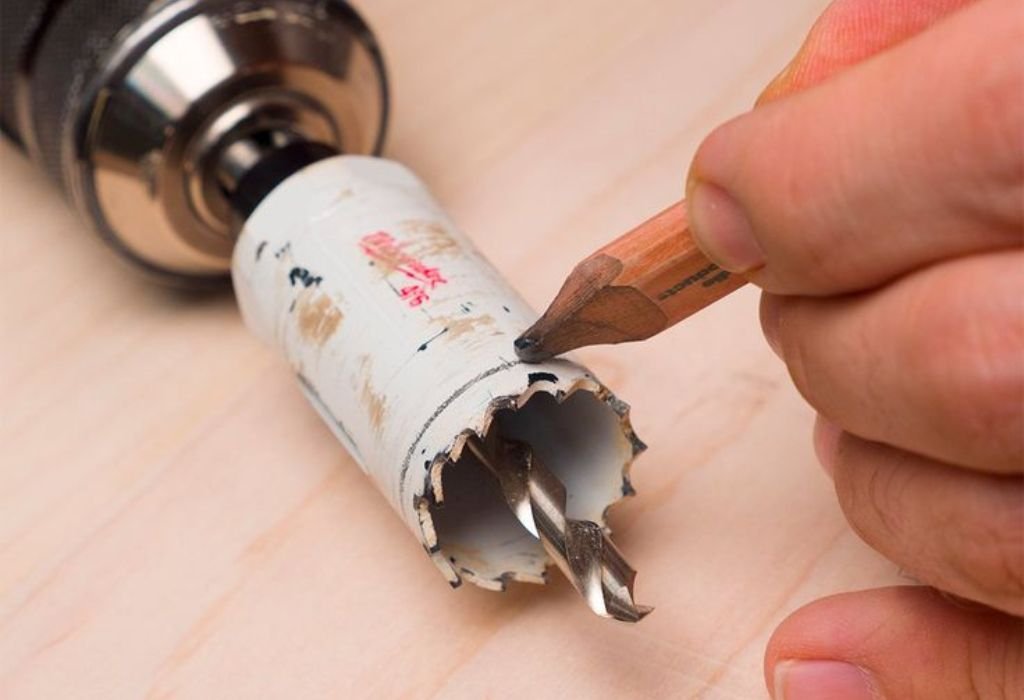
Preparing the metal surface properly ensures accurate drilling. A smooth, clean surface prevents the bit from wandering. Good preparation improves overall cut quality.
Start by cleaning the metal to remove dirt, grease or rust. A clean surface reduces friction and provides better visibility. This also helps the bit grip properly.
Use a center punch to create a small indentation. This indentation guides the drill bit and prevents slipping. Without this step large bits often skid across the metal.
For thicker metal mark the hole outline using a marker or template. Precise marking ensures proper alignment. Templates are especially useful for repeated cuts.
If the metal has sharp edges sand them lightly before drilling. Smooth edges reduce the risk of accidental injuries. It also helps the drill bit start cleanly.
Clamp the metal securely before drilling. Clamping prevents vibration that ruins hole accuracy. Stable metal creates cleaner and safer drilling conditions.
Removing old paint or coatings also helps. Coatings increase friction and produce smoke. Bare metal allows the bit to cut more consistently.
Proper preparation makes drilling easier and safer. Taking a few minutes for setup improves both accuracy and tool life.
Alternative Tools For Making Big Holes In Metal
An angle grinder with a cutting disc is a common alternative for large openings. It removes material quickly and handles thick steel well. However it requires steady hands and full safety gear.
A plasma cutter is ideal for cutting any shape in metal. It uses high heat to melt the metal and create smooth openings. This method is extremely fast and precise for large holes.
A jigsaw with a metal cutting blade can also make large holes. It works well for curves and custom shapes. Clamping the metal is essential for clean cuts.
A metal hole punch is perfect for thin sheet metal. It creates clean circular holes without heat. This tool is often used in HVAC and fabrication work.
A drill press provides maximum control when drilling big holes. It keeps the bit steady and applies even pressure. This ensures highly accurate and professional results.
For very thick steel, an annular cutter on a magnetic drill is the best option. It cuts smoothly and requires less force than large drill bits. This method is used in construction and industrial settings.
Choosing the right alternative tool depends on thickness, hole size and precision requirements. Each tool offers unique advantages for specific types of metal work.
Conclusion
Drilling a big hole in metal is easy when the correct tools and techniques are used. Hole saws, step bits and annular cutters each serve different purposes depending on thickness and metal hardness. Slow drill speed, lubrication and proper clamping ensure safe and clean results.
Using the right tool prevents overheating, rough edges and tool damage. Step bits work well for thin metal while annular cutters handle thick steel. Hole saws provide clean circular openings for many DIY and automotive projects.
Understanding these methods helps complete metal projects efficiently. With patience and the correct setup you can drill large holes in metal safely. Good preparation always leads to professional results.

I’m John F. Nicholas, the founder, lead writer, and drill enthusiast behind 101drill.com. With years of hands-on experience in power tools and DIY projects, I created this platform to share practical knowledge, expert tips, and real-world insights to help others master the art of drilling.