
Drilling a small hole in metal is simple, but drilling a full one inch hole often surprises people with how difficult it becomes.
They quickly notice the drill struggling, the bit overheating, and the metal refusing to cut smoothly. This moment creates confusion and makes the task feel more complicated than expected.
Most homeowners are used to drilling into wood or thin sheet metal, where holes form quickly without much resistance.
But thick steel, iron, or aluminum require the correct tools and balance of pressure, lubrication, and drilling speed. Without these essential steps, the bit dulls and the metal heats up.
Many people try drilling a one inch hole with the wrong bit and find the tool skidding, squealing, or stalling entirely. This creates frustration and sometimes even damages the drill. Understanding why the process is different helps avoid these common mistakes.
Metal is dense and hard, especially when working with structural steel. A large one inch opening requires a step by step approach instead of forcing a single oversized bit into the surface. Knowing the right sequence allows the drill to cut efficiently.
With proper technique, drilling a one inch hole becomes manageable for anyone. The key is patience, preparation, and the correct tools designed specifically for metal. Learning these steps transforms a difficult task into a smooth process.
This guide covers everything you need to know to drill a clean one inch hole in metal safely and efficiently. Whether working on automotive parts, metal plates, or fabrication projects, these methods will help you achieve accurate and professional results.
Understanding the Challenge of Drilling a One Inch Hole
Drilling a one inch hole in metal is much harder than drilling smaller holes because of how much material must be removed. The wider the bit, the more resistance the drill must overcome. This increased friction creates significant heat.
Most standard drill bits are not meant for such large openings. They lack the cutting strength needed for heavy metal removal. Forcing them can cause the bit to chatter or snap.
The drill motor also struggles when powering oversized bits. Many hand drills cannot provide the necessary torque. This causes stalls and uneven drilling.
Metal introduces additional challenges depending on its thickness. Thin sheet metal bends easily while thick steel requires powerful cutting force. Adapting your technique prevents unnecessary stress.
Heat buildup becomes extreme with larger holes. Excessive heat dulls the bit quickly and burns the metal surface. Cutting oil helps reduce this problem.
The correct tool selection greatly influences success. Using hole saws, step bits, or annular cutters makes drilling smoother and safer. Understanding each tool’s strengths ensures better results.
Tools Needed to Drill a One Inch Hole in Metal
One of the best tools for large holes is a step drill bit. Step bits gradually increase in size, removing material in controlled stages. This reduces strain on the drill.
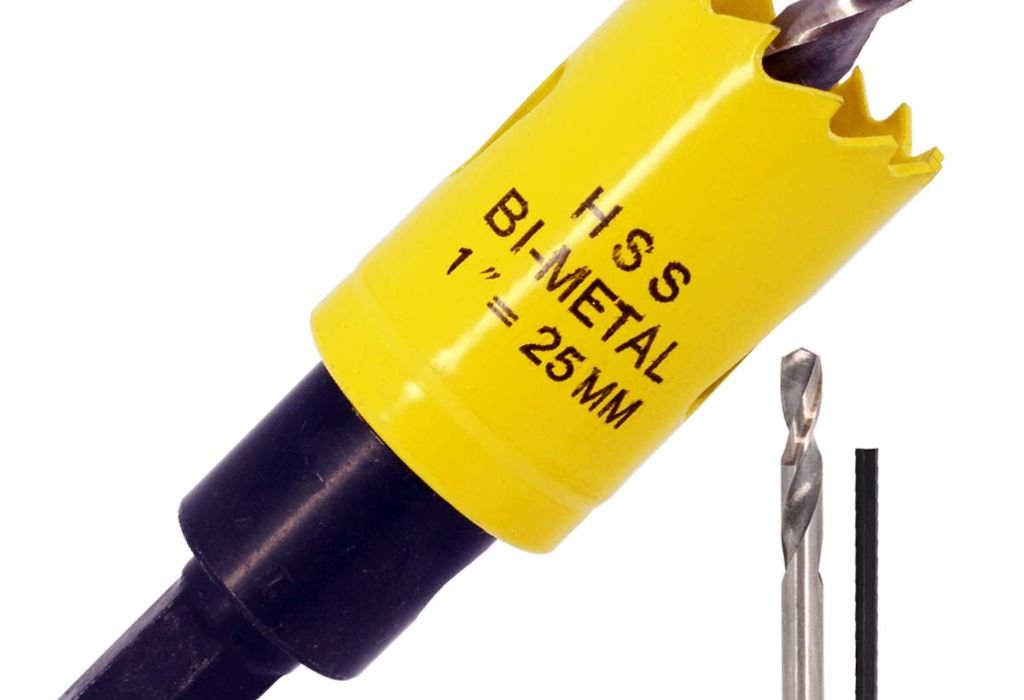
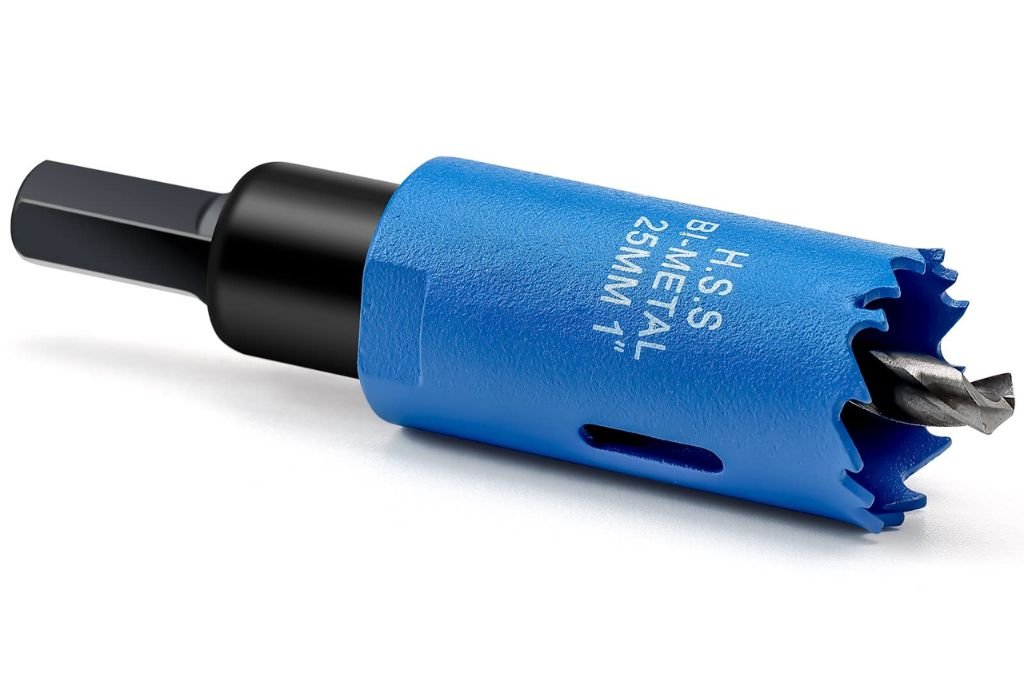
Another effective tool is a bi metal hole saw. These saws cut around the edges of the hole instead of grinding the entire surface. This reduces resistance and improves cutting efficiency.
For thick steel, an annular cutter is the most powerful option. These tools remove only the outer ring of metal, leaving a core intact. This makes them ideal for industrial grade materials.
You also need a strong drill capable of delivering high torque. Corded drills usually perform better than battery operated models. Rotary drills with variable speed offer even more control.
Cutting oil is essential during drilling. It reduces heat, improves cutting speed, and extends bit lifespan. Frequent application ensures smooth progress.
A center punch helps mark the drilling location. This prevents the bit from wandering across the surface. A stable starting point is crucial for clean accuracy.
Preparing the Metal Surface for Drilling
Start by marking the exact center of your hole. Use a marker or scribe to create a visible guide. Accurate marking ensures your final hole is properly aligned.
Next, use a center punch and hammer to create a small dimple in the metal. This slight indentation guides the drill bit at the beginning. Without it, the bit may skid.
Clean the metal surface to remove dirt, paint, or rust. These materials create extra friction. A clean surface improves efficiency.
Clamp the metal securely before drilling. Movement during drilling can damage the bit or cause injury. Proper stabilization ensures safety.
If the metal is thick, secure it on a stable workbench. Thin sheet metal may require backing support. This prevents deformation during drilling.
Apply cutting oil to the surface before starting. This reduces initial friction and cooling needs. A well lubricated surface makes drilling smoother.
Using a Step Drill Bit for a One Inch Hole
A step bit is one of the easiest tools for creating a one inch hole. It cuts gradually from small to large sizes. This staged approach reduces strain.
Start with the smallest step to create the pilot opening. Let the drill cut at slow speed and steady pressure. Avoid forcing the bit.
As you progress through each step, apply cutting oil frequently. This keeps the bit cool. Cool bits stay sharper longer.
Allow the bit to cut naturally without pushing hard. Excessive force damages the bit. Slow and steady movement is key.
Step bits work best on thin to medium thickness metals. They may struggle with very thick steel. For heavy material, another method may be required.
Once you reach the one inch step, rotate at slow speed. Maintain even pressure for a smooth finish. The result will be a clean circular hole.
Using a Hole Saw to Drill a One Inch Hole
A bi metal hole saw is excellent for drilling clean large diameter holes. It uses cutting teeth around the edge to slice through metal. This reduces the need for grinding.
Attach the hole saw to a strong arbor with a pilot bit. The pilot bit guides the saw during the initial cutting. This prevents wandering.
Start drilling at a low speed. High speed overheats the saw. Slow rotation improves control.
Apply cutting oil regularly to keep the saw cool. Heat can warp the metal surface. Proper lubrication avoids this problem.
Use steady forward pressure while allowing the teeth to cut gradually. Do not force the tool. Forcing causes the saw to bind.
Hole saws work well for medium to thick materials. They produce smooth edges when used properly. Cleaning metal shavings frequently improves performance.
Using an Annular Cutter for Thick Steel
Annular cutters are the most powerful solution for drilling one inch holes in thick steel. They function like miniature hole saws but cut more precisely. Their design removes less material.
Mount the annular cutter on a magnetic drill or heavy duty drill press. Portable drills may not handle the power requirements. Stability is crucial.
Apply cutting oil before beginning the cut. This helps the teeth glide smoothly across the metal. Oil also protects the cutter.
Start drilling at very slow speed. High torque tools allow gradual penetration. Controlled cutting prevents tool damage.
Annular cutters produce clean, smooth, and precise holes. They are engineered for industrial use. Their efficiency reduces overall drilling time.
These cutters are ideal when working with structural beams or thick plate metal. Their accuracy ensures professional results. Investing in one saves time for large projects.
Preventing Heat Build Up While Drilling Metal
Heat is the biggest enemy when drilling large holes in metal. Excessive heat dulls bits quickly. It also causes rough cutting.
Using cutting oil is the best method to control heat. Apply it before and during drilling. The oil reduces friction.
Drilling at slow speed also helps. Slower rotations produce less heat. This protects both the bit and the metal.
Avoid applying too much pressure. Hard pushing increases friction. Let the bit remove material gradually.
Take breaks during drilling if the metal becomes too hot. Allowing cooling time prevents warping. The drill motor also benefits from rest.
Well sharpened bits produce less heat. Dull bits struggle and cause overheating. Regular maintenance ensures efficiency.
Common Mistakes When Drilling a One Inch Hole in Metal
One common mistake is using a standard twist bit for large holes. Twist bits are not designed for such diameters. They chatter and overheat quickly.
Another mistake is drilling at high speed. High rotation causes excessive heat. This damages the bit surface.
Some people forget to use cutting oil. Without lubrication, friction rises sharply. This makes drilling inefficient.
Pushing too hard is another issue. Excess pressure damages the bit and drill. Controlled force produces better results.
Many people skip pilot holes. Starting with a large bit causes skidding. A smaller starting hole prevents this.
Failing to secure the metal allows movement. Movement reduces accuracy and increases risk. Clamping the material improves stability.
Safety Tips for Drilling Large Holes in Metal
Always wear safety goggles to protect your eyes from shavings. Metal fragments can fly unpredictably. Proper eye protection is essential.
Wear gloves to protect your hands from sharp edges. Metal cutouts can be dangerous. Durable gloves prevent injuries.
Secure loose clothing before drilling. Sleeves or straps can catch in the drill. This poses serious risks.
Clamp the metal securely to the workbench. Movement during drilling is unsafe. Stability ensures clean results.
Keep the drill at a perpendicular angle. Angled drilling causes uneven holes. Straight alignment improves accuracy.
Unplug the drill before changing bits. Accidental activation is dangerous. Safety procedures prevent accidents.
Quick Tips for Drilling Wide Holes in Metal
Do I need a pilot hole for drilling a one inch hole?
Yes, a pilot hole improves accuracy. It guides the larger bit. It also reduces wandering.
Can a regular drill handle a one inch hole?
Most regular drills struggle with large holes. High torque drills work better. Corded models provide more power.
Is a step bit better than a hole saw?
It depends on material thickness. Step bits suit thin metal. Hole saws suit thicker surfaces.
Does cutting oil really make a difference?
Yes, cutting oil reduces heat. It protects the bit. It improves drilling speed.
Can I drill a one inch hole in stainless steel?
Yes, but use strong tools. Stainless steel is harder. Cobalt bits or annular cutters work best.
Why does my drill bit smoke?
Smoking indicates overheating. Reduce speed and add oil. Overheating dulls the bit.
Can I use a hand drill for very thick metal?
It may struggle with torque. A drill press or magnetic drill is better. Stability improves results.
Why is my hole uneven?
Uneven holes come from bit wandering. Use a center punch. Secure the metal firmly.
How long should drilling take?
Time varies by thickness. Thicker metal takes longer. Steady progress prevents mistakes.
Do I need to deburr the hole afterward?
Yes, deburring removes sharp edges. It improves safety. It also improves appearance.
Conclusion
Drilling a one inch hole in metal can feel overwhelming at first, especially when you discover how much resistance the material creates.
But with the right approach, proper tools, and thoughtful preparation, the process becomes much more manageable. Large holes simply require controlled cutting, steady speed, and careful technique.
Step bits, hole saws, and annular cutters each offer unique advantages depending on metal thickness.
These tools are designed to handle the demands of wide diameter openings far better than standard twist bits. Choosing the right tool ensures smoother cutting and cleaner results.
Heat management is essential when working with metal. Cutting oil, slow drilling speeds, and steady pressure help control temperature and protect the drill bit. These simple habits extend tool life and improve safety throughout the process.
Avoiding common mistakes like skipping pilot holes or applying excessive force prevents damage to tools and materials. Proper clamping and alignment ensure the hole is clean and accurate. Preparation plays an important role in successful drilling.
With the right knowledge and equipment, anyone can drill a clean and precise one inch hole in metal.
The process becomes predictable and efficient once you understand the proper techniques. These steps allow you to complete your projects with confidence and professional quality.

I’m John F. Nicholas, the founder, lead writer, and drill enthusiast behind 101drill.com. With years of hands-on experience in power tools and DIY projects, I created this platform to share practical knowledge, expert tips, and real-world insights to help others master the art of drilling.