
Drilling a pen blank accurately is crucial to making a high-quality handmade pen. Normally, a drill press ensures the hole is centered and straight — but what if you don’t have one?
It’s completely possible to drill pen blanks without a drill press using the right hand tools, patience, and proper technique.
According to Pen Makers Guild, over 40% of beginner pen turners start by drilling pen blanks with handheld or improvised tools before investing in a drill press, proving that accuracy depends more on setup than equipment.
This guide will teach you exactly how to drill a pen blank without a drill press safely, cleanly, and accurately, using simple tools like a hand drill or lathe.
Understanding the Basics of Pen Blank Drilling
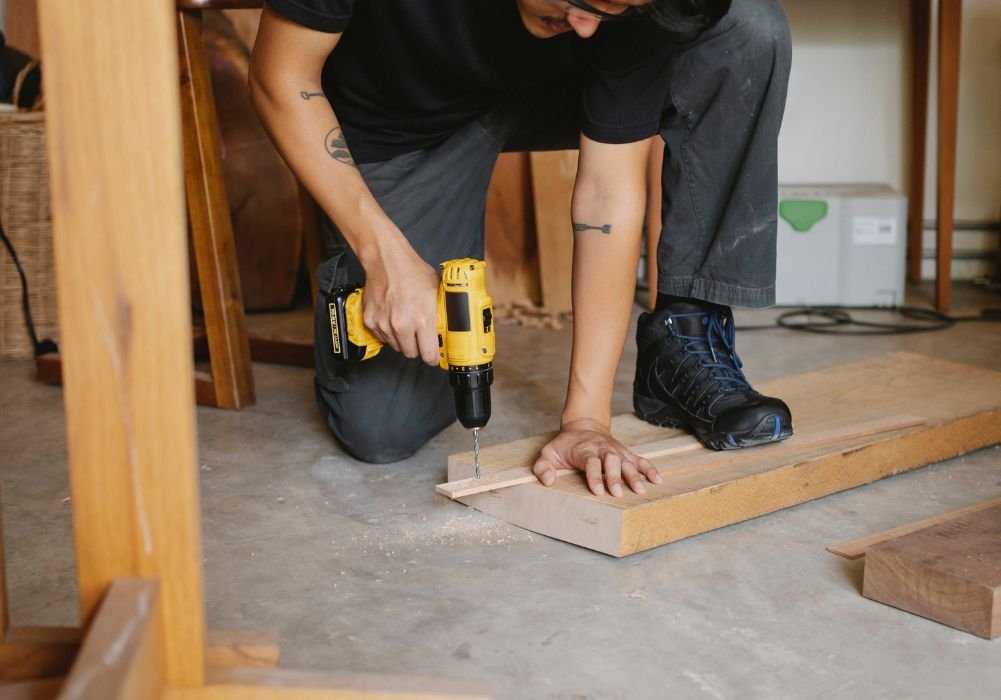
A pen blank is a small block of wood, resin, or acrylic used to create custom pens.
Drilling a centered hole through it allows you to insert the brass pen tube, which later becomes the pen’s internal barrel.
Precision is key — if the hole is even slightly off-center, the blank may crack or turn unevenly on the lathe.
That’s why drilling straight and steady is more important than having expensive equipment.
Tools You’ll Need
You can drill pen blanks using simple tools found in most workshops.
Here’s what you’ll need:
- Handheld power drill or corded drill
- Vise or clamp to hold the blank securely
- Drill bit sized for your pen tube (usually 7mm, 10mm, or 3/8 inch)
- Center punch or awl
- Square or angle guide (to maintain alignment)
- Masking tape for marking drill depth
- Scrap wood for support underneath
Optional tools that improve accuracy include a drill guide jig, lathe chuck, or pen vise.
Step-by-Step Guide: How to Drill a Pen Blank Without a Drill Press
Step 1: Mark the Center of the Blank
Measure the width of your pen blank and mark the center on both ends with a pencil.
Use a center punch or awl to create a small indentation — this prevents the bit from wandering when you start drilling.
Accuracy in marking determines how straight your hole will be later.
Step 2: Secure the Blank Firmly
Clamp the blank in a vise or between wooden blocks to protect its surface.
Make sure it’s perfectly vertical and stable — any movement during drilling will misalign the hole.
If possible, position the blank over a piece of scrap wood. This prevents tear-out as the bit exits the bottom.
Step 3: Set the Drill Bit Depth
Wrap masking tape around the drill bit to mark the desired depth.
The hole should be slightly deeper than your brass pen tube, typically by 1/8 inch.
This simple depth marker helps avoid drilling completely through the blank or stopping too soon.
Step 4: Align the Drill
Hold your drill as straight as possible relative to the blank.
You can use a small carpenter’s square, alignment block, or portable drill guide to maintain a 90-degree angle.
A slow, steady approach works better than trying to power through quickly.
Step 5: Start Drilling Slowly
Begin at low speed and let the bit create a shallow pilot hole.
Once the bit is stable and cutting straight, increase speed gradually while maintaining firm pressure.
Drill halfway through, stop, then flip the blank and continue from the other side. This method reduces drift and keeps the hole centered.
Step 6: Clear Chips Frequently
Every ½ inch or so, back the bit out and clear the chips.
This prevents heat buildup and ensures the bit stays straight.
For acrylic or resin blanks, clearing chips is critical to avoid melting or cracking.
Step 7: Check Alignment Frequently
Stop occasionally to ensure the bit hasn’t started wandering off-center.
A slight correction early prevents wasted blanks later.
If you notice the bit drifting, reduce speed and stabilize the drill angle before continuing.
Step 8: Finish the Hole and Smooth Edges
Once the bit exits the other end, remove the blank carefully.
Use a small file or sandpaper to remove burrs or splinters near the hole.
Double-check that your brass tube fits snugly without forcing it.
Alternative Methods for Drilling Pen Blanks Without a Drill Press
1. Using a Lathe
If you own a mini lathe, it can serve as an excellent substitute.
Mount the pen blank in a chuck and use a drill chuck in the tailstock to hold your bit.
This setup gives perfect alignment since the drill follows the spindle’s axis directly.
Feed the bit slowly using the tailstock handwheel for consistent depth and precision.
2. Using a Drill Guide Jig
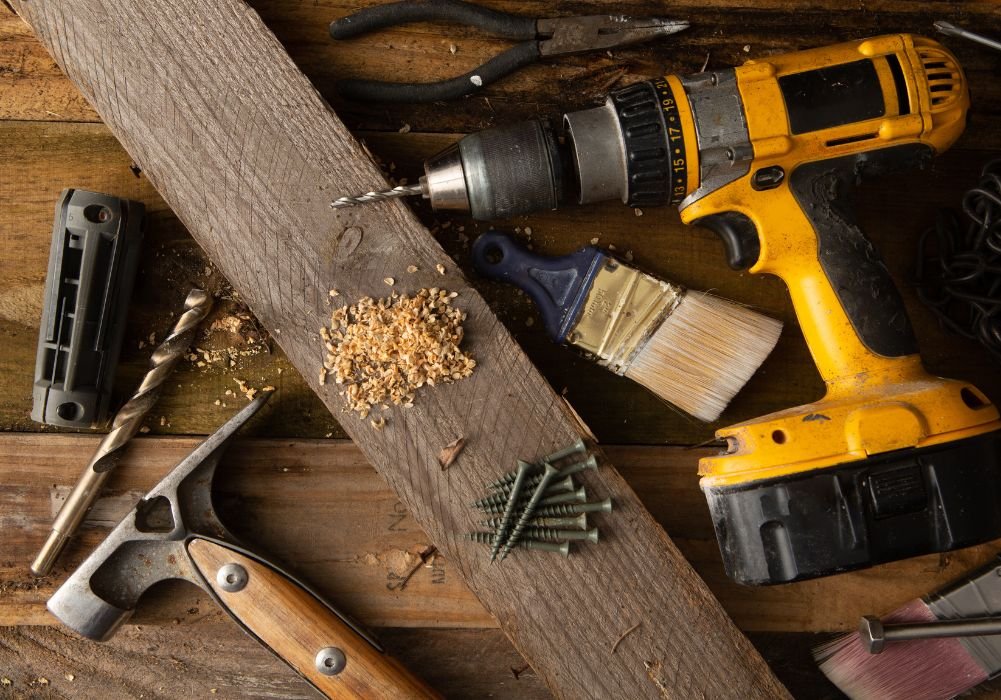
A portable drill guide acts as a manual stand for your hand drill.
It keeps the drill straight and stable while you focus on pressure and feed rate.
Some models even include adjustable depth stops for consistent results. This tool is highly recommended if you plan to drill multiple blanks.
3. Freehand Drilling (Last Resort)
Freehand drilling can work for softwoods or practice pieces.
Hold the blank steady and focus on keeping the drill aligned visually with your center marks.
Use slow speed, light pressure, and short bursts.
While not as accurate, it’s possible to achieve good results with patience and steady hands.
Tips for Accurate Results
- Always use sharp, high-quality bits designed for wood or acrylic.
- Apply moderate pressure; let the bit cut, not burn its way through.
- If the blank starts smoking, back off and clear chips immediately.
- Keep your drill speed between 1000 and 1500 RPM for wood blanks.
- For resin blanks, go slower (around 600–800 RPM) to avoid melting.
A small misalignment in the hole can cause the blank to wobble on the lathe, so accuracy during drilling is crucial.
Common Mistakes to Avoid
- Not securing the blank properly: Leads to misaligned or angled holes.
- Using dull bits: Causes chipping, burning, and rough holes.
- Drilling too fast: Generates heat, which cracks acrylic or melts resin.
- Skipping center marking: Even a 1mm offset can ruin the final pen.
- Ignoring chip clearing: Built-up debris can push the bit off-center.
Avoiding these simple mistakes ensures smooth, accurate drilling every time.
How to Fix Off-Center or Misaligned Holes
If your hole ends up off-center, don’t panic. You can often fix it by trimming the blank slightly or using an oversized bushing during turning.
Another trick is to drill a larger diameter hole, then glue in a slightly thicker pen tube. This can save a valuable blank that’s otherwise ruined.
For minor misalignment, sanding and shaping during turning can often disguise small variations.
FAQs About Drilling Pen Blanks Without a Drill Press
1. Can I drill a pen blank straight with a hand drill?
Yes, if you secure the blank firmly and drill slowly. Using a guide or square helps keep the drill bit aligned for a straight hole.
2. What’s the best alternative to a drill press for pen blanks?
A lathe with a drill chuck in the tailstock is the best substitute. It ensures perfect alignment and control during drilling.
3. What speed should I use when drilling pen blanks by hand?
Keep speeds moderate — around 1000–1500 RPM for wood and 600–800 RPM for acrylic. Going too fast causes heat and misalignment.
4. How do I prevent cracking the blank?
Use sharp bits, drill slowly, and clear chips frequently. Apply wax or lubricant for resin and acrylic blanks to prevent heat buildup.
5. Do I need to drill from both ends of the blank?
Drilling halfway from each end helps maintain straightness and prevents drift, especially when using a handheld drill.
6. Can I use a cordless drill instead of corded?
Yes, as long as it provides enough torque and consistent speed. A corded drill offers steadier power, but modern cordless drills can perform well too.
7. What bit type is best for pen blanks?
Use brad-point bits for wood and standard twist bits for resin or acrylic. Brad-point bits center easily and cut cleanly without tear-out.
8. How can I keep my hole centered?
Always mark the center accurately, clamp securely, and use visual guides or a portable drill jig to maintain alignment throughout drilling.
Final Answer: How to Drill a Pen Blank Without a Drill Press
You can successfully drill a pen blank without a drill press using a hand drill, vise, and careful setup.
Mark the center precisely, clamp the blank securely, and drill slowly while keeping the bit square to the surface.
For best accuracy, use a drill guide or lathe setup to maintain alignment.
With patience, sharp bits, and steady hands, you can create perfectly centered holes that make professional-quality pens.

I’m John F. Nicholas, the founder, lead writer, and drill enthusiast behind 101drill.com. With years of hands-on experience in power tools and DIY projects, I created this platform to share practical knowledge, expert tips, and real-world insights to help others master the art of drilling.