
Before buying a drill press, one question often goes unnoticed—its weight. While most people focus on power, swing, or speed settings, the weight of a drill press can make a major difference in how it performs, where it fits, and how easily it can be moved.
Weight determines more than portability. It affects vibration control, drilling accuracy, and long-term durability. A machine that’s too light may shift or shake during operation, while one that’s too heavy might be difficult to install or relocate.
According to Fine Woodworking, bench drill presses typically range from 30 to 90 pounds, while floor-standing models can exceed 200 pounds, depending on the frame and motor size (source).
The Woodworker’s Journal adds that heavier presses generally provide better precision and less chatter, particularly when drilling through dense materials like steel or oak (source).
Average Weight Ranges of Drill Presses
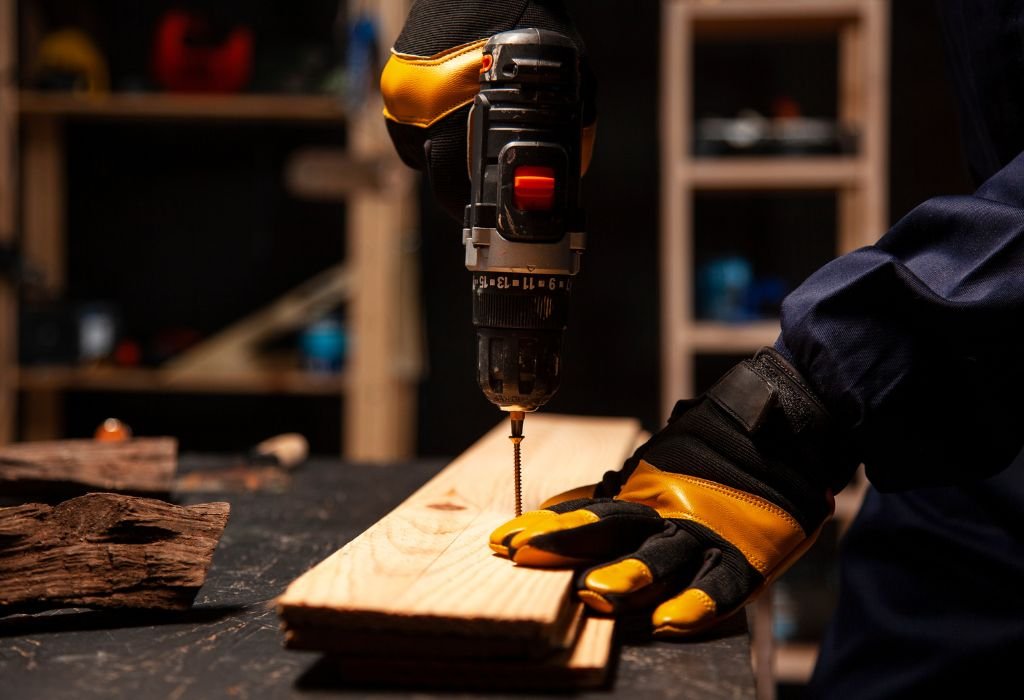
Drill presses come in several categories, each with a different weight range and intended use. The most common are mini, benchtop, and floor-standing models.
Mini drill presses, also known as hobby or micro presses, weigh between 20 and 40 pounds. They’re designed for precision work on small materials like jewelry, circuit boards, or plastic models. Their lightweight construction makes them easy to move but limits their power and drilling capacity.
Benchtop drill presses, the most popular size for home workshops, range from 50 to 100 pounds. They offer a strong balance between power and portability. Many users bolt them to a workbench to eliminate vibration and improve accuracy.
This category suits woodworkers, hobbyists, and small metalworking operations that don’t require industrial capacity.
Floor-standing drill presses are the giants of the group. These machines usually weigh between 150 and 300 pounds, with industrial models going well beyond 400 pounds.
Their heavy cast-iron bases and tall columns provide maximum stability for deep drilling and large workpieces. They’re built for professionals who need strength and endurance for continuous use.
Each weight class corresponds to performance expectations. The heavier the press, the more robust its structure, torque, and precision—at the cost of portability.
Why the Weight of a Drill Press Matters
The weight of a drill press plays a crucial role in how the machine performs. Heavier models absorb vibration better, ensuring the spindle remains steady while cutting through dense materials. This leads to cleaner holes, less runout, and longer bit life.
Lightweight drill presses, while convenient, can transfer more vibration to the work surface. Over time, that can affect accuracy and cause user fatigue. When drilling hard woods or metals, even slight movement can throw off alignment, especially for precision drilling.
Weight also affects how securely the drill press must be mounted. A 60-pound benchtop model may need bolts or clamps, while a 250-pound floor press stays stable on its own due to its low center of gravity. However, heavier presses require strong flooring, proper anchoring, and often a dedicated space.
For mobile users, weight can influence workflow efficiency. Light models are easier to store and relocate, ideal for compact workshops. But for professionals working daily on dense materials, the stability of a heavier model pays off in performance and durability.
Ultimately, the right weight depends on balancing mobility, workspace size, and the level of precision required in your projects.
Comparing Benchtop and Floor-Standing Models by Weight
Benchtop and floor-standing drill presses differ not only in size but also in their weight-to-performance ratio. Understanding these differences helps identify which suits your workshop best.
A benchtop drill press typically weighs between 60 and 90 pounds. It’s compact, easy to mount on a workbench, and perfect for limited spaces.
These presses are often used by woodworkers, hobbyists, and small metal fabricators who prioritize convenience. Their moderate weight allows stable operation for most light-to-medium tasks without being too bulky.
On the other hand, a floor-standing drill press often weighs 150 to 300 pounds. Built with a longer column and larger motor, it provides higher torque, deeper drilling capacity, and improved rigidity.
The heavier base minimizes vibration, even during extended sessions or when using large bits. Industrial presses can reach 500 pounds, offering unmatched precision for professional settings.
The main difference is permanence. Benchtop models can be moved or stored, while floor presses are meant to stay in one spot permanently. Both deliver accuracy, but the heavier press excels in consistency and long-term stability.
Choosing between the two depends on your workspace, drilling volume, and the materials you handle most often.
How Weight Affects Performance and Accuracy
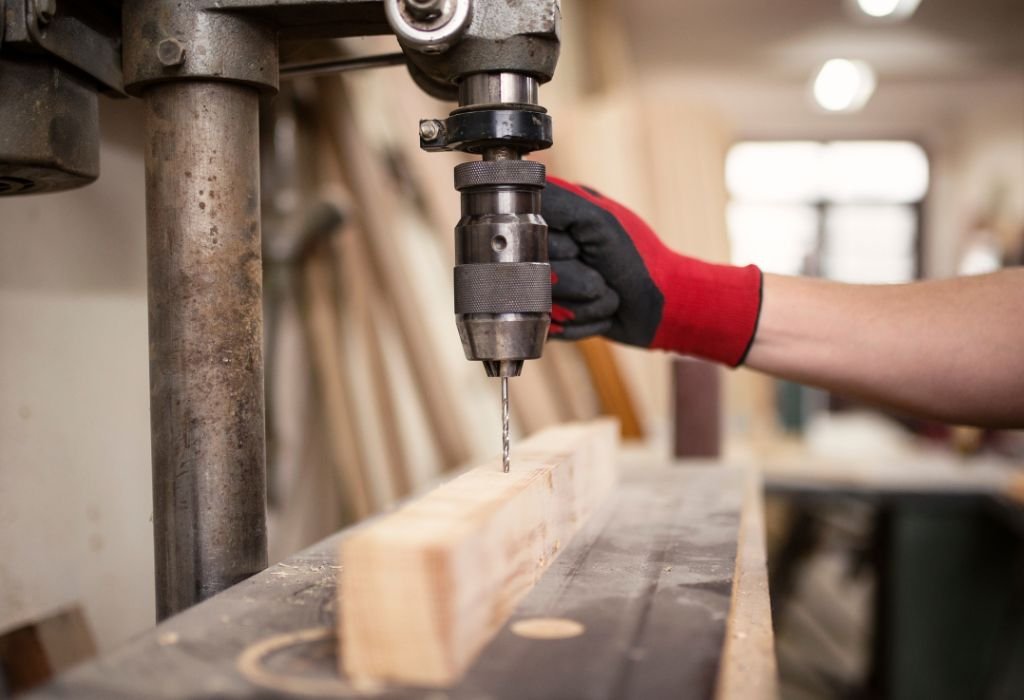
A drill press’s weight directly influences how smoothly it operates and how precise your drilling results are. The heavier the frame, the more resistant it is to vibration, deflection, and lateral movement. This stability ensures the spindle stays true, producing consistent holes every time.
When drilling into hardwood or metal, vibration is one of the biggest enemies of accuracy. A lightweight press can flex slightly under torque, especially if not firmly bolted down. That flexing creates chatter marks and uneven hole walls. In contrast, a 200-pound floor drill press absorbs vibration completely, keeping the drill bit centered and aligned.
Heavier presses also feature more robust bearings and gear mechanisms. These components distribute force more efficiently, reducing stress on the motor and extending tool life. Additionally, the mass of a heavier frame allows for slower spindle speeds without losing torque—a key factor when drilling through thick or hard materials.
For professionals or anyone seeking repeatable precision, a heavier press offers clear advantages. For hobbyists who prioritize portability and small projects, a moderate weight model provides the best of both worlds.
Materials and Build Quality That Influence Weight
The construction material of a drill press determines both its weight and performance. The most common materials are cast iron, steel, and aluminum alloys.
Cast iron is the preferred choice for high-quality drill presses. It’s extremely dense, which reduces vibration and improves drilling stability. Cast-iron bases and columns are responsible for much of the weight in floor models. They also resist bending or warping over time, ensuring the spindle remains aligned even after years of use.
Steel construction is lighter than cast iron but still strong enough for most benchtop models. It offers durability and slightly easier mobility, though it may transmit more vibration if not bolted down securely.
Aluminum components are used in mini drill presses or hobby models where portability is essential. While aluminum drastically cuts weight, it sacrifices rigidity and stability for convenience. These presses are best for light drilling in wood, plastic, or thin sheet metal.
Manufacturers balance these materials strategically. Heavier metals are placed in the base and column for strength, while lighter materials are used in the head assembly to reduce top-heavy imbalance. This design keeps both weight and performance optimized.
Typical Weight by Brand and Model Example
Different brands design their drill presses with unique weight and performance priorities. Looking at a few examples illustrates the variation.
The WEN 4208T 8-Inch Benchtop Drill Press weighs about 32 pounds, making it one of the lightest in its class. It’s designed for hobby woodworkers and small DIY projects.
The JET JDP-15B 15-Inch Benchtop Drill Press comes in at around 170 pounds, built from heavy cast iron for better vibration control. It targets professional users needing industrial-grade precision.
Delta’s 18-900L 18-Inch Floor Drill Press weighs approximately 240 pounds and includes a massive cast-iron base with a laser alignment system. It offers professional-level power and accuracy for woodworking and metal fabrication.
Meanwhile, the Shop Fox W1848 Oscillating Drill Press sits in the middle at 150 pounds, functioning as both a floor and benchtop model. Its dual purpose and sturdy construction make it versatile for mixed-material projects.
These examples show how weight scales with capability. Lighter models emphasize convenience, while heavier machines focus on long-term stability and precision.
Practical Considerations Before Buying Based on Weight
Before purchasing a drill press, think about where and how you’ll use it. Weight influences both installation and workflow. A benchtop model under 80 pounds can sit on most workbenches, but heavier presses may require dedicated stands or reinforced flooring.
Space is another key factor. Heavier presses occupy permanent positions, so measuring clearance and accessibility is essential. If you plan to move the machine frequently, choose one that strikes a balance between stability and manageability.
Transport and assembly should also be planned carefully. A 200-pound press might need two people to lift safely. Many users assemble the column, head, and base in stages to make setup easier.
Finally, consider vibration control. Even light presses benefit from secure mounting. Using rubber pads or bolting the base to the bench helps stabilize the machine, reducing movement during drilling.
Understanding how much a drill press weighs in advance saves time, prevents workspace issues, and ensures your purchase matches your project requirements.
Safety and Maintenance Tips for Heavier Drill Presses

Operating heavier machinery requires attention to safety and care. The extra mass provides stability, but it also demands proper setup and maintenance.
Always position the press on a level surface. Uneven flooring can cause tipping or vibration, especially on tall floor models. Secure the base with bolts or clamps if the surface allows it. For heavy presses over 200 pounds, anchoring directly to the floor or a solid platform is best.
During operation, avoid leaning on the table or head assembly. Even though these machines are sturdy, unnecessary pressure can affect alignment. Keep moving parts clean and lubricated, particularly the quill and spindle, which experience the most wear.
Regularly check fasteners on the base, motor mount, and table adjustments. Heavy machines generate strong torque, which can gradually loosen bolts. Cleaning metal dust and lubricating bearings ensures smooth performance for years.
Proper maintenance not only keeps operation safe but also extends the life of your investment. A well-maintained heavy press can last decades with consistent accuracy.
FAQs – How Much Does a Drill Press Weigh?
How much does a standard drill press weigh?
Most benchtop drill presses weigh between 50 and 100 pounds, while floor-standing models range from 150 to 300 pounds depending on materials and motor size.
Why does the weight of a drill press matter?
Weight affects stability, vibration control, and precision. Heavier presses drill smoother and more accurately, while lighter ones are easier to move but less stable.
Is a heavier drill press always better?
Not necessarily. Heavier models provide greater accuracy, but if your workspace is small or mobile, a midweight benchtop drill press may be more practical.
How much does a mini or hobby drill press weigh?
Mini drill presses typically weigh 20 to 40 pounds, making them ideal for small crafts, jewelry work, and light materials.
What is the heaviest type of drill press?
Industrial floor drill presses can weigh 400 pounds or more, designed for heavy-duty metalwork and continuous shop operation.
Does drill press weight affect portability?
Yes. Lighter presses can be stored or moved easily, while heavier ones are intended for permanent installation in workshops or factories.
What materials make a drill press heavier?
Presses made from cast iron and steel weigh more due to their dense construction, which increases strength and reduces vibration.
Can lightweight drill presses still be accurate?
Yes, if they are properly bolted or clamped to a stable surface to minimize vibration and movement during drilling.
How do I safely move a heavy drill press?
Disassemble major components like the head and table before lifting. Use two people or a hoist for models over 150 pounds.
Should drill press weight influence my buying decision?
Absolutely. Consider your workspace, material types, and project size. Choose a weight that balances stability, precision, and portability for your needs.
Conclusion
Knowing how much a drill press weighs is more than a technical detail—it’s a guide to choosing the right tool for your workshop’s needs. Weight affects precision, vibration control, and portability, shaping how effectively the machine performs over time.
An 8-inch benchtop press weighing around 60 pounds is perfect for light woodworking and home projects. A 150- to 250-pound floor press suits professionals who need deep drilling capacity and unshakable stability.
Understanding these ranges helps buyers avoid mistakes and ensures their machine matches both space and skill level.
The heavier the drill press, the more accurate and consistent the drilling results become. However, increased weight demands stronger setup, proper anchoring, and space planning. Balancing these factors ensures that the machine fits your workflow perfectly.
Whether you’re equipping a small home workshop or building an industrial workspace, considering the drill press’s weight before purchase guarantees efficiency, longevity, and safety. A well-matched machine doesn’t just drill holes—it transforms precision work into lasting craftsmanship.

I’m John F. Nicholas, the founder, lead writer, and drill enthusiast behind 101drill.com. With years of hands-on experience in power tools and DIY projects, I created this platform to share practical knowledge, expert tips, and real-world insights to help others master the art of drilling.