
Picture yourself in a workshop surrounded by tools. You’re about to drill a series of holes when your handheld drill starts to wobble and skip. It’s frustrating—and costly when precision matters. That’s when most people realize the value of a drill press.
But as you start shopping, one question stands out: how much are drill presses? Prices range from under $100 for small benchtop units to more than $5,000 for industrial machines. The gap is huge, and the reasons behind it aren’t always obvious.
A drill press isn’t just another tool. It’s a long-term investment that determines how accurate, fast, and consistent your drilling will be.
According to CNC Masters, basic models start near $50, while advanced industrial presses can cross $5,000. Source Similarly, Wood and Shop notes that most hobbyists spend $150–$600, balancing performance and cost.
What Exactly Is a Drill Press?
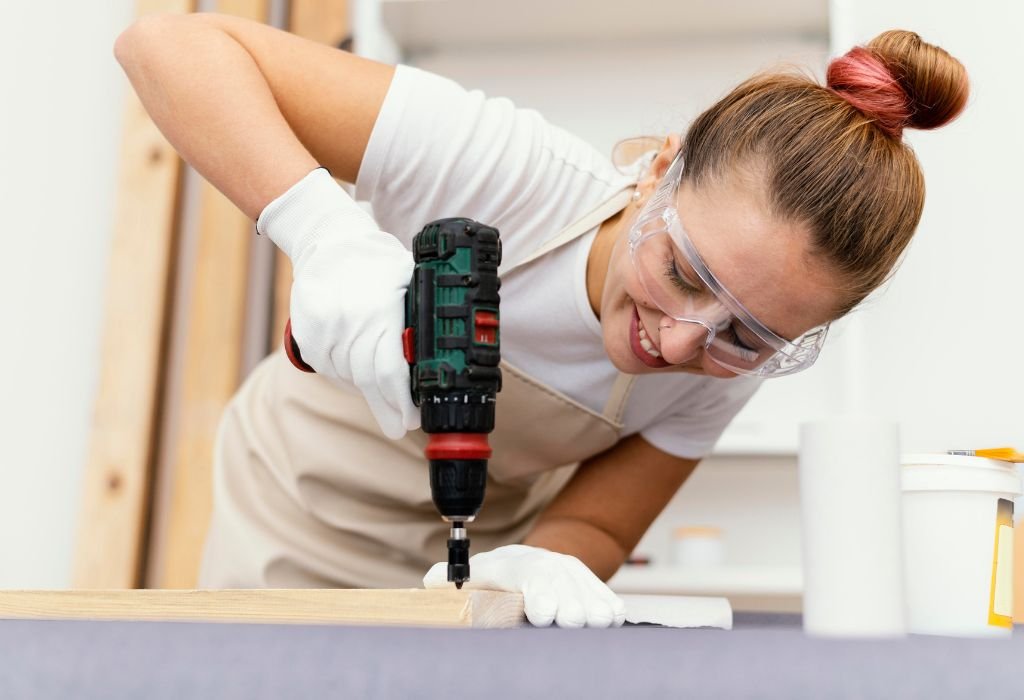
A drill press is a precision machine that holds a drill bit in perfect vertical alignment while allowing adjustable depth and consistent force. It eliminates wobble, misalignment, and uneven holes common in handheld drilling.
Unlike handheld drills that rely on user stability, a drill press uses a fixed spindle and table, providing control and accuracy that professionals depend on. Whether you’re working with wood, metal, or plastic, it delivers the repeatability essential for clean, professional results.
Drill presses come in several configurations. Benchtop models are compact and ideal for small workshops. Floor-standing presses offer higher power, deeper travel, and more torque for heavy-duty work. Specialized versions like magnetic drill presses serve construction or metal fabrication where portability and strength matter.
Size is measured by swing, which equals twice the distance from the spindle’s center to the column. A 10-inch press can reach the center of a 5-inch board, while larger floor models can handle much wider materials.
Ultimately, a drill press is the bridge between DIY convenience and industrial precision—offering both control and consistency that other tools can’t match.
How Much Are Drill Presses? Typical Price Ranges and Key Cost Factors
Drill press pricing varies widely because not all machines serve the same purpose. From compact benchtop tools for home workshops to professional-grade equipment for fabrication shops, prices reflect size, power, and precision.
Entry-level benchtop drill presses often start around $50–$150. These are great for light woodwork or simple household projects. They feature small motors, limited swing sizes, and fewer speed options, but still deliver good accuracy for casual users.
Mid-range models, priced between $300–$800, are the sweet spot for most serious DIYers and small professionals. They feature more horsepower, deeper quill travel, and variable speed options, offering flexibility across materials like hardwood or mild steel.
Professional and industrial drill presses begin around $1,000 and can exceed $5,000. These heavy-duty machines feature cast iron frames, precision-engineered spindles, and powerful motors capable of extended runtime and minimal run-out.
According to Barbo Machinery, floor drill presses built for production environments often cost several thousand dollars due to their high precision, digital control systems, and durable materials. Source
What is the average cost of a quality drill press?
A reliable mid-range model typically costs $400–$800, offering the best balance between performance and durability.
Why are industrial models so expensive?
They use premium bearings, thicker castings, and precision engineering for continuous heavy use, justifying their higher cost.
Do prices differ for woodworking vs metalworking presses?
Yes. Metalworking drill presses require more torque and slower speeds, which increases build complexity and cost.
What Features Affect Drill Press Pricing the Most
Features make the biggest difference in how much a drill press costs—and how well it performs. Understanding them helps you pay for what matters, not for marketing.
One major factor is swing size. Larger swing equals a bigger drilling capacity, allowing you to handle wider materials. Bigger swing also means a larger frame and heavier build, driving cost upward.
Next is motor horsepower. A 1/3-horsepower press handles softwood and small holes, but thicker metal may need 3/4 HP or more. More power means higher torque, heavier parts, and higher prices.
Speed control is another key variable. Basic belt-driven presses are affordable but require manual pulley changes. Variable-speed or electronic drive systems allow quick adjustments and smoother drilling—but cost more to manufacture.
The build material also matters. Cast iron provides excellent stability and vibration control but adds cost compared to lightweight alloys. Machines with precision bearings and hardened steel spindles also last longer, which increases price.
Finally, accuracy and convenience features—like digital speed readouts, laser crosshairs, and LED lights—make operation easier and safer, though they also push prices higher.
Does variable speed make a big difference?
Yes. It saves time and improves accuracy when switching materials, especially for users who drill frequently.
Is a cast iron base worth the cost?
Absolutely. It reduces vibration and ensures precision, which is critical for consistent hole depth and alignment.
How much does horsepower influence performance?
Higher horsepower allows drilling thicker materials and larger holes without overheating or stalling.
How to Choose the Right Drill Press for Your Needs
Buying a drill press isn’t just about price—it’s about purpose. The right machine depends on what you drill, how often you work, and how much space you have.
Start by identifying your main materials. Woodworkers can use lighter benchtop models, while metalworkers need stronger motors and slower speeds for proper torque. If you frequently switch materials, opt for a variable-speed press.
Consider your workspace. Small garages or home shops benefit from benchtop designs that are portable and compact. Larger shops with dedicated workstations can invest in floor models for extended power and capacity.
Usage frequency also matters. If you drill occasionally, an entry-level model will last years. For daily or commercial use, spending more upfront ensures reliability and smoother operation.
Budget should follow need—not hype. A $400–$800 drill press serves 80% of users perfectly. Spending more makes sense only when you need advanced features or handle industrial workloads.
What size drill press do I need for home use?
An 8–10 inch benchtop model with at least 1/3 HP is ideal for light to medium projects.
Is it better to buy a floor or benchtop drill press?
Benchtop models save space and money; floor models offer higher precision and power for professional use.
Can one machine handle both wood and metal?
Yes, but it must have adjustable speed control and the right bits for each material.
Typical Budget Tiers – What You Get for Your Money
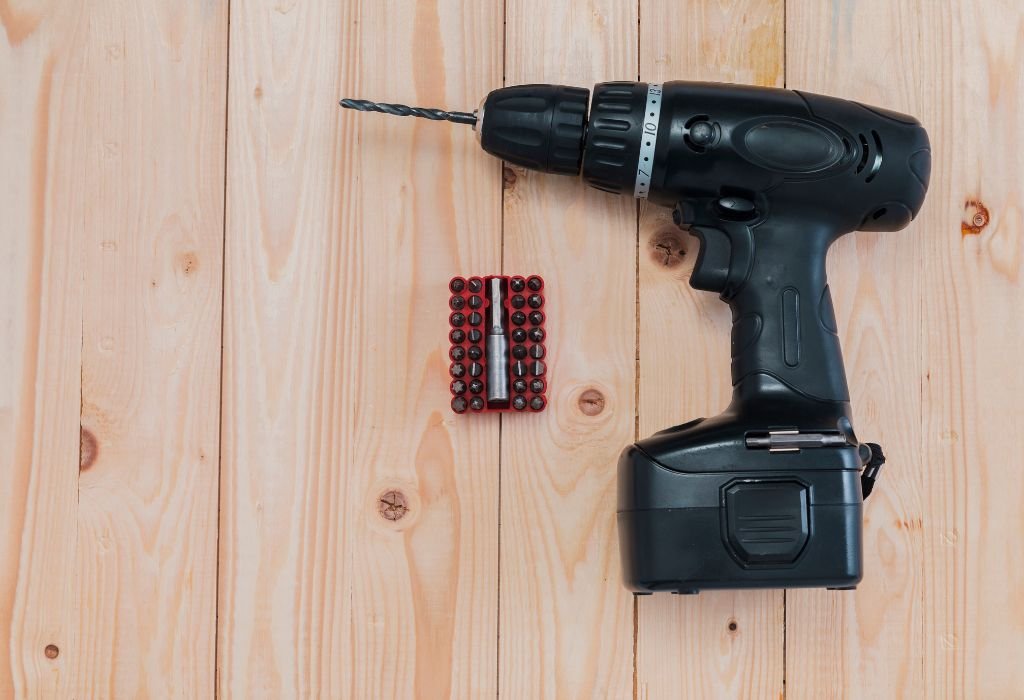
Price tiers tell you what kind of performance and build quality to expect before buying.
Under $200 – Entry-Level
Lightweight benchtop models with small swing and limited depth. Ideal for hobbyists or beginners needing occasional precision.
$300–$800 – Mid-Range
The best balance for most users. These offer stronger motors, smoother operation, better stability, and optional variable speed.
$800–$2,000 – Premium Range
Built with cast iron frames, deeper quill travel, and precision machining. Suitable for heavy woodworking, light metalwork, or small workshops producing daily output.
$2,000 and Above – Industrial Level
Massive machines with continuous-duty motors, digital controls, and superior accuracy. Designed for production environments and high workloads.
For most home or small-business users, the mid-range category delivers the highest value—balancing performance, lifespan, and cost.
Future Trends and Maintenance Considerations
The evolution of drill presses shows a clear shift toward precision, safety, and smart integration. Newer models increasingly include digital RPM displays, laser alignment systems, and touch-free depth controls.
Manufacturers are experimenting with brushless motors for longer life and energy efficiency. Some brands now offer drill presses with Bluetooth-enabled diagnostics for tracking usage and performance—features once found only in industrial CNC machines.
Maintenance also plays a role in total ownership cost. Regular cleaning, lubricating moving parts, and checking spindle run-out can extend lifespan dramatically. Neglecting this care often leads to vibration, inaccuracy, and costly repairs.
High-end machines, though expensive, reduce maintenance frequency thanks to stronger bearings, tighter tolerances, and better cooling systems. Over time, they often cost less per year of use than cheaper alternatives.
Accessories—like vises, fences, or dust-collection systems—also enhance usability and safety. Including these in your initial budget helps you get full value from your purchase.
Conclusion
So, how much are drill presses? The answer depends on what kind of work you do. Basic models cost under $200, while professional machines reach $2,000+ and industrial-grade systems can exceed $5,000.
For most users, a $400–$800 drill press offers the perfect combination of accuracy, longevity, and value. It’s powerful enough for serious work yet affordable for hobbyists upgrading from handheld tools.
A drill press is more than a price tag—it’s a precision partner in every project. Choose a model that aligns with your goals, maintain it properly, and it will reward you with decades of reliable performance and perfectly drilled holes.

I’m John F. Nicholas, the founder, lead writer, and drill enthusiast behind 101drill.com. With years of hands-on experience in power tools and DIY projects, I created this platform to share practical knowledge, expert tips, and real-world insights to help others master the art of drilling.