
A technician points a compact handheld tool toward a frozen pipe and within seconds warm air begins flowing from its nozzle.
The metal surface rapidly heats up without open flame or sparks. This simple moment captures the core reason people want to understand the heat gun working principle.
From paint removal and plastic shaping to electronics repair and automotive work, heat guns appear in countless industries. Many users operate them daily without ever thinking about what actually happens inside the tool.
Yet inside every heat gun is a carefully balanced system of electricity, heating elements, airflow, and temperature control.
Understanding the working principle of a heat gun explains why it can safely generate such intense heat without combustion.
It also reveals how consistent airflow protects internal components while directing thermal energy outward. This guide breaks down every stage of the heat gun working process in simple technical detail.
What a Heat Gun Is and Why It Is Used
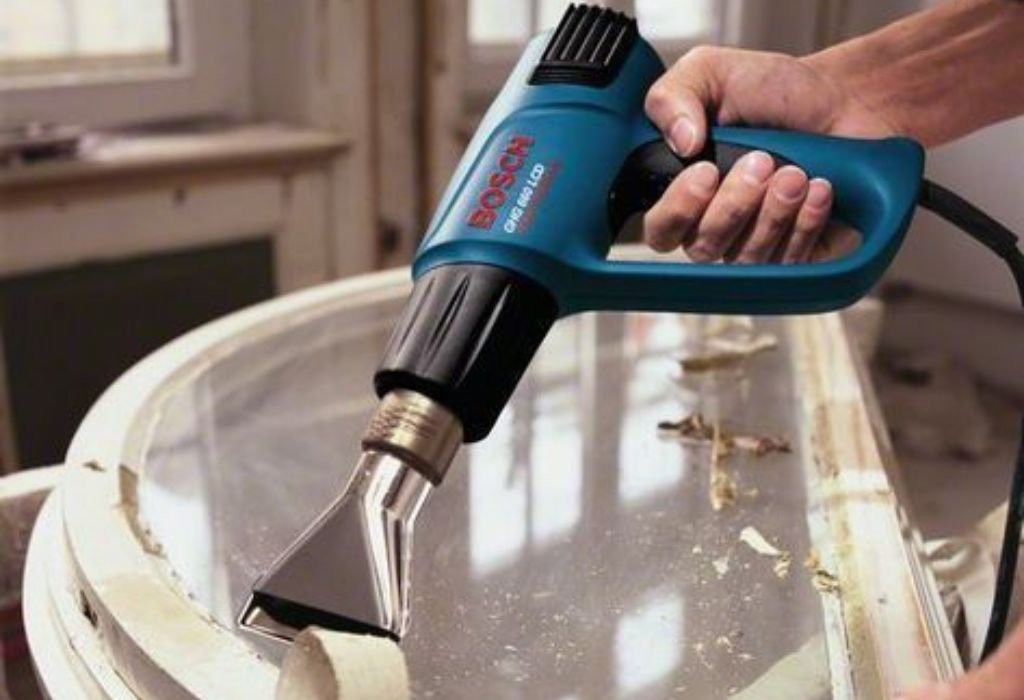
A heat gun is a handheld electric tool designed to produce a focused stream of hot air. It uses internal electrical heating components and a built-in fan. This combination generates controlled high temperatures without an open flame.
Heat guns are widely used for softening materials, drying surfaces, and activating adhesives. Paint stripping becomes easier because heat weakens the bond between paint and substrate. Plastic shaping relies on controlled heat to allow bending without cracking.
Unlike blowtorches, heat guns do not use fuel combustion. They rely entirely on electrical energy for heat generation. This eliminates flame hazards in many applications.
Heat guns operate across a wide temperature range depending on design. Some models deliver low heat for drying while others exceed 600 degrees Celsius. This versatility allows one tool to handle many tasks.
Industrial and DIY users both depend on heat guns for precision heating. The tool delivers concentrated thermal energy exactly where needed. That control is what makes the heat gun so valuable.
In simple terms, a heat gun replaces fire with electrically controlled hot air. It provides directed heat with adjustable intensity. This defines its core purpose in modern work environments.
Basic Heat Gun Working Principle Explained
The heat gun working principle begins with electrical energy entering through the power cord. This electricity flows directly to the internal heating element. Electrical resistance within that element converts energy into heat.
At the same time, an internal electric fan starts spinning. The fan draws cool air into the tool through rear air vents. This incoming airflow passes across the hot heating element.
As the air contacts the heated coils, its temperature rises rapidly. The now-heated air is pushed forward through the nozzle. This creates the focused stream of hot air delivered to the work surface.
The combined action of heat generation and forced airflow makes the heat gun effective. Without airflow, heat would remain trapped inside the housing. Airflow transfers that heat safely outward.
Temperature control circuitry regulates how much electricity flows to the heating element. Lower power creates lower heat while higher power increases temperature. This allows adjustable heat output for different tasks.
The entire working principle relies on controlled electrical heating and continuous airflow. Heat is produced internally and transported externally using forced air. This controlled thermal delivery defines heat gun behavior.
Main Internal Components of a Heat Gun
The heating element is the heart of every heat gun. It is typically made from coiled resistance wire wrapped around insulating formers. This element generates intense heat when electricity flows through it.
The electric fan motor is responsible for airflow. It continuously pulls cooler air through rear intake vents. This air then moves across the heating element toward the nozzle.
Insulation layers protect the outer housing from extreme internal temperatures. These layers prevent heat from damaging plastic tool casings. Proper insulation also protects the user from burns.
The temperature control switch determines how much electrical power reaches the heater. This switch allows low, medium, or high heat selection. Advanced models use electronic regulators instead of simple switches.
Nozzles shape and direct the hot air stream. Different nozzle designs focus or spread the heat pattern. This affects how heat transfers to the workpiece.
The internal wiring and safety fuses protect the tool from overload and short circuits. These systems shut down power if unsafe conditions occur. Together, these components form the complete internal heat gun system.
Does a heat gun use fire to create heat?
No, it uses electrical resistance heating without any flame.
Is the fan important in the heat gun working principle?
Yes, the fan moves hot air outward and prevents internal overheating.
What material is the heating element made of?
It is made of high resistance wire designed for extreme temperature.
Can a heat gun work without airflow?
No, airflow is required to move heat safely out of the tool.
Is a heat gun safer than a blowtorch?
Yes, because it does not use open flames or fuel.
How Electrical Energy Converts Into Heat
Electrical energy enters the heat gun through the power cord and reaches the heating element. The element is made from high resistance wire. Resistance forces electricity to convert into thermal energy.
As electrons pass through the resistance wire, friction is created at the atomic level. This friction generates heat continuously as long as current flows. Higher current produces higher temperature.
The resistance wire is carefully designed to withstand extreme heat. It does not melt easily under operating temperatures. Heat stability keeps the heat gun functional during long use.
Electrical insulation separates the hot element from other components. This protects internal wiring from heat damage. It also prevents short circuits inside the tool.
Power regulation controls how much electricity reaches the heating element. Low power produces low heat while high power increases thermal output. This is the foundation of temperature adjustment.
This electrical to thermal conversion happens instantly when the trigger is pressed. There is no delay from fuel ignition. This makes heat guns fast and predictable heat sources.
Airflow System and Temperature Control Mechanism
The airflow system works together with the heating element inside the heat gun. A built-in fan motor draws air from rear intake vents. This air moves directly across the hot coil.
As air contacts the heated element, its temperature rises rapidly. The fan pushes this heated air forward through the nozzle. This forms the hot air stream used for work.
Without continuous airflow, heat would remain trapped inside the housing. Internal temperatures would rise beyond safe limits. The airflow protects both the tool and the user.
Temperature control is achieved by regulating electrical flow to the heating element. Higher electrical flow creates stronger heating. Lower flow reduces heat output.
Some heat guns use stepped switches for temperature selection. Others use digital controllers for precise regulation. Both methods operate on the same electrical principle.
Airflow speed also influences temperature behavior. Faster airflow reduces air temperature but increases heat transfer volume. Slower airflow increases temperature concentration at the nozzle.
Does stronger airflow reduce heat gun temperature?
Yes, faster airflow lowers air temperature but increases heat volume.
Can a heat gun overheat without airflow?
Yes, airflow is essential for cooling the internal heating system.
Is the fan always running during heat gun operation?
Yes, the fan runs continuously when the heating element is active.
Do digital heat guns control temperature more accurately?
Yes, electronic regulators provide finer control than manual switches.
Does airflow direction affect heating performance?
Yes, focused airflow delivers more concentrated heat to a target area.
Temperature Settings and Digital Heat Regulation
Basic heat guns use two-stage temperature settings. One stage delivers moderate heat and the other delivers high heat. This simple control suits most general tasks.
Advanced models include digital temperature displays. Users can select exact temperature values in degrees. This allows precise heat management for sensitive materials.
Electronic temperature regulation uses internal sensors close to the heating element. These sensors monitor real-time heat output. Power is adjusted automatically to maintain the selected temperature.
This closed-loop system prevents overheating and temperature fluctuation. Constant regulation improves work accuracy. It also protects the heating element from overload.
Digital regulation is especially useful in electronics repair and plastic welding. Sensitive materials require narrow temperature windows. Stable heat prevents component damage.
Temperature control is a critical extension of the heat gun working principle. It transforms raw electrical heat into precision thermal output. This enables safe use across many industries.
Applications Based on Heat Gun Working Principle
Paint removal relies directly on heat softening chemical bonds. The hot air weakens paint adhesion to surfaces. This allows easy scraping without sanding.
Plastic shaping depends on controlled heat softening. Thermoplastics become flexible under heat. Once cooled, they retain the new shape.
Shrink tubing installation uses focused thermal contraction. Heat causes the tubing to shrink tightly around wires. This creates insulation and strain relief.
Adhesive activation relies on heat to soften glue layers. Hot melt adhesives flow under heat. This enables strong bonding between materials.
Frozen pipe thawing depends on gradual heat transfer. Hot air warms pipe walls without direct flame. This prevents sudden expansion and pipe cracking.
Each application follows directly from the heat gun working principle. Controlled hot air delivers targeted thermal energy. The same principle supports all these tasks.
Safety Systems Built Into Heat Guns
Thermal cut-off switches protect the heat gun from internal overheating. These switches disconnect power when unsafe temperatures are detected. Power resumes only after cooling.
Internal fuses protect against electrical overload. Excess current triggers fuse failure to prevent circuit damage. This avoids fire risk from short circuits.
High temperature insulation shields the outer body from extreme heat. This prevents surface burns during normal operation. Insulation is a vital safety barrier.
Nozzle guards reduce accidental contact with the hottest metal areas. These guards prevent direct skin exposure. Burn risks drop significantly with this protection.
Ventilation path design prevents hot air recirculation inside the housing. Proper vent design maintains stable internal airflow. This protects electronic components from heat buildup.
Safety systems operate silently in the background. Users rarely notice them unless a fault occurs. These systems make modern heat guns far safer than early designs.
Does a heat gun shut off automatically if it overheats?
Yes, most modern heat guns include automatic thermal cut-off protection.
Are heat gun outer bodies safe to touch during use?
Yes, insulation keeps housing temperatures within safe limits.
Can a heat gun cause electrical fires?
Only if safety systems are damaged or bypassed.
Do all heat guns contain internal fuses?
Most models include internal overload protection.
Is nozzle contact the main burn risk?
Yes, the metal nozzle area reaches the highest temperatures.
Common Working Principle Faults and Failures
Heating element burnout is one of the most common failures. Continuous high temperature weakens resistance wire over time. Eventually, the element breaks and stops heating.
Fan motor failure stops airflow through the tool. Without airflow, internal heat rises dangerously. This often triggers thermal cut-off or permanent damage.
Electronic temperature control boards can fail from heat stress. Repeated thermal cycling weakens solder joints and circuits. This causes unstable temperature behavior.
Blocked air vents disrupt proper airflow. Dust and debris restrict air entry. Reduced airflow causes overheating and inefficient heating.
Wiring insulation breakdown occurs under prolonged high heat exposure. Exposed wires risk short circuits. This becomes a serious electrical safety hazard.
Most failures originate from heat stress or airflow restriction. The working principle depends on balance between heat and air. Disruption on either side causes malfunction.
How Heat Transfer Occurs at the Work Surface
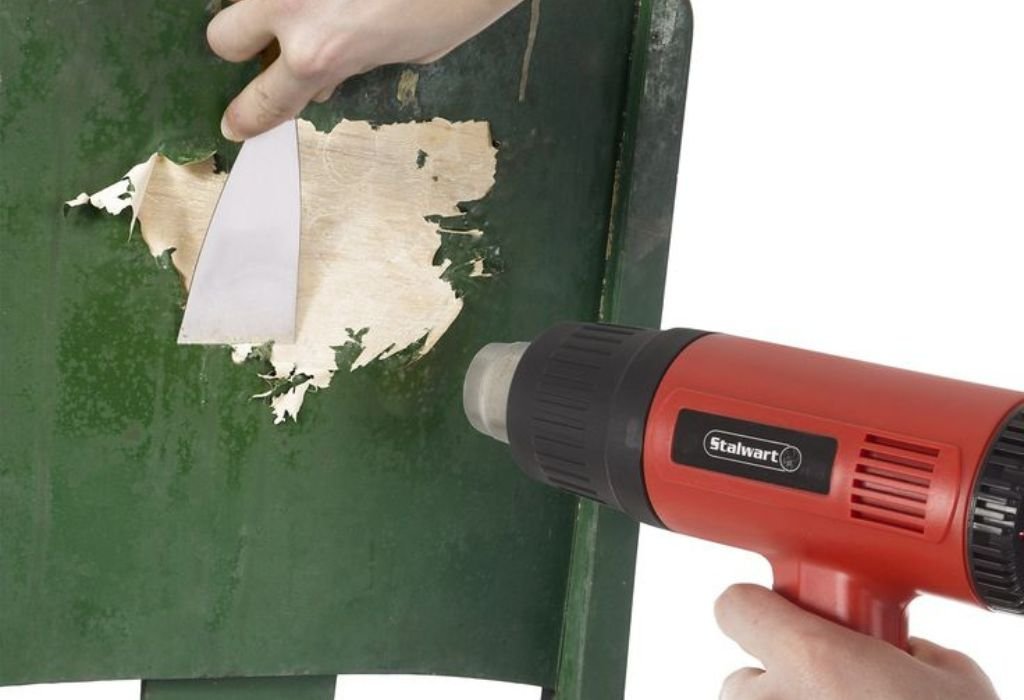
Heat transfer from a heat gun occurs through forced convection. Hot air molecules collide with cooler surface molecules. Energy transfers from hot air to the material surface.
The rate of heat transfer depends on air temperature and speed. Higher temperature increases energy potential. Faster airflow increases the number of collisions per second.
Material type affects how quickly heat is absorbed. Metals transfer heat rapidly. Plastics and wood absorb heat more slowly.
Surface color also influences heat absorption. Dark surfaces absorb heat faster than light surfaces. This affects heating speed during application.
Distance between nozzle and surface controls heat intensity. Closer distance concentrates thermal energy. Greater distance spreads heat over a wider area.
All heat gun applications rely on this same transfer method. Hot air delivers thermal energy to the target. Controlled distance and airflow regulate heat delivery.
Efficiency of the Heat Gun Working Principle
Heat gun efficiency depends on how effectively electrical energy becomes usable heat. High quality resistance coils convert most energy efficiently. Poor quality coils waste energy as unwanted radiation.
Airflow design determines how much heat reaches the work surface. Proper nozzle design directs heat forward instead of sideways. This increases usable thermal output.
Insulation quality affects internal heat retention. Better insulation reduces internal heat loss. This improves overall energy usage.
Digital temperature regulation enhances efficiency by avoiding unnecessary overheating. Power is delivered only when needed. This reduces wasted energy.
Efficient heat guns reach target temperature faster. Faster heating means shorter operating time. Shorter use lowers total electricity consumption.
Efficiency keeps heat gun operation economical and predictable. The working principle remains the same across models. Only design quality separates efficient from inefficient tools.
Does nozzle shape affect heat gun efficiency?
Yes, focused nozzles deliver heat more efficiently.
Do digital heat guns consume less power?
Yes, they avoid unnecessary overheating through regulation.
Does insulation affect energy usage?
Yes, poor insulation causes heat loss and higher electricity consumption.
Are cheap heat guns less efficient?
Often yes, due to inferior heating coils and airflow design.
Does longer heating time mean lower efficiency?
Yes, efficient heat guns achieve target temperatures faster.
Conclusion
The heat gun working principle is based on the controlled conversion of electrical energy into thermal energy. Resistance heating creates intense heat inside the tool. Forced airflow safely transfers that heat to the outside.
The heating element, fan motor, and airflow system operate as a single balanced unit. If one component fails, the entire system is affected. Stability depends on the harmony between heat generation and air movement.
Temperature regulation allows users to match heat output with application needs. Digital control further refines precision. This makes heat guns adaptable across many industries.
Safety systems silently protect users from electrical overload and thermal hazards. Proper insulation and airflow prevent overheating. These protections make modern heat guns reliable tools.
Common failures usually originate from heat stress, airflow blockage, or electronic breakdown. Regular maintenance preserves proper operating balance. Clean vents and controlled usage extend tool lifespan.
Understanding the heat gun working principle allows safer, smarter, and more efficient use. Every application follows the same core process of electrical heating and forced air transfer. Mastering this principle improves both performance and safety in real-world work.

I’m John F. Nicholas, the founder, lead writer, and drill enthusiast behind 101drill.com. With years of hands-on experience in power tools and DIY projects, I created this platform to share practical knowledge, expert tips, and real-world insights to help others master the art of drilling.