
At first glance, a heat gun and a hair dryer look almost identical. Both have a handle, a nozzle, and a motor that blows hot air forward. Many people even assume they are interchangeable tools. Someone trying to remove sticker glue from glass grabs a hair dryer.
Another person attempts to dry paint using a heat gun. These choices often result in confusion, poor results, or even safety hazards.
Although they look similar, a heat gun and a hair dryer are designed for completely different purposes. One is built for industrial-level heat and surface treatment. The other is designed for gentle personal grooming. The difference between them is not minor. It is critical.
The temperature, airflow pressure, internal heating systems, material strength, and safety design of these tools vary drastically. Using one in place of the other can damage materials, cause burns, melt surfaces, or fail to perform the intended task.
This guide explains the real heat gun vs hair dryer difference in a clear and practical way. It compares how they work, how hot they get, how strong their airflow is, what they are used for, how safe they are, and which one is best for different home, craft, and workshop situations.
What Is a Heat Gun and How It Works
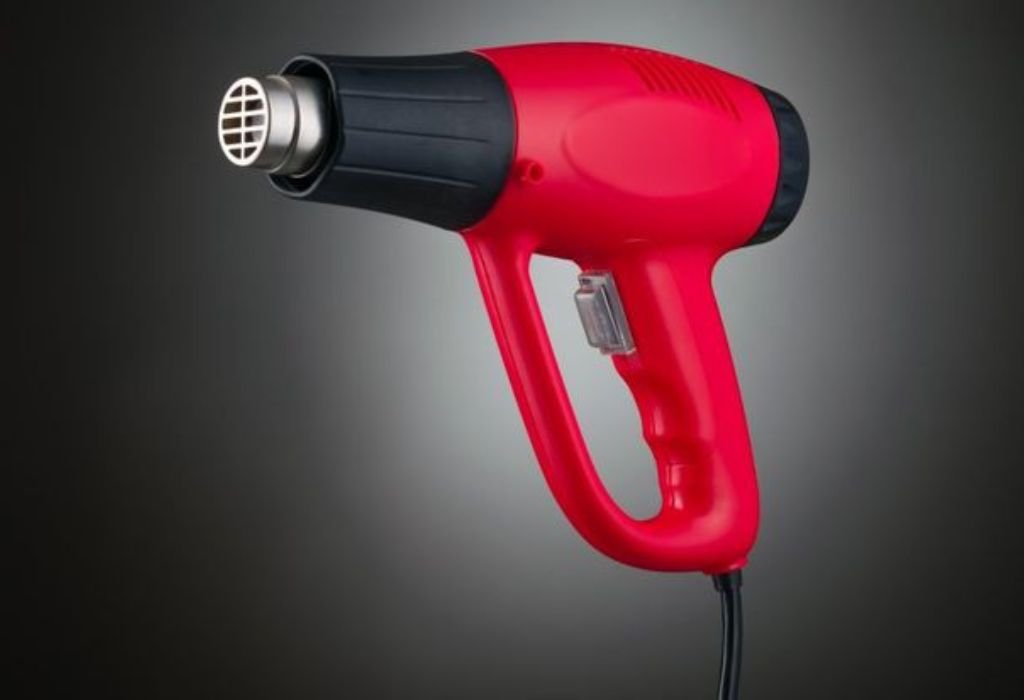
A heat gun is a high-powered electric tool designed to blow extremely hot air for industrial, construction, craft, and repair tasks. Unlike personal grooming tools, a heat gun is built to soften, melt, strip, shrink, or reshape materials using controlled high heat.
Inside a heat gun is a powerful electric motor and a heavy-duty heating element made from coiled resistance wire. When electricity flows through this coil, it generates intense heat. The motor forces air across the coil and out through the nozzle at high temperature and pressure.
Heat guns typically include adjustable temperature controls. Some models allow simple two-speed heat settings. Professional-grade heat guns offer precise digital temperature control.
The nozzle of a heat gun is designed to concentrate heat in a focused stream. Specialized attachments can spread, direct, or narrow the airflow for different applications.
The internal housing is made from heat-resistant plastic or reinforced polymer that can survive continuous high-temperature output without warping or melting.
Heat guns are built for prolonged operation under extreme thermal stress. Their internal wiring, insulation, and airflow systems are engineered to handle temperatures that would instantly destroy a hair dryer.
What Is a Hair Dryer and How It Works
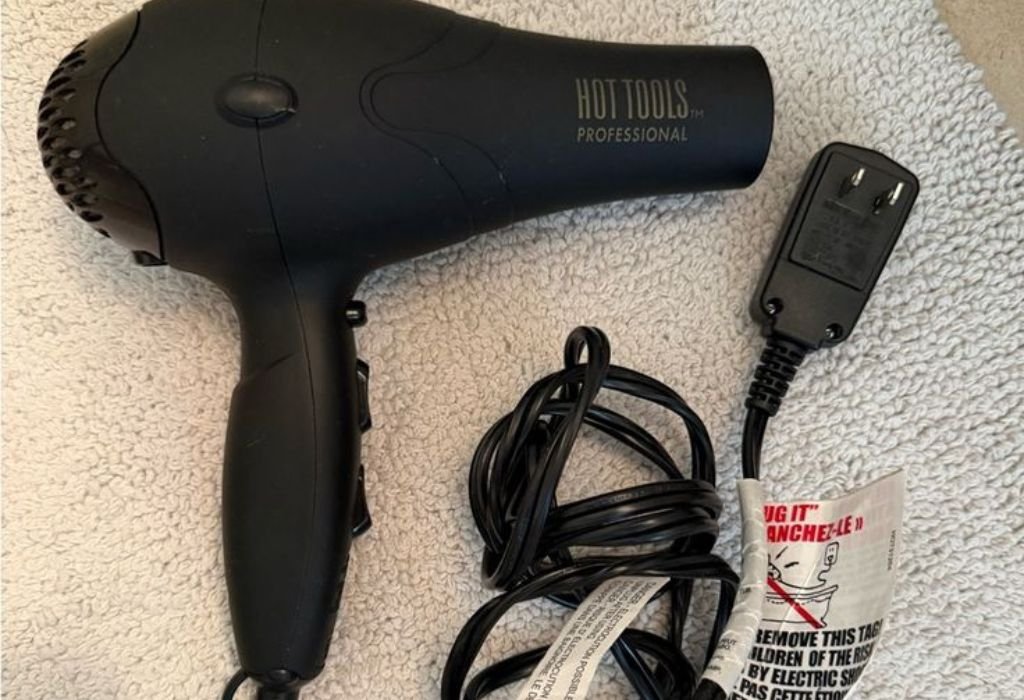
A hair dryer is a personal grooming appliance designed to dry and style hair safely and gently using warm air. Its goal is moisture evaporation and light heat styling, not material transformation.
Inside a hair dryer is a lightweight electric motor and a thin heating coil. When electricity flows through the coil, it warms the air passing over it. The motor pushes this warm air through the front grille at moderate temperature and pressure.
Hair dryers offer multiple speed and heat settings. These allow users to adjust airflow strength and temperature based on hair type and styling needs.
The internal design of a hair dryer prioritizes user safety, comfort, and weight reduction. The heating system is designed to operate at relatively low temperatures to prevent scalp burns and hair damage.
Hair dryer housings are made of lightweight plastic designed for comfort and portability. These plastics are not built to withstand extreme heat.
Hair dryers also include safety cut-off systems that shut the device down if overheating occurs. This protects users from burns and electrical hazards.
Core Functional Difference Between Heat Gun and Hair Dryer
The core difference between a heat gun and a hair dryer lies in their intended purpose. A heat gun is a material-processing tool. A hair dryer is a personal grooming appliance.
A heat gun is designed to soften plastic, strip paint, shrink tubing, loosen adhesives, bend PVC, thaw frozen pipes, and dry industrial coatings. It produces air hot enough to melt many common materials.
A hair dryer is designed only to evaporate water from hair and assist in mild heat styling. It does not generate sufficient temperature to alter most solid materials.
The airflow pressure of a heat gun is also much stronger. It is meant to push heat into dense surfaces. A hair dryer’s airflow is gentler to avoid discomfort and prevent hair scattering too violently.
Using a hair dryer in place of a heat gun often leads to failure in tasks like paint removal or plastic reshaping. Using a heat gun in place of a hair dryer creates severe burn risk.
Their internal construction, safety testing standards, and duty cycles are completely different. One is a workshop-grade heating tool. The other is a bathroom appliance.
Temperature Range Comparison: Heat Gun vs Hair Dryer
Temperature is one of the biggest differences between a heat gun and a hair dryer.
A heat gun usually operates between 100°C and 650°C depending on the model and setting. Some professional heat guns exceed 700°C. This temperature range allows heat guns to melt plastics, strip paint, soften adhesives, and weld synthetic materials.
A hair dryer typically operates between 40°C and 100°C. Even at its hottest setting, the output temperature remains well below what is required for industrial tasks. This low heat range protects hair and skin from burns.
At 150°C, many common plastics begin to deform. Heat guns pass this threshold easily. Hair dryers cannot reach this level under normal operation.
This temperature gap explains why heat guns can instantly soften PVC, remove decals, and activate heat-shrink tubing while hair dryers cannot perform these tasks reliably.
It also explains why a heat gun can easily cause skin burns within seconds, while a hair dryer is safe for regular hand-held contact during use.
Airflow Strength and Pressure Differences
Another major difference between a heat gun and a hair dryer lies in airflow strength and pressure. While both tools blow air forward, the force, concentration, and purpose of that airflow are very different.
A heat gun produces a highly focused, forceful stream of hot air. This strong airflow is designed to push intense heat deep into hard surfaces such as metal, plastic, wood, and thick coatings.
The pressure helps transfer heat quickly and evenly across stubborn materials like paint layers or adhesive residue. This heavy airflow is one reason heat guns can strip paint or soften PVC in seconds.
A hair dryer, in contrast, produces a much softer and wider airflow. Its job is to move warm air gently across hair strands without causing discomfort. High pressure would tangle hair, irritate the scalp, and make styling difficult. That is why hair dryers prioritize volume over force.
Because of this difference, a hair dryer struggles to push heat into dense materials. Even if it feels warm on your hand, the airflow lacks the intensity needed for industrial or repair tasks.
A heat gun, on the other hand, delivers air with enough pressure to reshape, loosen, and activate tough materials quickly.
Design, Build Quality, and Internal Components
The internal construction of a heat gun and a hair dryer reveals their true purpose. A heat gun is built as a heavy-duty power tool. A hair dryer is designed as a lightweight personal-care appliance.
Heat guns use thick, industrial-grade heating coils capable of surviving extreme temperatures for long periods. Their internal wiring is insulated with high-temperature-resistant materials. The motor is built to withstand strong airflow resistance and prolonged high-load operation.
Hair dryers use thinner heating coils, lightweight motors, and heat-sensitive plastic casings. These components are optimized for comfort, portability, and safety rather than raw power. They cannot withstand temperatures high enough for material processing.
The nozzles of heat guns are often made from metal or heat-resistant polymers. Many models accept specialty attachments such as concentrators, spreader tips, and reflector nozzles. Hair dryers use plastic grilles that would warp instantly under heat gun temperatures.
In short, heat guns are designed for extreme thermal stress. Hair dryers are designed for human comfort and safety. Their internal parts reflect those roles clearly.
Safety Features and Risk Levels Compared
Safety is one of the most critical differences between these two tools. A heat gun carries a high risk level because of its intense temperature output.
Heat guns can cause instant skin burns, ignite flammable materials, melt plastic surfaces, and damage electronics if misused. Many models include built-in thermal overload protection, cool-down modes, and insulated casings to reduce risk. Still, heat guns must always be treated as industrial tools.
Hair dryers are built with advanced user-safety systems. These include automatic shutoff when overheating occurs, low-temperature limits, and double-insulated electrical components. Even at their hottest setting, hair dryers are engineered to prevent severe burns during normal use.
Using a heat gun near hair, skin, curtains, paper, solvents, or aerosols can cause serious accidents. Using a hair dryer in place of a heat gun is usually safe but often ineffective.
From a safety perspective, a hair dryer is home-friendly. A heat gun requires strict attention, protective handling, and proper workspace preparation.
Can a Hair Dryer Replace a Heat Gun for DIY Tasks
In most cases, a hair dryer cannot replace a heat gun. The main limiting factor is temperature. Hair dryers simply do not get hot enough for most DIY and repair jobs.
For example, removing wallpaper adhesive, softening thick plastic, activating heat-shrink tubing, or stripping paint all require temperatures above what hair dryers can produce. You may eventually get some results using a hair dryer, but it will be slow, inconsistent, and unreliable.
However, for extremely light tasks such as gently loosening a sticker, warming glue slightly, or drying water-based paint, a hair dryer may work as a temporary substitute. Even then, patience is required.
Using a hair dryer in place of a heat gun should only be considered for non-critical, low-temperature tasks. For serious DIY work, a proper heat gun is always the correct and safer choice.
Can a Heat Gun Be Used as a Hair Dryer
Using a heat gun as a hair dryer is extremely dangerous and should never be attempted. The temperature output of a heat gun is high enough to cause instant third-degree burns to the scalp and skin.
Heat guns can melt synthetic hair fibers, ignite styling products, and severely damage real hair structure within seconds. Even the lowest heat setting on many heat guns is far hotter than the maximum safe temperature for hair.
Some people attempt to use a heat gun for drying hair in emergencies. This is one of the most dangerous misuse scenarios and has caused serious accidents and hospital injuries.
A heat gun is not designed for direct contact with the human body. No safety feature can make it suitable as a grooming appliance. A hair dryer should always be used for hair and skin-related applications.
Energy Consumption and Power Rating Comparison
Heat guns and hair dryers also differ in power consumption. Both typically operate between 1200 and 2000 watts, but the way that energy is used is very different.
Heat guns convert most of their power directly into heat output. This means nearly all electrical energy becomes high-temperature airflow focused into a small area.
Hair dryers split their power usage between warming air and moving large volumes of airflow gently. A significant portion of energy is used to regulate temperature and protect the user.
In real-world use, a heat gun consumes energy more aggressively because it reaches and maintains extreme temperatures quickly. Hair dryers use energy steadily and safely over longer periods for comfort-based use.
Which Is Better for Home, Craft, and Workshop Use
For home grooming and personal care, the hair dryer is the only appropriate choice. It is safe, comfortable, easy to control, and specifically designed for human use.
For crafts such as embossing, resin curing, plastic shaping, and heavy glue activation, the heat gun is clearly superior.
For automotive, construction, electrical, plumbing, and industrial tasks, only a heat gun provides the level of heat required to complete the work properly.
For light household drying and simple heat assistance, a hair dryer is sufficient and safer.
Choosing the right tool depends entirely on the task, not on appearance. Although they look similar, heat guns and hair dryers belong in completely different usage categories.
Heat Gun vs Hair Dryer Common Questions Answered
Is a heat gun stronger than a hair dryer?
Yes, a heat gun is far stronger and produces much higher temperatures than a hair dryer.
Can a hair dryer be used instead of a heat gun?
Only for very light tasks like warming stickers or drying paint slightly, but not for heavy DIY work.
Is it safe to use a heat gun on hair?
No, using a heat gun on hair is extremely dangerous and can cause severe burns instantly.
Which tool gets hotter, a heat gun or a hair dryer?
A heat gun gets much hotter, often reaching 600°C or more, while a hair dryer stays under safe grooming temperatures.
Can a hair dryer remove paint like a heat gun?
No, a hair dryer does not produce enough heat to strip paint effectively.
Do heat guns consume more electricity than hair dryers?
Heat guns and hair dryers may have similar wattage, but heat guns consume energy more aggressively due to higher heat output.
Which is safer for home use, a heat gun or a hair dryer?
A hair dryer is much safer for regular home use because it is designed for direct human contact.
Can a heat gun melt plastic while a hair dryer cannot?
Yes, a heat gun can easily melt and reshape plastic, while a hair dryer usually cannot.
Why do heat guns look similar to hair dryers?
They look similar because both use heated airflow, but their internal design and purpose are completely different.
Which should I buy for DIY projects, a heat gun or a hair dryer?
For real DIY and repair projects, a heat gun is the correct and effective choice.
Conclusion
The difference between a heat gun and a hair dryer goes far beyond appearance. These tools serve two completely different purposes and operate on entirely different performance levels.
A heat gun is a high-temperature, industrial-grade tool built for material processing, repair, and fabrication. It delivers intense, focused heat capable of melting plastic, stripping paint, shrinking tubing, and softening adhesives.
A hair dryer is a low-temperature personal-care appliance designed for safe grooming and gentle drying. It prioritizes comfort, safety, and lightweight handling over raw heat power.
They differ in temperature range, airflow pressure, internal construction, safety systems, power use, and application types. Trying to use one as a replacement for the other leads to poor results or serious safety hazards.
Understanding the true heat gun vs hair dryer difference helps users choose the correct tool, avoid accidents, protect surfaces, and get the best performance for each specific task.
Using the right tool for the right job is not just about efficiency. It is about safety, precision, and long-term reliability.

I’m John F. Nicholas, the founder, lead writer, and drill enthusiast behind 101drill.com. With years of hands-on experience in power tools and DIY projects, I created this platform to share practical knowledge, expert tips, and real-world insights to help others master the art of drilling.