
There is a quiet moment of tension just before a drill bit touches the surface of wood or metal. The tool is steady, the workpiece is fixed, and everything depends on one small component holding the bit in place.
That hidden hero is the chuck. When the chuck is strong and precise, drilling feels smooth and controlled. When it is weak or poorly matched, the bit slips, wobbles, and ruins the job.
Many people focus on the drill itself and ignore the chuck entirely. In hand drills, however, the chuck matters just as much as the gears, handle, or frame.
It determines what size bits you can use, how securely they grip, and how accurately holes are formed. A poorly chosen chuck can turn even a high-quality hand drill into a frustrating tool.
Hand drill chuck types vary widely in design, gripping method, precision, and use case. Some are built for speed, others for strength, and some for fine precision.
This guide explains every major hand drill chuck type in detail, how each one works, where it performs best, and how to choose the right one for your drilling needs.
What a Hand Drill Chuck Is and Why It Matters
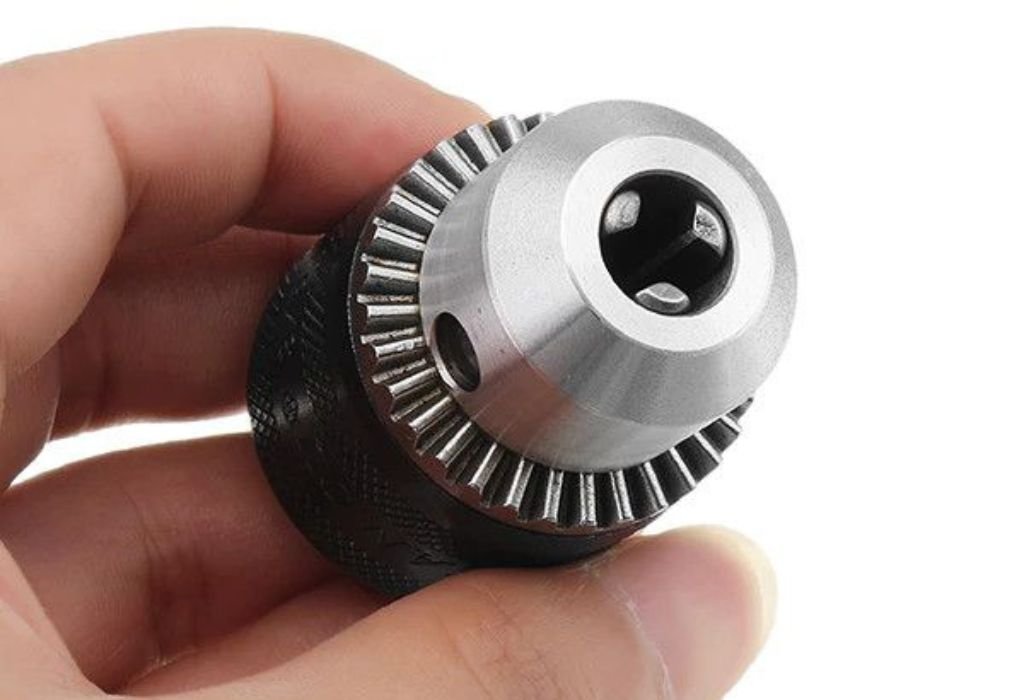
A hand drill chuck is the clamping mechanism that holds the drill bit tightly in place while the tool rotates. It sits at the front of the drill and acts as the direct connection between the user’s effort and the cutting edge of the bit.
No matter how strong or precise the drill body is, its performance is completely dependent on the quality of the chuck holding the bit.
The chuck works by using internal jaws that move inward or outward as the chuck is tightened or loosened.
These jaws grip the shank of the drill bit and keep it centered during rotation. If the jaws are misaligned, worn, or loosely tightened, the bit wobbles and produces inaccurate holes.
In hand drills, the chuck must balance grip strength with smooth release. Unlike power drills that rely on high torque motors, a hand drill depends on consistent mechanical grip.
The chuck must not slip under resistance, yet it must also release the bit easily when the task is complete.
Chuck quality directly affects drilling accuracy, bit life, and user safety. A slipping bit can suddenly bind and jerk the tool out of alignment.
A poorly centered bit produces oversized or uneven holes. These small failures create major problems in fine woodworking and metalwork.
The right chuck transforms a hand drill from a simple tool into a precision instrument. The wrong one turns every job into a struggle that wastes time and materials.
Traditional Three-Jaw Hand Drill Chucks
The three-jaw chuck is the most common and widely used chuck type found on hand drills. It uses three evenly spaced jaws that move together to center and clamp the drill bit.
This symmetrical grip keeps the bit aligned with the drill’s rotational axis and minimizes wobble during operation.
Three-jaw chucks are extremely versatile. They accept a wide range of round-shank drill bits, from very small diameters to moderately large sizes depending on the chuck’s capacity.
This flexibility makes them ideal for general-purpose drilling where many different bit sizes are used regularly.
These chucks are usually tightened using a chuck key or a built-in tightening mechanism. In traditional hand drills, key-tightened versions are more common.
The key applies mechanical force that draws the jaws inward evenly. This creates a strong, reliable grip that resists slipping under load.
One of the biggest strengths of three-jaw chucks is their self-centering ability. As the jaws close, they automatically align the bit in the middle. This is critical for accurate drilling and smooth rotation.
However, three-jaw chucks are not perfect. They struggle to hold hex-shaped or irregular shanks securely unless designed specifically for that purpose.
Over time, jaw wear can reduce gripping strength. Still, for most users, the three-jaw chuck remains the standard choice for reliable everyday drilling.
Keyed Hand Drill Chucks and Their Grip Strength
Keyed chucks use a small toothed key to tighten and loosen the jaws. The key meshes with gear teeth on the chuck body, multiplying hand force into strong clamping pressure. This mechanical advantage allows keyed chucks to hold drill bits with exceptional security.
In hand drills, keyed chucks are preferred when strong bit retention is required. They excel when drilling into hardwood, metal, or dense composite materials where bit slippage becomes a serious problem. The added tightening force ensures the bit remains locked even under high resistance.
Keyed chucks also offer better gripping consistency. The user can precisely control how tightly the jaws close around the bit. This reduces micro-movements that cause bit wobble and hole enlargement.
However, keyed chucks also come with drawbacks. The chuck key can be misplaced easily. Without the key, tightening and removing bits becomes impossible. This interruption can slow work and frustrate users.
Despite this inconvenience, many professionals still prefer keyed chucks for their superior holding strength. Their reliability under load makes them ideal for serious woodworking, metal drilling, and controlled precision work where bit security is essential.
Keyless Hand Drill Chucks and Speed Advantage
Keyless chucks tighten and loosen using hand force alone. The user twists the chuck body directly to move the jaws inward or outward. This design eliminates the need for a chuck key and allows rapid bit changes without stopping workflow.
In hand drills, keyless chucks provide major convenience for users who frequently switch between bit sizes. Furniture assembly, pilot hole drilling, and light DIY projects benefit greatly from fast bit changes. The ability to quickly replace bits improves overall efficiency.
Modern keyless chucks use internal ratcheting systems to improve grip strength. As the user tightens the chuck, internal cams lock the jaws more tightly as resistance increases. This design reduces the risk of slippage compared to early keyless designs.
However, keyless chucks generally provide less maximum clamping force than keyed chucks. Under high resistance, such as drilling into thick hardwood or metal, the user may struggle to achieve sufficient tightening force by hand alone.
For light to medium-duty tasks, keyless hand drill chucks offer an excellent balance of speed and usability. For heavy-duty drilling where maximum grip is required, keyed chucks still hold the advantage.
Jacobs-Style Taper Chucks in Hand Drills
Jacobs-style taper chucks use a tapered shaft connection instead of a threaded mount. The chuck fits onto a matching tapered spindle on the drill. Friction between the two tapered surfaces holds the chuck securely in place during operation.
This design allows for quick installation and removal without threads or locking hardware. By tapping the chuck into place, it becomes firmly seated. Removing it requires a special wedge tool that separates the taper connection.
Taper chucks are valued for their excellent alignment accuracy. Because the taper naturally centers itself under pressure, the chuck runs very true with minimal eccentric motion. This makes taper-mounted chucks ideal for precision applications.
In hand drills, taper chucks are less common than threaded chucks but still found in older high-quality tools. They often appear in professional-grade or vintage hand drills designed for fine machining work.
The main drawback of taper chucks is potential loosening under reverse rotation or sudden shock. If the taper loses friction grip, the chuck can detach unexpectedly. For this reason, taper chucks require careful installation and proper seating pressure.
When properly fitted, a Jacobs-style taper chuck delivers outstanding concentric accuracy and smooth rotation in hand drill applications.
Pin Chucks for Micro-Drilling Precision
Pin chucks are specialized chucks designed to hold extremely small drill bits. Unlike three-jaw chucks that clamp from the outside, pin chucks grip the bit using internal collet-style pressure. This allows them to securely hold bits far too small for ordinary chucks.
Pin chucks are commonly used in electronics work, jewelry making, model building, and precision craft drilling. They excel at drilling tiny holes where even slight wobble would destroy the workpiece.
In hand drills, pin chucks often appear as secondary accessories rather than permanently installed chucks. Users insert the pin chuck into a standard chuck to increase fine-bit control.
The gripping pressure of a pin chuck is evenly distributed around the bit. This prevents breakage of delicate micro-drill bits that would snap under uneven jaw pressure.
However, pin chucks are limited in size range. They are not suitable for large bits or high-torque drilling. Their purpose is fine precision only.
When extreme accuracy is required on miniature work, no standard chuck matches the performance of a properly sized pin chuck.
Collet Chucks and Their High-Precision Grip System
Collet chucks use a completely different gripping method compared to traditional three-jaw chucks. Instead of jaws closing from three points, a collet chuck uses a split cylindrical sleeve that contracts evenly around the drill bit.
This creates uniform gripping pressure across the entire bit shank. The result is extremely accurate centering and reduced bit wobble during drilling.
Collet chucks are widely used in precision machining, electronics work, engraving, and fine woodworking tasks.
They are especially valuable when drilling extremely small holes where even the slightest misalignment can ruin the workpiece. Because pressure is evenly distributed, bit breakage is far less likely.
In hand drill applications, collet chucks are mostly used as accessories rather than permanent fixtures. Many users insert a collet system into a standard chuck to gain micro-drilling control. This setup dramatically improves accuracy when working with tiny bits.
The main limitation of collet chucks is their narrow size range. Each collet fits only one specific bit diameter or a very small diameter range. This means multiple collets are required for different bit sizes.
Collet chucks are not designed for high-torque drilling. Their true strength lies in fine precision rather than brute force. When accuracy matters more than speed or power, collet chucks outperform nearly every other chuck design.
Hex-Shank Compatibility and Specialty Hand Drill Chucks
Hex-shank drill bits are designed to prevent slipping by using flat sides instead of a round profile.
Standard three-jaw chucks can hold hex shanks, but they often fail to grip them as securely as specifically designed hex-compatible chucks. This is where specialty hand drill chucks become important.
Some hand drill chucks are designed with internal jaw shapes that better match hex profiles. These chucks lock onto the flat sides of the shank instead of relying only on friction. This significantly reduces the chance of bit spinning under pressure.
Hex-shank compatibility is extremely useful for users who work with bit sets designed for power tools. Using these bits in hand drills adds flexibility and expands tool compatibility. It also allows faster bit changes when using magnetic hex adapters.
However, hex-compatible systems in hand drills usually sacrifice some centering accuracy. Because hex shanks are not perfectly round, they may introduce slight eccentric motion at higher speeds. This does not matter for rough drilling tasks, but it can affect precision work.
For users who routinely switch between hand tools and power tools, hex-compatible chucks offer practical versatility. For fine drilling where perfect round alignment is required, traditional three-jaw or collet chucks still perform better.
Heavy-Duty Chucks vs Precision Chucks
Heavy-duty chucks are built for maximum gripping force and resistance to slippage. They use hardened steel jaws, reinforced bodies, and deep jaw engagement to hold large bits securely. These chucks are commonly paired with keyed tightening systems for maximum clamp force.
These chucks excel in drilling hardwood, thick lumber, aluminum, and steel. When torque resistance increases, a heavy-duty chuck maintains its grip and prevents bit spin.
This makes them ideal for woodworking, mechanical repair, and metal fabrication tasks performed with hand drills.
Precision chucks, on the other hand, are optimized for concentric accuracy rather than grip strength. They use finely machined jaws and tighter tolerances to minimize runout. This results in extremely smooth bit rotation and professional-grade hole accuracy.
Precision chucks are most valuable in fine woodworking, electronics work, model making, and laboratory drilling tasks. They reduce vibration, prevent oversized holes, and protect delicate drill bits from breaking.
The tradeoff is that precision chucks usually offer less maximum grip force than heavy-duty chucks. They are not intended for aggressive torque applications.
Choosing between heavy-duty and precision chucks depends entirely on whether your priority is strength or accuracy.
Standard Chuck Size Ranges and Capacity Types
Hand drill chucks are categorized by their minimum and maximum bit capacities. Common size ranges include 0 to 1/4 inch, 1/16 to 3/8 inch, and in some heavy-duty cases, up to 1/2 inch. These ranges define what size of drill bits the chuck can safely grip.
Small-capacity chucks are ideal for fine drilling tasks. They grip tiny bits securely and offer better centering at small diameters. These are commonly found in precision hand drills used for electronics or model making.
Medium-capacity chucks provide the best balance between versatility and control. They handle most common drill bit sizes used for home repairs and woodworking projects. This range is the most popular for general-purpose hand drills.
Large-capacity chucks allow the use of wider drill bits. These are typically found in heavy-duty hand drills used for structural woodworking tasks. While they expand bit options, they usually reduce fine control for very small bits.
Using a bit outside the chuck’s rated capacity reduces grip security and increases slippage risk. Proper capacity matching is essential for safe and accurate drilling performance.
Performance Differences in Wood vs Metal Drilling
Chuck performance changes significantly depending on whether the user is drilling wood or metal. In wood drilling, torque resistance is usually moderate and forgiving. This allows most chuck types to perform adequately as long as the bit is sharp.
In metal drilling, resistance rises sharply and slippage becomes a serious risk. Keyed chucks outperform keyless chucks in this environment because they apply greater clamping force. Precision also becomes more important because metal does not tolerate bit wobble.
Collet chucks excel in thin metal sheets when micro-diameter holes are required. Their even pressure prevents bit snapping and reduces chatter. Heavy-duty keyed chucks dominate thicker metal drilling due to their superior grip strength.
Wood drilling is more tolerant of misalignment. This makes keyless and general-purpose three-jaw chucks perfectly suitable for most woodworking tasks. Large wood auger bits, however, still demand very strong chuck grip.
Using the wrong chuck type for metal work often leads to bit slippage, excessive heat, and damaged cutting edges. Matching the chuck correctly to the drilling material greatly improves tool life and drilling quality.
Chuck Wear, Jaw Damage, and Maintenance Practices
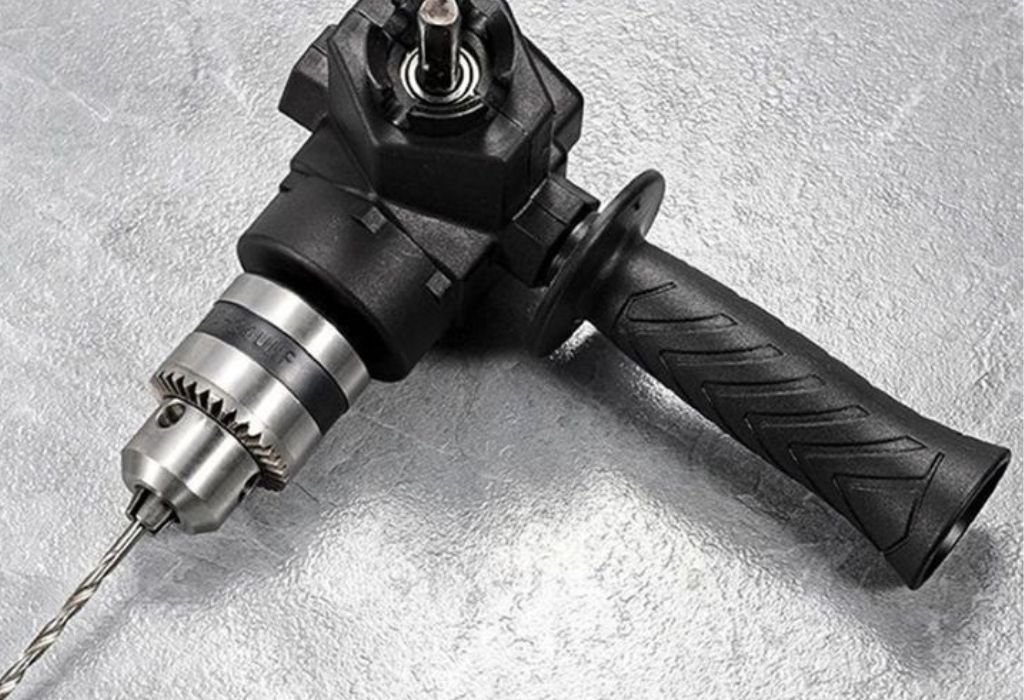
Chuck jaws slowly wear with use, especially when drilling hardened materials or when bits slip under load. This wear reduces grip strength and increases bit wobble over time. Once jaw surfaces become smooth or rounded, secure clamping becomes difficult.
Regular cleaning is essential for long chuck life. Metal shavings, dust, and lubrication residue build up inside the jaw mechanism. This debris prevents the jaws from closing evenly. Periodic flushing with light oil and gentle brushing maintains smooth operation.
Overtightening weakens jaw springs and deforms jaw tracks. Many users apply excessive force when tightening keyed chucks, which shortens their lifespan. Proper tightening should be firm but controlled.
Rust is another major enemy of chuck performance. Moisture exposure causes corrosion inside the jaw assembly. Rust reduces smooth movement and creates uneven jaw pressure. Storing hand drills in dry environments greatly extends chuck life.
Well-maintained chucks can remain accurate for decades. Neglect turns even the best chuck into a slipping, inaccurate tool that compromises drilling quality and safety.
How to Choose the Right Hand Drill Chuck for Your Work
The first factor when choosing a chuck is the type of work you perform most often. If you drill many small holes with precision, a three-jaw precision chuck or collet system is best. For heavy wood or metal drilling, a keyed heavy-duty chuck is the correct choice.
The second factor is material type. Woodworkers benefit from fast keyless chucks for repetitive tasks. Metal workers require keyed or collet chucks for secure grip and vibration control.
Workspace also matters. Tight work areas favor compact chucks with fast bit changes. Large open workspaces allow the comfort of keyed systems.
Skill level plays a role as well. Beginners benefit from simple three-jaw chucks that self-center automatically. Advanced users may prefer specialty chucks for specific applications.
Bit compatibility should never be overlooked. If you frequently use hex-shank bits, choose a chuck designed for secure hex engagement.
The best chuck is not the most expensive one. It is the one that matches your drilling style, materials, and project demands most closely.
Hand Drill Chuck Troubleshooting FAQs
What is the most common hand drill chuck type?
The most common type is the three-jaw chuck because of its wide bit compatibility and self-centering ability.
Is a keyed chuck stronger than a keyless chuck?
Yes, a keyed chuck produces greater clamping force and holds bits more securely under heavy resistance.
Are keyless chucks reliable for metal drilling?
They can work for light metal drilling but are not ideal for thick or hardened metals.
What is a collet chuck used for?
A collet chuck is used for extremely precise drilling with very small diameter bits.
Can I use hex-shank bits in a hand drill?
Yes, but best results come from chucks specifically designed for hex-shank compatibility.
Which chuck is best for woodworking?
Keyless or three-jaw keyless chucks are ideal for woodworking due to speed and convenience.
Do chucks wear out over time?
Yes, jaw wear and internal corrosion slowly reduce grip strength and accuracy.
Can a bad chuck cause oversized holes?
Yes, bit wobble from poor chuck grip often leads to oversized or uneven holes.
Should I oil my hand drill chuck?
Yes, light lubrication keeps jaws moving smoothly and prevents rust buildup.
Can I replace just the chuck on a hand drill?
Yes, many hand drills allow chuck replacement if thread or taper compatibility matches.
Conclusion
The chuck is the single most important connection point between your hand drill and your workpiece.
No matter how strong the drill body or how sharp the bit may be, drilling accuracy, safety, and efficiency depend entirely on how well the chuck holds and centers the bit.
This guide explored every major hand drill chuck type, including three-jaw chucks, keyed and keyless systems, taper-mounted chucks, collet chucks, hex-compatible designs, and heavy-duty precision options. Each design serves a distinct purpose and excels under specific conditions.
Choosing the correct chuck transforms drilling into a smooth, controlled, and predictable process. Choosing the wrong one leads to slippage, wobble, broken bits, and wasted material.
Whether working with soft wood, dense hardwood, thin metal, or delicate micro-components, there is a chuck type engineered for that task.
Long-term performance depends not only on the chuck design but also on proper maintenance. Clean jaws, light lubrication, controlled tightening, and rust prevention preserve both grip strength and drilling accuracy for many years.
Understanding hand drill chuck types allows every user to work more efficiently, safely, and confidently. When the chuck matches the job, the hand drill becomes one of the most precise and satisfying tools in any workshop.

I’m John F. Nicholas, the founder, lead writer, and drill enthusiast behind 101drill.com. With years of hands-on experience in power tools and DIY projects, I created this platform to share practical knowledge, expert tips, and real-world insights to help others master the art of drilling.