
A smooth metal sheet sits perfectly flat on a workbench, reflecting light like a mirror. The drill touches down, the motor spins, and within seconds the bit starts sliding sideways instead of digging in. What looks like a simple drilling job suddenly becomes frustrating, noisy, and even dangerous.
This exact problem happens to beginners and experienced users alike. Hand drills skipping on smooth surfaces is one of the most common drilling issues across home workshops, automotive repairs, and metal fabrication jobs.
The reason is not just skill-related. It is deeply connected to surface friction, drill bit design, material hardness, and drilling technique.
Understanding why hand drills skip is the key to drilling clean, precise holes without tool damage, scratched surfaces, or personal injury.
This guide breaks down the real mechanical reasons behind skipping, how different surfaces react, and what exact steps prevent it permanently.
What Skipping Means in Hand Drill Operations
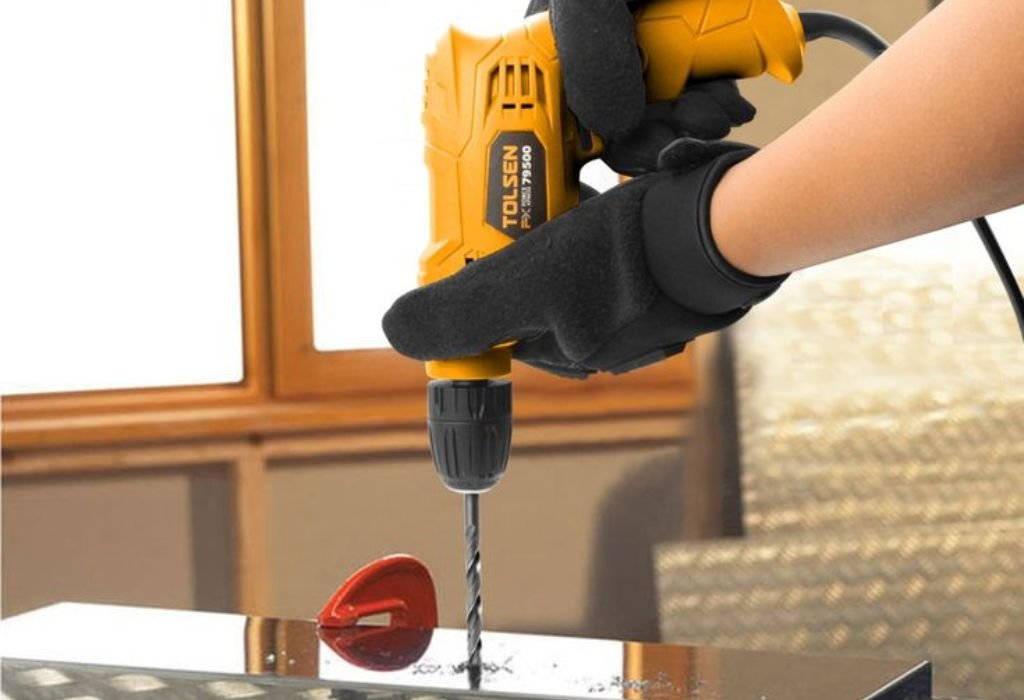
Skipping happens when the rotating drill bit fails to bite into the surface and instead slides sideways across it.
This usually occurs at the moment when drilling begins and the bit has not yet created a centered pilot indentation. The surface remains untouched while the bit dances uncontrollably.
In most cases, skipping is not caused by weak drilling power. It is caused by insufficient friction between the bit tip and the surface. Smooth materials like polished steel, aluminum sheets, glazed tiles, plastics, and coated surfaces are the most common triggers.
Skipping reduces drilling accuracy immediately. The hole ends up off-center, scratched, or completely ruined. On harder materials, skipping can also cause the bit to dull instantly or snap at an angle. The bit tip requires resistance to stabilize itself.
Skipping also changes the rotational balance of the drill. That vibration transfers force into the wrist and forearm, increasing fatigue and injury risk. This is why professionals always treat skipping as a serious performance and safety defect rather than a minor annoyance.
Physics Behind Drill Bit Slipping on Smooth Materials
At the core of drill skipping lies a physics problem related to friction and force distribution. A drill bit depends on friction to convert rotation into cutting force. When friction is too low, cutting cannot begin.
Smooth surfaces have lower friction coefficients than rough surfaces. That means when the bit touches the surface, the metal or coating does not resist sideways motion enough to keep the bit centered. As a result, the rotating bit slides outward in a circular path.
The moment torque transfers unevenly across the bit tip, one cutting edge grabs harder than the other. This creates lateral force that pushes the bit sideways instead of downward. The smoother the surface, the stronger this effect becomes.
Drill skipping is worst during startup because there is no pilot hole to restrain the bit. Once the bit digs in even slightly, friction increases instantly and stabilizes the drilling action.
How Surface Texture Affects Drill Stability
Surface texture controls how easily a drill bit can anchor itself. Rough surfaces naturally provide micro grooves and ridges that help the bit tip catch immediately. Smooth surfaces remove those grip points entirely.
Polished steel, stainless steel, chrome-plated hardware, and coated aluminum are especially slippery because their finishes are engineered to reduce surface resistance. Even wood becomes slippery when sealed with varnish or lacquer.
Microscopic inspection shows that even the sharpest drill bit requires tiny surface breakpoints to prevent sideways motion. When the surface is too uniform, the bit has nowhere to lock itself.
Even dust, oil, or moisture makes smooth surfaces worse. Any contamination layer reduces friction even further. This is why drilling over oily metal almost always causes violent skipping before cutting begins.
Wrong Drill Bit Types and Their Impact
Using the wrong bit type is one of the biggest causes of skipping on smooth surfaces. General-purpose twist bits struggle on glazed tiles, polished metals, and plastics with hard outer skins.
Standard steel bits have blunt cutting angles designed for wood and soft metals. When applied to hard smooth surfaces, they fail to penetrate and instead skate across the surface.
Specialized bits like cobalt, carbide, brad-point, or diamond-coated tips are engineered with sharper entry geometry. These bits concentrate cutting force into a smaller contact area, allowing them to bite immediately instead of slipping.
Worn-out bits also cause skipping even on moderately rough materials. As the tip dulls, cutting edges flatten and slide instead of cutting. This is why professional drilling always starts with a sharp, surface-appropriate bit.
Speed, Pressure, and Angle Mistakes
Incorrect drilling technique amplifies skipping even if the correct bit is being used. Starting a drill at full speed on a smooth surface creates instant sideways force that overpowers surface friction immediately.
High speed increases centrifugal force at the bit tip. This force pushes the bit outward faster than it can dig downward. Low starting speed allows controlled engagement with the surface.
Excessive pressure is equally problematic. Pressing too hard flattens the bit tip against the surface and increases the chance of lateral deflection. Controlled steady pressure allows cutting edges to work progressively.
Improper drill angle is another major contributor. If the drill is even slightly tilted at startup, one cutting edge contacts before the other. That imbalance instantly creates a sideways push that leads to skipping.
Role of Drill Point Geometry
Drill point geometry directly controls how easily a bit can penetrate a surface at startup. A sharp and properly angled point concentrates force into a tiny contact area. This concentration allows the cutting edges to bite instead of sliding.
Split-point drill bits are specially designed to reduce skipping on smooth surfaces. Their center point is sharper and more aggressive than standard twist bits. This design allows the bit to anchor immediately when it touches the surface.
Flat or worn-out drill points distribute pressure across a wider area. This reduces penetration pressure and encourages sideways motion. As a result, skipping becomes almost unavoidable on smooth materials.
The angle of the drill point also matters significantly. Steep angles dig more aggressively but wear faster on metal. Shallow angles last longer but require better surface grip to avoid slipping.
Each material responds best to a specific drill point geometry. Metals prefer sharp split points or cobalt tips. Plastics and laminates benefit from brad-point geometry that prevents surface skating.
Ignoring drill point geometry forces users to compensate through pressure and speed. This compensation increases bit damage, tool vibration, and surface scratching. Proper point geometry eliminates these problems at the root.
Why does a split-point drill bit reduce skipping?
Split-point bits have a sharper center tip that grabs the surface instantly. This prevents lateral movement during startup and stabilizes the drilling action.
Can a wrong drill point angle cause slipping?
Yes, incorrect point angles reduce penetration efficiency. This allows sideways motion before the bit can bite into the material.
Does drill point geometry matter more on metal than wood?
Yes, smooth metals require precise geometry to prevent skating. Wood provides natural grip even with basic point designs.
Can sharpening a drill bit fix skipping?
Proper sharpening restores the cutting edges and center point. This often reduces or completely stops skipping on smooth surfaces.
Are brad-point bits good for smooth surfaces?
They perform very well on coated wood and plastics. However, they are not ideal for hardened metals.
How Coatings and Finishes Increase Slipping
Protective coatings are designed to resist wear, corrosion, and friction. These same properties that protect surfaces also reduce drill bit grip. As a result, coated surfaces are far more prone to drill skipping.
Painted metals create a thin slippery barrier that prevents immediate penetration. Powder-coated finishes are even more resistant to cutting at the surface level. Until the coating breaks, the bit keeps skating across the surface.
Anodized aluminum is another major problem material. Its hardened outer layer behaves almost like ceramic. Drill bits struggle to grab this surface without special preparation.
Chrome-plated and nickel-plated finishes behave similarly. These polished surfaces reduce friction dramatically. Even sharp bits may slide unless speed and pressure are controlled precisely.
Applying lubricant without proper technique worsens the problem. Lubricants reduce friction even further at startup. They should only be applied after the bit has established a stable cutting path.
Understanding surface coatings allows proper drilling preparation. Removing paint layers, marking pilot points, or using center punches prevents most coating-related skipping issues. This preparation transforms drilling accuracy immediately.
Common Materials Where Skipping Happens Most
Polished steel is one of the most common materials where skipping occurs. Its smooth reflective surface reduces friction at the contact point. Even professional drill bits can struggle without surface preparation.
Stainless steel is even more challenging. Its surface is smooth and it work-hardens during drilling. This combination creates strong resistance to penetration at startup.
Glass and glazed tiles represent extreme skipping conditions. Their surfaces are engineered to be friction-resistant. Standard metal bits will slide uncontrollably unless specialized tips are used.
Plastics with hard outer skins, such as acrylic and polycarbonate, also promote skipping. Their outer layers resist cutting initially before softening underneath. This causes sudden grabbing after initial slipping.
Coated wood and laminated panels behave similarly. Their top layers are slick while the core is soft. This mismatch leads to unpredictable drilling behavior.
Recognizing these materials before drilling prevents tool damage and surface scarring. Each requires a specific approach to avoid immediate skipping. Failure to adapt technique guarantees slipping.
Which material causes the most drill skipping?
Glazed tile and polished glass cause extreme skipping. Their surfaces offer almost no friction at startup.
Why does stainless steel make drill bits slip?
Its smooth surface and work-hardening behavior resist penetration. This forces the bit to slide before cutting begins.
Do plastics cause skipping more than metals?
Yes, some plastics have very hard outer skins. These skins promote sliding before the softer interior engages.
Why does painted metal cause drilling problems?
Paint acts as a lubrication layer initially. This prevents the bit from biting into the metal instantly.
Is wood immune to skipping?
Raw wood resists skipping naturally. However, coated or laminated wood can behave like smooth plastic.
Proper Techniques to Prevent Skipping
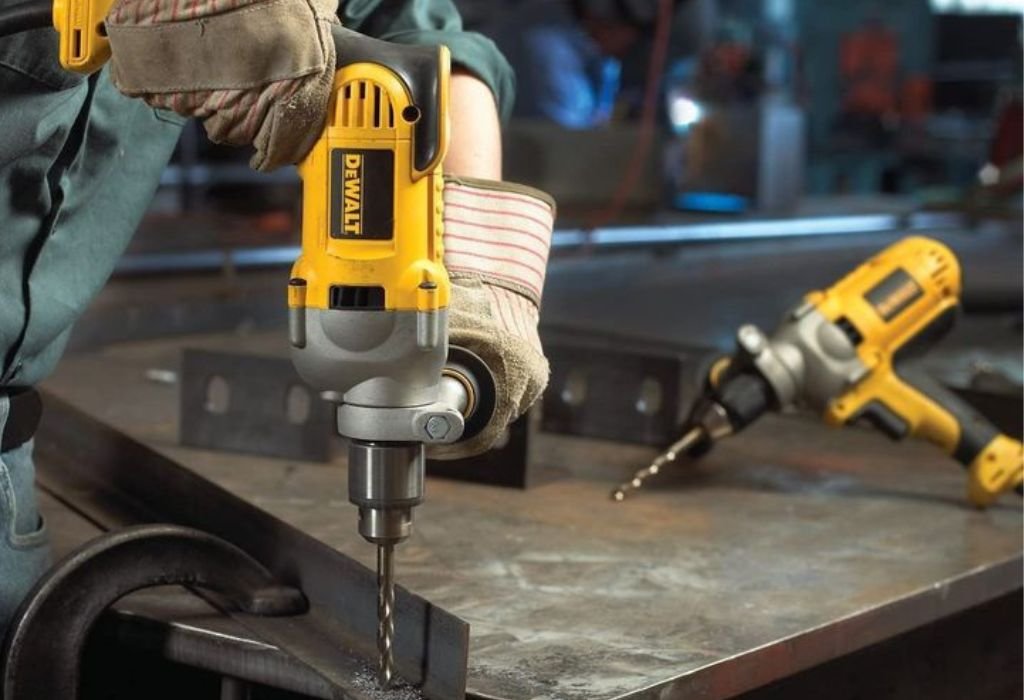
Starting speed control is the most powerful anti-skipping technique. Beginning at low RPM allows the bit to engage before centrifugal forces build up. Once engagement happens, speed can safely increase.
Center punching is another proven prevention method. A small indentation gives the drill bit a fixed anchor point. This completely eliminates sideways motion during startup.
Pilot holes reduce resistance at the surface level. A smaller bit first breaks the surface layer. The larger final bit then cuts without slipping.
Bit selection is equally important. Cobalt, carbide, and split-point bits offer superior surface grip on smooth materials. Using standard steel bits increases sliding risk dramatically.
Workpiece stabilization also matters greatly. If the surface moves or vibrates, skipping becomes easier. Firm clamping ensures only the bit moves during drilling.
Combining these techniques creates professional drilling control. Each method compounds the effectiveness of the others. Together, they virtually eliminate skipping on any surface.
Does drilling speed really affect skipping?
Yes, high startup speed increases sideways force instantly. Low speed allows controlled surface engagement.
What does a center punch do in drilling?
It creates a fixed entry point for the bit. This prevents lateral movement at startup.
Why should pilot holes be used on smooth surfaces?
They break the surface resistance layer first. This stabilizes the final drilling step.
Which drill bits grip smooth surfaces best?
Cobalt and split-point bits offer the strongest initial bite. They are ideal for metals and polished surfaces.
Does clamping the material prevent slipping?
Yes, movement amplifies skipping. Clamping removes one major source of instability.
Safety Risks and Damage Caused by Skipping
Skipping creates immediate safety hazards for the operator. The sudden sideways movement can pull the drill off balance. This increases the risk of wrist strain and hand injury.
Drill bits that skip often bend or snap under lateral stress. Broken bits become high-speed projectiles that can cause severe injury. Eye protection becomes essential during drilling.
Surface damage is another common result. Skipping creates deep scratches and gouges. These defects often ruin finished surfaces permanently.
Tool damage also occurs frequently. The chuck experiences uneven loading when the bit slips. Over time, this damages internal bearings and reduces drill lifespan.
Electrical drills experience sudden torque spikes during skipping. These spikes strain internal motors and gear systems. Repeated slipping shortens tool longevity significantly.
Preventing skipping protects both the user and the equipment. It ensures controlled force transfer and stable drilling performance. Safety improves immediately when skipping is eliminated.
Can drill skipping cause wrist injury?
Yes, sudden sideways torque can twist the wrist unexpectedly. This increases strain and injury risk.
Do skipping drill bits break easily?
Yes, lateral stress weakens the bit structure. Breakage becomes far more likely during slipping.
Why does skipping damage surface finishes?
The sliding bit scrapes across the surface. This creates deep permanent scratches.
Can skipping damage the drill itself?
Yes, uneven torque stresses internal gears and bearings. This reduces tool lifespan.
Is skipping dangerous for high-speed drilling?
Absolutely, higher speed increases injury and damage risk. Skipping becomes far more violent at high RPM.
Conclusion
Hand drill skipping on smooth surfaces is not a random problem or a matter of luck. It is the direct result of friction loss, surface coatings, improper drill point geometry, incorrect speed, and poor surface preparation. Every instance of slipping follows predictable mechanical and physical rules.
Smooth materials such as polished metals, coated woods, plastics, and tiles naturally resist drill engagement. Without proper technique, the rotating bit has no anchor point and easily slides sideways. This leads to damaged surfaces, broken drill bits, and serious safety risks.
Controlling speed, using the right drill bit, creating pilot points, and stabilizing the workpiece completely changes drilling behavior.
These techniques allow the cutting edges to engage properly instead of skidding across the surface. Once engagement begins, drilling becomes clean, accurate, and safe.
Skipping is not something to tolerate or work around through force. It is something to eliminate through proper mechanical control. With correct preparation and technique, hand drills can perform safely and precisely even on the smoothest surfaces.

I’m John F. Nicholas, the founder, lead writer, and drill enthusiast behind 101drill.com. With years of hands-on experience in power tools and DIY projects, I created this platform to share practical knowledge, expert tips, and real-world insights to help others master the art of drilling.