
It usually begins with a quiet moment in a workshop or a corner of the house. A small piece of wood rests on the table, a hand drill sits nearby, and everything feels calm and harmless.
Compared to loud power tools, a hand drill feels gentle and safe, almost impossible to cause serious harm. That sense of comfort is exactly where most hand drill injuries are born.
A slip of the wrist, a loose workpiece, or a bit that breaks through suddenly can turn that calm moment into instant pain. Even at slow speed, a hand drill uses sharp cutting edges designed to pierce metal, wood, and plastic.
When those same edges meet bare skin, the result is often deep punctures, torn fingertips, or flying debris in the eyes.
Hand drill safety is not about fear or hesitation. It is about awareness, control, and building habits that protect your hands, eyes, and body every time you work.
This guide explains the most important hand drill safety precautions in a clear and practical way, helping beginners and experienced users alike drill with confidence instead of risking injury.
Understanding How a Hand Drill Works
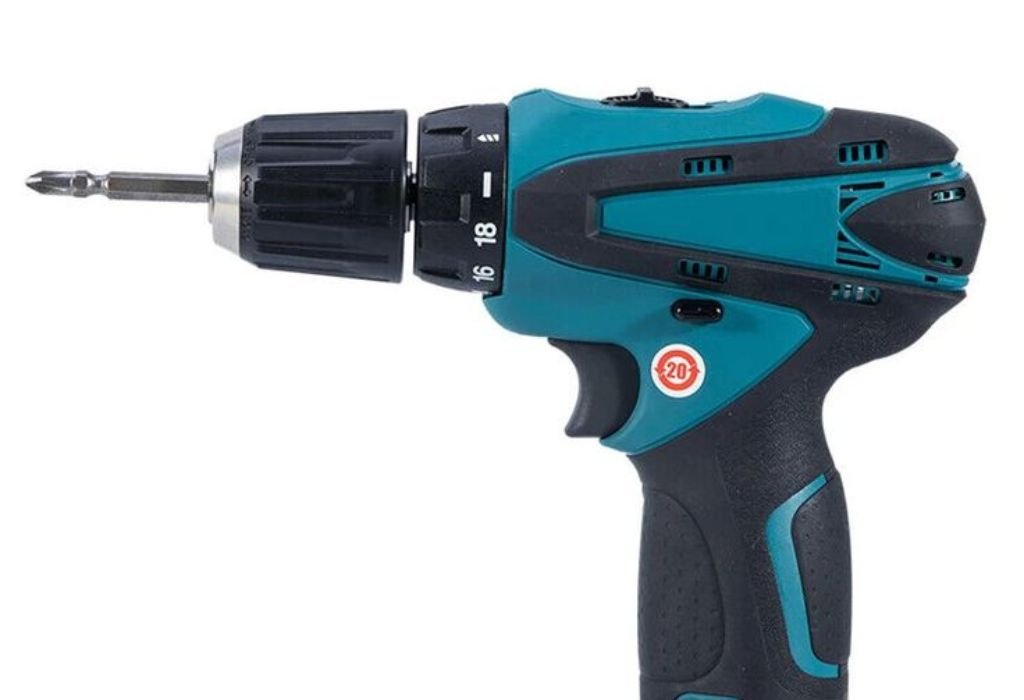
A hand drill is a manually powered tool that rotates a drill bit using human force instead of electricity.
Most traditional hand drills use a crank handle connected to internal gears that spin the chuck. The chuck grips the drill bit and transfers rotation into cutting action against the material.
Some hand drills operate using a push mechanism rather than a crank. When force is applied downward, internal gears rotate the bit automatically. Both designs rely completely on user control for speed and pressure.
Because all movement is controlled by the user, the drill reacts instantly to changes in resistance.
This creates excellent feedback but also means the bit will stop suddenly if it catches inside the material. If hands are placed incorrectly, this sudden stop can cause the tool to slip.
The cutting power of a hand drill comes from sharp bits and steady pressure. Even at low speed, the cutting edge is capable of piercing skin, fabric, and bone if mishandled. This is why safety rules apply just as seriously as with powered tools.
Understanding this mechanical process helps users respect the tool instead of underestimating it. Slow speed does not mean low danger.
Why Hand Drill Safety Still Matters
Many people assume that hand drills are completely safe because they do not spin at high speed. This assumption leads to relaxed behavior, poor grip, and careless positioning of hands.
In reality, most hand drill injuries happen because users feel too comfortable. Fingers are placed too close to the bit. Workpieces are held loosely instead of being clamped. Eye protection is often ignored.
A slipping hand drill can stab into the palm, wrist, or forearm. A spinning bit can catch loose clothing or hair and pull the tool unexpectedly. Wood splinters and metal shavings can easily fly into the eyes.
Even small puncture wounds caused by drill bits can become serious due to infection. Drill bits often carry debris, rust, and dirty particles that can enter open skin.
Treating a hand drill with the same respect as any cutting tool is the foundation of proper safety. Calm operation does not eliminate risk, but proper habits greatly reduce it.
Can a hand drill really cause serious injuries?
Yes, sharp bits can cause deep puncture wounds and eye injuries.
Are hand drills safer than power drills in all cases?
They are generally safer, but accidents still happen without precautions.
Do most hand drill accidents happen to beginners?
Yes, beginners are more likely to make positioning and control errors.
Can slow drilling still cause infections?
Yes, dirty bits can introduce bacteria into puncture wounds.
Is being careful alone enough for safety?
No, proper safety techniques must always be followed consistently.
Personal Protective Equipment for Hand Drill Use
Eye protection is the most important safety precaution when using a hand drill. Even at slow speed, wood chips, plastic shavings, and metal fragments can fly upward unexpectedly. Safety glasses prevent serious eye injuries.
Hand protection must be used carefully. Heavy gloves should never be worn while drilling because they can get caught in rotating bits. Light fingertip protection is acceptable for handling materials but not during drilling itself.
Closed-toe shoes protect feet from falling tools, broken bits, and sharp materials. Barefoot or open-toe footwear increases injury risk from dropped equipment.
Loose clothing, scarves, jewelry, and long sleeves should be secured or removed before drilling. Even slow-moving bits can grab fabric and twist the tool.
Long hair should always be tied back. Hair entanglement injuries may be rare with hand drills, but they are still possible if hair falls into the bit path.
Are safety glasses really necessary for hand drill use?
Yes, flying debris can still injure eyes even at low speed.
Should gloves be worn while using a hand drill?
Heavy gloves should not be worn during drilling due to entanglement risk.
Is face protection required for metal drilling?
Yes, metal shavings increase eye and facial injury risk.
Do shoes matter when using a hand drill?
Yes, closed-toe shoes protect against dropped tools and sharp materials.
Is loose clothing dangerous with hand drills?
Yes, fabric can still get caught in rotating bits.
Proper Hand Position and Body Posture
Correct hand positioning is critical for hand drill safety. One hand should firmly grip the handle or crank, while the other stabilizes the drill body away from the rotating bit.
Under no circumstances should fingers be placed directly beneath the drilling point. If the bit breaks through suddenly, it can drive directly into the hand.
The wrist must stay straight and aligned with the drill. Twisting the wrist during drilling increases fatigue and reduces tool control. Loss of control increases the chance of slipping.
Body posture should remain balanced. Leaning directly over the drill increases the chance of facial injury if the tool slips. Standing slightly to the side gives better control and safer positioning.
Proper posture also reduces muscle strain. Fatigue leads to shaky hands and poor circulation, which increases the chance of mistakes and injuries.
Choosing the Right Drill Bit for Safety
Using the correct drill bit for the material is one of the most overlooked safety precautions. Each material requires a specific bit type designed for proper cutting.
Wood bits have sharp spurs that guide the bit smoothly into wood. Metal bits use a harder cutting edge designed for steel and aluminum. Masonry bits are designed for impact, not rotation, and should never be used in hand drills.
Using the wrong bit increases slipping, binding, and sudden stopping. When a bit binds unexpectedly, the drill can twist violently in your hands.
Dull bits are also dangerous. They require extra force to cut, which increases the chance of losing control. A sharp bit cuts cleanly with less pressure.
Always inspect the bit for cracks, chips, or bend before use. A damaged bit can snap under pressure and send sharp fragments flying.
Securing the Workpiece Correctly
One of the most critical yet commonly ignored safety precautions when using a hand drill is properly securing the workpiece.
Many users attempt to hold the material in one hand while drilling with the other, assuming that slow speed makes this safe. This habit is one of the leading causes of hand drill injuries.
When a drill bit suddenly breaks through the material, the forward motion can drive the bit directly into the hand holding the workpiece.
Even slow penetration can cause deep puncture wounds because drill bits are extremely sharp. This type of injury is both painful and prone to infection.
Clamping the workpiece to a stable surface completely changes the safety equation. A properly clamped material cannot spin, slide, or shift under pressure. This improves drilling accuracy and keeps both hands safely away from the cutting zone.
For small items that cannot be clamped easily, using a bench pin, drill block, or non-slip mat adds extra safety. These supports prevent sudden movement while allowing controlled drilling.
Never drill loose material on your lap, against your body, or held between your fingers. Stable support is the foundation of all safe drilling operations.
Safe Drilling Techniques and Pressure Control
Safe hand drill operation depends heavily on proper technique and controlled pressure. Unlike power drills that force the bit through material automatically, hand drills depend entirely on steady manual force.
Excessive pressure is dangerous. Pushing too hard increases the risk of sudden bit breakthrough, tool slipping, and wrist strain. The correct approach is to let the sharpness of the bit do the cutting, not brute force.
Start drilling with light pressure to establish a clean entry point. Once the bit is seated properly, pressure can be increased gradually while maintaining full control of speed and alignment.
Maintaining straight alignment is also essential for safety. Angled drilling increases bit binding inside the hole. When a bit binds, the sudden stop can twist the drill violently in your hand.
Regularly backing the bit out to clear debris prevents clogging and reduces friction heat. This not only improves cutting performance but also protects the bit from snapping under stress.
Is pushing harder safer for faster drilling?
No, excess pressure increases slipping and wrist injury risk.
Should drilling always start at full speed?
No, slow starts improve control and accuracy.
Can angled drilling cause accidents?
Yes, angled drilling increases bit binding and twisting injuries.
Is clearing debris during drilling important for safety?
Yes, clogged holes cause overheating and sudden tool binding.
Does steady speed improve drilling safety?
Yes, steady rotation prevents sudden loss of control.
Common Hand Drill Accidents and How to Avoid Them
One of the most common hand drill accidents is puncture injury caused by drilling into unsupported material. This happens when the bit exits the back of the material and enters the hand beneath. Proper clamping completely prevents this type of injury.
Another common accident is wrist strain caused by bit binding. When a bit catches suddenly, the wrist absorbs the twisting force. Repeated incidents can cause long-term joint damage. Keeping the drill aligned and using sharp bits reduces this risk significantly.
Eye injuries occur when debris flies upward unexpectedly. Even slow drilling produces sharp splinters and metal slivers that can travel directly toward the face. Safety glasses eliminate this danger almost entirely.
Bit breakage is also a frequent accident source. When a damaged bit snaps, fragments can fly outward at high speed. Inspecting bits before use and avoiding excessive pressure prevents this hazard.
Falls caused by foot contact with dropped equipment are another overlooked risk. Keeping the work area clean and wearing closed-toe shoes reduces injury severity.
Safety Precautions for Children and Beginners
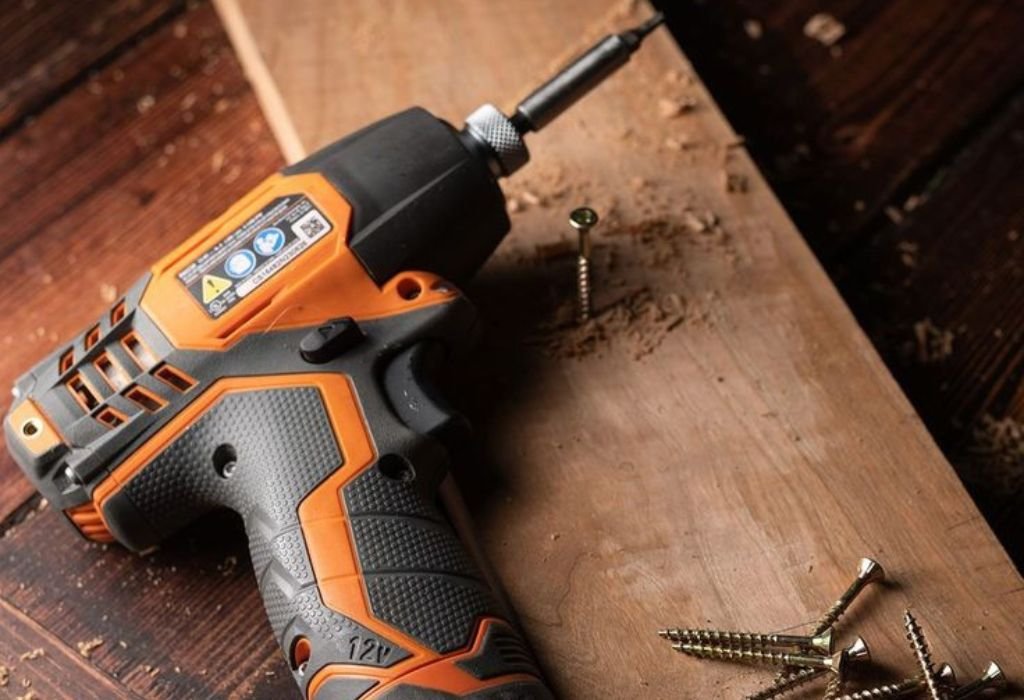
Children and beginners are especially vulnerable to hand drill accidents because they lack experience with tool behavior. Proper supervision is always required when teaching hand drill usage.
Training should begin with material selection that drills easily, such as softwood or plastic. Hard metals should be avoided until sufficient control is demonstrated.
Beginners must be taught correct hand positioning from the very beginning. Learning to keep fingers away from the exit point prevents one of the most painful mistake patterns.
Children should never be allowed to drill freehand without a securely clamped workpiece. They should also be required to wear eye protection at all times.
Teaching patience is also part of safety education. Rushing drilling operations increases errors and reduces attention to positioning. Slow, careful learning builds safe lifelong habits.
Tool Inspection and Maintenance for Safety
Regular tool inspection is one of the most important hand drill safety habits. Before every use, the chuck should be checked to ensure it tightens securely around the bit.
A loose bit can slip inside the chuck and suddenly spin freely. This creates loss of control and increases the chance of hand injury. Always confirm the bit is locked firmly in place.
The gear mechanism should rotate smoothly without grinding or sticking. Mechanical binding can cause sudden jerks during drilling. Light oiling of gears keeps movement smooth and predictable.
Drill bits must also be inspected regularly for dull edges, cracks, and bending. A damaged bit is far more likely to snap and cause injury.
Storing the hand drill in a dry environment prevents rust formation. Rust weakens metal components and increases the chance of structural failure during use.
Should the chuck be checked before every use?
Yes, a loose chuck causes sudden bit slippage.
Can rust make a hand drill unsafe?
Yes, rust weakens metal components and increases failure risk.
Is it dangerous to use a bent drill bit?
Yes, bent bits are much more likely to snap under pressure.
How often should hand drill gears be oiled?
Light oiling every few months keeps operation smooth.
Does poor storage affect hand drill safety?
Yes, moisture exposure leads to corrosion and mechanical failure.
Conclusion
Hand drills may appear simple and harmless, but they remain powerful cutting tools that demand proper respect and disciplined safety habits.
From correct hand positioning and proper bit selection to wearing eye protection and clamping workpieces securely, every precaution plays a role in preventing serious injury.
Most hand drill accidents are not caused by tool defects. They are caused by relaxed behavior, poor preparation, and rushed technique. By developing safe habits such as controlled pressure, correct posture, and routine tool inspection, users dramatically reduce these risks.
Children and beginners benefit the most from structured safety instruction. When proper techniques are taught early, confidence grows without exposing users to unnecessary danger.
Supervised learning transforms hand drills into powerful educational tools rather than hidden hazards.
Hand drills remain valuable for quiet, precise, and portable drilling tasks. When paired with correct safety precautions, they deliver not only excellent performance but also long-term protection for hands, eyes, and overall well-being.
Safety is not an extra step in drilling. It is the foundation of every successful and injury-free project.

I’m John F. Nicholas, the founder, lead writer, and drill enthusiast behind 101drill.com. With years of hands-on experience in power tools and DIY projects, I created this platform to share practical knowledge, expert tips, and real-world insights to help others master the art of drilling.