
Drilling through galvanized metal can be unexpectedly tricky because the zinc coating changes how the drill bit behaves on the surface. The first time many people try drilling it, the drill bit skips around because the coating is slick and heat-sensitive.
I once helped someone who wasted two good drill bits because the zinc heated up too fast and welded tiny flakes onto the cutting edge.
Galvanized metal reacts differently from regular steel because of the protective layer. When the zinc becomes hot, it softens and smears, causing the drill bit to slip instead of cutting smoothly.
This reaction often leads beginners to apply more pressure, which only worsens the problem and increases the chance of bit breakage.
Fortunately, drilling galvanized steel becomes easy once you understand how to manage speed, lubrication, and control.
Using the right drill bit and the proper setup dramatically improves drilling accuracy. With the right steps, even beginners can drill clean holes in galvanized surfaces without damaging the coating.
This guide breaks down every detail needed to drill through galvanized metal successfully. Whether you are making drainage holes, mounting hardware, or starting a fabrication project, these safe techniques will help you achieve clean and professional results. Once mastered, you will drill galvanized metal with confidence and zero frustration.
What Makes Galvanized Metal Harder to Drill
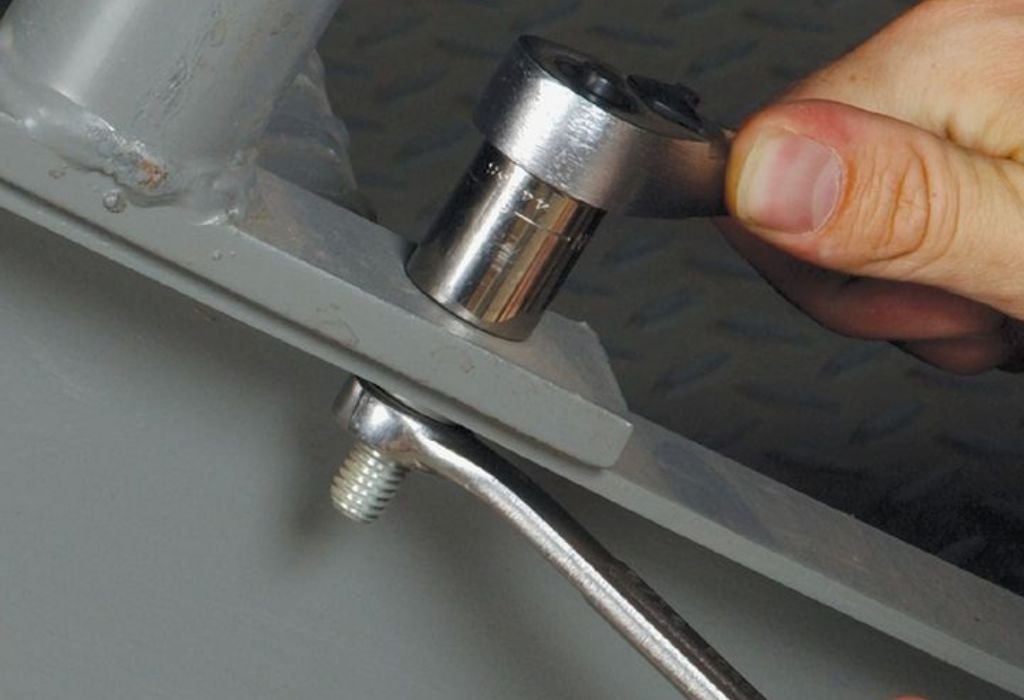
Galvanized metal is coated with a layer of zinc that protects the underlying steel from corrosion. This coating is softer than steel but becomes sticky when heated, causing drill bits to drag and smear.
When the drill bit creates friction, the zinc can melt slightly and adhere to the bit, making drilling harder.
The surface of galvanized metal is also very smooth and slippery. This causes the drill bit to wander unless there is a guide mark or pilot indentation. Without stability, the drill struggles to bite into the coating, leading to uneven holes or scratched surfaces.
Another challenge is the thermal behavior of zinc when exposed to rapid heating. The coating expands differently than steel, and this expansion creates resistance during drilling.
If the drill speed is too high, the heat builds quickly and can result in burned coating and damaged drill bits.
Galvanized steel also reflects heat, meaning the drill bit absorbs heat faster. This causes bits to overheat much sooner compared to drilling plain steel. Overheated bits become dull, brittle, and prone to breakage during use.
Finally, zinc fumes can form if the metal becomes too hot. These fumes are hazardous and require proper ventilation and slower drilling methods to avoid. Understanding these unique challenges helps prevent mistakes and improves drilling performance.
Tools You Need to Drill Through Galvanized Metal
Using the right tools is crucial for drilling galvanized metal safely and efficiently. A variable-speed drill is essential because galvanized metal requires slow RPM to prevent the zinc coating from overheating.
Slow cutting keeps the coating intact and prevents smearing or clogging of the drill bit.
Cobalt drill bits are the best choice because they withstand high temperatures and cut through tough metals with ease.
Titanium-coated bits and high-speed steel bits also work well for thinner galvanized sheets. Step drill bits are excellent for larger holes because they enlarge the opening gradually without stressing the metal.
Clamps help secure the metal firmly to prevent movement during drilling. Even slight movement can cause the drill bit to wander or scrape the surface. Keeping the metal stable ensures cleaner and more accurate holes.
Cutting oil is necessary to keep the drill bit cool while drilling. Lubrication prevents friction, reduces heat, and helps protect the zinc coating. A little oil applied during drilling dramatically extends the life of the drill bit.
A center punch and hammer allow you to create a guiding indentation on the galvanized surface. This indentation stops the drill bit from slipping on the smooth zinc coating. Without it, drilling becomes significantly harder and more dangerous.
A sturdy wooden board placed under the metal supports it during drilling. This prevents metal bending and gives the bit something to pass into cleanly. Proper tool selection and setup guarantee safer drilling and better results.
Why does my drill bit slip on galvanized metal?
The zinc coating is smooth and slick, causing the bit to wander without a punch mark.
Are cobalt bits required for galvanized metal?
They are highly recommended because they resist heat and give cleaner cuts.
Should I use lubrication while drilling galvanized steel?
Yes, lubrication prevents overheating and protects both the coating and the drill bit.
Can step drill bits be used on galvanized metal?
Yes, step bits are excellent for creating larger holes smoothly.
Why is clamping so important?
Because any movement increases friction, slipping, and drill bit stress.
Choosing the Right Drill Bit for Galvanized Steel
Choosing the right drill bit determines how easily you can drill through galvanized metal. Cobalt bits are ideal because they handle heat well and stay sharp longer when cutting through zinc-coated steel. These bits perform especially well on thick or hardened galvanized pieces.
Titanium-coated bits are suitable for medium-duty work because the coating reduces friction. The smoother cutting action helps prevent zinc from smearing onto the bit. These bits are widely available and cost-effective for light to moderate metal drilling.
High-speed steel bits work well for thin galvanized surfaces. They are affordable and effective for basic drilling tasks. However, they dull faster and require more lubrication and cooling during use.
Step drill bits are excellent for creating large, multi-size holes in galvanized metal. The stepped design cuts gradually without stressing the coating. This reduces heat buildup and minimizes the chance of coating damage.
Bit size matters when drilling galvanized metal. Smaller bits require gentler pressure and slower speeds to avoid snapping. Large bits should always follow a pilot hole to reduce stress on the cutting edges.
Using the correct drill bit ensures cleaner holes, longer tool life, and safer drilling conditions. Matching the bit to the metal type is one of the easiest ways to improve results dramatically. Choosing properly prevents unnecessary frustration and tool damage.
Preparing Galvanized Metal Before Drilling
Proper preparation ensures that your drill bit cuts through galvanized metal cleanly and safely. Start by cleaning the surface to remove dust, oil, or dirt that may interfere with drilling. A clean surface allows the punch mark and drill bit to stay aligned.
Mark the exact spot where you want to drill using a permanent marker. Clear marking helps prevent drilling mistakes and keeps hole placement accurate. Double-check measurements to ensure proper alignment.
Use a center punch to create a small indentation in the zinc coating. This indentation acts as a guide for the drill bit, preventing slipping on the smooth galvanized surface. Without this step, the bit may skate and scratch the coating.
Clamp the metal securely to a solid surface to eliminate vibration. Vibration can cause the drill bit to misalign or apply uneven pressure. This leads to jagged holes or broken bits.
Place a wooden board under the galvanized metal to support it during drilling. The wood allows the bit to pass through smoothly and prevents the bottom layer from tearing. It also stabilizes the metal and reduces bending.
Finally, apply a small amount of cutting oil to the marked spot before drilling. The oil helps cool the bit and reduce friction during cutting. Proper preparation creates ideal conditions for safe drilling and clean hole formation.
Step-by-Step Method to Drill Through Galvanized Metal
Begin by setting your drill to the lowest speed setting. Galvanized metal requires slow drilling to prevent the zinc coating from overheating. High speed increases friction and causes the zinc to soften and smear.
Hold the drill firmly with both hands and position the bit over the punch mark. Keep the drill perpendicular to the metal surface to ensure straight drilling. A slight tilt can cause the bit to wander or stress the cutting edge.
Start drilling with gentle pressure and allow the bit to cut gradually. Avoid pushing the drill too hard, as excessive pressure bends the metal and damages the bit. Slow and steady drilling ensures clean entry through the zinc layer.
Once the bit begins cutting into the metal, maintain slow speed and reapply lubrication if needed. Cutting oil helps dissipate heat and prevents zinc from sticking to the bit. Proper lubrication results in smoother and cleaner cuts.
If drilling a larger hole, start with a small pilot hole first. The pilot hole reduces stress on the main bit and improves accuracy. This method is safer and prevents sudden bit catching or snapping.
As the drill approaches the bottom of the metal, reduce pressure even further. The breakthrough moment is the most delicate phase and can easily snag the bit. Let the bit glide through slowly to avoid sudden jolts or rough edges.
Why does my bit get stuck when drilling galvanized steel?
Heat softens the zinc layer and causes it to grab the bit if drilling too fast.
Should I use a pilot hole?
Yes, pilot holes reduce stress and guide larger bits safely.
What speed is best for drilling galvanized metal?
Always use the slowest speed to prevent heat buildup.
Why does my drill bit burn so fast?
Because you are drilling without lubrication or at high RPM.
How do I avoid rough edges?
Use slow speed, proper lubrication, and light breakthrough pressure.
How to Prevent Overheating and Protect the Zinc Coating
Overheating is the primary reason galvanized metal becomes difficult to drill. Zinc becomes sticky at high temperatures and clogs the drill bit. To avoid this, always drill at a slow RPM and apply lubrication frequently.
Cutting oil allows the bit to glide smoothly through the zinc coating. It reduces friction and lowers heat buildup significantly. Reapplying oil throughout the drilling process ensures consistent cooling.
Pausing periodically allows the bit to cool naturally. These cooling breaks prevent the bit from reaching brittle temperatures where snapping becomes more likely. Short pauses also help protect the zinc coating from melting.
Sharp drill bits generate less friction than dull ones. Using sharp bits reduces heat and prevents drag against the galvanized surface. Dull bits create more resistance and increase the risk of overheating.
Using the correct bit type prevents unnecessary heat accumulation. Cobalt bits are specifically designed to resist heat and perform well during extended drilling. Matching the bit to the metal improves both safety and performance.
Proper technique and cooling help preserve the integrity of the galvanized coating. Minimizing heat ensures cleaner holes and longer bit life. Keeping temperatures controlled is essential for drilling galvanized metal safely.
How to Smooth and Finish Holes in Galvanized Metal
After drilling, the edges of galvanized metal often have sharp burrs. Using a deburring tool helps remove rough edges quickly and safely. This tool smooths the hole without damaging the zinc coating.
If a deburring tool is unavailable, fine-grit sandpaper or a small metal file works well. Sanding in circular motions helps remove jagged fragments around the rim. A file helps reach tight areas and shape the edge evenly.
Smoothing the hole improves safety by removing sharp metal that can cause cuts. It also enhances the appearance of the finished project and ensures compatibility with bolts or screws. Clean edges prevent snagging and future wear.
Wearing gloves during smoothing protects your hands from sharp zinc flakes. The coating can produce small splinters once disturbed. Gloves keep your hands safe while improving handling stability.
After smoothing, wipe the hole with a cloth to remove dust or debris. This ensures the zinc coating remains clean and rust-resistant. A clean surface also improves paint adhesion if the area requires recoating.
If the drilling removed some zinc coating, applying a zinc-rich primer helps restore protection. This prevents rust from forming where the coating was disturbed. Maintaining the protective layer improves long-term durability.
How do I remove sharp burrs after drilling?
Use a deburring tool, sandpaper, or a fine file to smooth the edges.
Do I need to reapply zinc coating after drilling?
Yes, if the bare metal is exposed, apply zinc-rich paint.
Is sanding enough for thin galvanized metal?
Yes, sanding works well for smoothing light burrs.
Should I wear gloves during finishing?
Gloves protect your hands from sharp metal and zinc splinters.
Why are my hole edges still rough?
You may be drilling too fast or using a dull drill bit.
Common Mistakes to Avoid When Drilling Galvanized Steel
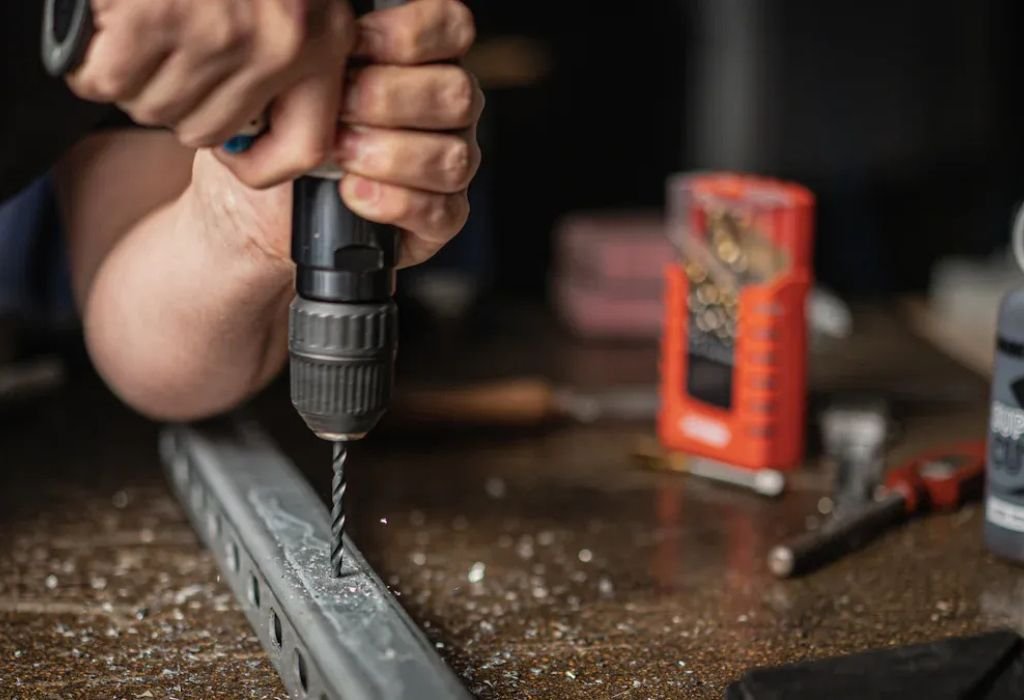
One of the most common mistakes is drilling at high speeds. High RPM creates excessive heat, softens the zinc coating, and causes clogging. This makes drilling harder and increases the chance of drill bit breakage.
Using the wrong drill bit type is another major issue. Wood or multipurpose bits are not designed for metal and fail quickly. Always use cobalt, titanium-coated, or HSS bits for galvanized metal.
Not using lubrication leads to rapid overheating. The zinc coating becomes sticky and forms a layer on the drill bit. This drastically reduces cutting efficiency and damages the bit.
Skipping the center punch step creates alignment problems. Without a punch mark, the bit slips across the smooth zinc surface before it can bite. This mistake results in scratched metal and misaligned holes.
Applying too much pressure creates bending stress on the drill bit. Drill bits must cut gradually, not be forced through the metal. Excessive pressure often leads to snapping and uneven holes.
Failing to stabilize the metal properly also creates issues. Without support and clamping, the metal vibrates, causing inconsistent drilling and damaged bits. Proper setup prevents unnecessary mistakes and ensures clean drilling.
Safety Precautions When Working With Galvanized Metal
Drilling galvanized metal requires attention to safety because of the zinc coating. When overheated, zinc can release fumes that irritate the lungs. Always ensure proper ventilation or work outdoors to avoid exposure.
Wear safety glasses to protect your eyes from tiny zinc flakes. The coating can chip easily during drilling or smoothing. Eye protection prevents serious injury from flying metal fragments.
Gloves are necessary to protect your hands from sharp edges and heated metal. Galvanized steel often creates jagged shards when drilled. Gloves improve grip and reduce the risk of cuts.
Avoid inhaling dust or particles created during drilling or sanding. Wearing a dust mask helps keep zinc particles out of your lungs. Proper respiratory safety prevents long-term health issues.
Be cautious when handling heated metal because zinc retains heat for longer periods. Allow the metal to cool before touching or smoothing. This prevents burns and ensures safe finishing.
Keep your drill secure and stable during use. Unstable drilling increases the chance of bit snapping or surface damage. Following safety precautions helps ensure a smooth and injury-free drilling experience.
Conclusion
Drilling through galvanized metal becomes simple and safe when you use the right techniques and tools. The zinc coating requires special care because it reacts to heat, friction, and pressure differently than regular steel.
When you use cobalt bits, slow RPM, lubrication, center punching, and proper clamping, you can drill clean holes easily without damaging your tools or the coating.
Proper preparation and cooling prevent overheating and protect the zinc layer from melting or smearing. Finishing the hole with smooth edges ensures better performance and long-lasting protection against corrosion.
With patience, correct technique, and attention to safety, drilling galvanized metal becomes smooth, efficient, and frustration-free.

I’m John F. Nicholas, the founder, lead writer, and drill enthusiast behind 101drill.com. With years of hands-on experience in power tools and DIY projects, I created this platform to share practical knowledge, expert tips, and real-world insights to help others master the art of drilling.