
Drilling small holes in metal may look simple at first, but the process requires far more precision than most people expect.
A small bit can break easily, overheat quickly, or slip across the metal if the technique is even slightly off.
Many beginners end up scratching the surface, burning the bit, or creating uneven holes because they miss a few critical steps.
Small holes require a lighter touch because metal reacts differently to pressure compared to wood or plastic.
The drill bit needs to sit perfectly in place, move at a controlled speed, and stay cool throughout the process. Without these conditions, even a tiny hole can become rough and inaccurate.
The key to success is understanding how metal thickness, hardness, and surface smoothness affect drilling.
Once you know how to prepare the metal and choose the right drill bit, the whole process becomes smooth. Small holes become clean, round, and ready for screws or fasteners without damaging the surface.
This guide walks you through every detail you need to drill small holes in metal safely and accurately. Whether you are working on a DIY project or a mechanical repair, the steps remain the same. With the right method, drilling small holes becomes straightforward and satisfying.
Why Drilling Small Holes in Metal Requires Precision
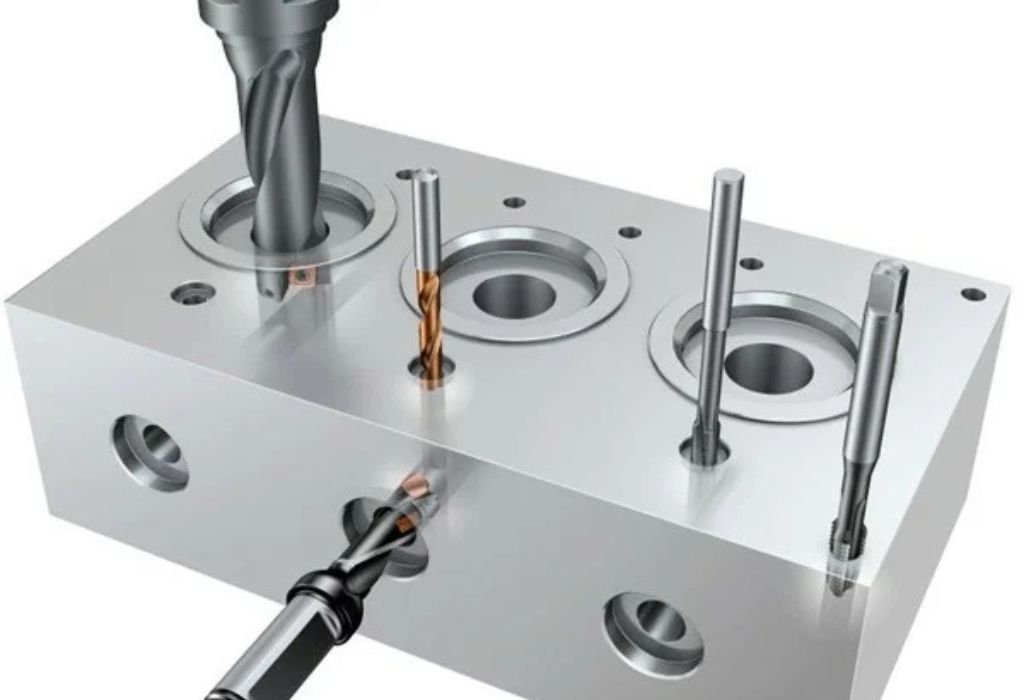
Small drill bits are more fragile than larger ones, making them easier to snap under excessive pressure. When you drill too fast or push too hard, the bit bends slightly and breaks. This is why precision and control are essential from the very beginning.
Metal surfaces are often smooth and slippery, so the drill bit must be positioned properly before drilling begins. Without the right starting technique, the bit will skid across the metal instead of creating a hole. This slipping not only damages the surface but also ruins alignment.
Heat buildup is another challenge because small bits heat up faster than thicker ones. Metal conducts heat quickly, so friction increases as drilling progresses. If the bit overheats, it dulls and stops cutting efficiently.
Metal thickness also determines how much control the drilling process needs. Thin metal can deform or tear if the bit enters too aggressively. Thick metal requires more time and steady pressure to get through successfully.
The angle of the drill must remain consistent to create a round and accurate hole. Even slight wobbling creates an oval shape instead of a precise circle. Maintaining proper alignment makes the hole much cleaner.
Small holes often require follow-up work, such as deburring or smoothing. Rough edges can interfere with screws or components. Precision during drilling reduces the need for extra finishing.
Overall, drilling small holes in metal demands patience and carefully controlled technique. The more accurately you handle the drilling process, the better the final result will be.
Tools You Need to Drill Small Holes in Metal
A variable-speed drill is necessary because small holes in metal should always begin at slow speed. Slow drilling helps the bit stay stable and prevents slipping. Variable-speed control gives you flexibility throughout the process.
High-quality metal drill bits such as cobalt bits or titanium-coated bits are ideal for drilling small holes. These bits handle heat better and maintain sharpness during prolonged use. They are also stronger and less likely to snap under pressure.
A center punch is essential for marking the drilling point. The small dent created by the punch prevents the drill bit from wandering across the surface. Without it, drilling becomes unpredictable and unsafe.
Cutting oil helps keep the drill bit cool while drilling small holes. Lubrication reduces friction and prevents overheating, extending the life of the drill bit. Even a small amount of oil greatly improves performance.
Masking tape is useful for reducing slipping and protecting the metal surface. Tape adds grip and allows for easier marking. It also helps minimize scratches when drilling begins.
Clamps or a vise stabilize the metal piece. Stability is important because even slight movement can snap a small bit. Securing the metal ensures smoother and safer drilling.
Safety equipment such as gloves and safety glasses is always recommended. Metal shavings are sharp and can cause injury. Proper safety gear keeps you protected throughout the process.
Understanding Metal Thickness and Material Type
Metal comes in different thicknesses, which affects the drilling process significantly. Thin metal requires lighter pressure because it bends easily under force. Thick metal requires slower drilling and more patience to maintain control.
Aluminum is one of the easiest metals to drill because it is soft and lightweight. Drill bits pass through it smoothly with minimal resistance. However, aluminum can heat up quickly if drilled too fast.
Steel is harder and demands more precision. It resists drilling more aggressively and generates more heat in the process. Using high-quality cobalt bits helps drill through steel more effectively.
Stainless steel is even harder and more heat-resistant. It requires slow drilling speed and frequent lubrication. Without proper technique, small bits quickly become dull on stainless steel.
Copper and brass are softer metals but can be tricky because they bind to the drill bit. They require sharp bits and controlled speed. Proper lubrication makes drilling these metals easier.
Knowing the type of metal helps you adjust your drilling technique. Each metal requires different pressure, speed, and bit type. Understanding these differences improves accuracy and hole quality.
The thickness and hardness of the metal determine how long the drilling process should take. Rushing leads to poor results. Taking your time ensures the cleanest small hole possible.
Choosing the Right Drill Bit for Small Metal Holes
Cobalt drill bits are excellent for small metal holes because they resist heat and stay sharp longer. Their strong alloy composition helps them cut through hard metals smoothly. They are ideal for regular metal drilling tasks.
Titanium-coated bits reduce friction and improve drilling speed. The coating helps the bit glide through metal more easily. These bits are good for general-purpose drilling in aluminum or thin steel.
Carbide bits are extremely hard and suitable for drilling very small holes in tough metals. They maintain sharpness but can break if mishandled. Proper technique is important when using carbide bits.
High-speed steel bits are the cheapest option and work well for occasional drilling. However, they dull quickly when used on harder metals. They are not ideal for frequent small-hole drilling.
Step bits are useful for enlarging small holes once the pilot hole is created. They create smooth, round openings without tearing thin metal. They are especially good for sheet metal.
Choosing the right bit depends on metal type and hole size. Smaller bits require more careful handling. Matching the bit to the material ensures cleaner, more accurate drilling results.
Sharp drill bits produce smoother holes with less effort. Dull bits create rough edges and increase overheating. Always replace or sharpen worn bits before drilling.
How to Prepare Metal Before Drilling Small Holes
Begin by cleaning the metal surface with a cloth to remove dust and debris. A clean surface allows accurate marking and prevents bit slipping. Dirt can interfere with drilling precision.
Apply masking tape to the drilling area. The tape adds friction and makes drilling more stable. It also protects the metal from scratches and paint damage.
Mark the exact drilling point with a permanent marker. Accuracy is essential for small holes because even slight misalignment affects the final result. Clear marking helps guide the drill bit correctly.
Use a center punch to create a small indentation at the marked point. The indentation keeps the drill bit stable during the first seconds of drilling. Without this dent, small bits often skid across the metal.
Apply a drop of cutting oil onto the punch mark. Lubrication prevents overheating and ensures smooth drilling. Even a single drop can make a noticeable difference.
Secure the metal using clamps or a vise. Stability is crucial because small bits break easily when the metal shifts. Proper clamping ensures maximum control.
Position the drill at a perfect 90-degree angle to the metal. A straight angle ensures that the hole remains round and true. Once everything is set, the metal is ready for drilling.
Step by Step Method to Drill Small Holes in Metal
Start drilling at the lowest speed setting on your drill. Slow speed prevents slipping and allows the bit to settle into the punch mark. High speed too early can break the bit.
Press the drill gently while maintaining steady pressure. Small bits require minimal force because too much pressure bends and snaps them. Let the bit do the cutting naturally.
Keep the drill perfectly aligned as you begin drilling. Even slight sideways movement can create an uneven hole. A stable hand ensures smooth and accurate drilling.
Apply cutting oil frequently as the hole deepens. Lubrication prevents friction and overheating. A well-lubricated bit lasts longer and cuts cleaner.
Drill slowly through the material and avoid rushing. Small bits take time to cut through metal effectively. Patience ensures the best hole quality.
Withdraw the bit occasionally to remove metal shavings. Shavings clog the bit and increase heat. Clearing them improves drilling efficiency.
Finish the hole by reducing pressure as the bit nears completion. Light pressure gives a clean exit and prevents tearing. A controlled finish ensures a smooth hole.
How to Prevent Drill Bit Slipping on Small Holes
Always use a center punch to create a starting point. The punch mark anchors the bit and prevents skidding. This step is essential for drilling accurate small holes.
Use masking tape on the metal surface. Tape adds friction and allows the drill bit to grip better. It also helps prevent scratches during drilling.
Start drilling at the lowest speed. Slow rotation gives the drill bit time to stabilize. Fast drilling increases slipping and reduces control.
Hold the drill firmly with both hands. A strong and steady grip helps maintain alignment. Control is especially important for small holes.
Keep the drill perpendicular to the surface. Tilting causes the bit to slide and scratch the metal. Angle consistency ensures precision.
Avoid lubrication during the first second of drilling. Oil can make the surface too slippery before the bit enters. Apply oil only after the bit sets.
Stabilize the workpiece with clamps or a vise. Movement increases slipping. A secured piece ensures accurate drilling.
Avoiding Overheating While Drilling Small Metal Holes
Small drill bits heat up quickly because of their thin structure. Heat weakens the bit and reduces cutting ability. Controlling heat is essential for successful drilling.
Use plenty of cutting oil during the drilling process. Oil reduces friction between the bit and the metal. It also slows down heat buildup.
Avoid drilling at high speeds. High rpm creates heat quickly, especially on harder metals. Slow drilling keeps temperature under control.
Take breaks during drilling. Pausing allows both the metal and the drill bit to cool down. This prevents overheating and bit damage.
Withdraw the drill bit every few seconds to clear shavings. Metal chips trap heat and reduce cooling. Removing them keeps the drill bit more efficient.
Use sharp drill bits instead of dull ones. Sharp bits cut cleanly and generate less friction. Dull bits overheat faster and damage the metal.
Monitor the drill bit discoloration. If it turns dark or blue, stop immediately and allow it to cool. Overheated bits lose hardness and effectiveness.
Common Mistakes When Drilling Small Holes in Metal
Drilling too fast is a major mistake that leads to overheating and bit breakage. Small holes require slow and steady drilling. Speed must be controlled for best results.
Applying too much pressure causes bits to snap. Small bits are fragile and must be handled gently. Light pressure produces the cleanest hole.
Skipping lubrication is a common error that shortens bit lifespan. Without oil, friction increases dramatically. This results in rough holes and dull bits.
Failing to use a center punch leads to slipping. Slipping damages the metal surface and misaligns the hole. Punching is a necessary preparation step.
Using the wrong bit type reduces accuracy. Wood bits or dull bits are not suitable for metal. Only metal-specific bits should be used.
Not securing the metal workpiece causes dangerous movement. Movement increases bit stress and reduces accuracy. Clamping is essential for safe drilling.
Rushing the process produces low-quality holes. Small holes need patience and attention to detail. Taking your time ensures a professional result.
Safety Tips for Drilling Small Holes in Metal
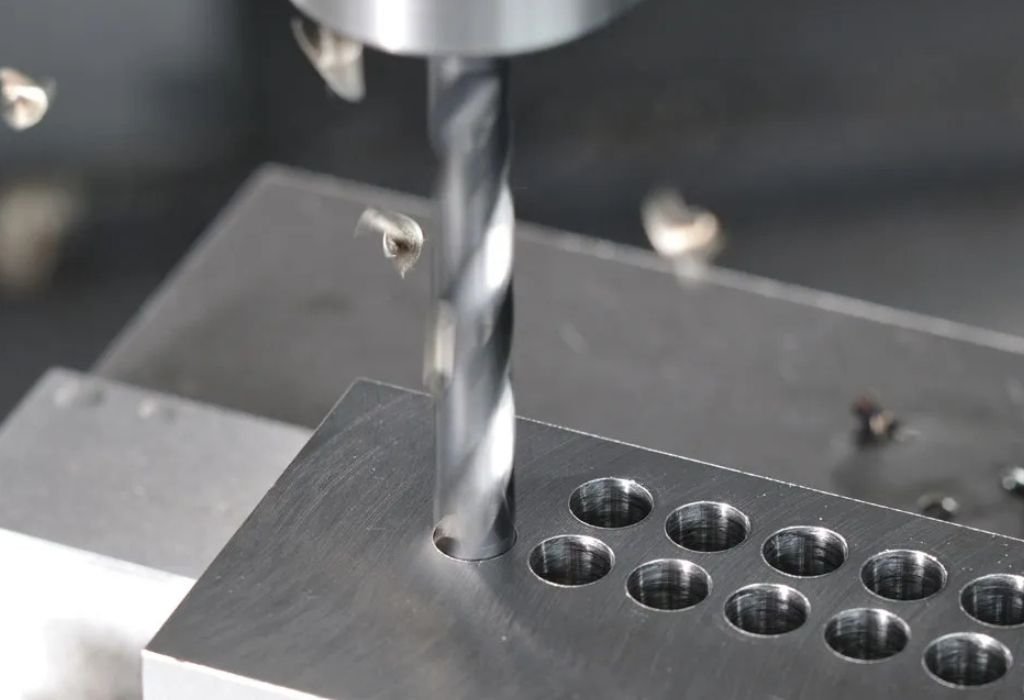
Wear safety glasses to protect your eyes from metal shavings. Metal debris can fly at high speed during drilling. Eye protection is essential for any metalwork.
Use gloves to protect your hands from sharp edges. Even small holes create sharp metal fragments. Gloves reduce the risk of cuts.
Secure the metal piece with clamps or a vise. A stable workpiece prevents accidental slips. Stability increases safety and drilling precision.
Keep loose clothing and hair tied back. Loose items can get caught in the drill, causing injury. Always work with a clean and safe setup.
Hold the drill with both hands for maximum control. A firm grip helps you maintain alignment. Control is vital for drilling small holes accurately.
Do not force the drill. Letting the bit cut on its own prevents overheating and breakage. Force increases risk and reduces hole quality.
Clean the work area regularly. Metal shavings can cause cuts or get into the drill mechanism. A clean workspace ensures smoother drilling.
Common Questions About Drilling Small Metal Holes
What is the best drill bit for small holes in metal?
Cobalt drill bits are the best choice because they stay sharp and handle heat well.
Why does my drill bit break when drilling small holes?
Too much pressure or high speed causes small bits to snap easily.
How do I stop the drill bit from slipping on metal?
Use a center punch to create a dent before drilling.
Should I drill metal at high speed or low speed?
Always drill metal at low speed to prevent overheating and slipping.
Why does my drill bit get hot so quickly?
Lack of lubrication or excessive speed causes rapid heating.
Can I drill small holes in stainless steel?
Yes, but use cobalt bits and plenty of cutting oil.
Do I need to use cutting oil for small holes?
Yes, oil prevents overheating and makes drilling smoother.
What happens if I drill too close to the edge?
The metal may bend, crack, or deform due to reduced support.
Why is the hole not round?
Incorrect angle or bit wobbling causes uneven shapes.
How do I clean the hole after drilling?
Use a deburring tool or fine sandpaper to smooth sharp edges.
Conclusion
Drilling small holes in metal is a precise task that requires patience and the right technique. By using sharp metal drill bits, applying lubrication, and maintaining slow speed, you create clean and accurate holes every time.
Following the proper preparation steps ensures that the bit stays stable from start to finish.
Understanding metal thickness and hardness helps you adjust pressure and drilling time. Whether the metal is thin, thick, soft, or hard, the same principles apply. A careful approach prevents slipping, overheating, and bit breakage.
Staying safe and maintaining proper control throughout the process makes drilling small holes easier and more predictable.
With practice and attention to detail, anyone can achieve professional-quality results. This guide provides everything necessary for drilling small metal holes with accuracy and confidence.

I’m John F. Nicholas, the founder, lead writer, and drill enthusiast behind 101drill.com. With years of hands-on experience in power tools and DIY projects, I created this platform to share practical knowledge, expert tips, and real-world insights to help others master the art of drilling.