
A weekend project takes an unexpected turn when a cordless drill slips into the pool during dock repairs.
The question quickly arises: can you use a cordless drill underwater, or is it a dangerous idea with hidden risks?
Many DIY enthusiasts and professionals face similar situations when working around boats, pools, or waterfront structures.
Curiosity grows because cordless drills are often marketed as tough, versatile, and weather-resistant tools.
Yet water and electricity rarely mix safely, and tool performance underwater is not as simple as it seems.
Electrical incidents involving moisture account for thousands of workplace accidents each year, according to OSHA.
Only a few specialized drills worldwide carry IPX7 or IPX8 ratings, meaning they can survive full submersion for set depths and times (Tool Review Sources).
Most consumer-grade cordless drills lack the seals, materials, and engineering needed for underwater use.
Submersion risks damaging batteries, motors, and electronic controls while creating potential safety hazards.
Even short exposure to water accelerates corrosion, reduces torque, and may cause total tool failure.
The truth is that professional divers and marine workers rely on hydraulic, pneumatic, or certified waterproof drills for submersion tasks.
This guide explores safety concerns, technical limitations, and the real facts about using cordless drills underwater.
Readers will learn why ordinary drills fail in wet environments and discover the correct tools for marine applications.
By the end, the difference between marketing claims and actual underwater safety standards becomes clear.
Can You Use a Cordless Drill Underwater? The Short Answer
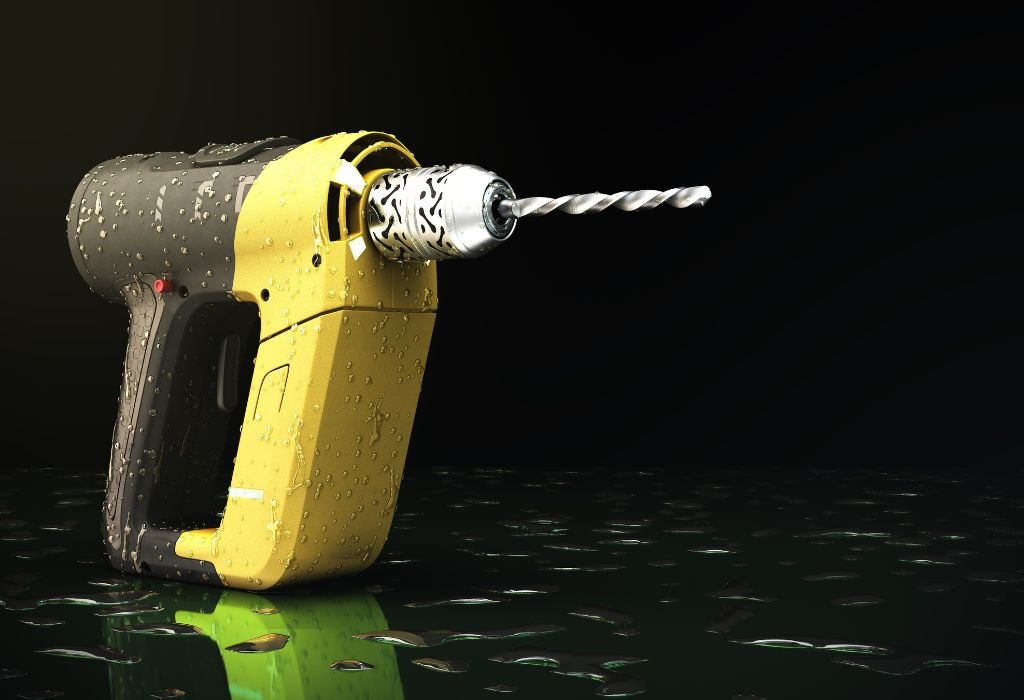
A standard cordless drill cannot be used underwater safely unless explicitly rated for that purpose. Most consumer tools lack protective seals and have battery compartments and vents that will fill with water.
Even a brief splash can lead to short circuits, corrosion, or complete tool failure. Only drills rated with IPX7 or IPX8 (30 minutes at 1m depth) could survive true submersion—and most drills are not built to those specs.
Certain professionals use specialized underwater pneumatic or hydraulic drills for marine settings, but these are expensive, complex, and completely different from everyday cordless tools.
FAQ
Can you use a cordless drill underwater safely?
No, unless it is specifically rated waterproof for submersion.
Do batteries fail when submerged?
Yes, lithium-ion batteries risk short circuits, leaks, and corrosion.
Are there professional underwater drills?
Yes, pneumatic or hydraulic tools exist for marine or diving work.
Does waterproof casing make a difference?
Only if the drill meets ratings like IPX7 or IPX8 for full protection.
Is freshwater safer than saltwater?
No—both types can still infiltrate cases and damage components over time.
Understanding the Risks of Underwater Drilling
Submerging a recoil drill crashes at the intersection of water, electricity, and mechanical pressure. Water corrodes metal contacts, disables brush contacts, and weakens seal points. Additionally, pressurized water can force its way into enclosed motor compartments.
According to NIOSH data, water is a frequent factor in electrical tool accidents—risking shock, fire, and tool failure. At depth, battery packs may also catastrophically short, overheating and potentially firing embers around flammable gases or materials.
FAQ
Can water damage cordless drill motors?
Yes. Water entering motor housing corrodes windings and bearings.
Does water reduce drill performance?
Yes. Even minor moisture significantly cuts torque and speed.
Is saltwater more damaging than freshwater?
Yes. Salt is highly conductive and accelerates corrosion significantly.
Can rubber seals prevent all water damage?
No. Seals may fail under pressure or wear, allowing water entry.
Are battery packs at risk of explosion underwater?
Yes. Water contacting lithium battery terminals can trigger internal failures.
Waterproof Ratings Explained: IPX5, IPX7, IPX8
Most drills boast at best splash resistance ratings (e.g., IPX4), but those only protect from droplets, not immersion. IPX7 means the device survives 30 minutes of submersion in 1m of water, while IPX8 stands for continuous immersion at specified depths.
Common consumer models do not carry submersion ratings. Even those that do must undergo rigorous testing—meaning they are designed and priced differently than regular drills.
FAQ
What does IPX7 mean for a drill?
Protection from 30 minutes of submersion at up to 1 meter depth.
Are most drills IPX7 or IPX8 rated?
No. Standard drills usually max out at splash resistance (IPX0–4).
Do underwater drills meet IPX8 standards?
Yes—industrial marine drills often meet or exceed this level.
Does achieving an IP rating ensure shock safety?
No—IP ratings only cover water ingress, not electrical safety.
Can coatings improve waterproofing?
Only to an extent. Full protection requires certified casings and seals.
Tool Design Differences — Standard vs Underwater Drills
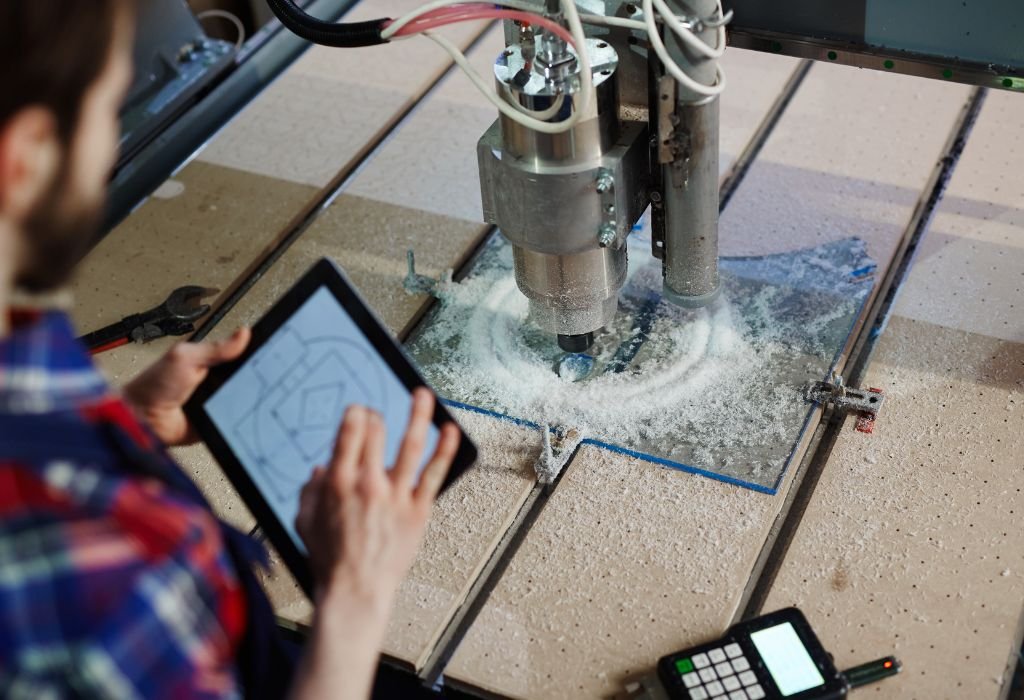
A standard cordless drill has plenty of vents, exposed electronics, and connectors—making it vulnerable to water. In contrast, underwater or marine drills feature hermetic seals, corrosion-resistant metals, and pressure-tested enclosures made with materials like stainless steel or composite alloys.
Some battery-powered tools are being designed for wet environments—such as marine repair kits—but they are niche and expensive. More often, professionals rely on hydraulic or pneumatic systems, eliminating electricity near the user.
FAQ
Do brushless drills handle moisture better?
No, while they run cooler, they still risk water damage without protective seals.
Are underwater drills battery-powered?
Some are. Others run via hydraulics or air supply for safety.
Does sealing the battery make it water-safe?
Not fully. Water can still penetrate connectors, vents, and seals.
Are metal casings corrosion-resistant?
Yes—materials like stainless steel resist rust better than typical steel.
Do underwater drills cost more?
Yes—specialized engineering and certification comes with a premium.
Real-World Scenarios — Underwater Drilling Uses
Undersea repairs, dock mounting, marine scientific equipment, and deep structural inspections all require tools that can survive full submersion. In these cases, professionals use tools rated for diving—never ordinary cordless models.
Scientific undersea probes and boat-hull anchor points installation require steps like pre-drilling above water, or using hydraulic/air systems underwater.
FAQ
Do divers use cordless drills underwater?
Only if the drills are certified for marine or submersible use.
Is DIY underwater drilling recommended?
No. Safety, tool integrity, and reliability are compromised.
Are there alternatives to underwater drilling?
Yes. Pre-drilling before immersion or using surface-supported methods.
Do underwater drills need special bits?
Yes. Bits need anti-corrosion plating or special alloys.
Can 3D-printed waterproof casings protect tools?
No. They lack professional certifications and pressure resistance for safe use.
Safety Guidelines for Underwater Drilling
Safety is paramount. Switching to marine-rated pneumatic tools or battery units with GFCI protection helps avoid electrical hazards. Wearing insulated gloves, waterproof PPE, and using ground fault protection saves lives.
Professional divers follow OSHA and dive standards. This includes decompression planning, proper tool support, and emergency retrieval systems—none of which apply to standard DIY operations.
FAQ
Do GFCI outlets reduce shock risks?
Yes, they cut power within milliseconds when a fault is detected.
Is PPE enough for underwater work?
No. Waterproof, certified tools are a must.
Are hydraulic drills safer than electric underwater?
Yes. They eliminate electrical shock risk entirely.
Do divers need special certifications?
Yes—only commercial and professional diving standards qualify.
Can cordless drills be DIY waterproofed?
No. Waterproofing requires lab certification for safety.
Alternatives to Cordless Drills for Wet Environments

- Hydraulic drills: Powered by surface-supplied high-pressure fluids.
- Pneumatic drills: Air-driven and eliminate near-user electricity.
- Marine-rated electronic drills: Fully sealed with IPX8 or higher.
- Remote/Rov-controlled drill systems: Used in oil rigs or deep-sea projects.
FAQ
Are pneumatic drills safer underwater?
Yes. No electric power moving near the diver.
Do hydraulic drills need power packs?
Yes—they require surface-powered hydraulic units.
Are battery drills rated for diving available?
Yes. Brands like Nemo offer marine-certified versions.
Do underwater tools cost more?
Yes. Specialty marine tools are a niche market.
Is DIY waterproofing cost-effective?
No. Certification, testing, and safety make it impractical.
Future of Underwater Power Tools
Emerging technologies include improved nano-coatings, solid-state batteries, and better seal designs. Wireless charging beneath water and 3D-printed conformal cases may offer future solutions—but mass market outdoor drills remain dry-use only.
Autonomous robotics and ROV-mounted drills are growing areas for offshore drilling and inspection.
FAQ
Are better waterproof batteries being developed?
Yes. Solid-state cells resist water better than current tech.
Will drills be waterproof soon?
Unlikely—demand remains niche, so no mass-production incentives.
Are robots replacing human drills underwater?
In many marine operations, yes. ROVs and robotics are growing.
Do coatings improve water durability?
Yes—but only as part of a broader waterproofing strategy.
Will prices drop for marine drills?
Likely, if demand grows with adoption.
Conclusion — Can You Use a Cordless Drill Underwater?
In summary, no—unless the cordless drill has been specifically rated for underwater use. Standard tools lack necessary seals, construction, and safety features. Employing a generic drill underwater invites electrical hazards, tool damage, and personal injury.
Professionals use tools designed for water environments: hydraulic, pneumatic, or IP-rated battery models. Always prioritize safety and choose the right tool for the environment.
Final FAQ
Final verdict?
No—do not use standard cordless drills underwater unless rated for it.
Best tool for underwater tasks?
Hydraulic, pneumatic, or marine-certified electric drills.
Key safety requirement?
Only use certified equipment, proper PPE, and follow standards.
Why DIY waterproofing is risky?
Only certified devices carry the guarantees for safe underwater use.
Where to source underwater drills?
Look to industrial marine, oil services, or professional dive tool suppliers.

I’m John F. Nicholas, the founder, lead writer, and drill enthusiast behind 101drill.com. With years of hands-on experience in power tools and DIY projects, I created this platform to share practical knowledge, expert tips, and real-world insights to help others master the art of drilling.