
A DIY project starts smoothly until the cordless drill battery dies mid-task, leaving the job unfinished.
This moment sparks the question: how long do cordless drill batteries last before losing runtime or capacity?
Battery life varies by chemistry, voltage, and charging habits, making the answer less straightforward than expected.
Research shows Li-ion drill batteries typically last 3–5 years or 500–1,000 charge cycles with proper care (Battery University).
Average runtime per charge ranges from 30–60 minutes depending on voltage, load, and material hardness (Tools Official).
Users want predictable performance to avoid mid-project interruptions and unexpected battery replacements.
Understanding what affects lifespan helps maximize value from every charge and reduces long-term costs.
Factors like heat, deep discharges, and poor storage practices shorten battery life significantly over time.
On the other hand, correct charging, moderate use, and temperature control extend both runtime and total cycle life.
This guide explores battery lifespan, care tips, replacement signs, and future technology trends for cordless drills.
Readers will discover exactly how long batteries last, why they degrade, and how to get the most from every pack.
By the end, you will know how to extend runtime, avoid costly mistakes, and plan upgrades effectively.
How Long Do Cordless Drill Batteries Last? The Quick Answer
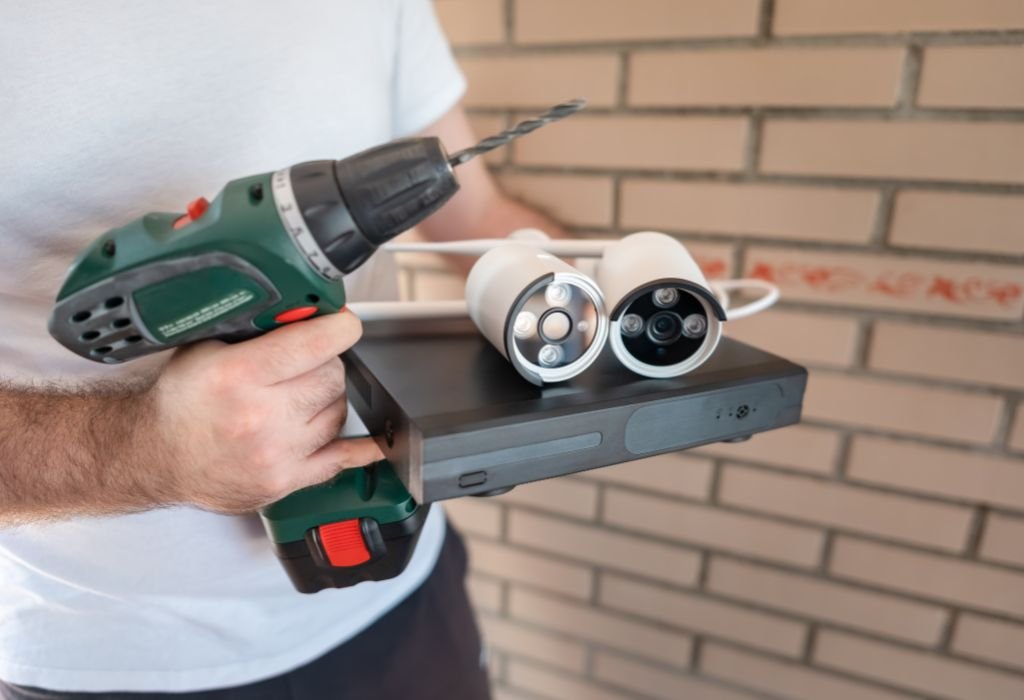
Cordless drill batteries usually last 3–5 years when handled correctly. Runtime per charge averages 30–60 minutes under regular working conditions.
Performance varies based on battery chemistry, voltage, and brand quality. Premium brands often offer longer life due to better cell technology.
Charge cycles matter because each full discharge reduces total capacity over time. Heavy use or poor charging habits shorten overall lifespan significantly.
Taking care to avoid deep discharges, overheating, or cheap chargers can extend both runtime and total life. This ensures batteries deliver consistent power for longer periods.
Q&A Section
How many years do cordless drill batteries last?
Typically 3–5 years with moderate use and good care.
How long does each charge last?
Most cordless drills run for 30–60 minutes per charge.
Do charging cycles reduce battery life?
Yes, every full cycle counts toward total capacity limits.
Does brand quality matter?
Yes, premium brands often use higher-grade battery cells.
Are low-cost replacements a good choice?
They save money but usually last fewer charge cycles.
Battery Chemistry — Li-ion vs NiCd vs NiMH
Battery chemistry affects runtime, lifespan, weight, and charging behavior. Each type offers different advantages and disadvantages for drill users.
Li-ion batteries dominate modern cordless tools because they provide longer life and no memory effect. They also charge faster and weigh less than older technologies.
NiCd batteries suffer from memory effect where partial charges reduce capacity. They are heavier and less eco-friendly compared to Li-ion batteries.
NiMH batteries were once popular but degrade faster than Li-ion. Their use in modern power tools has almost disappeared.
Q&A Section
Which lasts longer: Li-ion or NiCd?
Li-ion batteries last longer and hold charge better.
Are NiMH batteries still used in drills?
Rarely, as Li-ion has replaced NiMH in most tools.
Do Li-ion batteries degrade unused?
Yes, they slowly lose capacity even when stored.
Do NiCd batteries need full discharge cycles?
Yes, but it shortens total lifespan significantly.
Is fast charging safe for Li-ion packs?
Yes, if manufacturer-approved chargers are used.
Factors Affecting Cordless Drill Battery Life
Temperature plays a big role in battery performance. Extreme heat accelerates cell degradation while freezing temperatures reduce efficiency.
Heavy drilling in masonry drains batteries faster than light work on wood or drywall. Different tasks require varying power demands, impacting runtime.
Motor type also affects battery efficiency. Brushless motors consume less power and extend runtime compared to brushed designs.
Improper storage and deep discharges shorten overall battery life. Storing at partial charge in cool, dry conditions improves longevity.
Q&A Section
Does heat reduce battery life?
Yes, high temperatures damage internal cells quickly.
Does cold affect performance?
Yes, batteries lose efficiency in freezing weather.
Do higher voltage drills drain batteries faster?
Yes, higher power output shortens runtime per charge.
Do brushless motors save battery power?
Yes, they use electricity more efficiently than brushed motors.
Does storage condition matter?
Yes, poor storage habits shorten battery lifespan.
How to Maximize Cordless Drill Battery Lifespan
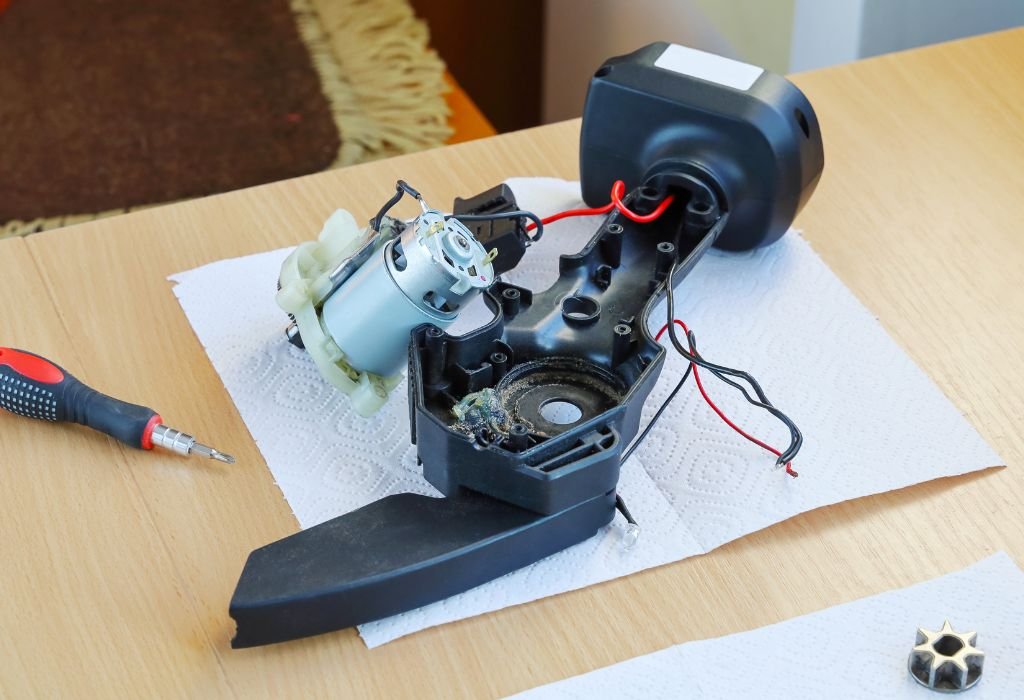
Proper charging practices extend battery life significantly. Always let batteries cool before recharging to prevent overheating damage.
Store batteries at 40–60% charge instead of keeping them fully charged or discharged for long periods. This helps preserve total cycle life.
Use only OEM chargers with built-in overcharge protection features. Third-party chargers risk inconsistent voltage and heat buildup.
Avoid full discharges whenever possible because deep cycles shorten battery lifespan. Frequent shallow recharges are safer for Li-ion packs.
Q&A Section
Should batteries cool before charging?
Yes, heat shortens battery life dramatically.
What’s the best storage charge level?
Store batteries at around 40–60% capacity.
Do full discharges harm Li-ion packs?
Yes, deep discharges reduce cycle life significantly.
Do third-party chargers reduce lifespan?
Yes, they risk overheating and overcharging issues.
Should batteries stay in the charger?
No, remove them after charging finishes.
Typical Runtime Per Charge — Real Examples
Runtime varies by battery voltage, amp-hour rating, and tool design. Higher-capacity packs deliver longer runtime for heavy drilling tasks.
A 20V 2.0Ah battery may last 30 minutes under full load, while a 20V 5.0Ah battery can last over an hour with lighter work.
Premium brands like DeWalt, Makita, and Milwaukee use high-efficiency cells for longer runtime. Brushless motor technology further improves energy use.
Material hardness also affects runtime per charge. Masonry drilling drains batteries faster than wood or metal drilling.
Q&A Section
How long does a 20V battery last?
About 30–45 minutes of continuous drilling.
Do bigger Ah batteries last longer?
Yes, they store more energy for extended runtime.
Does drilling masonry drain faster?
Yes, hard materials require more power output.
Do brushless motors improve runtime?
Yes, they increase efficiency and reduce energy loss.
Do compact batteries have less runtime?
Yes, they carry smaller capacity cells inside.
Signs Your Cordless Drill Battery Needs Replacing
Shortened runtime is the first warning sign of aging batteries. If a drill runs only a few minutes after charging, replacement may be needed.
Overheating during charging or use indicates cell degradation. Old batteries often charge slower and heat up more easily.
Swollen battery packs signal serious internal damage. They should be replaced immediately to avoid safety risks.
Batteries losing charge quickly when idle also indicate declining capacity. Li-ion holds charge better than older NiCd designs.
Q&A Section
Why does my battery die quickly?
It has lost capacity due to aging cells.
Is swelling dangerous for batteries?
Yes, replace swollen packs immediately.
Do longer charge times mean aging?
Yes, older batteries charge slower over time.
Do batteries lose charge when idle?
Li-ion holds charge longer than NiCd batteries.
Does sudden runtime loss mean failure?
Yes, capacity fades rapidly near end of life.
Cost Analysis — Repair vs Replace vs Upgrade
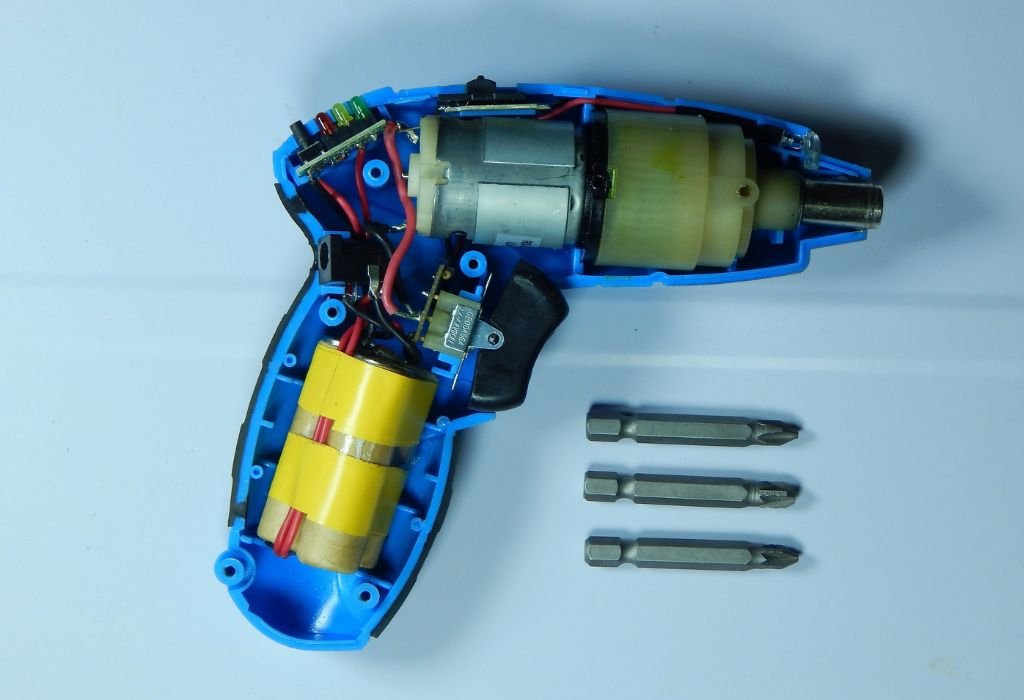
OEM batteries cost more but deliver safety and reliability. They meet strict manufacturing standards for consistent performance.
Third-party replacements are cheaper but often degrade faster. Quality control varies widely across aftermarket suppliers.
Sometimes upgrading to newer drill kits with advanced batteries is better value. New tools often come with longer-lasting Li-ion packs.
Rebuilding battery packs is possible but requires professional handling for safety. DIY repairs risk electrical hazards or poor performance.
Q&A Section
Are OEM batteries worth the cost?
Yes, they meet strict safety and performance standards.
Is rebuilding old packs worth it?
Only if done professionally with quality cells.
Do warranties cover batteries?
Some brands offer 2–3 year coverage on packs.
Is upgrading to Li-ion better?
Yes, it outperforms NiCd and NiMH designs.
Do battery prices vary widely?
Yes, premium brands cost more but last longer.
Future Trends in Cordless Drill Battery Technology
Researchers are developing solid-state batteries with higher energy density. These promise longer lifespan and improved safety features.
Fast-charging technologies are also advancing quickly. Future drills may reach full charge in under 15 minutes safely.
Smart batteries with integrated monitoring chips are coming soon. They will track health, cycles, and temperature automatically.
Production scaling will likely reduce costs over time. Advanced chemistries will become more affordable as demand grows.
Q&A Section
Are solid-state batteries coming soon?
Yes, they promise longer life and safety improvements.
Will charging times get shorter?
Yes, new chemistries enable rapid charging safely.
Will energy density improve?
Yes, allowing smaller packs with higher capacity.
Are smart batteries in development?
Yes, they will monitor health and performance.
Will prices drop as tech improves?
Yes, mass production reduces manufacturing costs.
Conclusion — How Long Do Cordless Drill Batteries Last?
Cordless drill batteries last 3–5 years or 500–1,000 cycles with good care. Proper charging, storage, and usage habits extend their total life.
Avoid extreme temperatures, full discharges, and cheap third-party chargers. These practices preserve capacity and safety over time.
Upgrading to brushless tools and high-capacity Li-ion packs boosts runtime and efficiency. Modern technologies deliver better performance than older designs.
Future batteries promise faster charging, longer life, and smarter monitoring features. Users can expect even greater convenience in coming years.
Q&A Section
How long should drill batteries last?
3–5 years or up to 1,000 charge cycles.
When should batteries be replaced?
When runtime or charge retention drops noticeably.
What reduces battery life the most?
Heat, deep discharges, and poor charging habits.
How can runtime be extended?
Use bigger Ah packs and efficient brushless motors.
Is future battery tech worth waiting for?
Yes, rapid charging and longer life are coming soon.

I’m John F. Nicholas, the founder, lead writer, and drill enthusiast behind 101drill.com. With years of hands-on experience in power tools and DIY projects, I created this platform to share practical knowledge, expert tips, and real-world insights to help others master the art of drilling.