
A weekend DIY project often starts under clear skies, but a sudden downpour can bring everything to a halt.
Many homeowners and contractors ask the same question: can you use a cordless drill in the rain without risking safety or damaging the tool?
Cordless drills have become powerful, versatile tools for jobs indoors and outdoors.
Yet, combining electricity, water, and rotating metal parts raises concerns about accidents, electric shocks, and long-term tool damage.
Recent data shows that 30% of all power tool accidents occur in wet or outdoor conditions (OSHA).
Moisture doesn’t just affect safety; it also leads to corrosion, battery failure, and reduced tool lifespan.
With more outdoor projects happening year-round, knowing when and how to use a cordless drill in wet weather can prevent costly mistakes.
This guide explores safety rules, manufacturer warnings, IP ratings, tool care, and practical tips for working in rainy conditions.
By the end, you’ll know exactly when it’s safe to continue drilling—and when to pack up and wait for clear weather.
Can You Use a Cordless Drill in the Rain? The Quick Answer
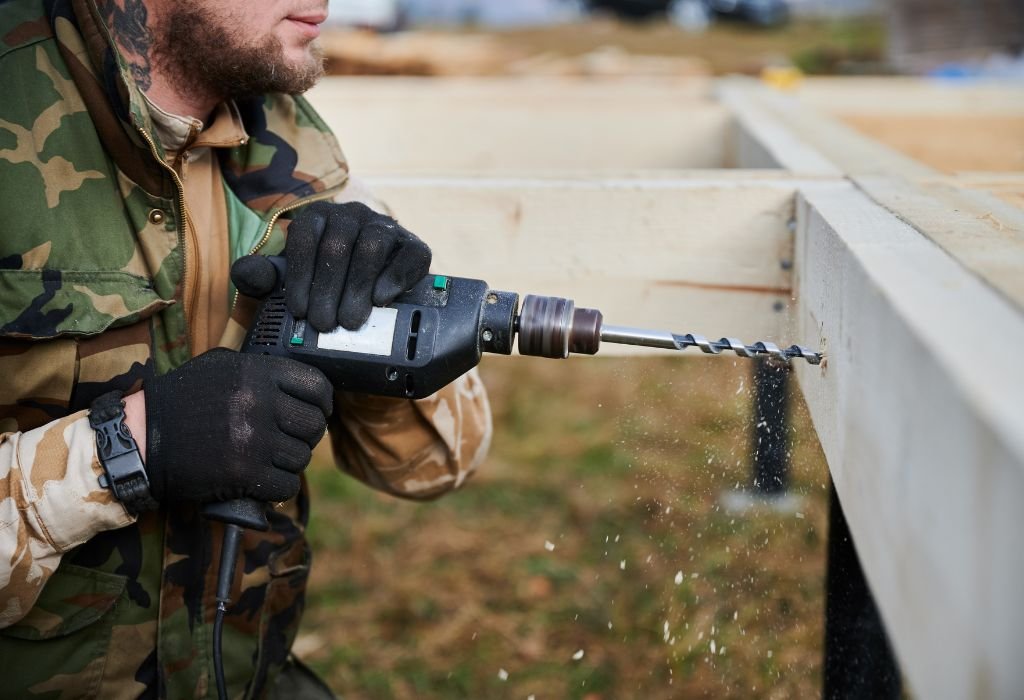
Using a cordless drill in light rain might be possible if the tool has a high IP water-resistance rating and proper safety gear is used. However, most standard cordless drills are not designed for wet conditions and risk water damage or electric shock.
Even battery-powered drills carry hazards if water enters the motor, battery compartment, or trigger assembly. Manufacturer manuals consistently recommend keeping tools dry for safety and durability.
Q&A
Can you use a cordless drill in the rain safely?
Only if the drill is rated for wet conditions and precautions are taken.
Is water damage common in cordless drills?
Yes, especially in tools without IP ratings or covers.
Do batteries fail when exposed to moisture?
Yes, water can short-circuit lithium-ion cells.
Does drill voltage matter in wet weather?
Higher voltage increases risk if moisture reaches contacts.
Are there guidelines for outdoor tool use?
Yes, OSHA and manufacturers provide clear safety instructions.
Understanding the Risks — Water, Electricity, and Safety
Water and electricity are a dangerous combination. A wet cordless drill risks short circuits, motor failure, and personal injury from electric shock.
Moisture also causes metal corrosion, leading to stuck chucks, weak battery terminals, and damaged bearings inside the drill motor.
Q&A
Can water damage cordless drill batteries?
Yes, lithium-ion batteries degrade quickly when wet.
Do drill motors get damaged by rain?
Yes, water entering air vents corrodes motor windings.
Does wet weather increase slipping risks?
Yes, wet surfaces reduce grip on both tools and materials.
Is corrosion permanent once it starts?
Often yes, unless cleaned and lubricated quickly.
Can short circuits occur even at low voltage?
Yes, moisture creates conductive paths across battery terminals.
Cordless Drill Ratings — What IPX Means for Water Resistance
IP ratings define protection against dust and water. For example, IPX4 means the tool resists splashing water but is not waterproof.
Most consumer-grade cordless drills lack high IP ratings. IP67 tools exist in specialized industries but are rare for general DIY or construction markets.
Q&A
What does IPX4 mean on a drill?
It resists splashing water but not immersion or heavy rain.
Do standard drills have IP ratings?
Rarely beyond IPX4, and many have no rating at all.
Are IP67 drills fully waterproof?
Yes, but mainly in military or marine tools.
Should buyers check IP ratings?
Yes, especially for outdoor or wet climate use.
Do IP ratings prevent all damage?
No, they reduce but don’t eliminate water risks.
OSHA and Manufacturer Safety Guidelines
OSHA standards warn against using electrical tools in wet environments unless rated for those conditions.
Manufacturers like DeWalt, Milwaukee, and Makita also advise stopping work during rain unless the drill specifically carries a waterproof rating.
Q&A
Does OSHA allow tool use in rain?
Only if tools are designed and rated for wet environments.
Do manufacturer warranties cover water damage?
Generally no, unless the tool is explicitly water-resistant.
Are GFCI outlets required outdoors?
Yes, for corded tools to reduce shock risk.
Do battery tools reduce shock risks?
Somewhat, but water still damages internal electronics.
Are site inspections common for tool safety?
Yes, especially on commercial job sites.
Practical Tips for Using Cordless Drills Outdoors
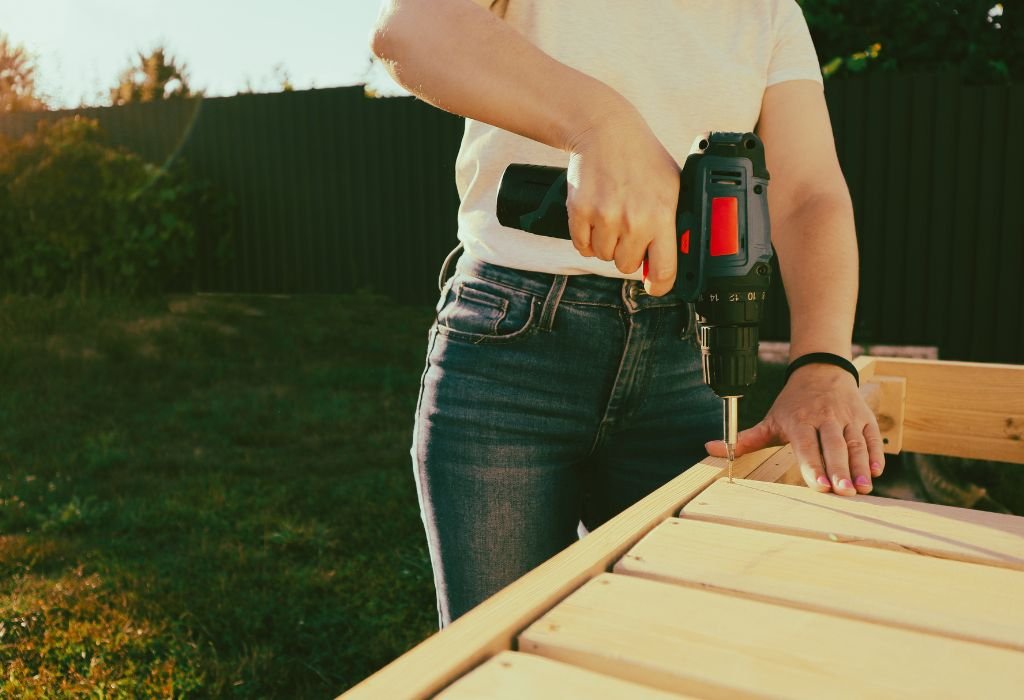
If outdoor work cannot be delayed, follow strict safety steps. Use waterproof drill covers, set up temporary shelters, and wear insulated gloves for extra protection.
Store batteries indoors until needed and avoid charging them in wet conditions.
Q&A
Do drill covers help in rain?
Yes, they keep water off vents and triggers.
Can pop-up tents protect job areas?
Yes, they shield tools and materials from rain exposure.
Do rubber gloves improve grip in wet weather?
Yes, and they reduce electric shock risk.
Is outdoor charging safe during rain?
No, charge batteries indoors in dry conditions.
Can power tool shelters be reused?
Yes, most portable shelters are designed for repeated use.
Battery Care and Maintenance After Rain Exposure
Moisture inside battery packs leads to corrosion, swelling, or complete failure if not handled properly.
After exposure, remove batteries, wipe them dry, and let them air-dry for at least 24 hours before charging.
Q&A
Can wet batteries be recharged immediately?
No, they must be fully dry to prevent short circuits.
Do lithium-ion cells swell after water damage?
Yes, indicating internal chemical breakdown.
Should damaged batteries be recycled?
Yes, at certified battery recycling facilities.
Do silica gel packs help storage?
Yes, they absorb residual moisture inside cases.
Is sun-drying batteries safe?
Indirect sunlight works; high heat damages cells further.
Long-Term Drill Protection — Cases, Covers, and Storage
Waterproof hard cases protect drills from rain, dust, and accidental drops.
Store tools in dry, temperature-controlled areas to prevent condensation and humidity damage.
Q&A
Do soft drill bags protect from rain?
Only against light splashes; hard cases work better.
Are desiccant packs useful for tool cases?
Yes, they absorb moisture during storage.
Is garage storage safe in wet climates?
Only if humidity levels stay below 50%.
Do drill cases prevent corrosion?
Yes, by reducing prolonged moisture exposure.
Are wall-mounted racks better for storage?
Yes, they keep tools off damp floors.
Common Myths About Using Cordless Drills in Rain

Many believe low-voltage tools are safe in wet weather, but moisture still creates short circuits even at 12–20V.
Another myth claims rubber grips make drills waterproof, which is false since water enters through vents and battery ports.
Q&A
Does low voltage mean no shock risk?
No, water still damages circuits and batteries.
Are all-weather drills fully waterproof?
No, most are only splash-resistant.
Does light rain cause no damage?
It can still corrode internal components.
Do rubber grips make drills safe in rain?
No, they only improve handling, not waterproofing.
Is WD-40 a solution for wet drills?
It displaces moisture but doesn’t fix electrical damage.
Future Tech — Weatherproof Cordless Drills
Manufacturers are developing IP67-rated cordless tools for military, marine, and industrial use.
Future drills may feature sealed battery compartments, conformal-coated electronics, and hydrophobic materials to prevent water ingress.
Q&A
Are waterproof drills available now?
Yes, but mainly in specialized markets.
Will DIY tools get better water resistance?
Yes, as demand grows for outdoor-rated tools.
Do coatings protect electronics from moisture?
Yes, conformal coatings help resist corrosion.
Are battery seals improving over time?
Yes, to prevent rain and dust penetration.
Will IP67 become standard soon?
Possibly for premium outdoor power tools.
Conclusion — Can You Use a Cordless Drill in the Rain?
Using a cordless drill in the rain is generally not recommended unless the tool has a high water-resistance rating and strict safety precautions are followed.
For most homeowners and professionals, the safest approach is to pause outdoor drilling during rain, protect tools with covers, and perform thorough post-use maintenance.
Can you use a cordless drill in the rain safely?
Only with IP-rated tools and proper protective measures.
What’s the main danger of rain exposure?
Short circuits, battery failure, and electric shocks.
Are waterproof drills widely available yet?
No, only in niche industrial markets.
What’s the best way to protect tools in rain?
Use shelters, covers, and indoor storage after use.
Should wet tools be inspected after exposure?
Yes, to prevent long-term corrosion and hidden damage.
Final Thoughts
Until cordless drills become fully waterproof, the best practice is to avoid using them in wet conditions. Follow OSHA guidelines, invest in protective gear, and maintain tools carefully to extend their lifespan and keep job sites safe.

I’m John F. Nicholas, the founder, lead writer, and drill enthusiast behind 101drill.com. With years of hands-on experience in power tools and DIY projects, I created this platform to share practical knowledge, expert tips, and real-world insights to help others master the art of drilling.