
Anyone who has tried drilling into metal for the first time remembers the sharp vibration that travels through the drill. It feels different from drilling wood or plastic, and the drill bit must be strong enough to withstand that pressure. Many people hear that HSS drill bits are designed for metal, yet they still hesitate, wondering if these bits can handle the hardness and heat that metal drilling produces.
Sometimes you find an old drill bit set at home and the label says high speed steel. You assume it is suitable for metal, but after drilling a few holes the bit becomes hot or starts smoking. This makes people doubt whether HSS bits are truly built for the job. Others hear that cobalt or titanium bits are better and feel confused about which one they should choose for their DIY work.
The truth is that HSS drill bits are versatile and capable, but like any tool, they perform best under specific conditions. When used correctly with lubrication, slow speed and steady pressure, HSS bits can drill many types of metal smoothly. However, their performance changes depending on the hardness of the metal you are working with.
Understanding how HSS drill bits behave with different metals helps you avoid burning, slipping or dulling the bit. This guide explains everything clearly so you can drill safely, extend your bit’s lifespan and choose the right type of bit for every metal project.
Are HSS Drill Bits Good For Metal
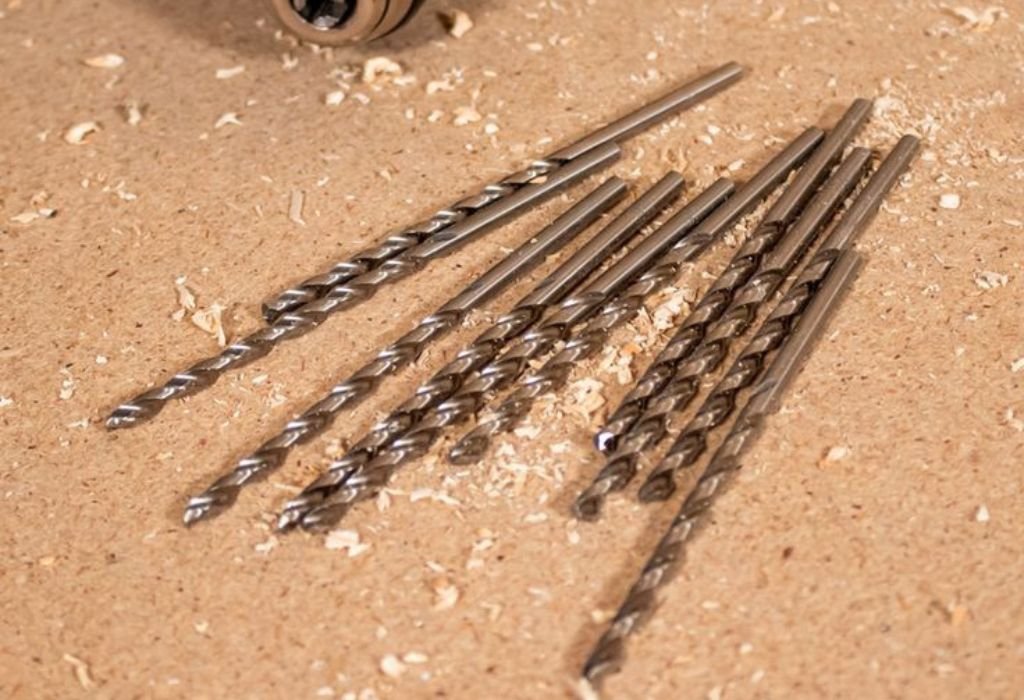
HSS drill bits are specifically designed for metal and can drill a wide variety of materials including mild steel, aluminum, brass and copper. High speed steel remains strong at high temperatures, making it suitable for the friction created during metal drilling.
However, not all HSS bits perform equally. Standard HSS bits are ideal for softer and medium metals. When drilling harder metals such as stainless steel or hardened steel, these bits may dull faster unless you use lubrication and the correct speed. For softer metals, they cut clean and smooth without excessive heat buildup.
In general, HSS drill bits are reliable for common metalworking tasks. They offer a good balance between strength, affordability and durability. For most DIY metal drilling projects, HSS bits work perfectly well when used properly.
How HSS Drill Bits Work On Metal
HSS drill bits are engineered to retain hardness even when exposed to high heat. This heat resistance helps the bit maintain sharpness while cutting through metal. During drilling, friction generates heat, and standard carbon steel bits would quickly soften. HSS bits avoid this problem and continue cutting without losing their edge too fast.
The geometry of an HSS bit also plays a big role. The cutting angle allows the bit to shave metal cleanly rather than tearing it. This reduces vibration and produces smoother holes. However, the bit must be used at slower speeds to prevent overheating. Metal drilling always requires patience and control.
When HSS bits are paired with lubrication, chip removal becomes easier. Metal chips slide away from the hole more smoothly, reducing clogging and heat buildup. This makes the entire drilling process more efficient.
What Metals Can HSS Drill Bits Drill Easily
HSS drill bits are compatible with many different metals. Their performance depends on the hardness and thickness of the material.
Soft Metals
HSS bits drill these easily:
Aluminum
Brass
Copper
Mild steel
Sheet metal
These metals are not very hard, allowing HSS bits to cut through them smoothly with minimal heat.
Medium Metals
HSS bits can also handle:
Thicker mild steel
Galvanized steel
Structural steel
These require slower speed and lubrication for best results.
Hard Metals
Stainless steel
Hardened steel
Cast iron
Standard HSS bits can drill these materials but will dull quickly. For frequent drilling on hard metals, cobalt bits are recommended because they maintain hardness under extreme heat.
How Long Do HSS Drill Bits Last On Metal
The lifespan of an HSS bit depends on how often you drill, which metals you work with and how well you maintain the bit. When drilling soft metals, HSS bits can last a very long time. The cutting edges stay sharp and the heat level remains manageable.
When drilling harder metals, the bit may dull after just a few holes if used incorrectly. Without lubrication, the heat increases and the bit’s hardness begins to degrade. However, if you drill at slow speed and take cooling breaks, the lifespan increases significantly.
Proper storage also extends the life of HSS bits. Keeping them clean and dry prevents rust buildup. A rusted bit loses efficiency and becomes harder to sharpen.
Do HSS Drill Bits Overheat When Drilling Metal
HSS drill bits resist heat better than regular steel bits, but they still overheat if used at high speed or with too much pressure. Overheating causes the bit to discolor, dull or lose hardness.
To avoid this, always drill at a slow to moderate speed. Metal drilling should never be rushed. Lubrication is also essential because it reduces friction and removes heat from the cutting edge. Every few seconds, stop drilling and allow the bit to cool. This eliminates thermal stress and extends the bit’s lifespan.
If you see smoke, discoloration or sparks, stop drilling immediately. These signs show that the bit is overheating and needs lubrication or lower speed.
Are HSS Drill Bits Better Than Titanium For Metal
Titanium coated bits are stronger and stay sharper longer because the coating reduces friction. However, titanium bits are more expensive. For occasional metal drilling, HSS bits offer better value. They work well for everyday tasks and cost significantly less.
Titanium bits have the advantage when drilling harder metals or when doing heavy repeated drilling. But for soft and medium metals, HSS bits perform nearly as well when used correctly. For most DIY users, HSS bits provide more than enough power and durability.
Are HSS Drill Bits Better Than Cobalt For Metal
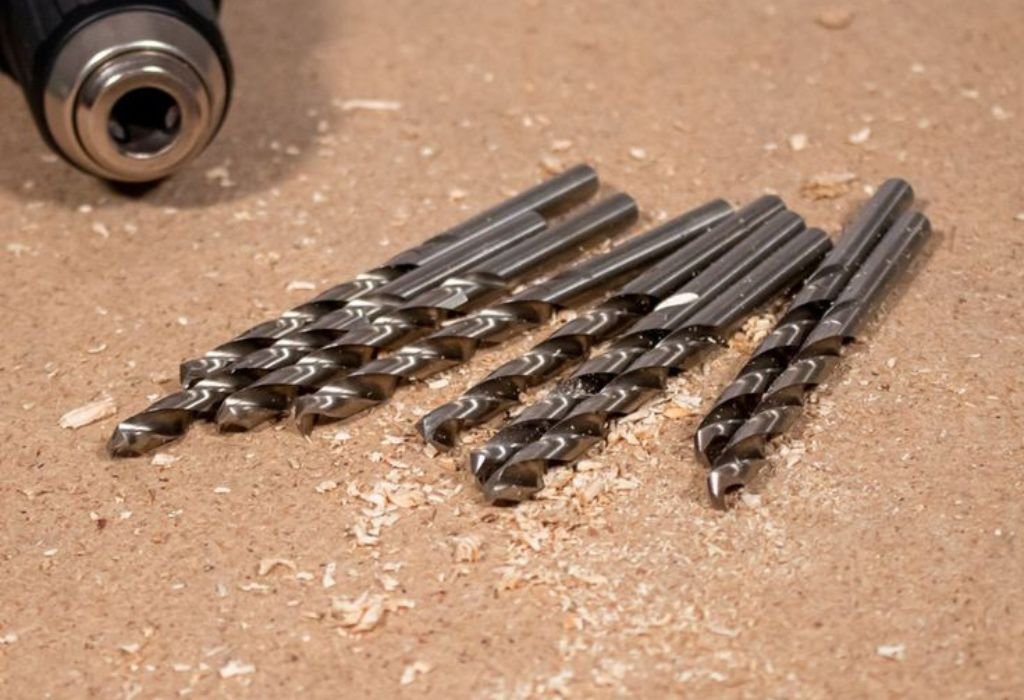
Cobalt drill bits are the top choice for drilling hard metals. They maintain hardness even at very high temperatures and resist dulling far better than HSS bits. When drilling stainless steel or hardened steel, cobalt bits outperform HSS bits every time.
However, cobalt bits are more brittle and can chip if mishandled. They are also more expensive. If you rarely work with very hard metals, HSS bits are more practical and affordable. For regular metal drilling on softer metals, HSS is the better value. But for extreme hardness, cobalt is the superior tool.
Do HSS Drill Bits Need Lubrication For Metal
Yes, lubrication is extremely important when drilling metal with HSS drill bits. Cutting oil reduces friction, keeps the bit cool and helps remove chips smoothly. Without lubrication, the bit heats up faster and dulls more quickly.
For aluminum, a light lubricant is enough. For steel, use thicker cutting oils or specialized fluids. Proper lubrication increases drilling efficiency and extends the bit’s lifespan significantly.
Tips To Drill Metal Safely With HSS Drill Bits
These techniques help you get cleaner holes and extend your drill bit life:
Use slow to medium speed.
Apply steady pressure, not force.
Use cutting oil to cool the bit.
Start with a small pilot hole.
Clamp the metal securely.
Clear chips regularly.
Let the bit cool between drilling cycles.
Using these tips prevents overheating, slipping and premature dulling of the bit.
Conclusion
HSS drill bits are a dependable and affordable choice for drilling many types of metal. They work best on soft and medium metals such as aluminum, brass, copper and mild steel. Their heat resistance, cutting ability and durability make them ideal for everyday metalworking tasks. While they are not the strongest option for drilling very hard metals like stainless steel or hardened steel, they provide excellent performance when used properly with lubrication and slow drilling speed. Whether you are doing DIY metal projects or general shop work, HSS bits offer a balanced mix of versatility and value.

I’m John F. Nicholas, the founder, lead writer, and drill enthusiast behind 101drill.com. With years of hands-on experience in power tools and DIY projects, I created this platform to share practical knowledge, expert tips, and real-world insights to help others master the art of drilling.