
Anyone who works with metal remembers the first time their drill bit overheated, turned blue and lost its edge almost instantly. The frustration sets in quickly, especially when a project depends on clean holes and smooth finishes. Many beginners search for a stronger drill bit and end up buying a titanium coated set because they hear that titanium bits last longer, stay sharper and excel on metal surfaces. But after using them on different materials, people start wondering whether titanium bits truly outperform other types or if they wear down just as fast under pressure.
Some people try to drill stainless steel with titanium bits, expecting perfect results, only to find the cutting edges dull sooner than expected. Others are surprised at how easily titanium bits glide through aluminum and mild steel. Because metal drilling involves friction, heat and hardness, choosing the right bit becomes critical. Titanium bits are known for their golden color and slick coating, but what they can handle depends on their design and how they are used.
The confusion gets even deeper when people compare titanium bits with black oxide, cobalt, high speed steel or carbide bits. Each option has strengths and weaknesses, and without understanding the differences, it becomes difficult to choose the right one. Titanium coated bits are popular for woodworking, sheet metal work, light fabrication and general home repairs. But whether they are the best option for metal depends on the type of metal and drilling technique.
This complete guide breaks down everything you need to know about titanium drill bits so you can drill confidently, protect your tools and get clean, accurate holes every time.
Are Titanium Drill Bits Good For Metal
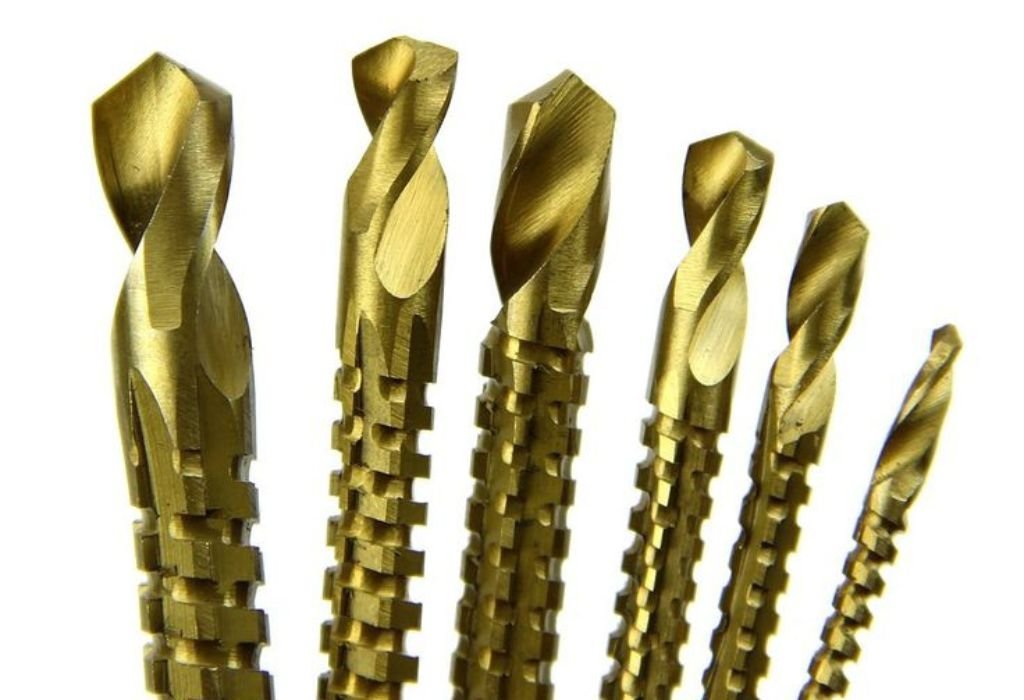
Titanium drill bits are widely considered one of the best choices for drilling through soft and medium metals. The titanium coating, usually titanium nitride or titanium carbon nitride, reduces friction and helps the bit stay sharp longer than standard high speed steel bits. This coating also improves heat resistance, which is essential for drilling metal because the cutting edges generate a lot of warmth during operation.
For aluminum, brass, copper and mild steel, titanium bits perform exceptionally well. They create smooth cuts, resist overheating better than basic bits and maintain their edge longer when used correctly. Many people use them for automotive work, household metal repairs, small construction tasks and DIY metal fabrication projects. The coating helps move chips away, which prevents clogging and reduces stress on the bit.
However, titanium bits are not the best choice for extremely hard metals. Stainless steel, hardened steel and cast iron require higher durability than what a coating can provide. While titanium bits can drill these metals, the coating may wear off quickly. Once the coating is gone, the bit behaves like a normal high speed steel bit and loses performance rapidly. This leads to overheating, dulling and even tip breakage.
Titanium bits are excellent for frequent drilling on light to medium metals but should not be relied on for heavy duty or industrial level hard metal drilling. When used on appropriate materials with lubrication and proper speed control, they offer outstanding performance and a long service life.
How Titanium Coating Helps When Drilling Metal
Titanium coating provides several important advantages that directly improve performance during metal drilling. The most obvious benefit is reduced friction. Titanium nitride acts like a protective shield that prevents the bit from rubbing too harshly against the metal surface. This lowers heat buildup, keeps the cutting edge intact and creates cleaner holes.
Another significant benefit is enhanced hardness. Titanium coatings are harder than steel, which means the surface of the bit can resist micro scratches and abrasion that typically occur during metal drilling. This allows the bit to remain sharp longer and prevents early wear that leads to rough drilling and increased heat.
Heat resistance is a crucial improvement as well. When a drill bit becomes too hot, it softens and begins to lose cutting efficiency. Titanium helps the bit stay cooler by distributing heat more evenly and letting metal chips escape more freely. This means fewer chances of burning the bit or creating bluish discoloration that signals overheating.
Corrosion resistance is another advantage. Over time, metal bits stored in damp or dirty environments can rust or corrode, weakening their structure. Titanium breaks this cycle by blocking direct exposure to air and moisture. As a result, the bits remain reliable even when stored for long periods.
Together, these properties make titanium coated drill bits an ideal option for frequent users who work with light and medium metals and want long term performance with minimal maintenance.
What Metals Can Titanium Drill Bits Drill Smoothly
Titanium bits perform exceptionally well on many commonly used metals. The coating improves lifespan and cutting quality when working with softer or moderately hard materials. Understanding the correct applications ensures that you get the best results and avoid damaging the bit unnecessarily.
For aluminum, titanium bits cut effortlessly. Aluminum is soft and tends to stick to uncoated bits, but titanium reduces sticking, allowing smoother chip ejection and cleaner holes. Brass and copper are similarly easy to drill with titanium coated bits, making them excellent for plumbing work, light fabrication and general household repairs.
Mild steel and low carbon steel also respond well to titanium drill bits. The bits cut through these metals with ease as long as lubrication and proper drilling speed are maintained. Sheet metal work becomes especially efficient because titanium bits heat up slowly and do not bind easily.
However, stainless steel is a different story. Even though titanium bits can drill stainless, the coating wears off quickly due to the hardness of the material. Once the coating is gone, the bit dulls rapidly and may overheat. Hardened steel poses even greater challenges. Titanium coated bits are not recommended for tasks involving hardened fasteners, automotive steel components, springs or industrial grade metal plates.
Titanium bits offer an excellent balance of durability and performance as long as they are used within their ideal metal range. For general home and workshop use, they provide reliable cutting power and long lasting sharpness.
How Long Do Titanium Drill Bits Last On Metal
The lifespan of titanium drill bits depends heavily on usage, drilling technique and storage conditions. When used on the correct metal types, titanium bits stay sharp significantly longer than standard high speed steel bits because the coating protects the cutting edges from wear.
On soft metals like aluminum and brass, the lifespan is excellent. Users can drill dozens of holes before noticing any drop in performance. Even with mild steel, titanium bits demonstrate long durability as long as overheating is prevented. Lubrication helps extend the life further by keeping the bit cool and reducing friction during drilling.
When titanium bits are used on hard metals, the lifespan drops dramatically. Drilling stainless steel or hardened steel will cause the titanium coating to erode much faster. Once the coating wears off, the bit does not retain any of its titanium benefits and behaves like a normal uncoated high speed steel bit. This means it will dull quickly, heat up fast and potentially chip under stressful drilling conditions.
Storage also affects longevity. Bits kept in their original case remain protected from dirt, moisture and accidental contact with other tools. Cleaning the bits after use prevents debris buildup that could scratch the coating. Proper care and responsible usage can easily double or triple the lifespan of titanium coated drill bits.
Do Titanium Drill Bits Overheat Easily When Drilling Metal
Titanium drill bits resist heat better than plain steel bits, but they are not immune to overheating. Overheating occurs when drilling speed is too high, pressure is inconsistent or lubrication is ignored. The cutting edges generate friction, and without proper control, even titanium coated bits can become dangerously hot.
The titanium coating helps slow down heat buildup, but hard metals create friction levels beyond what the coating alone can handle. This is why titanium bits sometimes discolor or lose their edge when used on stainless steel or hardened metal. The coating helps, but it cannot replace proper drilling technique.
Lubrication is one of the best defenses against overheating. Cutting oil forms a liquid barrier that absorbs heat and reduces direct metal to metal contact. This keeps the bit cooler and preserves the coating longer. Slower drilling speeds also help. Many beginners increase drill speed thinking it will speed up the task, but in metal drilling, slow and steady produces better results and protects the drill bit.
Taking short breaks during drilling also prevents excessive heat accumulation. If the bit or metal becomes too hot to touch, allowing them to cool before continuing helps maintain cutting sharpness. When these precautions are taken, titanium bits stay cooler and deliver excellent performance on the right materials.
Are Titanium Drill Bits Better Than Black Oxide Bits For Metal
Titanium drill bits often outperform black oxide bits in both durability and speed. The titanium coating is harder and more resistant to abrasion than black oxide, which makes titanium bits stay sharp longer and cut cleaner. This advantage becomes noticeable during long drilling sessions or repeated drilling through metal surfaces.
Black oxide bits are more affordable and work well for soft metals, but they do not handle heat as effectively as titanium bits. Titanium bits generally remain cooler under the same drilling conditions, which protects them from premature dulling. This makes titanium bits a good upgrade for users who drill metal frequently.
However, black oxide bits are less expensive and perform reasonably well for light metalwork. They are a good choice for beginners or occasional users who do not need long term durability. Titanium bits, although pricier, offer better overall performance and a longer lifespan when used on soft to medium metals.
Below is the first FAQ section inside this H2, as required.
FAQs
Are titanium bits stronger than black oxide bits
Titanium bits are harder and resist wear longer, especially when used on metal surfaces.
Do titanium bits stay sharp longer than black oxide bits
Yes, the titanium coating protects the cutting edge for a longer time.
Can black oxide drill bits drill steel effectively
They can drill mild steel but do not last as long as titanium bits.
Are titanium bits worth the higher cost
They are worth it for frequent metal drilling because they offer better durability.
Which is better for beginners
Black oxide is cheaper, but titanium offers better long term value.
Are Titanium Drill Bits Better Than Cobalt Bits For Metal
Titanium and cobalt drill bits serve different purposes. Titanium bits are ideal for soft and medium metals, offering long cutting life and excellent heat resistance due to their coating. Cobalt bits, however, are designed specifically for hard metals and industrial applications. They are made from steel alloyed with cobalt, making them durable throughout their entire structure, not just on the surface.
Cobalt bits excel at drilling stainless steel, hardened steel and thick structural metals. They resist high temperature softening, which means they remain sharp even under heavy use. Titanium bits cannot match this performance because their coating wears off when drilling very hard materials.
For everyday metal drilling, titanium bits are more affordable and long lasting. They perform well on most common metals and are easier to use for general tasks. However, for jobs requiring heavy duty drilling through thick or hardened metal, cobalt bits are the superior choice.
FAQs
Can titanium bits drill stainless steel
They can, but the coating wears off quickly, reducing their lifespan.
Are cobalt bits more expensive
Yes, they cost more because they are made for heavy duty drilling.
Do cobalt bits last longer on hard metals
They last much longer because their hardness is part of the entire bit, not just the surface.
Which bit is best for mild steel
Titanium bits work very well on mild steel when lubricated properly.
Are cobalt bits brittle
They can chip if handled roughly or used at improper angles.
Do Titanium Drill Bits Need Lubrication When Drilling Metal
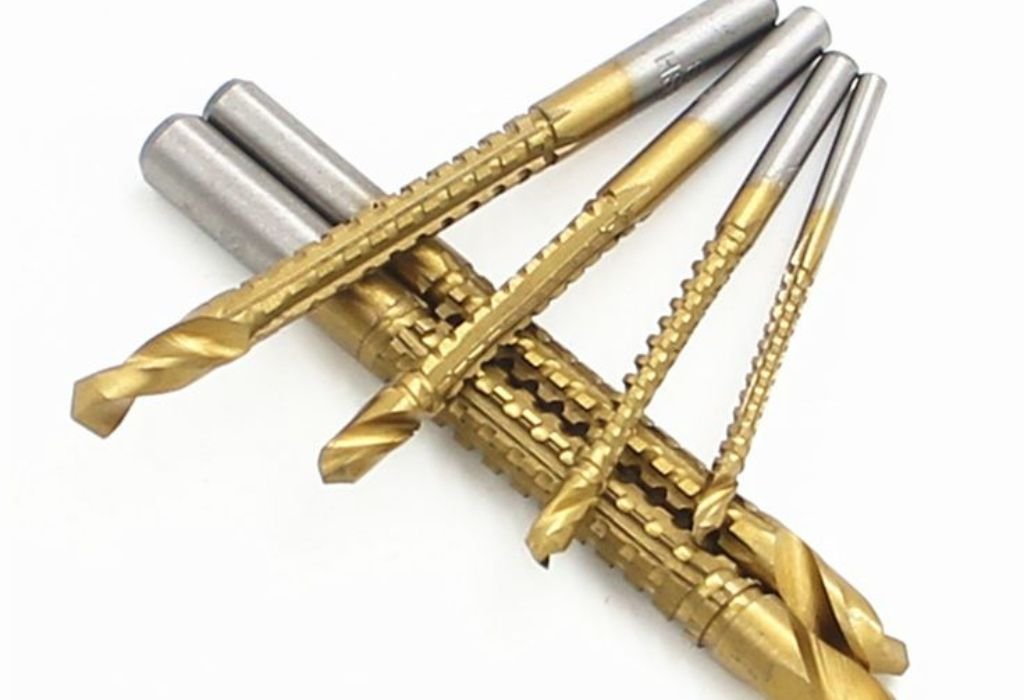
Even though titanium bits resist friction better than standard bits, lubrication is still necessary for clean and efficient drilling. Cutting oil reduces friction significantly, preventing overheating and protecting the titanium coating. Without lubrication, the bit may still overheat, which shortens its lifespan and dulls the cutting edges.
For soft metals, light machine oil works well. For steel, thicker cutting oils provide better cooling. Lubrication also improves chip ejection, which keeps the drilling area clean. When chips stay inside the hole, friction increases, and the bit has to work harder, leading to heat and dulling.
Proper lubrication extends the life of titanium bits by reducing surface wear and maintaining the integrity of the coating. This also results in smoother holes and reduces the risk of bit breakage. Even though titanium coating reduces friction naturally, lubrication ensures the bit stays in good condition for a long time.
FAQs
Can I drill metal without lubrication
It is possible but not recommended because it reduces bit lifespan.
What oil is best for drilling steel
Thicker cutting oils or dedicated metal drilling lubricants work best.
Does lubrication prevent overheating
Yes, it significantly reduces friction and heat buildup.
Can I use household oil for light metal drilling
Yes, light machine oil can work for soft metals like aluminum.
Should I lubricate titanium bits for aluminum
A small amount helps keep chips clear and improves cutting performance.
Tips For Drilling Metal Safely With Titanium Drill Bits
Using titanium drill bits correctly ensures better results, cleaner holes and a longer lifespan. Metal drilling requires more precision and patience than wood or plastic, so following the right technique makes a big difference. The first step is choosing the proper drill speed. Slower speeds work best for metal because they keep the bit cool and maintain cutting sharpness.
Consistent pressure is also important. Pushing too hard can overheat the bit or cause it to bind, while applying too little pressure leads to slipping and skidding across the metal surface. Starting with a smaller pilot hole helps guide the larger bit and prevents wandering. This technique improves accuracy and makes drilling faster.
Clamping the workpiece securely is essential. Metal can shift under pressure, and any movement increases the risk of bit breakage or surface damage. Using lubrication ensures smoother drilling, protects the titanium coating and prolongs the life of the bit. Taking short breaks during continuous drilling allows the bit to cool down and prevents overheating.
Removing metal shavings frequently helps maintain smooth drilling. Built up chips can create friction and cause the bit to bind. Keeping the surface clean improves performance and prevents damage. By following these steps, titanium drill bits deliver consistent, reliable results for a wide range of metal drilling tasks.
Conclusion
Titanium drill bits are an excellent choice for drilling soft and medium metals such as aluminum, brass, copper and mild steel. Their titanium coating provides superior heat resistance, reduced friction and extended cutting life compared to standard bits. While they are not the ideal option for very hard metals like stainless steel or hardened steel, they perform exceptionally well in general workshop tasks and everyday metal drilling projects. With proper lubrication, slow drilling speed and clean technique, titanium bits offer long term durability and smooth, precise drilling. For household users, mechanics and DIY builders, titanium coated bits provide a reliable balance of affordability, strength and performance.

I’m John F. Nicholas, the founder, lead writer, and drill enthusiast behind 101drill.com. With years of hands-on experience in power tools and DIY projects, I created this platform to share practical knowledge, expert tips, and real-world insights to help others master the art of drilling.