
People often feel confident when they pick up a shiny gold drill bit. The color alone makes it look strong, sharp and ready to drill through anything. Many assume gold bits are premium tools built for heavy duty work, especially when drilling metal. But after trying them on steel or aluminum, some notice heat marks, dull edges or slow penetration. This raises a big question in their mind about whether gold drill bits are truly made for metal or if the color is simply a coating with limitations.
Anyone who has drilled metal before understands that it is nothing like drilling wood. The resistance is higher, the material heats quickly and the drill bit must handle friction without losing shape. When a beginner sees a set of gold bits labeled as titanium coated, they believe they bought something professional grade. But confusion appears when the bit struggles against hard steel or wears faster than expected.
The real truth behind gold drill bits becomes clear only when someone knows how they are made, what metals they can drill and how the titanium coating behaves under heat. Some professionals love these bits for speed and smooth cutting. Others say they are not ideal for heavy duty steel. This mix of opinions makes many DIY users unsure about which bit they should use.
This guide explains everything about gold drill bits, how they perform on metal and how to use them correctly so you get the longest life from each bit. After reading this, you will know exactly when to use gold bits, when to avoid them and how to drill metal safely without damaging the surface or the drill.
Are Gold Drill Bits Good For Metal
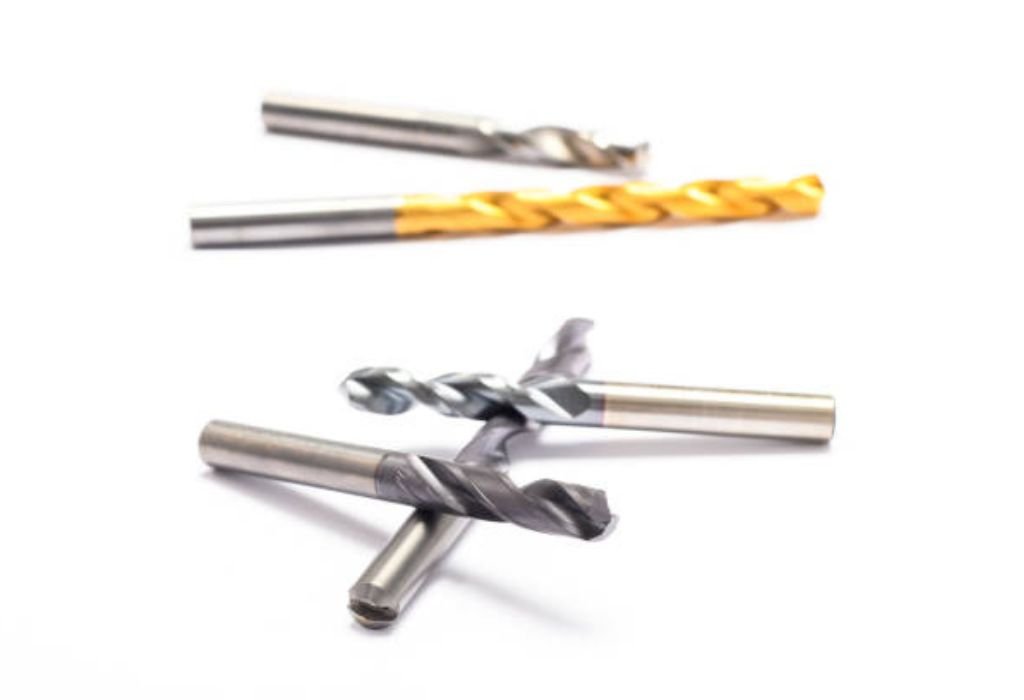
Gold drill bits, often called titanium coated drill bits, are made from high speed steel coated with titanium nitride. This coating gives the bits their gold color and improves hardness, heat resistance and durability. Because of these improvements, gold bits are much better than regular high speed steel bits for drilling metal. They cut smoother, resist friction and stay sharp longer.
Gold drill bits perform very well on many common metals including aluminum, copper, brass and mild steel. They offer faster drilling speed and more accuracy compared to uncoated bits. The coating helps the bit slide into the metal without overheating quickly.
However, gold drill bits have limitations. They are not the best option for hardened steel or stainless steel. These metals produce extreme heat and pressure that can quickly wear down the coating. Once the titanium coating wears off, the bit loses its advantage and behaves like a normal high speed steel bit.
For everyday metal drilling, gold bits work extremely well. For heavy industrial steel drilling, cobalt bits remain the better choice. Understanding this difference helps people avoid damaging their drill bits or struggling with drilling performance.
Why Gold Drill Bits Are Titanium Coated
Many people assume gold drill bits are made entirely from titanium, but the truth is that only the surface is coated. The main body is still high speed steel, which provides flexibility and strength. The titanium nitride coating adds important performance benefits that make the bit more effective for metal.
Titanium nitride is extremely hard and smooth. The hardness helps the cutting edges stay sharper longer, and the smoothness reduces friction. Lower friction means less heat, and less heat means the bit lasts longer. This coating also reduces corrosion, which helps the bit maintain its structure even after repeated use.
Another big reason for the coating is improved chip removal. When drilling metal, small metal chips can clog the hole and cause heat buildup. The titanium coating allows the chips to slide away more easily, keeping the cutting area clean and cool.
This combination of factors makes titanium coated bits perform better than plain bits, especially during repeated drilling. Even though the core material is not titanium, the coating is strong enough to improve speed, accuracy and cutting life.
What Metals Can Gold Drill Bits Drill
Gold drill bits work very well on a wide range of metals. Their performance depends mostly on the hardness of the material being drilled. Softer metals cut easily, while harder metals place more stress on the cutting edge.
Soft Metals
Gold bits drill aluminum, copper and brass smoothly. These materials generate less heat, so the titanium coating remains effective longer. The bit stays sharp and maintains a clean cutting edge.
Medium Metals
Mild steel and structural steel can be drilled using gold bits. They require slower speed and cutting oil, but the bits handle these materials well. The titanium coating helps maintain sharpness during longer drilling tasks.
Hard Metals
Stainless steel and hardened steel are more challenging. The increased heat and pressure can wear off the coating quickly. Once the coating is gone, the bit becomes less effective. Gold bits can still drill these metals but not efficiently. They are better suited for lighter tasks involving hard metals, not continuous heavy work.
Understanding which metal you are drilling helps you choose the right technique and bit size and prevents frustration caused by overheating or dull edges.
How Long Do Gold Drill Bits Last When Drilling Metal
The lifespan of a gold drill bit depends on the type of metal, drilling technique and how often the tool is used. When used on softer metals, gold drill bits can last a very long time. The titanium coating remains intact, keeping the bit sharp and smooth.
With moderate use on mild steel, gold bits still last considerably longer than uncoated bits. Proper lubrication and slow speed extend the lifespan even more. Frequent cleaning also prevents debris buildup that can scratch the coating.
On hard metals, the coating may wear off quickly. Once the coating disappears, the bit behaves like a regular high speed steel bit and wears down faster. This is why professionals prefer cobalt for stainless steel and hardened steel.
If cared for properly, gold bits remain highly durable and useful for average metal drilling tasks.
Do Gold Drill Bits Stay Sharp Longer
Yes, the titanium coating significantly improves sharpness retention. The cutting edge remains harder and more resistant to wear than plain high speed steel. As long as the coating remains intact, the bit stays sharp for a long time.
The coating reduces the rubbing between the metal surface and the cutting edge, which protects the tip from dulling. The lower friction also reduces vibration, making the drill feel smoother and easier to control.
However, once the titanium coating wears off, the remaining surface is no longer harder than normal steel. The bit will dull more quickly afterward. This is why correct drilling speed and lubrication are important. They protect the coating and extend sharpness life.
Do Gold Drill Bits Overheat While Drilling Metal
Gold drill bits resist heat better than normal steel bits because of the titanium coating. But they can still overheat when drilling thick or hard metal. Overheating destroys the coating and weakens the cutting edge, making the bit less effective.
Heat buildup happens when the drill spins too fast or pressure is too light. Metal requires slow speed and firm pressure for efficient cutting. Using cutting oil reduces heat significantly and prevents damage to the coating.
Taking breaks during drilling also helps. Each pause allows the bit to cool and regain strength before the next cutting pass. With proper technique, overheating is greatly reduced and the bit remains effective.
Are Gold Drill Bits Better Than Black Oxide For Metal
Both gold (titanium coated) and black oxide drill bits are used for metal, but they perform differently. Gold bits offer better hardness, longer lifespan and smoother cutting. Their coating is stronger and more durable compared to black oxide, which is simply a heat treatment.
Gold titanium bits stay sharp longer and resist friction better. They work faster and require less effort. Black oxide bits are more affordable, but they wear faster and require more lubrication.
For soft and medium metals, gold bits outperform black oxide bits easily. For heavy metal drilling, both may struggle, but gold bits still provide better cutting performance. If someone drills metal often, gold bits are the better long term choice.
Are Gold Drill Bits Better Than Cobalt For Metal
Cobalt drill bits are designed for the toughest metals. They have cobalt mixed into the steel, making the entire bit extremely heat resistant and durable. This gives cobalt bits a big advantage when drilling stainless steel or hardened steel.
Gold titanium bits cannot match this performance. Their coating helps with soft to medium metals but wears off quickly on hard metals. Once the coating is gone, the bit loses much of its cutting power.
Therefore, cobalt bits are superior for heavy duty steel drilling. But for everyday household use, gold bits are often more practical and more cost effective. Not every task needs cobalt strength, and the smooth cutting ability of gold bits makes them a great choice for most general users.
Do Gold Drill Bits Need Cutting Oil For Metal
Cutting oil is very important when drilling metal, especially steel. The titanium coating performs better when lubricated. Cutting oil reduces friction, prevents overheating and protects the coating so it lasts longer.
Without cutting oil, the bit heats up faster and the coating loses effectiveness. Even aluminum benefits from lubrication because it reduces chip buildup and keeps the surface smooth.
Using cutting oil also increases drilling accuracy. The bit stays centered, and the hole becomes cleaner. For best results, apply oil before drilling and add more during longer drilling tasks.
Best Techniques For Drilling Metal With Gold Drill Bits
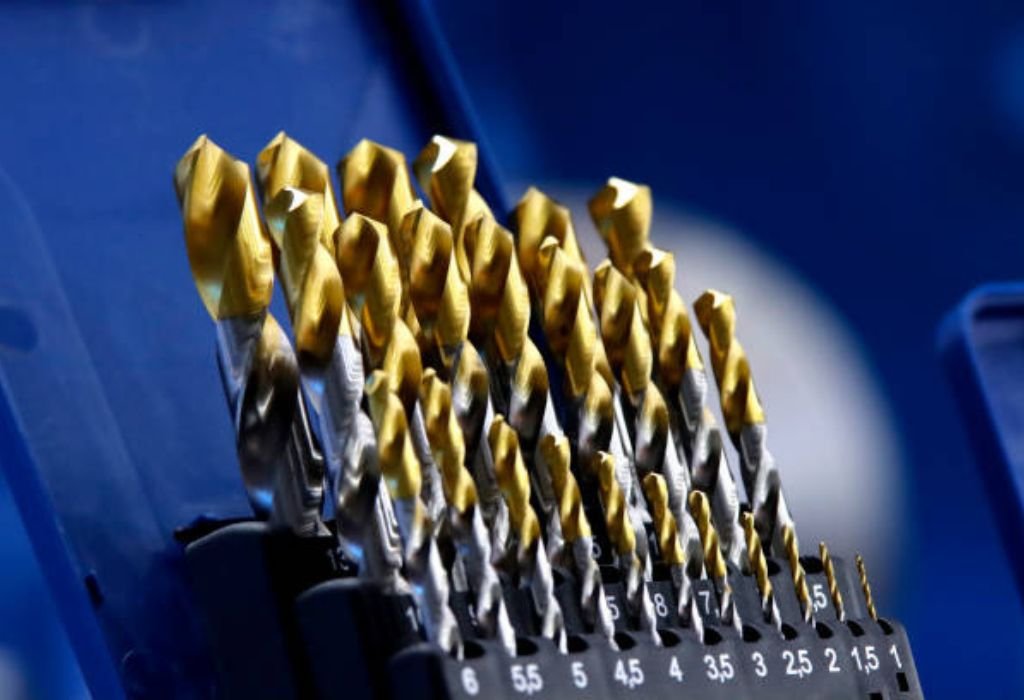
Using the correct technique improves performance and extends the lifespan of gold bits. These guidelines help you drill safely and efficiently:
Use slow speed for metal drilling.
Apply steady pressure, not too light and not too heavy.
Start with a pilot hole to guide the bit.
Use cutting oil to reduce heat and friction.
Clamp your metal sheet firmly so it does not move.
Pause occasionally to cool the bit between passes.
Remove chips frequently to prevent clogging.
Following these steps protects both the bit and the drilling surface, giving you cleaner, more precise holes.
Conclusion
Gold drill bits, known for their titanium coating and bright gold color, are excellent tools for drilling soft and medium metals. They offer better sharpness, smoother cutting and superior durability compared to uncoated or black oxide bits. While they are not the best option for drilling stainless steel or hardened steel, they remain a powerful and practical choice for most DIY and professional tasks involving aluminum, copper, brass and mild steel. With the right speed, pressure and lubrication, gold drill bits last a long time and produce clean, precise holes without overheating or wearing out quickly. For everyday metal drilling, they balance performance, price and convenience extremely well.

I’m John F. Nicholas, the founder, lead writer, and drill enthusiast behind 101drill.com. With years of hands-on experience in power tools and DIY projects, I created this platform to share practical knowledge, expert tips, and real-world insights to help others master the art of drilling.