
You’re standing in the hardware aisle, holding two drill bits — one marked masonry and the other concrete. They look almost identical, both promising to pierce hard materials with ease.
So, it’s only natural to wonder: are they really any different?
At first glance, you might assume they perform the same job. After all, both bits fit into hammer drills and claim to handle stone, brick, and cement.
But when you start drilling, the difference becomes obvious. One bit glides smoothly through the surface, while the other struggles, overheats, and dulls far too quickly.
That’s because masonry and concrete drill bits may look similar but are designed for different density levels and materials. Masonry bits are made for bricks and blocks, while concrete bits tackle the much tougher, reinforced surfaces.
In this article, you’ll discover the real difference between the two — from their design and tip structure to when and where each one performs best.
By the end, you’ll know exactly which bit to choose for your wall, foundation, or floor. Whether you’re a DIYer or a professional builder, this guide will save you time, money, and frustration on your next drilling job.
Understanding What a Masonry Drill Bit Is
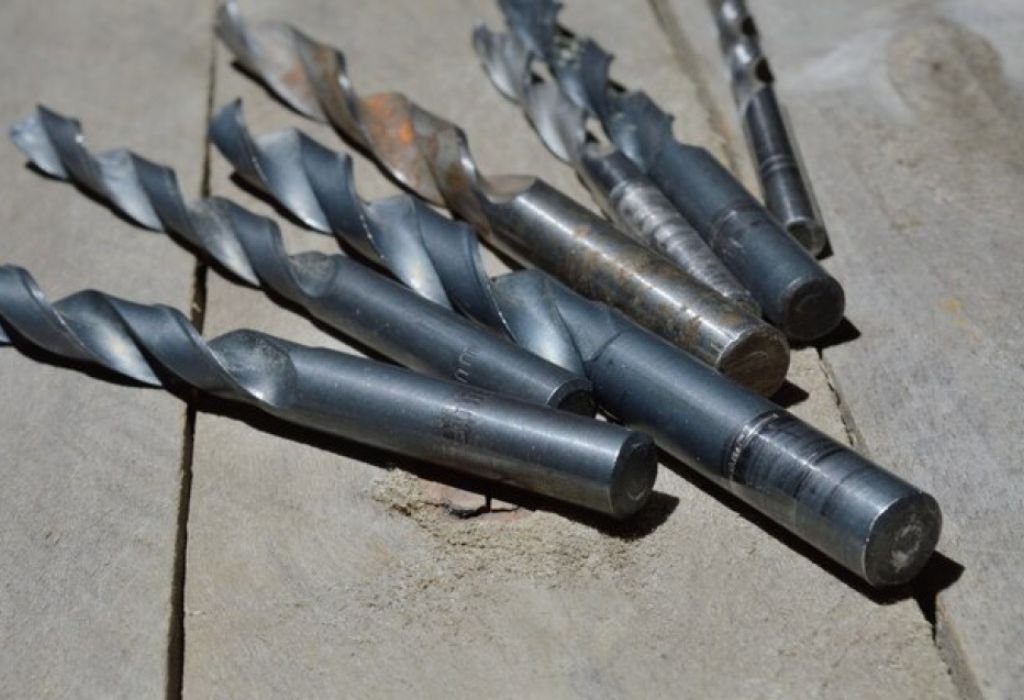
A masonry drill bit is specially engineered for brittle but solid materials like bricks, stones, and mortar blocks. It’s built to crush rather than slice, creating clean holes through the friction of grinding instead of cutting.
The tip is made of tungsten carbide, one of the hardest materials available, allowing it to handle rough surfaces without dulling quickly.
When paired with a hammer drill, the bit both spins and strikes the surface, slowly breaking it apart into dust. This hammering action helps it penetrate brick walls easily while keeping the surface damage minimal.
Its spiral flutes are another key feature — they channel dust and debris away from the hole, ensuring smooth progress and preventing jamming.
Masonry bits come in various diameters, from small pilot sizes to large anchor-ready options. Most have standard shanks for regular hammer drills, making them suitable for homeowners and handymen alike.
However, masonry bits are not designed for reinforced concrete or dense stone. If used on such materials, they overheat, dull fast, and often produce uneven holes.
For brick walls, plaster, or soft stones, though, they perform beautifully — fast, steady, and reliable. Understanding their limitations helps you use them exactly where they shine.
What a Concrete Drill Bit Is
Concrete drill bits are the powerhouse performers in the world of drilling. They’re designed for the densest materials — from poured slabs to reinforced concrete embedded with rebar.
These bits feature thicker steel shafts and reinforced carbide tips that can handle extreme pressure, heat, and vibration without losing performance.
Their flutes are wider and deeper, designed to remove large volumes of dust from heavy concrete work. This prevents friction buildup, which could otherwise slow the bit or cause it to burn out.
Unlike masonry bits, concrete bits are often made for SDS rotary hammers, which generate higher impact energy and rotation per blow. This gives them incredible drilling power even on deep, dense surfaces.
They’re engineered for longevity, capable of drilling dozens of holes before dulling. In professional use, they can penetrate reinforced slabs and foundations where normal masonry bits fail within minutes.
A good concrete bit doesn’t just bore holes — it maintains consistent cutting even under stress. That’s why contractors and masons prefer them for structural projects.
If you’re working with rebar, heavy foundations, or concrete floors, a concrete-rated SDS bit is the perfect tool. It’s more expensive than a masonry bit but easily outlasts it by 5–10 times.
When strength, precision, and durability matter, concrete drill bits are the clear winner.
Are Concrete and Masonry Drill Bits the Same
They might look alike, but concrete and masonry drill bits serve two distinct purposes. Both are built to handle tough materials, yet the differences lie in their endurance and application.
A masonry bit can sometimes work on concrete — but only on the surface level or soft, non-reinforced concrete. For anything dense or structural, it quickly dulls and overheats.
Concrete bits, however, are built for the opposite challenge. They can easily power through masonry, but their aggressive design often makes them overkill for lightweight work.
Think of it this way: both are athletes, but one’s a sprinter, and the other’s a long-distance runner. Masonry bits handle short, frequent jobs. Concrete bits are built for endurance.
Using the wrong bit might not seem disastrous at first, but it wastes time, stresses your drill, and damages both the surface and the tool.
So, no — they are not the same. The difference comes down to how much stress each bit can handle and the material density they’re made for.
In short, a concrete drill bit is the evolution of a masonry bit — tougher, faster, and far more resistant to wear.
Design Differences That Matter
The secret to their performance lies in the design details.
Tip Shape: Concrete bits have a sharp, pointed carbide edge that cuts aggressively. Masonry bits have flatter tips that rely on grinding impact.
Flute Depth: Concrete bits feature deep flutes that remove dust quickly. Masonry bits have narrower grooves since brick dust is lighter.
Shank Type: Concrete bits commonly use SDS or SDS-Plus fittings for heavy rotary hammers. Masonry bits typically have smooth or hex shanks that fit standard drills.
Heat Resistance: The thicker core of concrete bits helps them absorb frictional heat better. Masonry bits can lose temper when used on dense surfaces.
These differences may look subtle but dramatically change drilling performance. A concrete bit maintains stability under force, while a masonry bit offers flexibility and control on brittle surfaces.
If you frequently drill both materials, you’ll instantly feel the difference — concrete bits produce faster, cleaner holes, whereas masonry bits offer gentler contact with softer materials.
Understanding these small yet crucial differences ensures that your tools perform efficiently every time.
When You Can Use One Instead of the Other
Sometimes you can interchange them, but only under controlled conditions.
If you’re drilling into light concrete, plaster, or mortar, a masonry bit can manage the task at a low speed. Always drill gradually and allow the bit to cool between holes.
For brick walls or concrete blocks, a concrete bit can also be used safely — though it’s stronger than necessary. It won’t harm the wall, but it might wear faster due to unnecessary force.
However, when working on dense concrete slabs, foundations, or rebar, always switch to a concrete-rated bit. Masonry bits will overheat and may even crack under the strain.
When in doubt, remember:
Soft material = masonry bit
Hard, reinforced material = concrete bit
In renovation projects, walls often contain mixed layers of plaster, brick, and concrete. Starting with a masonry bit and switching to a concrete bit midway gives you the best results.
This balance saves your time, protects your bits, and delivers smooth, professional holes across multiple surfaces.
Mistakes to Avoid When Using These Bits
One of the most common mistakes is using a masonry bit on reinforced concrete. The metal rebar inside concrete can chip or break the carbide tip instantly.
Another mistake is using the wrong drill mode. Always use hammer or rotary mode for hard materials, but never with excessive pressure — let the drill’s impact do the work.
Skipping cooling breaks is another big problem. Both bit types heat up fast, and friction shortens their lifespan. Stop occasionally, clear dust, and let the bit cool naturally.
Neglecting dust removal is just as harmful. Dust buildup increases friction, slows progress, and may jam the flutes.
Also, avoid cheap generic bits that lack genuine carbide tips. They might look similar but perform far worse, especially under heat and impact.
Lastly, improper storage ruins bits faster than use. Always wipe them clean and store them in a dry case after drilling.
Avoiding these small mistakes will make your bits last longer, drill faster, and deliver cleaner holes every single time.
How to Choose the Right Bit for Your Project
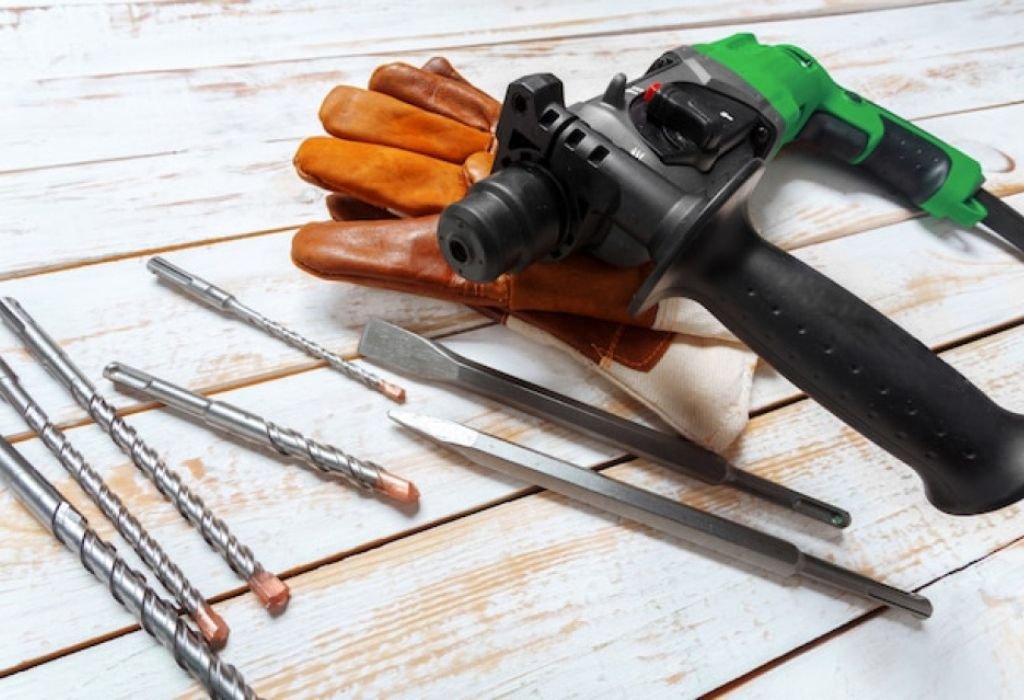
Choosing the perfect bit begins with knowing your material.
If you’re working on brick walls, plastered surfaces, or hollow blocks, choose a masonry bit. It’s affordable, effective, and ideal for common home tasks.
For foundations, driveways, or reinforced walls, invest in a concrete-rated SDS bit — it’s designed for continuous, heavy-duty impact.
Match the bit to your drill type: hammer drills take straight or hex-shank bits, while rotary hammers use SDS models for added power.
Always check bit labeling. If it says “for reinforced concrete,” it’s heavy-duty. If it says “for masonry,” it’s lighter and meant for walls or blocks.
If you drill across both materials often, use a multi-material carbide bit — it handles brick, concrete, tile, and even metal in one go.
Choosing wisely ensures clean holes, efficient drilling, and long tool life — saving you from wasted effort and frustration.
FAQs About Concrete vs Masonry Drill Bits
Can I use a masonry bit on concrete?
Yes, but only for shallow or unreinforced areas. It won’t last long on dense slabs.
Are concrete bits more durable?
Absolutely. They’re made for high-impact use and can last up to ten times longer.
Do I need a special drill for concrete bits?
Yes. SDS or rotary hammers are ideal to unleash their full power.
Can one bit handle both materials?
Some multi-material bits can, but performance depends on the surface hardness.
How do I know it’s time to replace my bit?
If drilling becomes slow, uneven, or produces smoke — it’s time for a new one.
Conclusion
Concrete and masonry drill bits may look nearly identical, but their performance separates them completely.
Masonry bits are perfect for softer materials like brick and mortar, while concrete bits dominate in strength and precision on dense surfaces.
Using the correct bit prevents overheating, ensures smooth drilling, and extends the life of your tools.
Choosing the right one is more than just convenience — it’s about protecting your drill and achieving a professional finish every time.
So, before your next project, take a moment to inspect your bit. The right choice can transform a frustrating task into a clean, effortless experience.

I’m John F. Nicholas, the founder, lead writer, and drill enthusiast behind 101drill.com. With years of hands-on experience in power tools and DIY projects, I created this platform to share practical knowledge, expert tips, and real-world insights to help others master the art of drilling.