
You pick up your drill, ready to install a heavy bracket or anchor into a wall — but here’s the catch. Is your wall made of concrete or brick? And more importantly, are you using the right drill bit for it?
Most people assume any bit can make a hole in a hard surface, but that’s not true. Using the wrong bit can burn out your drill, dull the tip, or even crack the wall. That’s where masonry drill bits come in — built tough to handle the hardest surfaces in construction.
These bits are the quiet workhorses behind every secure installation. Whether it’s a foundation bolt in solid concrete or a picture frame on a brick wall, masonry bits make it possible.
But are masonry drill bits really designed for both concrete and brick? The short answer: yes — but knowing how to use them properly for each material makes all the difference.
In this guide, you’ll discover how masonry drill bits work, what makes them different, and how to drill like a pro through both concrete and brick walls. By the end, you’ll know exactly how to choose, use, and care for your bits to get smooth, clean holes every time.
What Are Masonry Drill Bits?
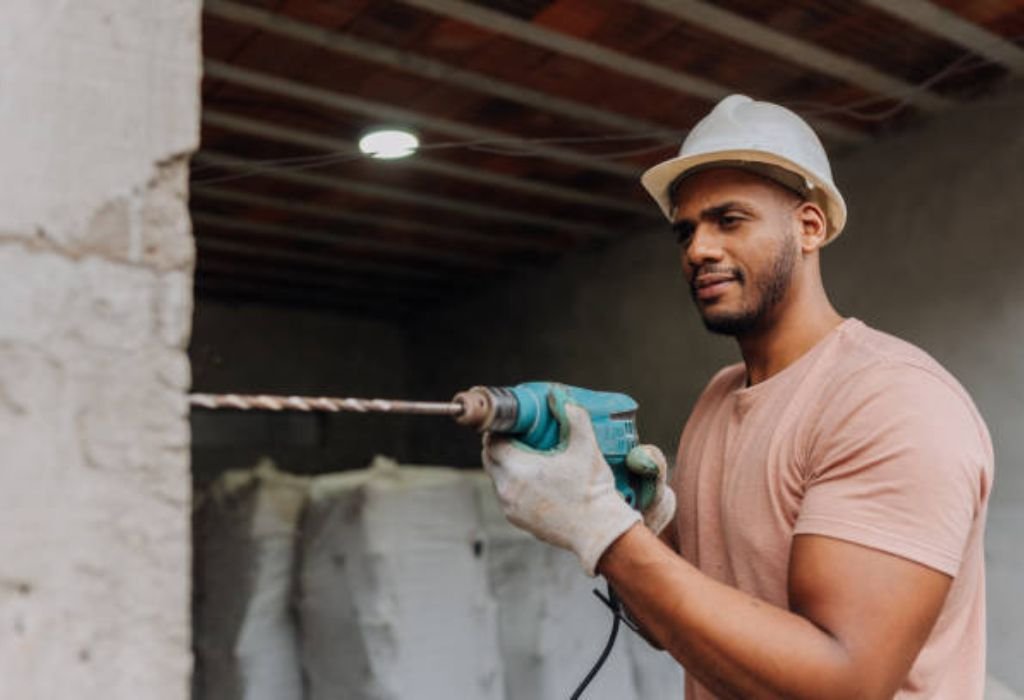
A masonry drill bit is a specially engineered tool built to cut into hard, mineral-based materials — surfaces that would destroy normal drill bits within seconds.
Unlike wood or metal bits that slice through fibers, masonry bits crush and pulverize their way through dense surfaces like brick, block, or concrete.
The most important feature of a masonry bit is its tungsten carbide tip. This tip is much harder than steel and can withstand the intense friction and impact produced during drilling.
It’s usually brazed onto a hardened steel shaft that’s shaped with spiral flutes — these grooves help carry out dust and debris as the bit drills deeper.
The combination of spinning and hammering action is what makes masonry bits unique. When used with a hammer drill or rotary hammer, the bit doesn’t just rotate — it repeatedly strikes the surface thousands of times per minute, slowly breaking down the hard material.
This process allows the bit to penetrate brick and concrete cleanly without overheating or losing its edge. Masonry bits come in various lengths and diameters, depending on the project, and are compatible with both standard and SDS-type drills.
In short, a masonry drill bit is the perfect mix of strength, design, and precision — built to handle the toughest materials that construction can throw at it.
Can I use a masonry bit in a regular drill?
Yes, but only for light tasks like drilling into soft brick or mortar. For concrete, you’ll need a hammer drill.
What are masonry bits made from?
They’re made of hardened steel with a tungsten carbide tip that resists heat and wear.
Do masonry bits fit all drills?
No. SDS bits fit rotary hammers; standard shank bits fit regular drills.
How do masonry bits remove dust?
The spiral flutes carry debris out as the drill spins and hammers the surface.
Can masonry bits be used on tile or stone?
Yes, but you should drill slowly and apply minimal pressure to avoid cracks.
Are Masonry Drill Bits for Concrete?
Yes — masonry drill bits are specifically made for drilling concrete. Concrete is one of the hardest and most common materials used in construction, and only a masonry bit can handle its density and embedded aggregates.
The carbide tip of a masonry bit is designed to withstand the impact needed to break down concrete’s structure. When paired with a hammer drill, the bit uses both rotational speed and percussive force to chip away at the surface, creating a clean hole.
When drilling concrete, the technique matters as much as the bit. Always start at a slow speed to create a small indentation, then increase pressure as the bit gains traction. Use short bursts rather than continuous drilling to prevent overheating and extend bit life.
For deep anchor holes or structural work, SDS-Plus or SDS-Max bits are preferred because they lock securely into rotary hammers, delivering maximum impact without slippage.
Common uses for masonry bits in concrete include setting bolts, installing rebar dowels, electrical conduit holes, and wall fixtures.
In essence, when it comes to concrete, no other drill bit even comes close to the precision and endurance of a masonry bit.
Can masonry bits drill reinforced concrete?
Yes, but if you hit rebar, stop and switch to a rebar-cutting bit or core drill.
Which drill setting is best for concrete?
Use hammer or rotary hammer mode for effective impact drilling.
Why does my drill bit stop halfway in concrete?
You may have hit rebar or compact aggregate — slow down and recheck your angle.
Do I need water while drilling concrete?
Yes, a small amount helps cool the bit and reduce dust, but avoid over-wetting.
Can I use masonry bits for concrete floors?
Yes, but choose heavy-duty bits (SDS-Plus or SDS-Max) for best results.
Can Masonry Drill Bits Be Used on Brick Walls?
Absolutely — masonry drill bits are not just for concrete; they’re equally effective for brick walls. Brick is softer and more brittle than concrete, but it still requires the toughness of a carbide-tipped bit to avoid chipping or cracking.
When drilling brick, the goal is control, not force. Use lighter pressure and moderate speed. Let the hammer action do most of the work. Start with a pilot hole to guide the bit and prevent surface chipping, especially on glazed or painted bricks.
Always aim to drill into the center of the brick, not the mortar joint. Mortar is softer and may crumble under pressure, leading to weak anchor points. The brick itself provides much better holding power for screws and bolts.
Masonry bits create smooth, precise holes in both solid and hollow bricks. They’re commonly used for installing outdoor lights, shelves, security cameras, or hanging décor on exterior walls.
Brick dust tends to accumulate quickly, so stop occasionally to clear it with a brush or blower. Clean holes make screw installation tighter and stronger.
In short, masonry bits handle brick effortlessly — just remember to be patient and steady rather than forceful.
Can I use the same bit for concrete and brick?
Yes, masonry bits work perfectly on both, though speed and pressure settings differ.
Should I drill in the mortar or brick?
Always drill into the brick — mortar is too soft and offers weak support.
Do I need hammer mode for brick?
Yes, but reduce impact intensity to avoid surface cracks.
What’s the best speed for drilling brick?
Medium speed with consistent pressure prevents overheating and crumbling.
How can I stop the bit from slipping on smooth brick?
Start with a low-speed pilot hole or use masking tape to help the bit grip.
Difference Between Drilling Concrete and Brick
While both materials fall under “masonry,” drilling concrete and drilling brick feel very different in practice. Concrete is denser, heavier, and more resistant to drilling. Brick, on the other hand, is softer but more brittle.
Concrete contains sand, gravel, and cement, making it stronger but harder on bits. Brick is made of clay or shale, baked in kilns — giving it a porous texture that breaks more easily under heavy pressure.
When drilling into concrete, you’ll need higher impact energy, a hammer drill, and sturdy SDS bits. For brick, lighter impact and a standard masonry bit are enough.
Another major difference is dust type and hole quality. Concrete dust is fine and abrasive; brick dust is coarse and powdery. Overdrilling in concrete dulls bits, while pressing too hard in brick can chip or crack it.
Professionals always adjust their speed, pressure, and cooling based on the material. That’s what ensures clean holes, minimal damage, and longer tool life.
Can I use one bit for both materials?
Yes, a good-quality carbide masonry bit can handle both if maintained well.
Why does drilling brick feel easier than concrete?
Brick is less dense, so the bit cuts through it faster with less resistance.
Does concrete wear bits faster?
Yes, the embedded aggregates in concrete dull carbide tips quicker.
How can I tell if my wall is brick or concrete?
Concrete feels smoother and denser; brick has a rougher, patterned surface.
Do I use the same speed on both?
No — use medium to high speed on brick, slower with more impact on concrete.
How to Drill Properly into Concrete and Brick Using Masonry Bits
Drilling into masonry takes technique as much as strength. The right steps ensure your holes are accurate, clean, and secure.
- Mark the spot where you want the hole using a pencil or punch.
- Insert the correct bit size for your screw or anchor — usually a bit smaller than the screw diameter.
- Set the drill to hammer mode for concrete, or lighter hammering for brick.
- Keep the drill at a 90° angle to prevent angled or oval holes.
- Start slow, allowing the bit to bite into the surface, then gradually increase speed.
- Drill in short bursts, pulling out occasionally to remove dust.
- For deep holes, measure or mark depth with tape on the bit.
- Clean out debris before inserting your anchor or screw.
The key is patience — forcing the bit can cause overheating or cracking. With steady pressure and cooling breaks, masonry bits can last dozens of projects.
Should I use water when drilling?
Yes, light misting helps keep the bit cool and reduces airborne dust.
Can I use the same hole for different screws?
Not recommended — holes wear down and lose grip strength.
How do I keep the bit from walking on brick?
Start at low speed or use a small pilot hole to guide the bit.
Why does my drill vibrate too much?
You may be pressing too hard or using an unbalanced bit.
What’s the ideal drilling depth?
Drill 1/4 inch deeper than your screw’s length to allow space for dust.
Choosing the Right Masonry Bit Type for Each Material
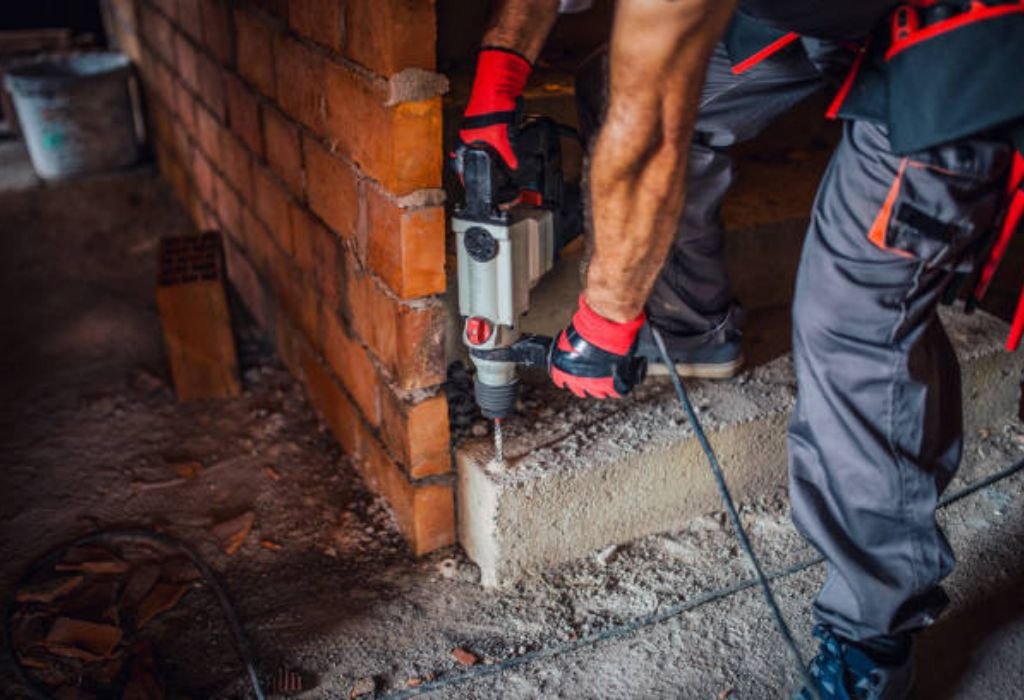
Selecting the right masonry bit can transform your drilling from frustrating to effortless.
For light jobs like brick or block, standard masonry bits work perfectly. For tougher jobs like poured concrete or reinforced slabs, SDS-Plus or SDS-Max bits provide superior power transfer.
SDS bits lock directly into hammer drills, ensuring no slippage under vibration. Their design channels energy directly into the bit, improving efficiency.
Look for tungsten carbide or diamond-tipped bits if you drill frequently — these last longer and resist heat. For softer materials, standard carbide tips are fine.
If you drill through multiple layers (like plaster over brick), start with a smaller pilot bit to reduce stress. Always check drill compatibility before buying — SDS bits require SDS drills, while standard shanks fit most chucks.
Good brands like Bosch, Hilti, Makita, and DeWalt are known for precision, durability, and safety — all must-haves for serious construction work.
Which bit type is best for heavy concrete?
SDS-Max bits — they’re thicker, longer, and built for power drilling.
Can I use diamond bits for brick walls?
Yes, though it’s usually overkill unless you’re drilling glazed or hard-fired brick.
Are long bits better than short ones?
Not always — short bits are more stable and accurate for shallow holes.
Do masonry bits come in universal sizes?
They range from 3/16″ to 1″, covering most anchors and screws.
Is brand quality really important?
Yes, top brands maintain sharper edges and better heat resistance.
Safety and Maintenance Tips
Drilling into concrete or brick can be dangerous if not done properly, so safety should always come first.
Wear eye protection, gloves, and a dust mask — flying debris and fine dust can be harmful. Keep a steady stance and both hands on the drill to maintain control during impact drilling.
Avoid drilling near electrical lines or plumbing — use a stud finder to check the wall first. For deeper holes, take breaks to prevent your drill and bit from overheating.
After each project, clean your bits with a brush and wipe them dry. Avoid storing them in damp places; even carbide-tipped bits can rust at the joints.
Lastly, inspect your bits regularly. If the tip is chipped or uneven, it’s time to replace it. A dull bit doesn’t just slow you down — it can crack the surface or jam mid-drill.
Do I need hearing protection?
Yes, hammer drilling can exceed safe noise levels.
What happens if my bit bends?
Stop immediately — bent bits cause vibration and inaccurate holes.
Can bits overheat permanently?
Yes, excessive heat can weaken carbide bonding and shorten lifespan.
Should I oil masonry bits?
No oil is needed — just keep them clean and dry.
Can I sharpen masonry bits myself?
Yes, but use a diamond wheel grinder carefully to maintain the angle.
Conclusion
Masonry drill bits are the backbone of every successful concrete and brick project. Whether you’re installing wall anchors, outdoor fixtures, or building frameworks, these bits are built for endurance, precision, and strength.
They’re not just for concrete — they’re equally at home in brick, block, and even stone. Their tungsten carbide tips, spiral flutes, and impact-ready design make them the most versatile drilling tools in any builder’s kit.
So the next time you’re about to drill into a wall, remember: masonry bits are the key to clean, powerful, and reliable results, no matter the surface.
It’s not the size of the drill that defines your work — it’s the accuracy of the bit behind it. Choose wisely, drill patiently, and let craftsmanship speak through every perfect hole you create.

I’m John F. Nicholas, the founder, lead writer, and drill enthusiast behind 101drill.com. With years of hands-on experience in power tools and DIY projects, I created this platform to share practical knowledge, expert tips, and real-world insights to help others master the art of drilling.