
Picture finishing a project late at night and leaving your cordless screwdriver on the charger, only to wonder the next day if it harmed the battery.
Many tool users face the same question, unsure whether constant charging helps or shortens battery life.
Cordless screwdrivers have become essential for DIY projects and professional jobs alike. Their portability depends entirely on rechargeable batteries, making safe charging practices a critical part of tool maintenance.
The answer to whether a cordless screwdriver can be left on the charger depends largely on battery type and charger design.
Older nickel-cadmium (NiCd) models are prone to overcharging and memory effect, while modern lithium-ion systems are paired with smart chargers that regulate power automatically.
Battery-related issues are more than just a minor inconvenience. Studies show that improper charging and poor battery care contribute to more than 25% of premature cordless tool failures (ScienceDirect & Battery University).
Improper use also increases the risk of overheating or fire, with thousands of lithium-ion battery incidents reported annually (NFPA).
Understanding how cordless screwdriver batteries behave when left on the charger helps prevent costly mistakes. Knowing whether your tool uses NiCd, NiMH, or lithium-ion makes a significant difference in determining safe practices.
This guide explains everything you need to know about leaving a cordless screwdriver on the charger.
From battery chemistry and charger technology to safety tips and maintenance, you’ll learn how to maximize battery life while keeping your workspace safe.
How Cordless Screwdriver Batteries Work
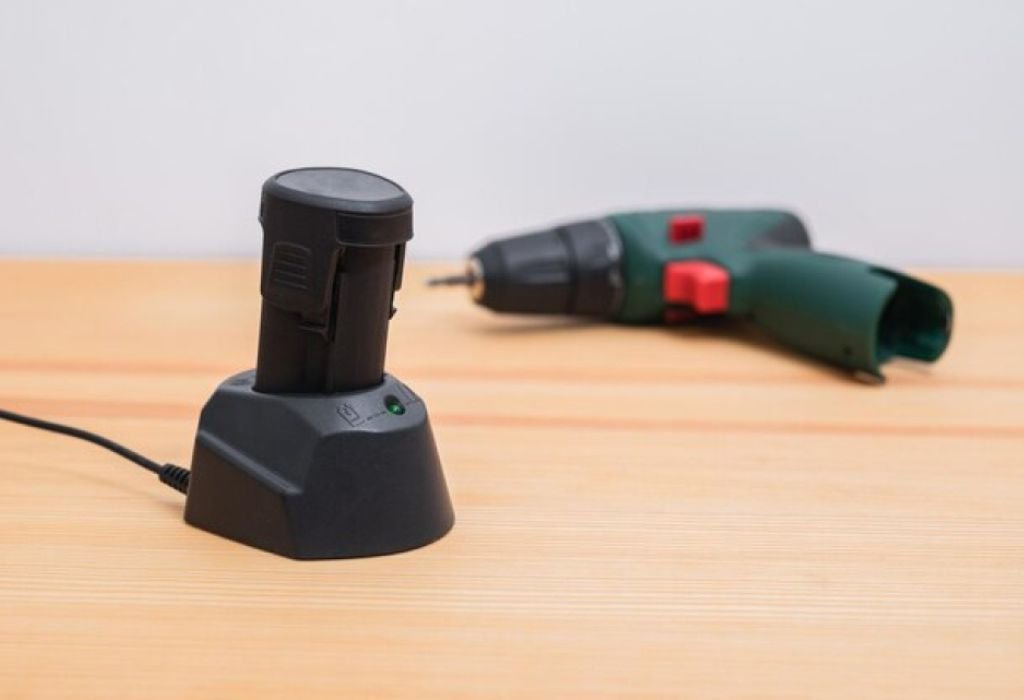
Cordless screwdrivers rely on rechargeable batteries, typically NiCd, NiMH, or lithium-ion. Each battery type behaves differently when charged.
Lithium-ion batteries dominate modern screwdrivers because they are lighter, hold charge longer, and do not suffer from memory effect. NiCd and NiMH are mostly found in older tools.
What type of battery do most cordless screwdrivers use?
Most use lithium-ion batteries.
What is memory effect?
A condition where NiCd and NiMH batteries lose capacity if repeatedly recharged before being fully drained.
Do lithium-ion batteries have memory effect?
No, lithium-ion does not suffer from memory effect.
How many cycles do lithium-ion batteries last?
Typically 300–500 full charge cycles.
Can a Cordless Screwdriver Be Left on the Charger?
Modern lithium-ion screwdrivers paired with smart chargers can usually be left on the charger safely. These chargers stop charging once the battery is full.
Older NiCd tools with basic chargers are at higher risk of overcharging and overheating if left plugged in too long.
Is it safe to leave lithium-ion batteries charging overnight?
Yes, with smart chargers that prevent overcharging.
Can leaving it on charger damage NiCd batteries?
Yes, trickle charging can reduce lifespan and cause overheating.
Do chargers cut off automatically?
Smart chargers do, but older models may not.
Does overcharging cause overheating?
Yes, especially with outdated chargers.
Battery Safety Concerns When Left Plugged In
Even with modern tools, overheating and fire risks remain if chargers are misused. Chargers should always be placed on non-flammable surfaces with ventilation.
The National Fire Protection Association (NFPA) reports thousands of lithium-ion battery-related fires annually, often linked to improper charging or damaged cells.
Can overcharging cause a fire?
Yes, especially with non-smart chargers.
Why keep the charger on a non-flammable surface?
To reduce the chance of fire spreading.
How common are battery fires?
Thousands of incidents are reported each year worldwide.
Do modern chargers prevent this?
Yes, but safe placement is still necessary.
Best Practices for Charging Cordless Screwdrivers
Always follow the manufacturer’s guidelines for charging. Many recommend removing the battery once it is fully charged, even with a smart charger.
Store batteries at partial charge if not used for long periods. Avoid charging in extreme heat or cold.
Should you unplug after charging?
Yes, unless the charger specifically has automatic shutoff.
Is partial charging harmful?
No, lithium-ion can be topped up at any time.
What’s the ideal storage charge level?
Around 40–60% for long-term storage.
Can you charge after every use?
Yes, lithium-ion handles frequent top-ups without damage.
Battery Maintenance Tips for Longer Life
Keep battery contacts clean and dry. A quick wipe with a cloth prevents dirt buildup.
Never allow lithium-ion batteries to fully discharge, as deep cycles shorten lifespan.
Does deep discharge damage lithium-ion?
Yes, it reduces overall capacity.
Can generic chargers shorten battery life?
Yes, they may lack protection circuits.
How to clean battery contacts?
Wipe with a dry cloth or alcohol swab.
How to store for winter?
In a cool, dry place at partial charge.
How to Identify Smart vs Basic Chargers
Smart chargers detect when a battery is full and stop or switch to trickle mode. Many have LED indicators showing charging status.
Basic chargers keep pushing current into the battery, which risks overcharging.
What is a smart charger?
A charger with auto shutoff or maintenance mode.
How to know if my charger is smart?
Look for indicator lights or “automatic shutoff” labeling.
Can trickle charging harm NiCd?
Yes, it causes heat buildup and memory effect.
Are all modern chargers smart?
Most are, but not every low-cost charger.
Differences Between Old and Modern Screwdrivers
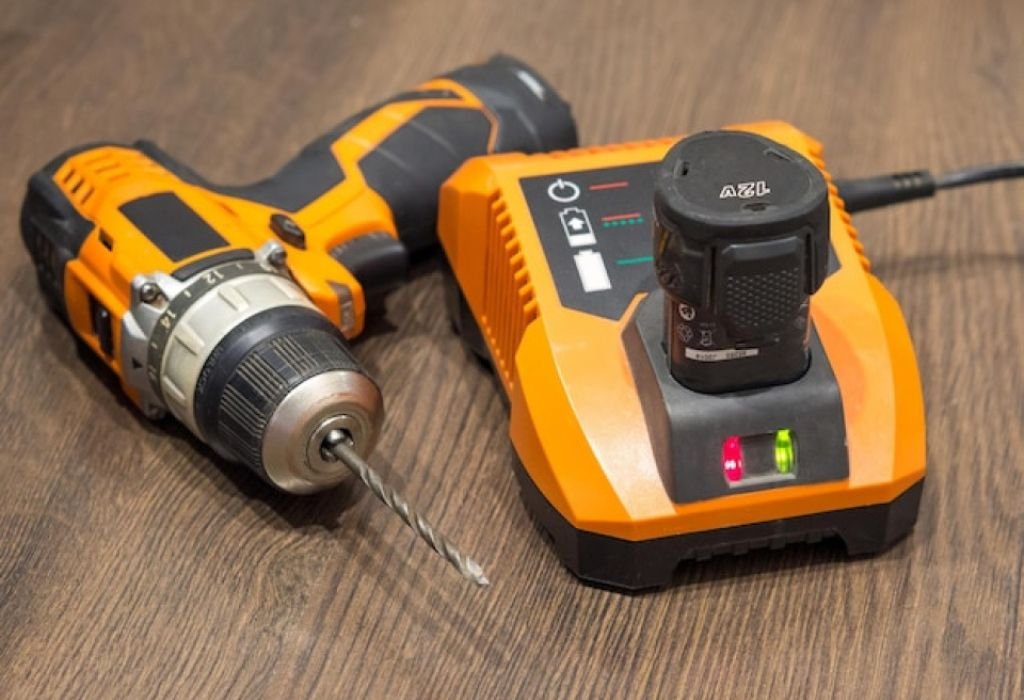
Older NiCd cordless screwdrivers require careful charging practices. Leaving them on chargers can drastically shorten their lifespan.
Modern lithium-ion tools, however, are much safer thanks to integrated electronics and smart charging technology.
Why are older tools riskier to leave charging?
They lack protective circuitry.
Do new tools charge faster?
Yes, lithium-ion charges more quickly and efficiently.
Should I upgrade if my tool uses NiCd?
Yes, for improved safety and performance.
Do lithium-ion batteries self-discharge?
Yes, but at a much slower rate than NiCd.
Environmental and Cost Considerations
Batteries that wear out too quickly contribute to global e-waste. The UN reports that over 50 million tons of e-waste are generated annually (UNEP).
Extending battery life through proper charging reduces replacement costs and environmental impact.
Where to recycle old batteries?
At certified recycling centers or hardware stores.
Are lithium-ion batteries recyclable?
Yes, but only through specialized facilities.
Is it cheaper to replace batteries or the tool?
It depends, but older models often make full replacement more practical.
How much e-waste do batteries produce?
Billions of units each year globally.
Conclusion
So, can a cordless screwdriver be left on the charger? For modern lithium-ion tools with smart chargers, the answer is usually yes. For older NiCd screwdrivers with basic chargers, leaving them plugged in for long periods can shorten lifespan and create safety risks.
The best practice is to know your battery type and charger design. Safe charging habits, partial storage levels, and proper maintenance extend tool life and reduce the risk of fire or failure.
Follow these guidelines to protect both your cordless screwdriver and your investment. A few simple charging precautions ensure your tool stays reliable and ready whenever you need it.

I’m John F. Nicholas, the founder, lead writer, and drill enthusiast behind 101drill.com. With years of hands-on experience in power tools and DIY projects, I created this platform to share practical knowledge, expert tips, and real-world insights to help others master the art of drilling.