
Imagine opening your toolbox to tackle a quick repair, only to find that the screwdriver bit you need does not seem to fit your cordless screwdriver.
The moment of hesitation raises an important question: are cordless screwdriver bit sets interchangeable?
The convenience of cordless screwdrivers has made them one of the most widely used tools for both DIY enthusiasts and professionals.
Yet, confusion often arises when switching between different bit sets. Some users try forcing mismatched bits into chucks, which can damage both the tool and the bit. Understanding compatibility is key to safe and efficient use.
According to market data, over 200 million cordless power tools are in use worldwide source.
With the global power tools market expected to exceed $49 billion by 2030 source, screwdriver bits represent a massive share of daily tool usage. Ensuring that these bits are compatible across devices saves time, reduces costs, and prevents premature wear.
Cordless screwdriver bits generally follow standardized designs, such as ¼-inch hex shanks, making them widely interchangeable. However, variations in brand design, magnetic holders, and specialty bits can create exceptions.
Knowing when bits are interchangeable and when they are not helps avoid wasted effort and broken components.
This guide explores the interchangeability of cordless screwdriver bit sets, breaking down how standard sizes work, which bits are cross-compatible, and where caution is required. By the end, you will know how to select and use the right bit sets for your cordless screwdriver with confidence and precision.
Understanding Bit Set Compatibility
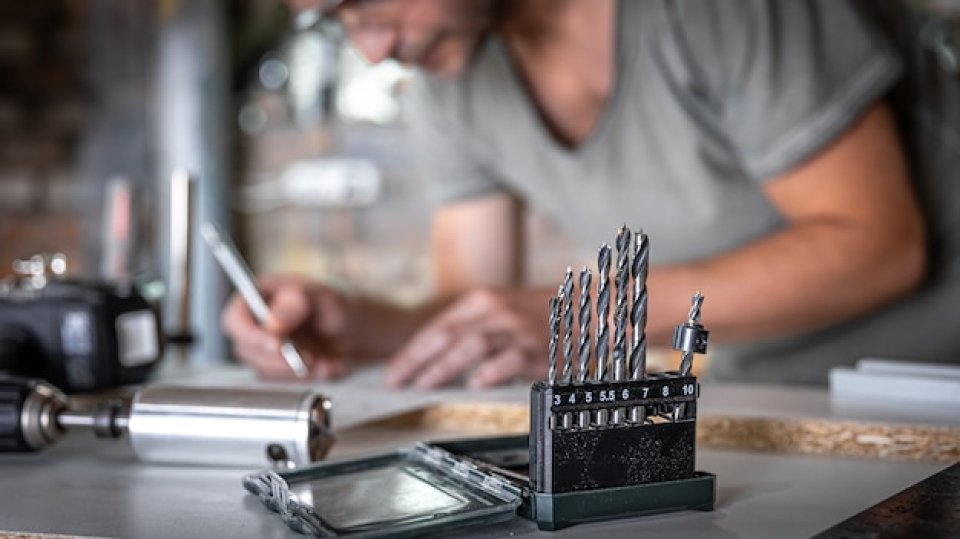
Cordless screwdrivers are designed to use bits that lock into the chuck or bit holder. Most models use a ¼-inch hex shank, the industry standard for screwdriver bits.
This standardization allows many bit sets to be used interchangeably, though quality, fit, and specialized designs can create limitations.
What is a ¼-inch hex shank?
It is the standard size for most cordless screwdriver bits.
Why are most bit sets interchangeable?
The hex design ensures a universal fit across many brands.
Do all cordless screwdrivers use hex bits?
Most do, but some compact or specialty models may differ.
Are cheaper bits less compatible?
They may fit but can wear faster or slip more easily.
Can mismatched bits damage the tool?
Yes, improper fit stresses the chuck and bit edges.
Standardized Screwdriver Bit Sizes
Screwdriver bits come in multiple types, including Phillips, slotted, Torx, and square drive. Their shafts are usually standardized for broad compatibility.
The ¼-inch hex shank is the most common, but some heavy-duty applications may require larger shanks or proprietary designs.
Are Phillips and flathead bits interchangeable?
No, they fit different screw heads.
Do all brands follow the same shank size?
Most reputable brands do, though tolerances may vary slightly.
What is the benefit of standard sizes?
They allow quick changes and universal use across tools.
Do larger tools need larger shanks?
Yes, impact drivers may require reinforced bits.
Are mini screwdriver bits universal?
No, precision bits often use smaller shank sizes.
When Cordless Screwdriver Bits Are Not Interchangeable
Despite standardization, not all bit sets fit every cordless screwdriver. Proprietary locking systems, magnetic holders, or tool-specific designs can prevent interchangeability.
Some brands may design bits for exclusive compatibility to encourage buying their accessories.
Why do some brands limit interchangeability?
To control accessory sales and ensure quality standards.
Can magnetic holders affect fit?
Yes, some require specific bit types to work properly.
Do impact-rated bits work in regular screwdrivers?
Yes, but they may be bulkier than needed.
Are universal bit adapters available?
Yes, adapters expand compatibility across brands.
Can forcing a non-compatible bit cause damage?
Yes, it risks stripping both the chuck and the bit.
The Role of Magnetic and Quick-Change Holders
Magnetic holders keep bits stable during operation. Quick-change holders allow bits to be swapped easily without tools.
These systems improve efficiency but can create compatibility issues if the bit does not match the holder design.
What is a quick-change holder?
A sleeve mechanism that locks bits in place.
Do magnetic holders fit all bits?
Most do, but some require longer shanks.
Can holders wear out?
Yes, frequent use can reduce magnetic strength or spring tension.
Are holders universal across brands?
Often yes, but some proprietary systems differ.
Do holders affect torque?
Yes, poor fit may reduce torque transfer.
Material and Build Quality in Interchangeability
High-quality bits made from hardened steel or titanium-coated alloys fit more securely and last longer. Cheap bits may deform and get stuck.
Durability impacts not just compatibility but also safety.
Do stronger bits fit better?
Yes, precise machining ensures smoother insertion.
Can cheap bits damage the chuck?
Yes, burrs and irregular shapes cause wear.
Does coating affect fit?
No, but it enhances durability and reduces friction.
Should quality be prioritized over price?
Yes, long-lasting bits save money over time.
Can premium bits be used in any tool?
Yes, as long as they follow standard shank sizing.
Tips for Ensuring Compatibility
Always check the screwdriver’s manual for recommended bit sizes. Invest in a universal bit set with multiple head types and shank sizes.
Adapters expand compatibility, but they should be chosen carefully to avoid reducing performance.
How can users check compatibility?
By confirming shank size and bit type before use.
Do universal sets work in all cordless screwdrivers?
Most do, as long as they use the standard ¼-inch shank.
Are adapters safe?
Yes, when designed for the specific torque and size.
Should bits be tested before heavy use?
Yes, always check fit on a sample screw.
Can one set cover most tasks?
Yes, a comprehensive set supports multiple projects.
Maintenance to Improve Bit Performance
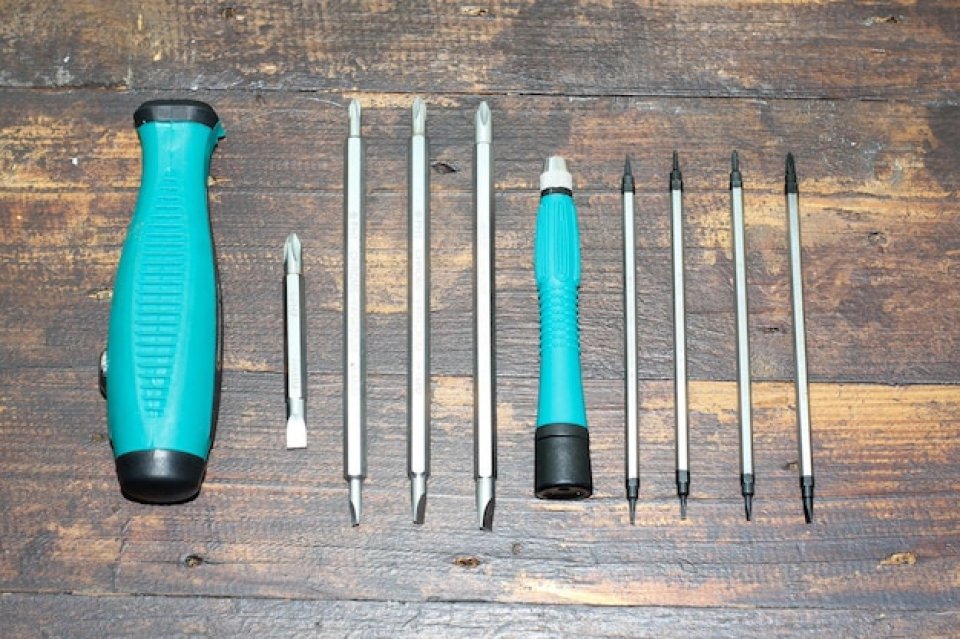
Keeping bits clean and rust-free ensures smoother compatibility. Regular inspection prevents worn or bent bits from jamming inside the chuck.
Storing bits in dry, organized cases extends their usable life.
Does rust affect fit?
Yes, it prevents smooth insertion.
Can bent bits still be used?
No, they risk damaging the tool.
Should bits be lubricated?
A light oil coat helps prevent corrosion.
How often should sets be inspected?
Before major tasks or monthly for professionals.
Do organized cases help?
Yes, they prevent mix-ups and damage.
Future Trends in Bit Compatibility
As cordless screwdriver technology advances, manufacturers continue to improve bit retention and reduce wear. Universal quick-change systems are becoming more popular.
However, brand-specific designs may still exist to ensure tool safety and drive accessory sales.
Will all bits become universal?
Unlikely, but most will remain standardized at ¼-inch hex.
Are smart tools affecting compatibility?
Some new models detect torque but still use standard bits.
Do patents influence designs?
Yes, companies may lock users into ecosystems.
Will adapters remain useful?
Yes, they bridge gaps between systems.
Is compatibility improving overall?
Yes, as standardization benefits both users and manufacturers.
Conclusion
So, are cordless screwdriver bit sets interchangeable? In most cases, yes—thanks to the widespread use of the ¼-inch hex shank standard. But compatibility is not absolute. Factors such as magnetic holders, proprietary designs, and build quality can limit interchangeability.
The best approach is to invest in quality bit sets, verify compatibility with your tool, and maintain bits properly. With these steps, you can ensure smooth performance, longer tool life, and fewer frustrations during projects.
Whether for home repairs or professional work, understanding interchangeability makes cordless screwdrivers even more reliable and efficient.

I’m John F. Nicholas, the founder, lead writer, and drill enthusiast behind 101drill.com. With years of hands-on experience in power tools and DIY projects, I created this platform to share practical knowledge, expert tips, and real-world insights to help others master the art of drilling.