
A DIY user marks a perfect drilling point on a wooden board and confidently starts drilling with a hand drill. Within seconds, the bit wanders off center, the hole tilts sideways, and the screw no longer fits correctly.
This small mistake often leads to frustration and raises an important question about what controls hand drill hole accuracy.
Hole accuracy with a hand drill depends on far more than just steady hands. The drill bit, drilling speed, material hardness, body position, and surface preparation all influence the final result. Even small errors in setup can create large deviations in hole position and angle.
Understanding hand drill hole accuracy factors helps prevent crooked holes, oversized openings, tear-out, and poor screw alignment.
It improves project strength, appearance, and tool safety. This guide explains every major factor that affects drilling precision in clear and practical detail.
What Hole Accuracy Means in Hand Drilling
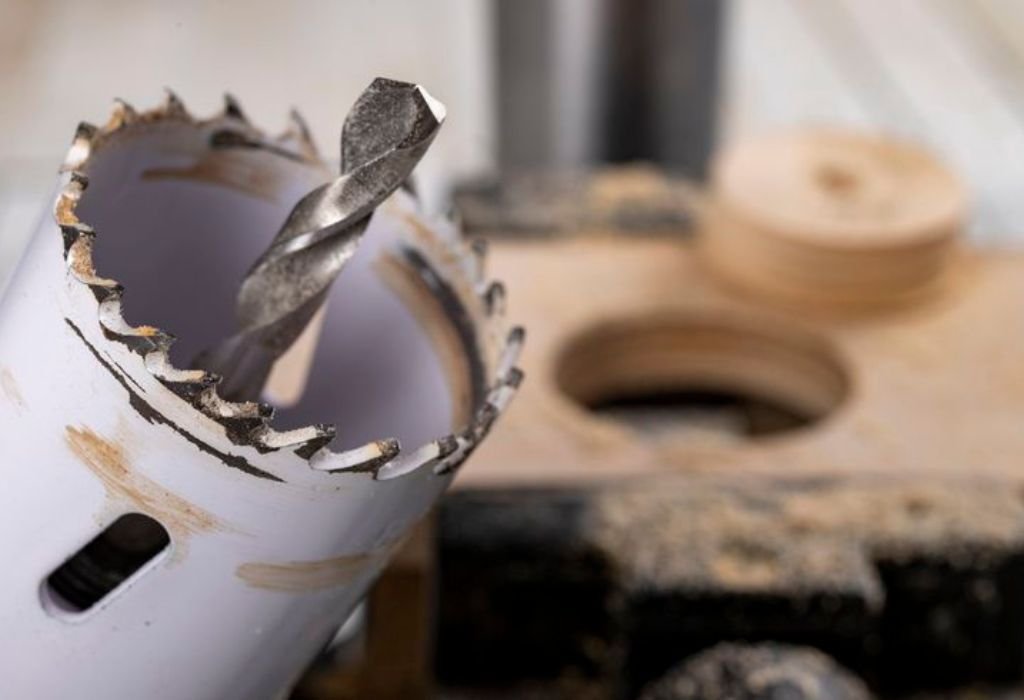
Hole accuracy in hand drilling refers to how closely the drilled hole matches the intended position, angle, and diameter. A precise hole starts exactly on the marked point. It also continues straight through the material without drifting sideways.
Angle accuracy is just as important as location accuracy. A hole that starts correctly but tilts during drilling becomes misaligned. This affects fastener strength and joint alignment.
Size accuracy refers to the final diameter of the hole matching the drill bit size. Wobble, vibration, and bit flex can enlarge the hole beyond its intended size. Oversized holes weaken screw holding power.
Depth accuracy also plays a critical role in many projects. Shallow holes prevent full fastener seating. Over-deep holes risk breaking through the material surface.
Surface accuracy relates to clean entry without splintering or chipping. Poor control often causes tear-out around the hole edges. This reduces visual quality and surface strength.
All these accuracy elements work together during hand drilling. If one factor fails, overall hole quality suffers. Understanding these elements sets the foundation for precise drilling.
Why Hole Accuracy Matters in DIY and Professional Work
Accurate holes ensure proper fastener alignment in woodworking and metalworking projects. Screws and bolts depend on straight, centered holes for load distribution. Misaligned holes stress fasteners unevenly and cause early failure.
In furniture assembly, inaccurate holes create gaps between joints. These gaps weaken structural integrity over time. They also reduce product appearance and fit quality.
Electrical and plumbing work depend heavily on hole precision. Incorrect angles damage hidden wiring, pipes, or framing. A few degrees of error can cause costly internal damage.
In metal fabrication, inaccurate drilling leads to poor part fitment. Misaligned holes prevent proper bolt installation. This compromises machine safety and performance.
Hole accuracy also affects tool safety during drilling. Poor control increases bit binding and kickback risk. Kickback injuries are common when the bit catches unexpectedly.
Whether for DIY or professional use, hole accuracy directly affects safety, strength, and appearance. Precision drilling reduces rework, material waste, and tool wear. It is a fundamental skill in every drilling task.
Drill Bit Type and Its Impact on Hole Accuracy
Drill bit type has a major influence on hole accuracy during hand drilling. Different bits are designed for specific materials and cutting behaviors. Using the wrong bit increases wandering and uneven cutting.
Twist drill bits are the most common type for wood, metal, and plastic. Their pointed tips guide the bit into the material. However, dull or low-quality twist bits drift easily.
Brad point bits are designed for accurate wood drilling. Their center spur anchors the bit at the drilling point. This prevents sideways movement at startup.
Spade bits cut large holes quickly but sacrifice precision. Their wide cutting edges increase vibration and side force. This makes it difficult to maintain straight holes.
Masonry bits use carbide tips for hard surfaces. They rely on hammer action rather than pure rotation. Without proper control, they can wander during surface penetration.
Choosing the correct drill bit type improves starting accuracy, cutting stability, and final hole quality. The bit design directly determines how the tool interacts with the material. Proper selection is one of the most important accuracy factors.
Does drill bit type really affect hole accuracy?
Yes, different bit designs control how the bit starts and stays centered.
Are brad point bits more accurate than twist bits?
Yes, they anchor better and prevent wandering in wood.
Do spade bits produce accurate holes?
They cut fast but are less accurate than other bit types.
Can masonry bits drill straight in wood?
They can, but they offer poor control compared to wood-specific bits.
Does cheap drill bit quality affect precision?
Yes, low-quality bits flex and wander more easily.
Drill Bit Sharpness and Wear Effects
Drill bit sharpness directly controls how smoothly the bit enters the material. A sharp edge cuts cleanly without excessive force. This allows the bit to follow the intended center line.
Worn drill bits skid across the surface before cutting. This surface skating causes off-center starts. Once the path shifts, the hole remains inaccurate throughout.
Dull bits require higher pressure to penetrate. Excess force increases hand vibration and side loading. These forces bend the bit and distort the hole.
Wear also affects heat generation during drilling. Friction rises as edges dull. Excess heat softens materials and increases bit deflection.
Sharpened bits maintain consistent cutting geometry. They remove material evenly from both sides. This preserves straight tracking through the workpiece.
Regular inspection and replacement of worn bits preserves hole precision. Accuracy always depends on clean cutting edges. Sharp tools are the foundation of precise drilling.
Drill Speed Control and Stability
Drill speed determines how the bit interacts with the material surface. Too much speed reduces control at startup. The bit tends to skate and wander under high RPM.
Low speed provides better starting accuracy for most materials. It allows the point to bite cleanly into the surface. Controlled entry prevents off-center movement.
Excessive speed also increases vibration in the drill body. Vibration reduces hand stability and directional control. This causes wider and tapered holes.
Material type affects ideal drilling speed greatly. Soft wood tolerates higher speed with less risk. Hard metals require slow and steady RPM for accuracy.
Variable-speed triggers help regulate entry control. Gradual throttle improves precision at the start. Full speed is applied only after stable penetration.
Stable drill speed minimizes sideways pressure on the bit. Consistent rotation ensures uniform cutting engagement. Speed control remains one of the most overlooked accuracy factors.
Hand Position, Grip, and Body Alignment
Hand position directly affects control over drill direction. A centered grip aligns force through the axis of rotation. This reduces sideways deviation at startup.
Two-handed control provides greater stability than single-hand drilling. The support hand counteracts vibration and torque. This keeps the drill aligned with the surface plane.
Body alignment must match the drilling angle. Leaning from the side introduces angled force. Straight posture ensures straight hole entry.
Improper wrist posture introduces tilt during drilling. Bent wrists change force direction unexpectedly. This causes angled holes even with sharp bits.
Drilling while standing on unstable footing reduces accuracy. Body sway transfers movement into the drill tip. Solid stance improves directional stability.
Correct body and hand alignment transform drilling precision. Even a perfect drill bit cannot compensate for poor posture. User positioning remains a core accuracy factor.
Does two-hand drilling improve accuracy?
Yes, it stabilizes torque and minimizes sideways movement.
Can poor posture cause angled holes?
Yes, body tilt changes applied drilling force direction.
Is wrist position important for drilling straight?
Yes, bent wrists introduce unwanted bit tilt.
Does drilling while kneeling reduce control?
Yes, unstable positions reduce body balance and accuracy.
Should I brace my elbow during drilling?
Yes, elbow bracing improves straight-line control.
Material Type and Surface Preparation
Material hardness greatly affects how easily the bit stays centered. Soft materials allow smooth penetration with little resistance. Hard materials push the bit sideways at the surface.
Uneven surfaces cause immediate bit deflection. Curved or rough textures prevent the tip from seating properly. This leads to off-target starts.
Surface preparation improves drilling accuracy significantly. Center punching creates a guiding dimple for metal drilling. This anchors the bit tip at the desired location.
Wood surfaces benefit from pilot holes for accuracy. Pilot holes establish straight directional paths. Full-size bits then follow the pilot trajectory.
Plastic may soften under heat and grab the bit suddenly. This causes unexpected pull and angle deviation. Controlled speed prevents grabbing.
Preparing the surface minimizes initial deflection forces. Once a hole starts accurately, it usually stays accurate. Entry control determines overall hole accuracy.
Drill Guide, Jigs, and Support Tools
Drill guides provide mechanical alignment during drilling. These guides keep the bit perpendicular to the work surface. They eliminate much of the human angle error.
Portable drilling jigs improve hole location repeatability. They align multiple holes with consistent spacing. This is essential for cabinetry and metal fabrication.
Clamp-on guides prevent workpiece movement during drilling. Movement during drilling shifts hole geometry. Rigid clamping preserves location accuracy.
Depth stop collars control drilling depth precisely. They prevent over-penetration. Depth control contributes to assembly fit and fastening strength.
Right-angle drill guides assist in perpendicular drilling on flat surfaces. These tools support vertical bit alignment. They dramatically improve straight hole accuracy.
Support tools compensate for natural hand limitations. Precision improves when mechanical guidance assists user control. Guides convert manual drilling into controlled drilling.
Do drill guides really improve accuracy?
Yes, they mechanically enforce correct drilling angle.
Are jigs useful for repeated holes?
Yes, they ensure perfect spacing consistency.
Does clamping affect hole accuracy?
Yes, moving workpieces destroy drilling precision.
Is a depth stop necessary for accuracy?
Yes, it ensures consistent and safe drilling depth.
Can right-angle guides help beginners?
Yes, they prevent tilted holes effectively.
Common Causes of Inaccurate Drill Holes
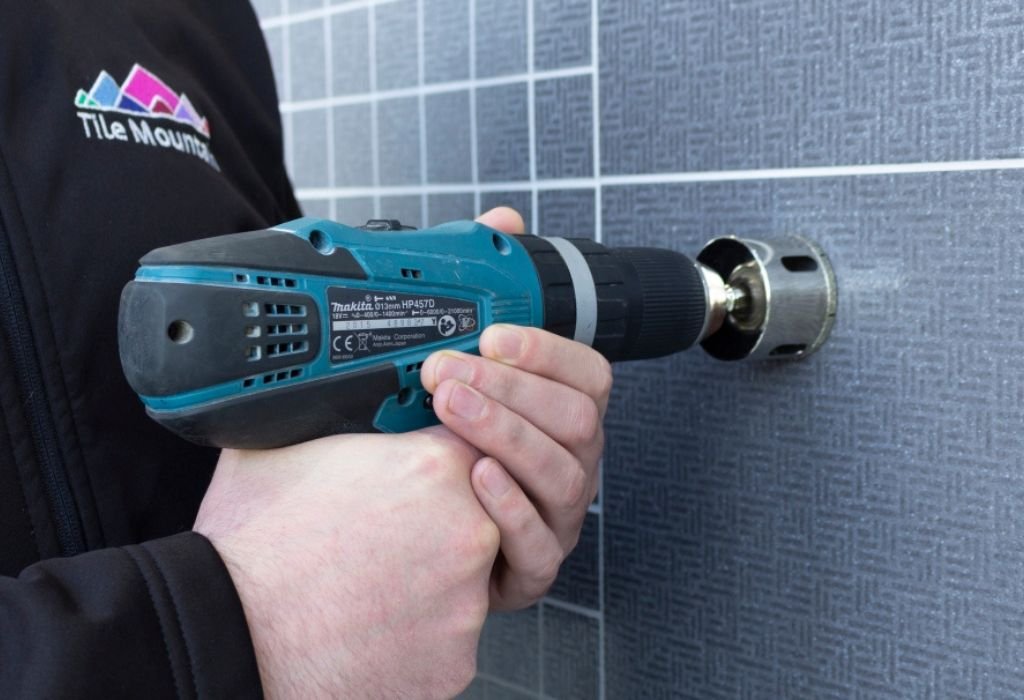
Starting holes without center marking is a major error. The bit searches for grip and drifts off target. This misalignment becomes permanent.
Drilling at full speed from the start causes surface skating. The bit fails to establish centered contact. High-speed starts reduce entry control.
Applying uneven pressure bends the bit during rotation. Side pressure deflects the cutting path. This produces angled or oval holes.
Using worn chuck jaws allows bit wobble. Wobble enlarges hole diameter unevenly. This ruins precision even with sharp bits.
Workpiece shifting during drilling causes instant misalignment. Any movement changes relative bit position. Secure clamping is essential.
Most inaccurate holes trace back to setup errors. Poor preparation causes larger drilling mistakes. Accuracy always begins before the trigger is pulled.
Depth Control and Perpendicular Angle Accuracy
Depth control maintains consistent fastener engagement. Uneven depth weakens joint strength. This leads to structural instability.
Over-drilling can penetrate through hidden surfaces. This damages backing materials and surfaces. It also creates safety hazards.
Angle accuracy determines how straight the fastener seats. Angled holes prevent screw heads from seating flush. This causes improper load distribution.
Visual alignment alone is often unreliable. Small visual deviations become large angular errors at depth. Mechanical verification improves vertical precision.
Depth stops and guide blocks control penetration accurately. These tools prevent excess drilling force. Controlled penetration preserves alignment.
Depth and angle accuracy work together for true hole precision. One without the other creates assembly failure. Both must remain consistent.
Can drilled holes be accurate without depth stops?
Only with high skill and constant visual monitoring.
Does angled drilling weaken fastener grip?
Yes, it reduces holding strength significantly.
Is visual alignment enough for straight holes?
No, small visual errors amplify with depth.
Do depth collars slip during drilling?
Low-quality collars can slip under high pressure.
Does deep drilling increase angle error risk?
Yes, deeper holes magnify angle deviations.
Conclusion
Hand drill hole accuracy is controlled by multiple interacting factors that work together during every drilling operation. Drill bit type, sharpness, speed control, and body positioning all influence precision. No single factor alone determines accuracy without support from the others.
User technique remains just as important as tool quality. Proper grip, posture, and speed regulation prevent most entry and angle errors. Mechanical guidance further strengthens accuracy for critical work.
Material behavior directly affects how easily a bit stays centered. Surface preparation stabilizes drilling at the most vulnerable entry point. Controlled penetration prevents sideways force buildup.
Support tools such as guides, jigs, and clamps convert freehand drilling into controlled drilling. These tools dramatically reduce human error. Precision improves sharply when guidance is introduced.
Most inaccurate holes originate from poor setup rather than poor tools. Skipped center marks, worn chucks, and unstable workpieces cause the majority of errors. Preparation always determines outcome.
Understanding hand drill hole accuracy factors allows users to drill straight, clean, and consistent holes every time. Accurate holes improve strength, appearance, and tool safety. Precision drilling transforms both DIY and professional work quality.

I’m John F. Nicholas, the founder, lead writer, and drill enthusiast behind 101drill.com. With years of hands-on experience in power tools and DIY projects, I created this platform to share practical knowledge, expert tips, and real-world insights to help others master the art of drilling.