
Accurate drilling depth is one of the most important yet overlooked parts of precision work. A hole that goes too deep can damage hidden wiring, weaken materials, or ruin a finished surface. A hole that is too shallow can cause weak joints and failed fasteners.
Many users rely only on visual judgment when using a hand drill. This approach often leads to inconsistent results and repeated mistakes. Proper depth control methods eliminate guesswork and improve drilling accuracy.
This guide explains the most effective hand drill depth control methods used by professionals and hobbyists. It covers mechanical stops, accessories, visual techniques, and safety practices. Mastering these methods improves precision, efficiency, and overall work quality.
Why Depth Control Is Important in Hand Drilling
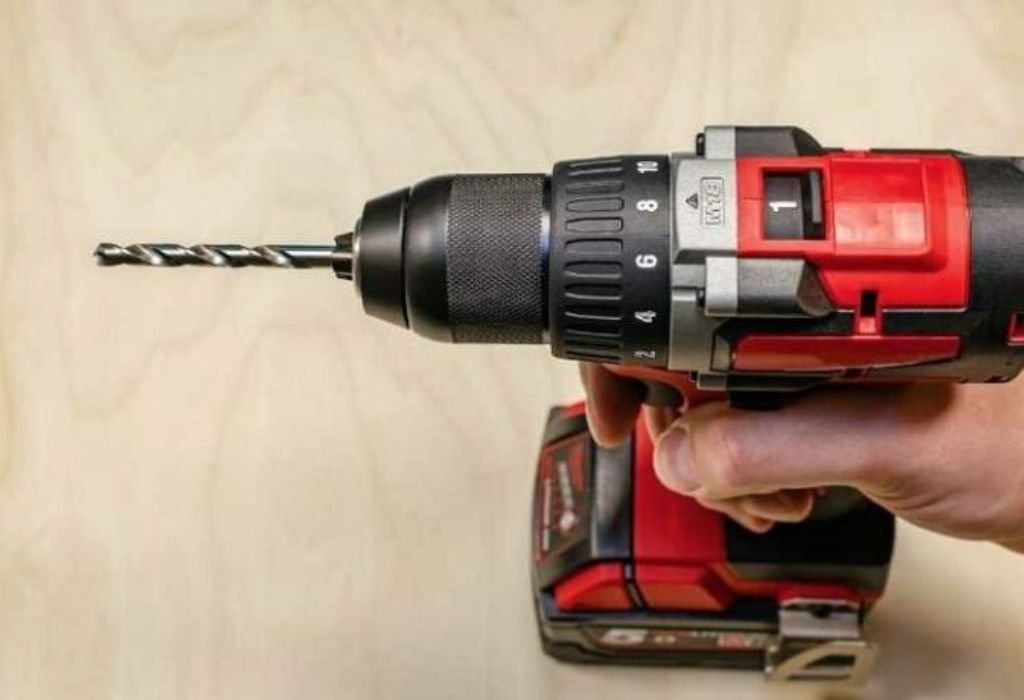
Depth control ensures that a hole reaches the correct penetration without exceeding material limits.
Over-drilling weakens wood joints, breaks through finished surfaces, and damages underlying components. Under-drilling leads to poor screw engagement and weak structural hold.
Precise depth control protects hidden utilities such as wires, pipes, and fasteners. Many materials contain layered construction that is easily damaged by excessive penetration. Controlled drilling prevents costly internal damage.
Depth accuracy also determines joint strength in woodworking and light metal assembly. Screws, dowels, and anchors rely on uniform hole depth for maximum holding power. Inconsistent depth reduces mechanical strength over time.
Production efficiency improves when depth control is consistent. Repeated holes with uniform depth reduce rework and adjustment time. This is especially important for batch drilling tasks.
Safety is another key reason depth control matters. Sudden breakthrough can cause the drill bit to bind or snap. Controlled drilling minimizes kickback and sudden tool movement.
Reliable depth control transforms drilling from a rough process into a precise operation. It protects both the workpiece and the user. Consistency is the foundation of quality drilling work.
Built-In Depth Stops on Adjustable Hand Drills
Some advanced hand drills include built-in depth stop mechanisms. These are usually adjustable collars mounted along the drill body or spindle. Once set, the collar contacts the work surface and prevents further penetration.
Built-in depth stops provide fast and repeatable depth control. Once calibrated, the same hole depth can be achieved across multiple drilling cycles. This is ideal for cabinet work and fixture installations.
Adjustment is typically done by sliding the stop to a measured position. A locking screw or clamp secures the stop in place. This prevents movement during operation.
Built-in depth stops are highly accurate when properly set. However, they are limited by the maximum travel of the stop mechanism. Very deep holes may exceed their adjustment range.
These systems work best on flat and stable surfaces. Uneven workpieces reduce contact accuracy. For irregular surfaces, external depth control methods may be more effective.
Built-in stops are convenient but not universally available. Many standard hand drills require external depth control accessories instead. Understanding both options allows flexible depth management.
Drill Bit Stop Collars and Their Proper Use
Drill bit stop collars are one of the most widely used depth control tools. They are small metal rings that clamp directly onto the drill bit shank. Once positioned, the collar physically blocks the bit from drilling deeper than the set depth.
These collars provide highly repeatable depth control for batch drilling. They are especially effective for woodworking, doweling, and hardware installation. Multiple holes can be drilled at identical depth with minimal measurement effort.
Proper positioning of the collar requires accurate measurement from the bit tip. A ruler or depth gauge is used to set the required depth. The collar is then tightened using a small set screw.
The collar must always be tightened firmly. A loose collar can slide during operation and cause over-drilling. Regular checking prevents depth drift during repeated drilling cycles.
Stop collars work best on bits with smooth shanks. Fluted shanks reduce clamping grip and increase slip risk. Some collars include rubber inserts to improve grip strength.
This method is simple, inexpensive, and highly effective. It remains one of the most trusted depth control tools for manual drilling operations. Accuracy depends entirely on correct setup and secure tightening.
Using Tape as a Temporary Depth Control Marker
Tape marking is one of the simplest depth control methods available. A strip of tape is wrapped around the drill bit at the desired depth. Drilling stops when the tape reaches the material surface.
This method is ideal for quick jobs where precision collars are not available. It is commonly used in home repairs and light woodworking. The method requires no special tools or accessories.
The tape must be tightly wrapped to remain visible during drilling. Loose tape can slide along the bit and distort depth accuracy. Bright colored tape improves visual detection.
This method relies entirely on operator attention. The user must stop drilling at the exact moment the tape touches the surface. Depth consistency depends on steady hand control.
Tape control is not suitable for high-speed drilling or deep holes. Centrifugal force can loosen the tape over time. Heat buildup may also weaken adhesive strength.
Despite its limitations, tape marking remains useful for rough depth control. It is fast, flexible, and requires no mechanical setup. Careful use improves accuracy for short depth applications.
Depth Control Through Drill Press-Style Attachments
Some hand drills can be paired with drill press-style guide attachments. These attachments convert handheld drilling into guided vertical movement. Depth is controlled using mechanical stops built into the attachment.
These guides improve perpendicular accuracy and depth consistency. The drill is held in a sliding frame that moves along vertical rails. A depth stop screw limits downward travel.
This method is extremely useful for repeat drilling and perpendicular precision. It provides a level of control similar to a small drill press. It is often used in precision woodworking and metal assembly.
Setup requires careful alignment of the guide base with the workpiece. The depth stop must be calibrated using a ruler or gauge. Once set, depth accuracy is highly consistent.
These attachments reduce hand fatigue and drilling angle errors. The guide absorbs much of the drilling force. This helps maintain straight holes and uniform depth.
Drill guide attachments are ideal when high accuracy is required without a full drill press. They provide professional-level depth control for handheld drilling tasks. Their limitation lies in setup time and workspace requirements.
Adjustable Depth Control Sleeves and Guide Bushings
Adjustable depth control sleeves fit over the drill bit and limit how deep the bit can travel into the material. These sleeves slide along the bit and stop against the surface once the preset depth is reached. They function similarly to stop collars but provide a wider contact surface.
Guide bushings add both depth control and alignment support during drilling. The bushing sits against the material and stabilizes the bit as it enters the surface. This reduces side movement and improves hole straightness.
Depth sleeves are commonly used in cabinetry and fixture installation. They allow precise depth setting without relying on visual judgment. Once locked in place, they provide consistent depth across multiple holes.
These tools are especially helpful when drilling into soft materials. Without control sleeves, soft wood allows the bit to plunge deeper than intended. The sleeve provides a hard stopping point that prevents over-penetration.
Most adjustable sleeves are designed for a specific bit diameter range. Using the wrong size reduces accuracy and increases slippage risk. Proper pairing ensures consistent and safe depth control.
Sleeves and bushings offer a balance between simplicity and professional-level accuracy. They require minimal setup and provide reliable depth limitation. This makes them ideal for repetitive precision drilling.
Depth Control Using Spacers, Blocks, and Physical Barriers
Spacers and blocks are physical barriers placed between the drill and the work surface. They limit how far the drill can move forward during operation. The drill stops when it contacts the spacer.
This method is commonly used in rough construction and carpentry. Scrap wood blocks are often stacked to match the required drilling depth. Once positioned, the drill cannot penetrate beyond the stack height.
Spacers work well for wide drill bits and hole saws. These tools are harder to control visually due to their size. A physical barrier guarantees depth limitation regardless of hand pressure.
Blocks must be held securely during drilling. Any movement shifts the depth stop location and reduces accuracy. Clamps are often used to stabilize the spacer against the surface.
This method is convenient because it requires no modification to the drill bit. It works with any bit size and shape. It is also effective for irregular or curved surfaces.
Although simple, spacer-based depth control depends heavily on proper setup. Height accuracy directly determines drilling depth accuracy. Careful measurement improves consistency and safety.
Visual and Measurement-Based Depth Checking Techniques
Visual depth checking involves stopping periodically to measure drilling progress manually. The bit is withdrawn, and depth is checked using a scale or depth gauge. This technique is commonly used in metalworking.
Measurement-based checking provides high accuracy when depth adjustment tools are unavailable. The operator drills shallow passes and checks depth after each pass. This prevents sudden over-penetration.
Depth gauges with sliding probes are commonly used for verification. These tools measure hole depth directly and precisely. They are especially useful for blind holes.
Visual checking requires discipline and patience. Rushing defeats the purpose of depth verification. Consistent checking ensures gradual and controlled depth progression.
This method is slower than mechanical depth control but very flexible. It works for any bit size and material type. It is also useful for complex layered materials.
Measurement-based depth control is ideal for delicate components. It provides frequent feedback and minimizes irreversible errors. Accuracy depends entirely on careful operator technique.
Depth Control Differences in Wood, Metal, and Plastic
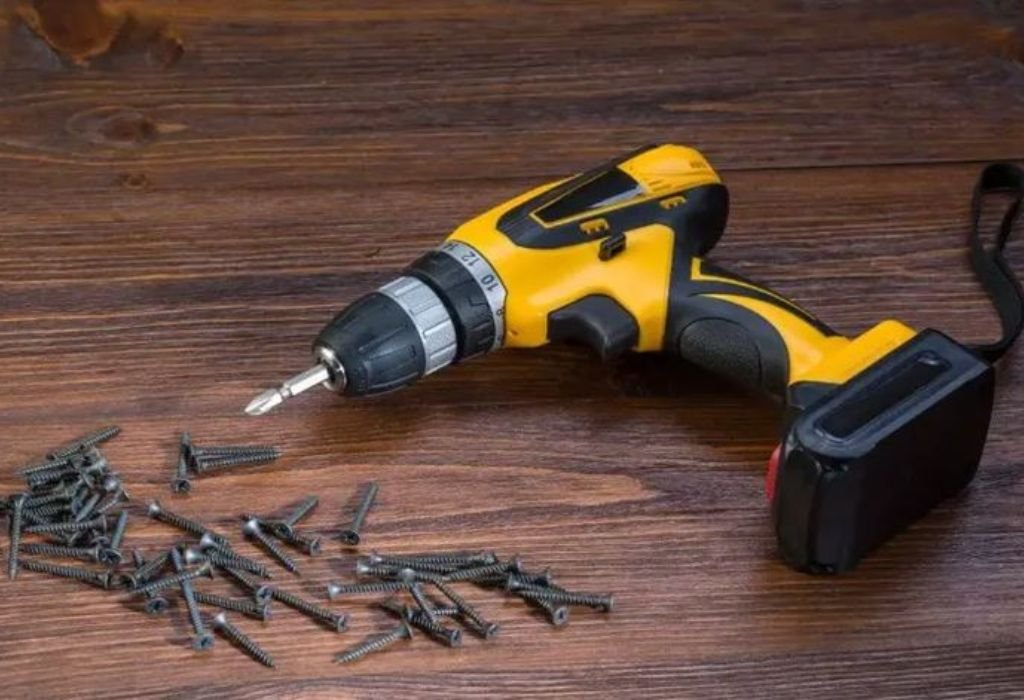
Wood allows rapid bit penetration due to its soft fiber structure. Depth control is critical because over-drilling happens very quickly. Stop collars and guide sleeves work best in wood.
Metal requires controlled pressure and slower drilling speed. Depth control in metal relies heavily on measurement-based checking. Sudden breakthrough is less dramatic but still dangerous.
Plastic behaves differently depending on density and temperature. Soft plastics drill similarly to wood, while rigid plastics behave closer to metal. Depth control methods must be matched to material resistance.
Wood tends to compress under drilling force. This sometimes creates deceptive depth readings. A bit may penetrate deeper once force is released.
Metal resists compression but heats rapidly. Excessive heat expands the material slightly and affects depth perception. Cooling pauses improve accuracy.
Plastic melts under high speed and pressure. This allows the bit to sink deeper than expected. Controlled speed improves predictable depth control.
Common Depth Control Mistakes and How to Avoid Them
One of the most common mistakes is relying solely on visual estimation. Human perception is not accurate at small depth variations. This leads to inconsistent results.
Another frequent error is failing to tighten stop collars properly. A loose collar slides during drilling and allows over-penetration. Regular tightening checks prevent depth drift.
Using the wrong depth control method for the material is another mistake. Tape markers fail at high speeds and deep holes. Mechanical stops are required for precision work.
Applying excessive drilling pressure defeats most depth control systems. High force compresses material and pushes bits past stopping points. Controlled pressure is essential.
Skipping depth rechecks during repeated drilling causes small errors to accumulate. Each hole becomes slightly deeper than the previous one. Regular verification prevents this gradual drift.
Avoiding these mistakes greatly improves consistency. Depth control is a skill developed through method selection and careful operation. Proper technique protects both workpiece and tool.
Frequently Asked Questions
What is the most accurate hand drill depth control method?
Drill bit stop collars and guide sleeves provide the highest mechanical accuracy. They physically limit penetration and offer repeatable depth control.
Is tape marking reliable for depth control?
Tape marking is reliable for shallow and low-speed drilling. It is not suitable for deep or high-speed drilling.
Can I control depth without any accessories?
Yes, depth can be controlled using step-by-step drilling with frequent measurement. This method is slower but highly precise.
Do all hand drills come with built-in depth stops?
No, built-in depth stops are found only on specific models. Most standard drills require external depth control tools.
What causes over-drilling even with a stop collar installed?
Loose tightening, high drilling force, or material compression can cause over-drilling. Proper setup and pressure control prevent this.
Is depth control more important in wood or metal?
Depth control is critical in both, but wood is more prone to sudden over-penetration. Metal requires careful breakout control.
Can depth control prevent drill bit breakage?
Yes, controlled depth prevents sudden bit binding and snap-through. This reduces the risk of bit breakage.
Are drill guide attachments worth using?
Yes, they provide excellent vertical control and consistent depth. They are ideal for precision tasks.
Does drill speed affect depth control accuracy?
Yes, higher speeds reduce reaction time and increase over-penetration risk. Controlled speed improves accuracy.
Can depth control damage the drill bit?
Improperly installed collars or excessive force can damage the bit. Correct installation protects both tool and accessory.
Conclusion
Hand drill depth control methods transform drilling from a rough operation into a precise mechanical process.
Mechanical stops, sleeves, guides, and measurement techniques all serve the same purpose of limiting penetration safely. Choosing the right method depends on material type, hole depth, and accuracy requirements.
Lack of depth control leads to damaged surfaces, weak joints, and safety risks. Over-drilling creates hidden failures that reduce long-term strength and reliability. Proper depth control eliminates these problems at their source.
Mastering depth control improves drilling quality, reduces rework, and protects both tools and materials. Consistent application of these methods leads to professional-level accuracy. Depth control is not optional for precision work, but a foundational drilling skill.

I’m John F. Nicholas, the founder, lead writer, and drill enthusiast behind 101drill.com. With years of hands-on experience in power tools and DIY projects, I created this platform to share practical knowledge, expert tips, and real-world insights to help others master the art of drilling.