
The drill feels solid in the hand, the bit looks straight, and the workstation seems perfectly prepared.
The trigger is pressed, the motor starts spinning, and suddenly the drill begins to shake instead of cutting cleanly. The hole widens unevenly, the sound changes, and control starts slipping away.
This unsettling movement is known as drill wobble, and it is one of the most common hidden problems in both home and professional drilling work.
Many users assume wobble is caused by weak hands or poor technique alone. In reality, wobble is almost always the result of mechanical imbalance, worn components, or incorrect tool setup.
Hand drill wobble affects far more than comfort. It destroys accuracy, shortens drill lifespan, damages materials, and increases the risk of serious injury. Even a minor wobble can turn a precision task into a costly mistake within seconds.
Understanding what causes hand drill wobble is the only way to eliminate it completely. This guide explains every real reason behind wobble, from bent drill bits and worn chucks to bearing failure, attachment imbalance, and surface instability.
Each cause is broken down clearly so the problem can be identified, controlled, and permanently corrected.
What Hand Drill Wobble Really Means
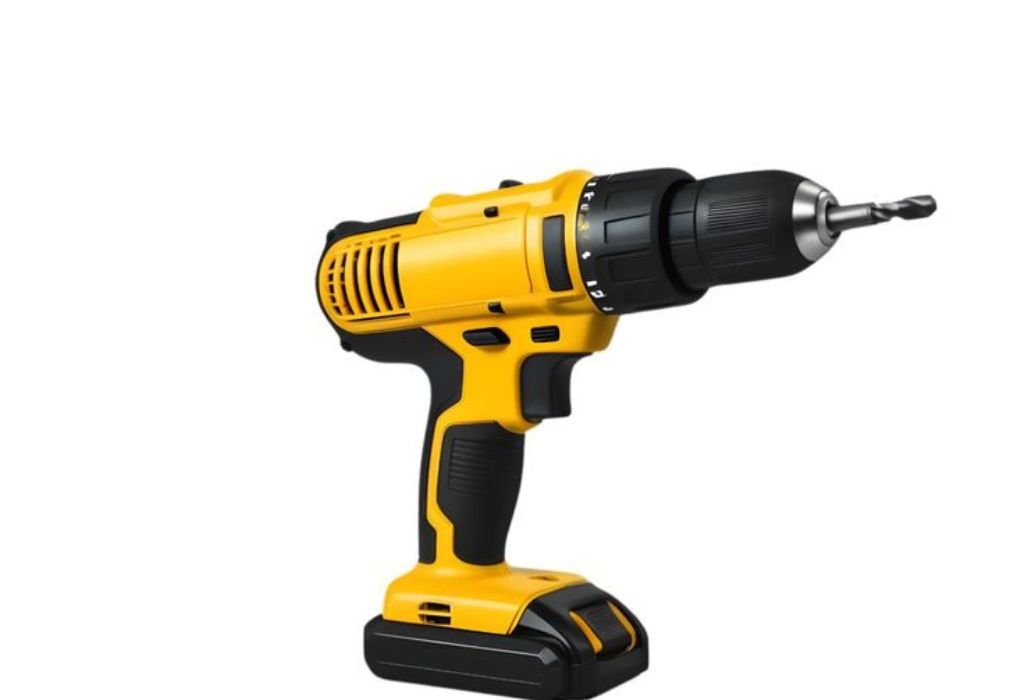
Hand drill wobble happens when the rotating drill bit does not spin evenly around its central axis. Instead of moving in a perfect circle, the bit travels in an unstable orbit. This causes vibration, noise, and poor drilling accuracy.
Wobble can be mild at first and increase with speed. At low RPM the drill may feel normal, but at higher speed the vibration becomes aggressive. This progression often misleads users into thinking speed alone is the problem.
True wobble always indicates a mechanical imbalance. Either the bit, the chuck, the internal shaft, or the motor alignment is compromised. A healthy drill never produces side-to-side motion under normal conditions.
Wobbling affects hole shape immediately. Instead of straight clean holes, the result becomes oval, oversized, or uneven. This damages fastener grip and reduces structural strength.
Wobble also increases internal stress on the drill. The sideways forces attack bearings, gears, and the drive shaft continuously. Over time, this weakens the entire tool.
Ignoring wobble leads to a chain reaction of failures. What starts as vibration often ends as total drill breakdown. Early detection is the key to preventing permanent damage.
Bent Drill Bits as a Primary Cause
Bent drill bits are the most common and most overlooked cause of hand drill wobble. Even a slightly bent bit spins off-center at high speed. That tiny imbalance becomes violent vibration.
Bits bend easily during side-loading, binding in materials, or being dropped on hard floors. Once bent, they rarely look damaged to the naked eye. The wobble only appears when spinning.
Long drill bits wobble more aggressively than short ones. Their extended length magnifies even minor bends. This is why wobble is often worse with deep-hole drilling.
A bent bit also increases cutting resistance unevenly. One side cuts deeper than the other. This feeds more vibration back into the drill body.
Many users mistakenly tighten the chuck harder to fix the issue. This only locks the bent bit more firmly into the off-center position. The wobble becomes stronger instead of weaker.
Replacing the bit immediately is the only true solution. Straightening a bent drill bit rarely restores balance accurately enough for stable drilling.
Loose or Worn Chuck Problems
The chuck holds the drill bit centered during rotation. When the chuck becomes loose or worn, the bit shifts off-center during operation. This instantly produces wobble.
Keyless chucks are more prone to internal wear than keyed chucks. Over time, their gripping jaws lose precision. The bit no longer aligns perfectly with the drill shaft.
Dirt, dust, and metal shavings also collect inside the chuck. These particles prevent the jaws from closing evenly. The bit appears tight but remains misaligned internally.
Worn chuck threads create another danger. Under load, the chuck shifts microscopically on the spindle. That movement introduces constant eccentric rotation.
Chuck wobble becomes worse with larger bits. Heavy bits amplify small alignment errors. This creates violent shaking during startup and drilling.
Once chuck wear begins, it usually progresses quickly. Replacing the chuck restores alignment and removes wobble in most cases.
Internal Bearing Wear and Shaft Damage
Inside every drill, bearings support the rotation of the shaft. These bearings keep the shaft centered and stable. When they wear out, the shaft begins to move sideways.
Bearing wear develops slowly over time. The drill may work normally for months before wobble becomes noticeable. By the time wobble is felt, significant bearing damage often already exists.
Worn bearings create uneven rotation. Instead of spinning smoothly, the shaft oscillates slightly side to side. That movement transfers directly to the drill bit.
Shaft damage often follows bearing failure. Once bearings loosen, the shaft receives abnormal lateral loads. Bending and surface wear increase rapidly.
This type of wobble worsens with speed. At low RPM it may feel mild, but at higher RPM vibration becomes severe. Heat also increases during operation.
Internal bearing failure cannot be fixed externally. The drill must be disassembled and rebuilt or replaced. Continued use will destroy the motor and gear assembly.
Off-Center Bit Installation Errors
Even a perfect drill and straight bit can wobble if the bit is installed incorrectly. If the bit is not centered inside the chuck jaws, the rotation becomes imbalanced.
Users often tighten the chuck unevenly. One jaw grips tighter than the others. The bit locks into a tilted position instead of a straight one.
Quick tightening without visual inspection increases this risk. Many users rely only on hand feel instead of checking alignment. This mistake is extremely common.
Small bits are especially sensitive to off-center clamping. Even tiny alignment errors create noticeable wobble at speed. Precision drilling requires perfect centering.
Dirty chuck jaws also cause misalignment. Debris prevents even jaw contact. The bit appears straight but sits off-axis internally.
Correct installation requires opening the chuck fully, reseating the bit straight, and tightening evenly. This simple step prevents many wobble issues.
Poor Speed Control and Technique Issues
Poor speed control is one of the most underestimated causes of hand drill wobble. High speed multiplies even the smallest imbalance in the bit or chuck. As rotational force increases, vibration becomes stronger and harder to control.
Sudden trigger pulls also create mechanical shock inside the drill. The motor instantly reaches peak torque and transfers unstable force to the shaft. This shock amplifies wobble during the first seconds of drilling.
Excessive downward pressure worsens wobble even further. When the user pushes too hard, the bit flexes under load. That bending creates a shifting center of rotation.
Improper wrist alignment is another major factor behind wobbling motion. If the drill is not held straight, lateral forces pull the bit sideways. This pulls the rotation axis off center instantly.
Long drilling sessions increase user fatigue and reduce control accuracy. As arm muscles weaken, grip stability drops. This subtle loss of control encourages wobble to develop.
Consistent drilling technique is the foundation of stable performance. Controlled speed, straight wrist posture, and steady pressure minimize vibration. Without these basics, even a new drill can wobble badly.
Can high speed alone cause drill wobble?
Yes, high speed magnifies small imbalances instantly. Even a slightly off-center bit can cause strong wobble at high RPM.
Does pushing too hard increase wobble?
Yes, excessive pressure bends the bit under load. That bending shifts the rotational center and increases vibration.
Can poor wrist angle cause wobbling?
Yes, tilted wrist position introduces side force into the bit. This creates instant imbalance during rotation.
Does fatigue affect drill stability?
Yes, tired arms reduce grip control and accuracy. This allows wobble to develop more easily.
Is controlled speed better for straight drilling?
Yes, gradual speed increase stabilizes the bit before full rotation. This prevents sudden torque imbalance.
Imbalanced Drill Attachments
Drill attachments add extra mass to the rotating system. If that mass is distributed unevenly, wobble becomes unavoidable. Long extensions, angled adapters, and sanding drums are common culprits.
Cheap attachments often suffer from poor manufacturing tolerances. Their centers do not align perfectly with the drill axis. This off-axis weight creates constant centrifugal imbalance.
Flexible extensions also introduce rotational instability at high speed. As speed increases, the extension begins to whip. That whipping motion transfers vibration back into the drill body.
Improper attachment installation worsens imbalance even more. If the attachment is loosely seated or tilted, rotation becomes erratic. This increases wobble instantly.
Heavy attachments multiply internal stress during rotation. They place uneven loads on the chuck, shaft, and bearings. This accelerates mechanical wear throughout the drill.
Balanced attachments with tight center alignment reduce these risks significantly. High-quality accessories are engineered for rotational symmetry. This helps preserve stable drilling performance.
Can drill extensions cause wobble?
Yes, poorly made or flexible extensions introduce rotational instability. This instability transfers vibration into the drill.
Do sanding drums increase wobble?
Yes, sanding drums often have uneven mass distribution. This causes strong centrifugal imbalance at speed.
Does attachment quality matter for wobble control?
Yes, cheap attachments usually lack precise balance. Higher quality attachments maintain centered rotation.
Can loose attachment seating cause wobble?
Yes, tilted or loose seating shifts the rotation axis. This creates immediate vibration during use.
Should heavy attachments be avoided on weak drills?
Yes, heavy attachments overload internal components. This increases wobble and mechanical damage risk.
Electric Motor and Gear Misalignment
Inside electric drills, motor alignment is critical to stable rotation. The motor shaft must connect perfectly with the gear assembly. Any misalignment introduces oscillation into the system.
Gear wear creates uneven torque transfer through the drivetrain. As teeth wear down, load distribution becomes irregular. This uneven torque manifests as external wobble.
Overheating accelerates motor and gear misalignment. Excess heat expands metal parts unevenly. This thermal distortion weakens shaft alignment accuracy.
Sudden impacts such as accidental drops also damage internal alignment. Even small impacts can bend internal supports. This damage often remains hidden until wobble appears.
Worn gears create audible grinding noise along with vibration. This noise often precedes severe wobble failure. Ignoring it allows progressive mechanical destruction.
Motor and gear misalignment usually require professional repair. These parts are deeply embedded inside the drill housing. Continued operation without repair will destroy the entire drivetrain.
Workpiece Stability and Surface Factors
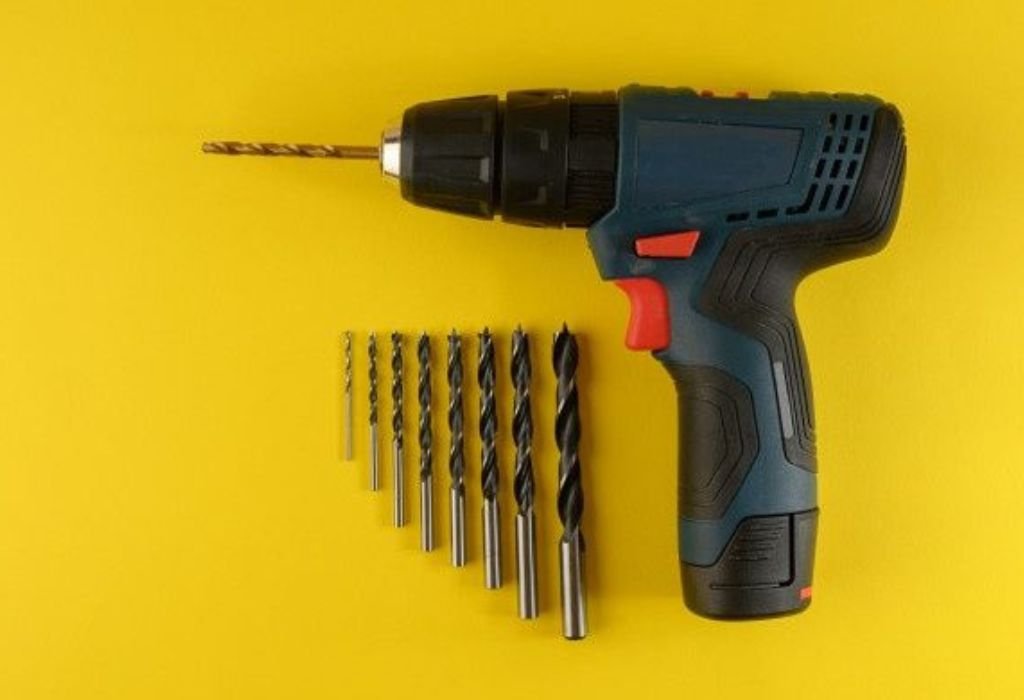
Workpiece instability is often mistaken for internal drill wobble. When the material moves during drilling, the bit appears to wobble. In reality, the drill is reacting to shifting material resistance.
Thin metal sheets flex easily under drilling pressure. As the surface bends, resistance fluctuates unevenly. This fluctuation transfers vibration into the drill.
Unclamped materials rotate slightly under cutting force. This rotation interrupts bit contact and creates vibration. The user feels this as wobble in the drill body.
Surface hardness variations also affect stability. When the bit moves between softer and harder zones, rotation becomes inconsistent. That inconsistency encourages wobbling motion.
Dirty, oily, or uneven surfaces worsen the problem. The bit skids briefly before cutting begins. That skidding creates sudden directional shifts.
Firm clamping and surface preparation stabilize drilling conditions. A stable workpiece allows the bit to cut consistently. Consistent cutting dramatically reduces wobble development.
Can unstable workpieces cause drill wobble?
Yes, shifting material creates uneven cutting resistance. This uneven resistance transfers vibration into the drill.
Do thin metal sheets increase wobble?
Yes, thin sheets flex easily under pressure. This flex creates oscillating resistance during drilling.
Does clamping reduce wobble?
Yes, clamping removes movement and rotation from the workpiece. This stabilizes cutting forces.
Can oily surfaces trigger vibration?
Yes, oil causes bit slippage at startup. That slippage increases sudden directional movement.
Do uneven materials cause inconsistent drilling motion?
Yes, alternating hardness zones cause torque fluctuations. These fluctuations amplify wobble.
Long-Term Damage Caused by Drill Wobble
Continuous wobble rapidly accelerates mechanical deterioration inside the drill. Bearings experience lateral stress that they were not designed to handle. This stress shortens their operational lifespan drastically.
Gears suffer uneven wear due to off-axis loading. Instead of sharing load evenly across teeth, one side absorbs most force. This creates premature gear rounding and slippage.
The chuck locking mechanism also degrades under wobble stress. The jaws lose precise alignment over time. This worsens wobble further in a self-reinforcing cycle.
Motor windings experience irregular magnetic resistance due to uneven shaft rotation. This increases electrical load and heat production. Excess heat weakens insulation and reduces motor life.
User safety also deteriorates as wobble increases. Tool control becomes unpredictable under vibration. This raises the chance of bit breakage and hand injury.
Long-term wobble always leads to catastrophic tool failure if ignored. The drill eventually loses torque, alignment, and safety. Early correction is the only way to prevent total breakdown.
Can prolonged wobble destroy drill bearings?
Yes, continuous lateral load damages bearing surfaces quickly. This leads to premature failure.
Does wobble damage gears?
Yes, off-axis torque wears one side of gear teeth unevenly. This weakens gear engagement.
Can wobble cause motor overheating?
Yes, irregular shaft rotation increases electrical resistance. This generates excess internal heat.
Is user safety reduced by wobble?
Yes, vibration reduces control accuracy and increases injury risk. Tool stability becomes unpredictable.
Does wobble always worsen over time?
Yes, mechanical wear compounds as wobble continues. The condition rarely stabilizes on its own.
Conclusion
Hand drill wobble is never a random issue and it is never harmless. It always originates from mechanical imbalance, worn internal parts, incorrect setup, attachment problems, or unstable drilling conditions. Every visible vibration has a hidden cause beneath the surface.
Bent drill bits, worn chucks, bearing failure, poor technique, and motor misalignment work together to create unstable rotation. Each of these factors weakens the central axis of the drill. Once that axis shifts, wobble becomes unavoidable.
Ignoring wobble leads to progressive internal destruction. Bearings fail, gears wear unevenly, motors overheat, and safety risks multiply rapidly. What begins as vibration often ends as complete tool failure.
Correct diagnosis is the real solution to wobble control. Replacing damaged bits, tightening chucks properly, stabilizing workpieces, and maintaining internal components restore balance. A stable drill always performs cleaner, safer, and longer.

I’m John F. Nicholas, the founder, lead writer, and drill enthusiast behind 101drill.com. With years of hands-on experience in power tools and DIY projects, I created this platform to share practical knowledge, expert tips, and real-world insights to help others master the art of drilling.