
A well-used hand drill often carries the marks of countless projects, from simple home repairs to heavy workshop use.
Over time, dust builds up, moving parts tighten, and performance slowly declines without obvious warning signs. Many tool failures begin long before the drill completely stops working.
Most users focus on bits and power but overlook the internal and external care that keeps the tool reliable. Regular maintenance prevents overheating, uneven rotation, and premature motor wear. It also protects the user from electrical hazards and mechanical failure.
Proper upkeep is not complicated, but it must be done consistently and correctly. Simple habits such as cleaning, inspection, and lubrication greatly reduce long-term damage. This guide explains practical hand drill maintenance tips that preserve performance, safety, and durability.
Why Regular Hand Drill Maintenance Is Important
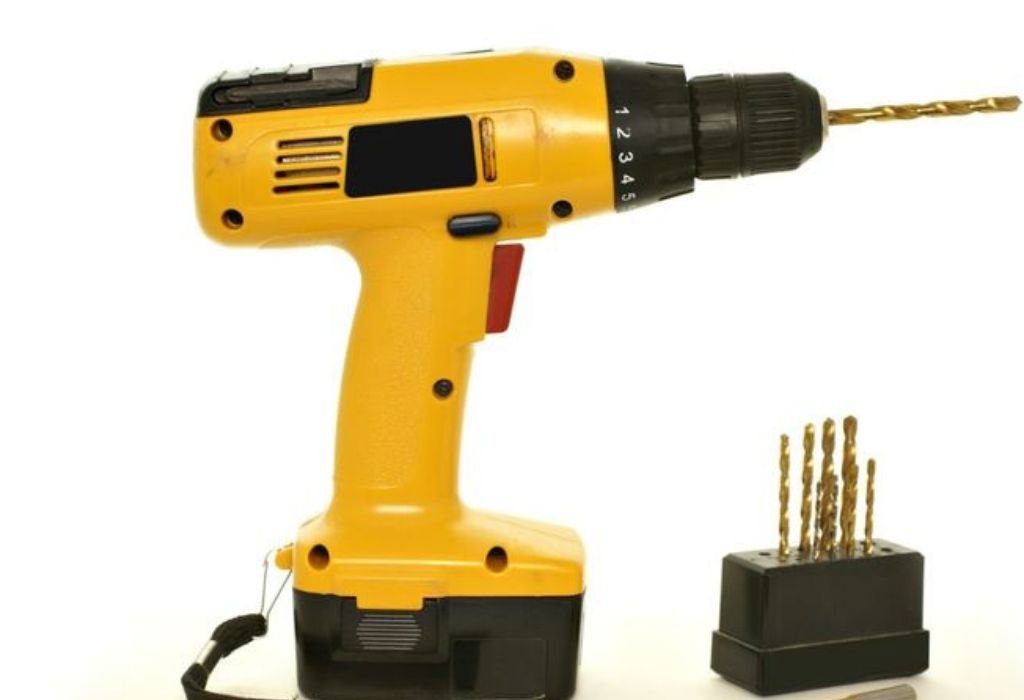
Regular maintenance preserves the mechanical accuracy of a hand drill over time. Internal components such as gears, shafts, and sealed bearings operate under constant stress during drilling. Without maintenance, friction increases and power efficiency gradually drops.
Heat buildup is one of the most damaging side effects of neglected maintenance. Dust accumulation blocks ventilation and prevents proper cooling. This leads to overheating, which weakens internal insulation and shortens motor life.
Routine care also protects the user from sudden failures. A neglected tool can seize, jerk violently, or lose speed control during operation. These malfunctions increase the risk of hand injuries and workpiece damage.
Consistent maintenance improves drilling accuracy and torque delivery. Smooth internal movement ensures that the bit rotates concentrically without wobble. This leads to cleaner holes and reduced bit breakage.
Electrical safety also depends heavily on maintenance habits. Worn insulation, loose terminals, and contaminated switches increase shock risk. Detecting these issues early prevents dangerous accidents.
Long-term cost savings are another benefit of regular maintenance. Preventing major internal wear reduces expensive repairs and early replacement. A well-maintained hand drill can remain reliable for many years of continuous use.
Cleaning External Surfaces and Ventilation Openings
External cleaning removes harmful debris that accelerates mechanical wear. Fine dust from wood, metal, and masonry settles on the casing during every job. If left unattended, this dust migrates into internal components.
Ventilation openings are especially critical to keep clean. These openings regulate airflow that cools the motor during operation. Blocked vents cause rapid temperature rise and insulation breakdown.
Compressed air is the safest method for removing loose dust buildup. Gentle airflow clears particles without pushing debris deeper into the housing. Dry brushing also works for stubborn surface dirt.
Solvents should only be used on non-electrical exterior surfaces. Excess liquid near switches and vents can enter the housing and damage internal parts. A lightly damp cloth is sufficient for most cleaning tasks.
External grip areas also require regular attention. Oil, sweat, and dust create slippery surfaces that reduce handling control. Clean grips improve both comfort and operational safety.
Regular external cleaning also allows early visual inspection. Cracks, loose screws, and damaged housings become easier to spot. Early detection prevents structural failure during heavy use.
Chuck and Drill Bit Holding System Care
The chuck is responsible for securing the drill bit during operation. Most handheld models use either a keyless system or a keyed chuck design. Both require periodic cleaning and lubrication for consistent grip strength.
Dust and fine metal shavings often accumulate inside the jaws. This buildup prevents full jaw closure and causes bit slippage under load. Slipping reduces drilling accuracy and increases wear on both the bit and chuck teeth.
Cleaning the jaws with compressed air removes most debris. For stubborn residue, a soft brush with light solvent may be used on metal jaws only. Always allow complete drying before reassembly.
Lubrication of the chuck mechanism reduces friction and jaw binding. Only light machine oil should be applied sparingly to moving metal contacts. Excess oil attracts more dust and worsens contamination over time.
Proper chuck maintenance also protects the spindle threads. When grip strength is uneven, vibration transfers into the spindle shaft. Over time, this leads to thread wear and alignment loss.
Consistent chuck care ensures secure bit retention and stable torque transmission. A properly maintained chuck reduces vibration and drilling chatter significantly. This directly improves hole quality and operational safety.
Power Cord, Plug, and Switch Inspection
The power cord is one of the most failure-prone parts of any electric hand drill. Constant bending, pulling, and twisting weaken the internal copper conductors. External insulation often cracks long before complete electrical failure occurs.
Routine inspection of the cable identifies early insulation damage. Exposed wires create shock and fire hazards. Any fraying or hardening requires immediate replacement.
The electrical plug also requires periodic inspection. Bent prongs, carbon buildup, and loose terminals reduce current flow and cause arcing. Poor contact increases heat at the outlet connection.
The trigger switch is another critical maintenance point. Dust entering the switch housing interferes with electrical contacts. This causes inconsistent speed control and delayed motor response.
Blowing compressed air through the switch area clears fine dust particles. This restores smooth electrical contact movement. Electrical contact cleaner may be used sparingly when recommended by the manufacturer.
Regular inspection of electrical components prevents sudden tool failure during operation. It also significantly reduces shock risk in damp or grounded work environments. Electrical integrity is fundamental to safe hand drill operation.
Motor Cooling System and Internal Dust Control
The motor cooling system is essential for controlling internal operating temperature. Air enters through ventilation slots and flows across the motor windings to remove excess heat. Any blockage in this airflow causes rapid temperature rise.
Dust is the primary enemy of motor cooling efficiency. Fine particles from wood, metal, and cement enter the housing during use. Over time, this buildup insulates the windings and traps heat inside.
Compressed air should be used periodically to flush out internal dust. Airflow must always be directed away from the face and electrical openings. This prevents debris from being pushed deeper into sensitive areas.
Overheating shortens the life of motor insulation. Once the insulation weakens, electrical short circuits become more likely. This often leads to sudden motor failure without warning.
Cooling performance also affects torque delivery. High internal temperatures cause power drop and uneven speed control. The drill may feel weaker under load even when fully powered.
Consistent internal dust control restores proper airflow and cooling efficiency. This protects the motor from heat stress and electrical damage. Temperature stability is one of the most important factors in long-term drill reliability.
Carbon Brush Inspection and Replacement
Carbon brushes transfer electrical energy from the power source to the rotating motor armature. These brushes gradually wear down with every hour of drill operation. If ignored, worn brushes interrupt current flow and cause power loss.
Most hand drills have brush access covers on the sides of the housing. These covers allow inspection without disassembling the entire tool. Regular inspection ensures the brushes are replaced before complete wear occurs.
When brushes become too short, they lose consistent contact with the commutator. This creates sparking, power fluctuation, and overheating. Arcing also damages the commutator surface permanently.
Replacement brushes must match the original size and material grade. Incorrect brush type changes electrical resistance and current transfer. This leads to inefficient motor performance and increased heat generation.
Brush replacement also restores smooth speed control. Trigger response becomes stable again without sudden surging. The motor runs quieter and with reduced vibration after new brushes are installed.
Ignoring worn carbon brushes eventually leads to total motor failure. Simple brush replacement prevents costly armature damage. It is one of the most affordable yet critical maintenance procedures.
Gear Lubrication and Transmission Care
The internal gear system converts high motor speed into usable drilling torque. These gears operate under heavy load during drilling. Without proper lubrication, metal-to-metal contact causes rapid wear.
Factory grease dries out gradually over time. As lubrication thins, friction levels increase inside the gearbox. This leads to excessive heat and accelerated gear tooth wear.
Disassembly is usually required for full gear lubrication service. Old grease must be removed before fresh lubricant is applied. New grease restores smooth torque transfer and noise reduction.
Only manufacturer-approved grease types should be used. Incorrect grease viscosity affects gear engagement behavior. Excessive grease also causes internal slinging and contamination.
Poorly lubricated gears produce grinding and whining noises. These sounds are early warning signs of transmission wear. Ignoring them leads to gear tooth failure and complete power loss.
Fresh lubrication restores quiet operation and stable torque output. It also extends the lifespan of load-bearing gear components. Transmission care directly controls drilling strength and smoothness.
Proper Storage Practices and Moisture Protection
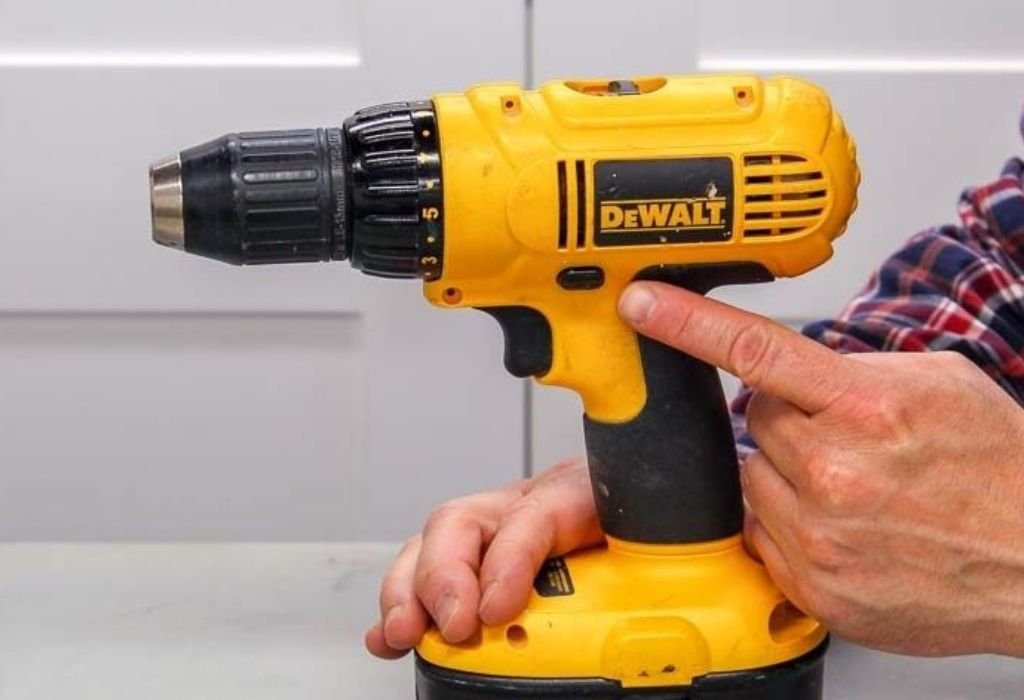
Storage conditions play a major role in long-term drill durability. Moisture exposure promotes corrosion on internal metal surfaces. Even small humidity levels cause oxidation over time.
Hand drills should always be stored in a dry environment. Toolboxes with moisture-absorbing desiccants provide added protection. Sealed cases reduce air moisture exchange.
Power cords should never be wrapped tightly around the drill for storage. Tight coiling stresses internal copper strands. Over time, this creates wire breaks inside the insulation.
Drill bits and accessories should be stored separately. Loose bits inside the case удар the housing and chuck during movement. This leads to mechanical wear and misalignment.
Cold storage also affects internal lubrication consistency. Thickened grease increases startup resistance. Allowing the tool to reach room temperature before use protects the gearbox.
Proper storage prevents rust, wiring damage, and lubrication breakdown. Environmental protection is just as important as active maintenance. Storage habits directly control service life.
Usage Habits That Extend Hand Drill Life
Gentle pressure during drilling protects both the motor and transmission. Excessive force overloads the motor and generates unnecessary heat. Proper bit sharpness reduces the need for excessive pressure.
Allowing the drill to reach full speed before contacting the workpiece reduces startup load. Sudden contact at low speed stresses the gear system. Controlled engagement protects internal components.
Pausing during long drilling sessions prevents overheating. Continuous operation without cooling cycles accelerates insulation breakdown. Heat management greatly increases motor longevity.
Using the correct speed range for the material prevents torque overload. High speed is suitable for wood and plastic. Low speed should be used for metal and large-diameter bits.
Avoid side-loading the drill during operation. Lateral pressure misaligns the chuck and spindle bearing. This causes wobble and early bearing failure.
Good usage habits reduce wear on every internal component. Mechanical longevity depends as much on technique as on maintenance. Proper handling multiplies service life.
Hand Drill Maintenance FAQs Explained
How often should a hand drill be cleaned?
External cleaning should be done after every major project. Internal dust control should be performed every few months depending on usage.
When should carbon brushes be replaced?
Carbon brushes should be replaced when they wear down to one-third of their original length. Sparks and power loss often signal brush wear.
Can I lubricate the chuck with regular oil?
Yes, light machine oil is suitable for chuck lubrication. Heavy grease should be avoided because it attracts dust.
Why does my hand drill overheat quickly?
Blocked ventilation, worn brushes, and dry gearbox grease are common causes. Dust buildup is the most frequent reason for rapid overheating.
Is it safe to use compressed air for internal cleaning?
Yes, but airflow must be directed carefully. Excess pressure can push debris deeper into the motor housing.
Should hand drills be stored in cold environments?
Cold storage thickens grease and stresses internal wiring. Dry room-temperature storage is always preferred.
What causes loud grinding noise during drilling?
Dry or worn gears inside the transmission usually cause grinding sounds. Immediate lubrication or repair is required.
Do worn bearings affect drilling accuracy?
Yes, worn bearings cause wobble and uneven rotation. This reduces precision and increases bit breakage.
Can moisture permanently damage a hand drill?
Yes, moisture causes rust on electrical and mechanical components. Corrosion leads to electrical shorts and bearing seizure.
Is preventive maintenance better than repair?
Yes, preventive maintenance costs far less than major internal repairs. It also prevents sudden job-site tool failure.
Conclusion
Hand drill maintenance is a combination of cleaning, inspection, lubrication, and proper usage habits. External care protects the casing, while internal maintenance preserves motor, brushes, and gears. Together, these practices maintain consistent performance and safety.
Neglecting maintenance leads to gradual efficiency loss and sudden mechanical failure. Most major failures begin with small issues such as dust buildup, worn brushes, or dry grease. Early intervention prevents expensive repairs and dangerous breakdowns.
Consistent maintenance transforms a basic hand drill into a long-term reliable tool. Proper care protects investment, improves performance, and ensures safer operation. A well-maintained drill always delivers stronger, smoother, and more controlled results.

I’m John F. Nicholas, the founder, lead writer, and drill enthusiast behind 101drill.com. With years of hands-on experience in power tools and DIY projects, I created this platform to share practical knowledge, expert tips, and real-world insights to help others master the art of drilling.