
It usually begins with something simple. A loose cabinet hinge, a small craft project, or a thin piece of wood that needs a single clean hole.
In moments like these, reaching for a loud, heavy power drill often feels unnecessary, and that is when the humble hand drill quietly proves its worth.
For generations, hand drills were the primary tools used by builders, woodworkers, and repair technicians. Long before electricity entered workshops, people shaped furniture, repaired homes, and built entire structures using nothing more than hand-powered tools.
Even today, with all the modern technology available, hand drills continue to serve an important purpose that power drills cannot fully replace.
The benefits of using a hand drill go far beyond nostalgia. They offer unmatched control, greater safety, silent operation, portable convenience, and low ownership cost.
This guide explains how hand drills work, why they remain valuable today, and when they are actually the better choice over modern power drills.
What a Hand Drill Is and How It Works
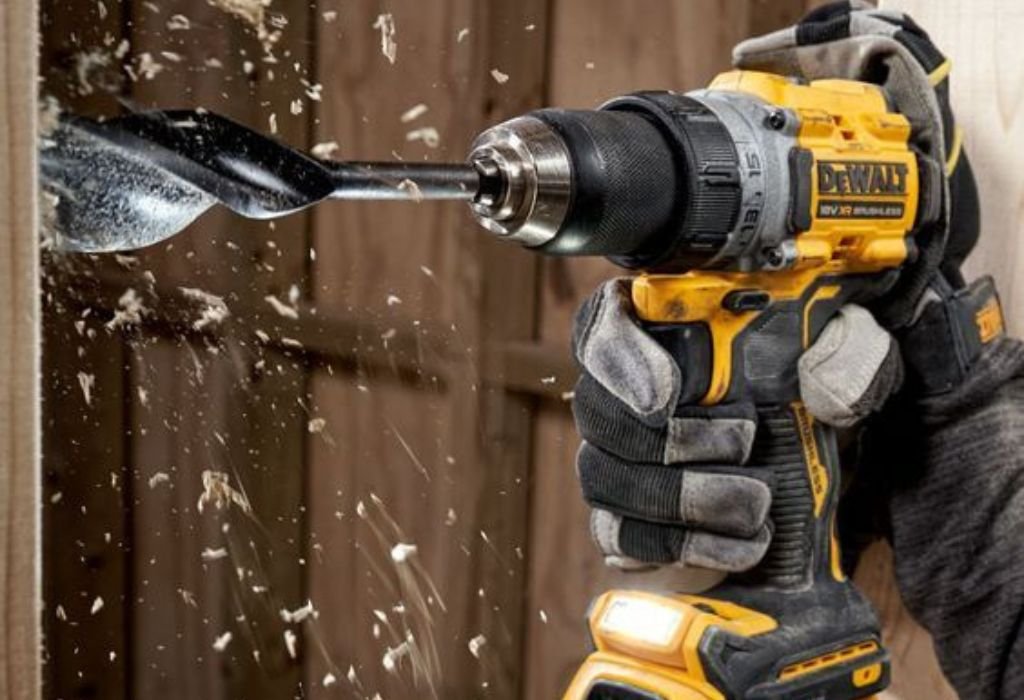
A hand drill is a manually operated tool used for drilling holes without the need for electricity or batteries. Instead of relying on a motor, the drill bit is rotated entirely by human force. This simple mechanical design is the foundation of its reliability and control.
Most traditional hand drills use a crank handle connected to a gear system. As the user turns the handle, the gears multiply the rotational speed and transmit it to the chuck that holds the drill bit. Some hand drills also use a push mechanism where downward pressure causes the bit to rotate.
The chuck functions in the same way as a power drill chuck. It tightens around the drill bit and secures it in place to prevent slipping during drilling. This allows hand drills to use many of the same standard drill bits used in power tools.
Because there is no motor involved, speed is completely controlled by hand movement. The user decides how fast or slow the bit rotates. This gives absolute authority over drilling force and prevents sudden movement that could damage material.
This mechanical simplicity makes hand drills extremely durable. With no electronic parts, wiring, or batteries, there are very few components that can fail over time. With basic care, a hand drill can last for decades.
Precision and Control in Delicate Drilling Tasks
One of the most powerful benefits of using a hand drill is precision. Since the drilling speed changes only when your hand changes movement, you can control every fraction of rotation. This level of control is extremely difficult to achieve with high-speed power drills.
Hand drills are perfect for working on delicate materials such as thin plywood, softwood, plastic sheets, acrylic, leather, and soft metals like aluminum or brass. Power drills can easily tear through these materials due to excessive torque and speed.
When drilling into fragile surfaces, bit skating is a common problem with power tools. The bit may slip across the surface before digging in, causing scratches or off-center holes. Hand drills minimize this risk because rotation starts slowly and increases only when pressure is applied gradually.
Precision drilling is especially valuable in craftwork, jewelry making, fine woodworking, model building, and restoration projects. These tasks depend on accurate hole placement and depth control rather than speed.
Hand drills also reduce the risk of splitting wood when drilling near edges. Because force is gentle and controlled, fibers are cut cleanly instead of being forced apart violently by high-speed rotation.
Is a hand drill better for fragile materials?
Yes, the slow controlled speed prevents cracking and surface damage.
Can a hand drill prevent bit slipping on smooth surfaces?
Yes, slow entry allows better grip and accurate starting.
Is a hand drill suitable for plastic and acrylic?
Yes, it reduces melting and edge chipping.
Does a hand drill allow better depth control?
Yes, depth increases gradually with full user control.
Is precision higher with a hand drill than a power drill?
For small and delicate work, yes.
Enhanced Safety Compared to Power Drills
Safety is one of the greatest advantages of using a hand drill. Since there is no electrical power source, the risks associated with electric shock, battery failure, and motor overheating are completely eliminated.
Hand drills rotate at a much slower and more controlled speed. This dramatically reduces the chance of sudden tool kickback, which is one of the most common causes of injuries with power drills. The user always maintains full control of motion.
Accidental over-penetration is also far less likely. With a power drill, the bit can plunge too deeply before the user reacts. With a hand drill, resistance is felt instantly, allowing immediate stopping once the desired depth is reached.
Loose clothing, jewelry, and long hair pose fewer dangers with hand drills. High-speed power drills can easily grab these items and cause serious injury. A hand drill’s slower movement greatly reduces that risk.
This enhanced safety makes hand drills an excellent choice for beginners, students, and even supervised children learning basic drilling skills. It allows hands-on learning with minimal danger.
Can a hand drill cause serious injuries?
The risk is very low compared to power drills.
Is kickback possible with a hand drill?
Kickback is extremely rare due to low torque.
Can children use hand drills safely under supervision?
Yes, with proper guidance and safety rules.
Does a hand drill eliminate electric shock risks?
Yes, it has no electrical components.
Is clothing entanglement a concern with hand drills?
The risk is minimal due to slow rotation.
Portability and Use Without Electricity
Another major benefit of using a hand drill is complete portability. Because it requires no power source, it can be used anywhere at any time. This makes it one of the most versatile drilling tools available.
Hand drills are ideal for outdoor work, camping repairs, roadside emergencies, and construction sites without easy access to electricity. There is no need for extension cords, battery chargers, or backup power units.
The lightweight design makes hand drills easy to carry in toolboxes, backpacks, and even small drawers. This portability is especially valuable for mobile technicians, craft artists, and hobbyists who travel with their tools.
Setup time is virtually zero. You insert the drill bit, position the tool, and begin drilling immediately. There is no waiting for battery charging or searching for power outlets.
This freedom from power dependency is one of the reasons hand drills continue to be used in survival kits, emergency tool sets, and remote work environments around the world.
Quiet Operation for Indoor and Night Work
Hand drills operate almost silently compared to power drills, which produce loud motor noise and vibration. This quiet operation becomes extremely valuable in indoor and shared living environments.
When working in apartments, dorm rooms, or shared houses, loud drilling can disturb neighbors and family members. A hand drill allows you to complete simple drilling tasks without creating noise pollution.
Late-night repairs become possible with a hand drill. Whether fixing furniture, installing small hardware, or adjusting décor, you can work without waking sleeping household members.
Quiet tools also reduce mental fatigue. Loud mechanical noise increases stress and distraction, especially during detailed work. The calm rhythm of a hand drill promotes focus and precision.
This benefit is also valuable in professional environments such as offices, hospitals, classrooms, and finished homes where noise restrictions are necessary.
Cost-Effectiveness for Beginners and DIY Users
One of the most practical benefits of using a hand drill is its affordability. Compared to power drills, which often require a significant upfront investment, a hand drill is available at a much lower price.
This makes it an excellent entry-level tool for beginners who want to learn drilling skills without committing to expensive equipment.
In addition to the low purchase price, ownership costs remain extremely low over time. There are no batteries to replace, no chargers to buy, and no electrical components that can fail unexpectedly. This makes hand drills a truly budget-friendly long-term tool.
For casual DIY users who only drill occasionally, investing in a full power drill setup may not make financial sense. A hand drill meets basic drilling needs efficiently without wasting money on features that may never be used.
Hand drills are also resistant to obsolescence. While power tools evolve rapidly with new battery technologies and motor designs, the mechanical operation of a hand drill remains relevant forever. A well-made hand drill can easily be passed down through generations.
Because of this high return on investment, hand drills are especially popular among students, renters, hobbyists, and first-time homeowners who want reliable tools without large financial commitment.
Is a hand drill cheaper than a power drill?
Yes, hand drills cost significantly less.
Does a hand drill require ongoing maintenance costs?
No, maintenance costs are very minimal.
Is a hand drill good for occasional home users?
Yes, it perfectly meets light drilling needs.
Can a hand drill last for many years?
Yes, with basic care it can last for decades.
Is a hand drill good value for students?
Yes, it offers excellent long-term affordability.
Better Feedback and Feel While Drilling
Hand drills offer a unique advantage that power drills cannot replicate. They provide direct physical feedback from the material being drilled. As you turn the handle, you can feel changes in resistance instantly through your hands.
This feedback helps you detect internal material changes such as knots in wood, density changes in metal, or soft layers beneath hard surfaces. With a power drill, these changes are often masked by motor force and high rotation speed.
Better feedback allows you to adjust pressure in real time. If resistance increases suddenly, you can immediately reduce force and avoid snapping the drill bit or damaging the material. This is especially important for brittle materials.
The tactile connection also improves drilling accuracy. You can maintain straighter alignment because you feel when the bit begins to lean or deflect off-center. This helps produce cleaner and more precise holes.
For craftsmen, restorers, and detail-focused workers, this sensory feedback is invaluable. It creates a deeper understanding of how materials respond to cutting forces, which improves overall skill and craftsmanship.
Low Maintenance and Long-Term Durability
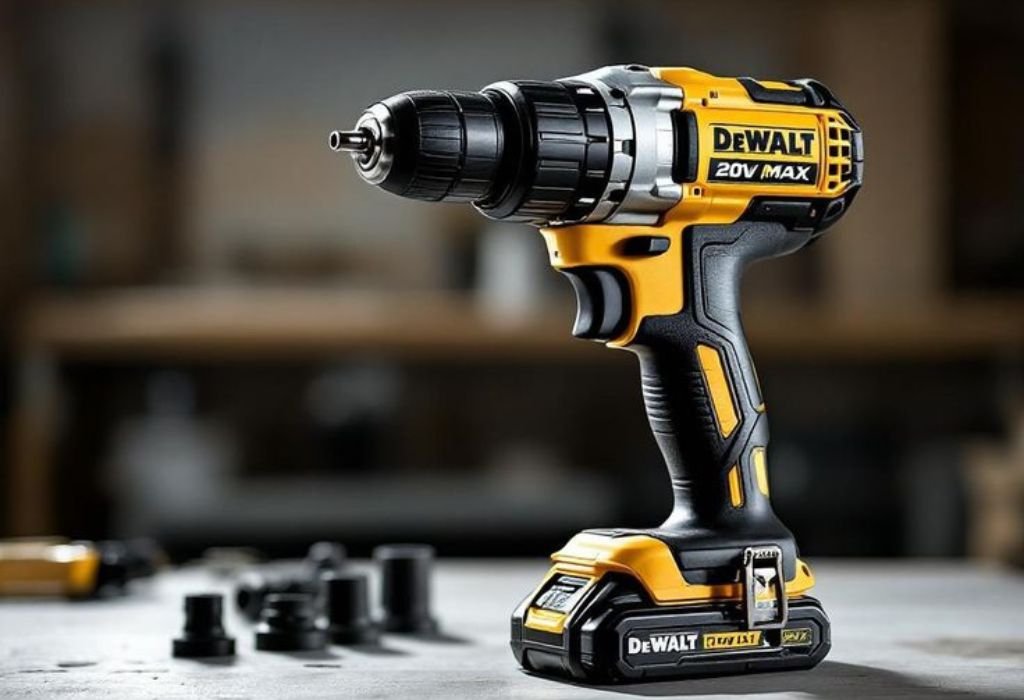
Hand drills are among the lowest-maintenance tools in any workshop. Because they rely on simple mechanical parts rather than complex electronics, there are very few components that can wear out.
Basic maintenance usually involves occasional cleaning to remove dust and debris from the gears. A small amount of light oil keeps the internal mechanisms running smoothly. This level of care is simple and inexpensive.
Unlike power drills, hand drills are not affected by battery degradation, circuit board failure, or motor overheating. These common power tool problems do not exist in hand-operated tools.
Hand drills are also more resistant to environmental damage. Dust, humidity, cold temperatures, and storage conditions that would damage electronics have little effect on a purely mechanical tool.
This durability means a hand drill can remain functional for decades. Many old hand drills from previous generations still work perfectly today, proving their exceptional long-term reliability.
Educational and Skill-Building Advantages
Hand drills are powerful educational tools because they teach fundamental drilling skills in the safest possible way. Beginners learn how drilling works through direct physical interaction rather than automated motion.
Students can observe how pressure, speed, and bit angle affect hole quality. This builds a strong foundational understanding that later improves their use of power tools.
Educational institutions often use hand drills in basic woodworking and mechanical training programs. These tools allow instructors to demonstrate drilling principles without exposing students to high-speed hazards.
Hand drills also promote patience and technique. Since progress is slower, users develop better control and precision habits instead of relying on brute force.
For children learning basic craftsmanship under supervision, hand drills provide a safe introduction to tool usage. This helps build confidence without exposing them to serious injury risks.
When a Hand Drill Is Better Than a Power Drill
Hand drills are superior to power drills in many specific scenarios. For example, when working on delicate materials that can crack, melt, or deform under high speed, hand drills offer perfect control.
They are also ideal for drilling in tight spaces where large power drills cannot fit. The compact design of many hand drills allows precise access in restricted areas.
In environments where electricity is unavailable or unsafe, hand drills become essential. Outdoor repairs, emergency roadside fixes, remote construction projects, and survival situations all benefit from hand-powered drilling.
Noise-sensitive workplaces also favor hand drills. In hospitals, offices, classrooms, and residential buildings, quiet operation is often mandatory.
Hand drills are also better for learning and training. They allow students to focus on technique and mechanical fundamentals before advancing to high-speed tools.
Is a hand drill better for drilling near edges?
Yes, it reduces the risk of material splitting.
Can a hand drill be used in places without electricity?
Yes, it works anywhere without power.
Is a hand drill good for training beginners?
Yes, it teaches proper drilling control safely.
Can a hand drill work in very tight spaces?
Yes, its compact size allows tight access.
Is a hand drill better for quiet indoor work?
Yes, it operates almost silently.
Conclusion
The benefits of using a hand drill extend far beyond simple tradition. Hand drills offer exceptional precision, unmatched safety, quiet operation, complete portability, and extremely low maintenance requirements.
They allow users to work slowly and accurately while maintaining full control over drilling force and direction.
Their affordability makes them accessible to beginners and DIY users, while their durability ensures reliable performance for decades. The direct feedback they provide helps improve craftsmanship and material awareness in a way that power tools cannot replicate.
While power drills dominate large-scale and high-speed construction work, hand drills remain essential for delicate tasks, educational use, emergency repairs, and precision-driven projects. They continue to serve as one of the most practical and reliable tools in any toolbox.
Choosing a hand drill is not about rejecting modern technology. It is about selecting the right tool for situations where control, safety, and accuracy matter more than speed. In those moments, the hand drill remains unmatched.

I’m John F. Nicholas, the founder, lead writer, and drill enthusiast behind 101drill.com. With years of hands-on experience in power tools and DIY projects, I created this platform to share practical knowledge, expert tips, and real-world insights to help others master the art of drilling.