
Many people wonder if they can use a drill to cut metal when they do not have specialized cutting tools. A drill is familiar, easy to use and often already available at home. This makes it tempting to use the drill for tasks normally done by saws or grinders.
However cutting metal with a drill requires specific bits, controlled speed and precise technique. Using the wrong method can break bits, overheat the metal or cause unsafe splintering. This can lead to poor results and possible injury.
Cutting metal using a drill is possible in several ways depending on thickness and hardness. Each method requires different attachments such as step bits, hole saws or rotary cutting wheels. Choosing the right tool makes the job easier and cleaner.
This article explains how to cut metal with a drill safely and effectively. You will learn which drill bits work best, how to control speed, and how to avoid common mistakes that damage metal or tools.
Can You Cut Metal With A Drill
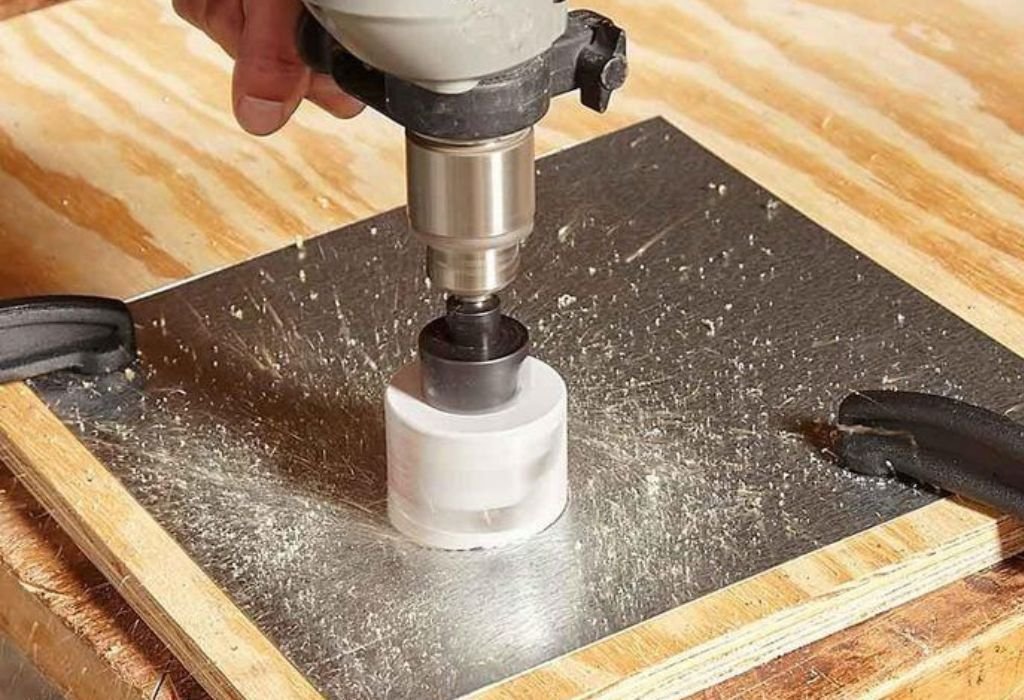
Yes you can cut metal with a drill using the correct attachments. A drill alone cannot slice metal like a saw, but special cutting bits make controlled cuts possible. These include step bits, rotary burrs and cutting wheels.
The type of drill matters. A corded drill provides consistent power for metal cutting. Cordless drills can work but must be used carefully to avoid overheating.
Metal must be clamped tightly before cutting. Movement during cutting causes rough edges and loss of control. Proper clamping ensures smooth and safe results.
Lubrication helps reduce heat and friction. Cutting oil prevents bit burn out and improves efficiency. Without lubrication the bit becomes dull quickly.
Drill speed must be kept low. High speed causes overheating and poor cutting. Controlled RPM creates clean cuts.
While a drill can cut metal, precision may be limited. For complex shapes or heavy metal a saw or grinder is better. For small cuts and holes a drill works well.
Understanding limitations ensures safe cutting. Correct technique produces accurate results.
How To Cut Metal Using A Hole Saw Bit
Hole saw bits are ideal for cutting large circular holes in metal. These bits have teeth around the edge and attach to a drill. They remove a circular section of metal cleanly.
The hole saw must match the metal thickness. Bi metal hole saws work well for steel and aluminum. Cheaper hole saws may burn out quickly.
Start by marking the drilling point. Use a center punch to prevent the bit from slipping. This ensures accuracy when starting the cut.
Clamp the metal securely. Movement causes uneven cutting and safety hazards. A stable surface is essential for clean results.
Apply cutting oil around the marked area. This reduces heat and helps the teeth cut smoothly. Oil also increases bit lifespan.
Use slow drill speed while applying steady pressure. Too much force breaks the teeth. Let the saw do most of the work.
Pause occasionally to cool the bit. Metal cutting generates high heat. Cooling prevents burning and warping.
Hole saw bits create clean circles when used correctly. They are perfect for pipes, boxes and structural metal.
Can hole saws cut thick steel?
Yes but only bi metal or carbide hole saws. Thick steel requires slow speed. Lubrication is essential.
Do hole saws get stuck in metal?
They can if used at high speed. Cutting oil prevents this. Clamping helps reduce binding.
Do I need a pilot bit for hole saws?
Yes because the pilot bit guides the saw. It keeps the hole centered. This prevents wobbling.
Will a hole saw damage thin sheet metal?
It can if pressure is too high. Use gentle pressure. Support the metal underneath.
Can I use a cordless drill for a hole saw?
Yes but high torque is needed. Corded drills perform better. Slow speed is required.
How To Cut Metal Using A Step Bit
A step bit is excellent for cutting and enlarging holes in thin metal. The cone shaped design allows multiple hole sizes. Each step increases diameter.
Step bits work well for electrical boxes, sheet metal and automotive panels. They create smooth edges with minimal burrs. They also drill quickly.
Start by marking the drilling location. A center punch prevents slipping. Accurate marking improves control.
Use slow drill speed. High speed overheats the bit and metal. Slow speed creates cleaner cuts.
Apply cutting oil. Oil reduces friction and makes drilling easier. It also extends the life of the step bit.
Press gently and allow the bit to cut naturally. Excess pressure damages the bit. Controlled pressure keeps the hole smooth.
Step bits are for thin metal only. Thick steel requires stronger bits. Overusing step bits on thick metal causes blunt edges.
Step bits are versatile and fast. They are ideal for multiple hole sizes in a single pass. They are perfect for DIY metal projects.
How To Cut Metal Using Rotary Burrs
Rotary burrs are small metal cutting tools used for shaping and trimming. They attach to a drill and grind away metal slowly. They are ideal for small cuts and detailed work.
Choose carbide burrs for metal. They cut through steel easily. High speed steel burrs wear out quickly.
Clamp the metal securely before cutting. Burrs require stability to cut accurately. Loose metal creates rough edges.
Use medium drill speed. Too high speed causes overheating. Too low speed slows cutting.
Apply light pressure while grinding. Burrs remove small amounts of metal at a time. Excess force breaks the burr.
Lubrication is useful but not always required. Burrs generate less heat than hole saws. Occasional pauses help cool the tool.
Rotary burrs work well for finishing edges. They clean cuts after drilling. They also shape metal for custom work.
These tools offer excellent control. They are perfect for small shaping tasks. They help refine metal surfaces.
Can rotary burrs cut thick steel?
Yes but only small amounts at a time. They are for shaping not deep cutting. Slow grinding is required.
Do burrs break easily?
They break if too much pressure is applied. Use gentle force. Let the burr grind naturally.
Can a drill replace a rotary tool?
Yes for basic burr work. But a rotary tool gives better precision. A drill is good for rough shaping.
Should I use oil with burrs?
Oil helps reduce heat. It is not always necessary. Use it for longer cutting sessions.
Can burrs create holes in metal?
Not efficiently. They are for shaping edges. Use drill bits for holes.
How To Use Cutting Wheels With A Drill
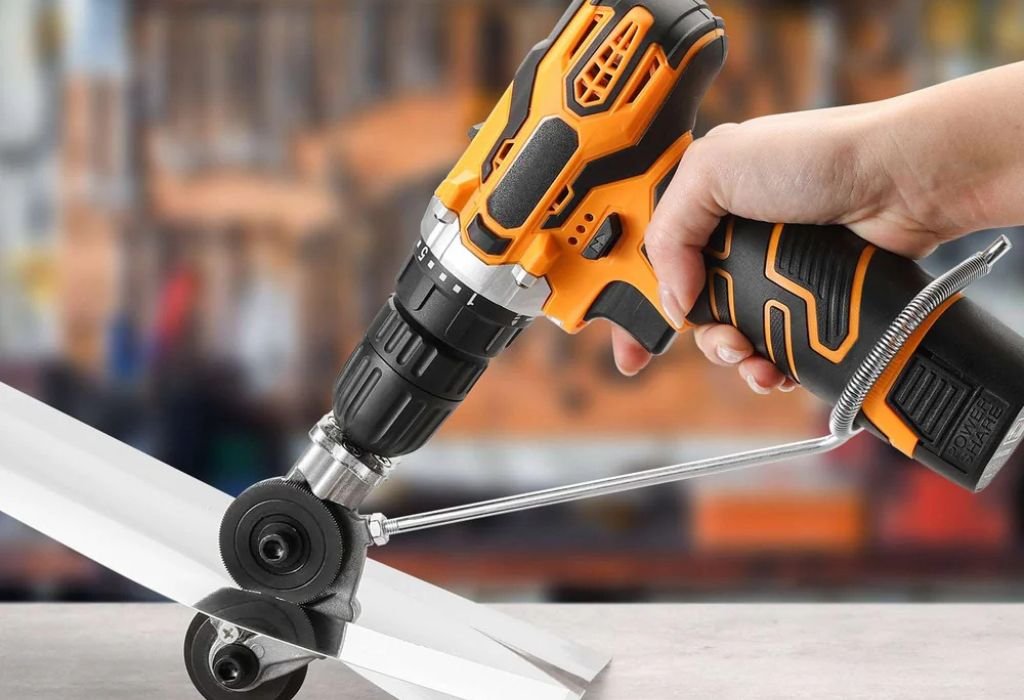
Some drills accept rotary cutting wheels using special adapters. These wheels slice through thin metal quickly. They work similarly to angle grinder discs but with less power.
Choose a reinforced metal cutting wheel. Standard wheels are too weak. Reinforced wheels resist shattering.
Clamp the metal tightly. Cutting wheels can jerk if metal moves. A secure setup improves control.
Wear full safety protection. Cutting wheels throw sparks and fragments. Eye and hand protection are essential.
Use medium speed for cutting. Too high speed wears out the wheel. Medium speed gives better control.
Move the wheel gently along the cutting line. Do not force it. Cutting wheels remove small layers of metal at a time.
Let the tool cool after long cuts. Heat buildup weakens the wheel. Cooling prevents cracking.
Cutting wheels allow straight cuts. They are effective for sheet metal. They offer precise cutting with practice.
Most Common Mistakes When Cutting Metal With A Drill
Using high speed burns the bit. Metal requires slow drilling. Heat is the enemy of clean cuts.
Failing to use lubrication damages tools. Oil makes cutting smoother. Dry cutting reduces lifespan.
Applying too much pressure breaks bits. Metal cutting requires patience. Gentle control works better.
Not clamping the metal creates dangerous movement. Moving metal ruins accuracy. It also increases injury risk.
Using the wrong bit leads to poor results. Wood bits cannot cut metal. Only metal rated bits should be used.
Skipping a center punch causes bit wandering. The drill slips across metal surfaces. A punch solves this easily.
Ignoring bit maintenance reduces cutting performance. Dull bits cause friction. Sharpening or replacing bits is essential.
Avoiding these mistakes ensures clean cuts. It also increases safety and tool life.
Conclusion
Cutting metal with a drill is possible when the right tools and techniques are used. Hole saws, step bits, rotary burrs and cutting wheels each work for specific types of cuts. Slow speed, lubrication and secure clamping are essential for clean and safe results.
Drills are not ideal for heavy metal cutting, but they work well for small projects. Choosing the correct bit prevents overheating, breakage and metal damage. Controlled pressure and proper alignment are key to successful cutting.
Understanding the limitations of drills helps avoid mistakes. When used properly a drill becomes a versatile tool for many metal cutting tasks. With the right preparation and tools you can cut metal safely and efficiently.

I’m John F. Nicholas, the founder, lead writer, and drill enthusiast behind 101drill.com. With years of hands-on experience in power tools and DIY projects, I created this platform to share practical knowledge, expert tips, and real-world insights to help others master the art of drilling.