
Many homeowners set up a metal gazebo on a patio or concrete slab and feel uncertain about how to secure it without drilling holes.
They imagine a strong wind lifting the structure or shifting it enough to cause damage, especially when the weather turns unpredictable. This concern makes them look for strong and reliable no drill alternatives.
The confusion usually begins when people realize that drilling into concrete requires heavy duty tools that many do not own.
Others worry about damaging the surface, weakening the concrete, or creating holes that reduce the cosmetic appeal of their patio. These worries make no drill methods more appealing and practical.
Some people also live in rented homes where drilling into concrete is not allowed. Tenants must find ways to secure outdoor structures without altering the property. This leads many to search for weight based or adhesive based solutions.
Even homeowners who can drill sometimes prefer not to. They fear cracking the slab or drilling too deep, especially if they lack experience with masonry tools. Choosing a no drill solution helps them avoid these risks entirely.
Understanding how to stabilize a metal gazebo without drilling requires a combination of weight, friction, and strategic anchoring.
Each method works differently and suits specific types of gazebos and concrete surfaces. Learning about these options makes your installation easier and more secure.
This guide covers the best ways to anchor a metal gazebo to concrete without drilling. You will learn the strengths of each method and how to apply them safely for long lasting stability.
With this information, your gazebo can withstand winds and stay firmly in place without damaging the concrete surface.
Why People Avoid Drilling Into Concrete for Gazebo Installation
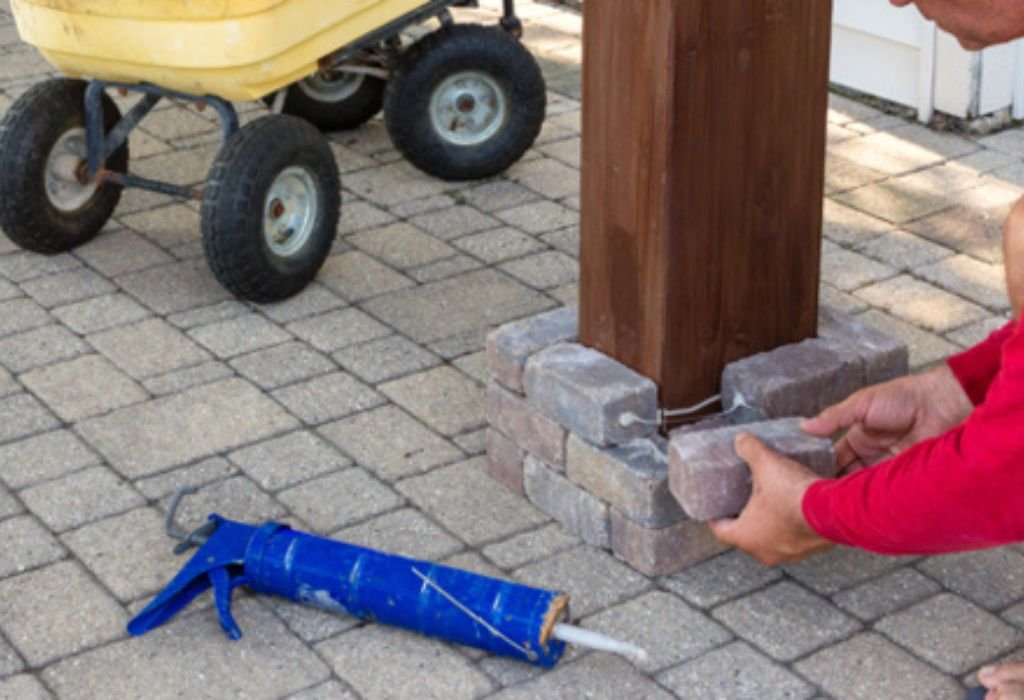
Many people avoid drilling into concrete because it requires specialized tools that not everyone is comfortable using. Hammer drills and masonry bits can be intimidating for beginners. Improper technique can easily damage the slab.
Concrete is a hard and unpredictable material. Drilling into it can cause cracks or chips that weaken the surrounding area. These blemishes are often permanent and difficult to repair.
Some homeowners find that drilling into concrete generates dust that spreads across the patio. This dust can stain nearby surfaces or become airborne. Cleaning it requires time and effort.
Rental property restrictions often prohibit drilling holes in concrete patios. Landlords want to protect the structural integrity of the property. Tenants must use non permanent methods.
People also hesitate to drill because it prevents easy relocation of the gazebo. Once holes are drilled, the setup becomes permanent. No drill options allow flexibility.
Aesthetic concerns also influence the decision. Visible holes on the patio reduce the clean appearance of the outdoor area. No drill methods preserve the original look.
Can You Secure a Metal Gazebo to Concrete Without Drilling
You can absolutely secure a metal gazebo to concrete without drilling by using weight based, adhesive based, or strap based systems. These methods provide strong stability when applied correctly. Many homeowners use them successfully.
Weighted methods rely on distributing mass around the legs of the gazebo. This prevents movement during high winds. It also reduces stress on the frame.
Adhesive based solutions use strong bonding materials that attach to the concrete surface. These adhesives are designed to withstand outdoor conditions. They create a firm hold without penetrating the surface.
Strap systems anchor the gazebo to stable structures nearby. These structures help counter wind pressure. Straps allow easy installation and removal.
Each method works best in specific scenarios. Choosing the right approach depends on your environment, wind exposure, and gazebo design. Understanding these factors helps you choose the perfect solution.
When done correctly, no drill anchoring is reliable and durable. You can enjoy your outdoor setup without worrying about stability. This provides peace of mind during unpredictable weather.
Using Weight Bags to Anchor a Metal Gazebo
Weight bags are among the easiest and most popular methods for securing a gazebo without drilling. They attach directly to the legs of the structure. Their heavy weight keeps the gazebo stable during windy conditions.
You can fill weight bags with sand, gravel, or small stones. These materials are dense and provide excellent stability. Sand is often the most convenient option.
Weight bags are designed to wrap around each leg of the gazebo. This design distributes weight evenly. The structure becomes difficult to lift or shift.
These bags are weather resistant and suitable for outdoor use. They hold up well against rain and changing temperatures. This durability ensures long lasting performance.
Installing weight bags takes only a few minutes. No tools are required, making the method ideal for beginners. The ease of installation adds to their popularity.
The amount of weight you need depends on local wind conditions. Areas prone to strong gusts may require larger or additional bags. Using enough weight ensures safety.
Using Heavy Planters to Support Gazebo Legs
Large planters filled with soil or gravel create strong natural weights. They combine function with visual appeal. Many homeowners prefer this method because it enhances the patio layout.
Place one large planter at each gazebo leg. The leg can pass through a hole or rest next to the planter. Either approach provides stability.
Planters should be made from heavy duty materials like ceramic or concrete. Lightweight plastic pots are not suitable for anchoring purposes. They lack the necessary mass.
Filling planters with soil allows the addition of decorative plants. This makes the gazebo area more attractive. The plants also add extra weight.
Gravel or stones add significant density. They prevent the planters from shifting during storms. You can adjust the weight as needed.
Planter anchoring works best when the gazebo legs fit securely against the pots. Tight placement reduces wobbling. This increases overall stability.
Anchoring With Concrete Blocks or Bricks
Concrete blocks provide excellent stability for a gazebo without drilling. They weigh enough to withstand strong winds. Their solid construction makes them durable and reliable.
Place blocks on top of or beside each gazebo leg. Some blocks have openings that allow you to thread straps through. This improves security.
You can stack blocks to increase weight. Taller stacks add greater resistance against wind pressure. Always balance the blocks to avoid tipping.
Bricks are smaller but still effective when used in larger quantities. Their modular shape makes them easy to arrange. You can customize the weight as needed.
Concrete blocks resist outdoor weather conditions. They do not degrade easily even with long term exposure. This makes them ideal for anchoring.
Cover blocks with decorative wraps if appearance matters. Some homeowners use wooden boxes to hide them. This creates a more natural outdoor aesthetic.
Using Adhesive Anchoring Plates on Concrete
Adhesive anchoring plates use industrial strength bonding glue to secure metal plates to concrete. These plates act as mounting points for the gazebo legs. The adhesive forms a strong hold without drilling.
These adhesives are weatherproof and designed for outdoor construction. They resist moisture and temperature changes. This ensures a stable bond.
Clean the concrete surface thoroughly before applying the adhesive. Dust or debris weakens the bond. A clean surface improves performance.
Place the metal plates onto the concrete and apply pressure. Allow the adhesive to cure for several hours. Full strength develops after complete curing.
Attach the gazebo legs to the plates using straps or brackets. This creates a strong and stable connection. The gazebo becomes firmly anchored.
Adhesive plates are ideal when you want a semi permanent installation without drilling holes. They provide similar stability to anchored bolts. Proper installation guarantees safety.
Using Sandbags for No Drill Gazebo Anchoring
Sandbags offer a simple and effective way to anchor a gazebo without drilling. They can be purchased pre filled or empty. You can place them directly against the gazebo legs.
Sandbags conform to the shape of the legs, creating a snug fit. This prevents shifting during wind. Their weight helps hold the structure down.
Outdoor rated sandbags resist UV exposure and moisture. This makes them suitable for long term use. Their durability ensures consistent performance.
You can easily increase weight by stacking additional bags. This flexibility allows customization for windy areas. Adjusting weight ensures stability.
Sandbags require minimal maintenance. They only need occasional repositioning. Their reliability makes them a popular choice.
For best results, use sandbags with protective covers. These covers prevent tearing. They also improve appearance.
Using Gazebo Leg Weights Made for Portable Shelters
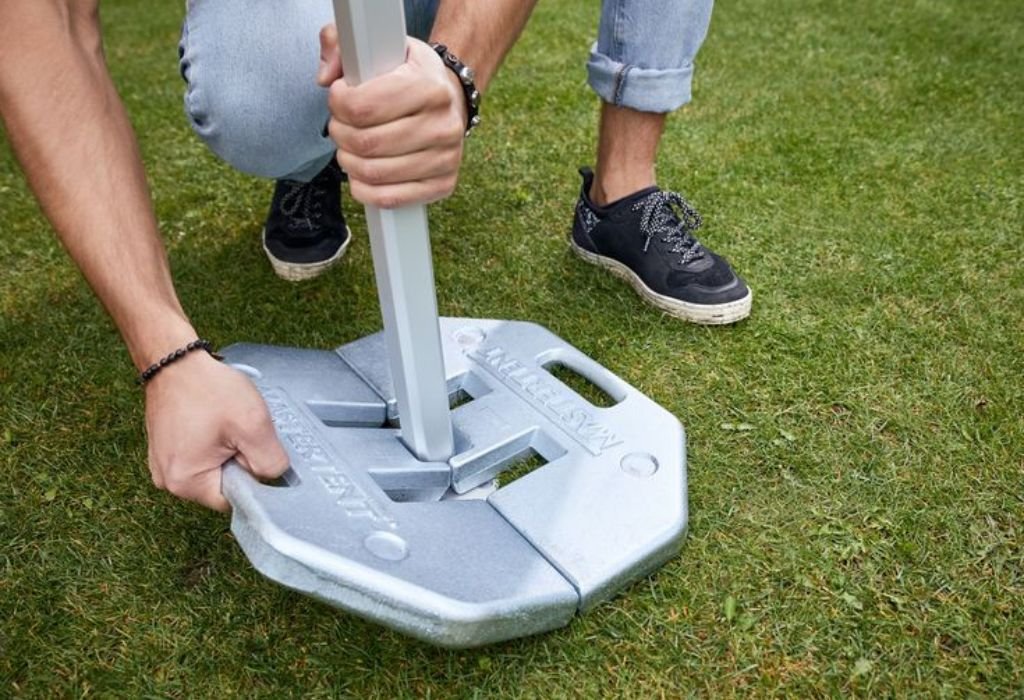
Leg weights specifically designed for metal structures offer excellent stability. They attach directly to the legs and lock into place. Their simple design makes them user friendly.
These weights are typically made from heavy plastic filled with water or sand. They are durable and weather resistant. Their versatility suits many outdoor setups.
The locking mechanism ensures the weights cannot slide off during windy conditions. This improves overall safety. The structure remains firmly grounded.
Some leg weights have interlocking systems. These allow you to add more weight as needed. This flexibility suits high wind zones.
Their compact size makes them easy to store when not in use. They do not require large storage space. This convenience adds to their value.
You can install these weights in minutes without any tools. Their simplicity makes them a top choice for no drill gazebo anchoring. They offer a strong combination of convenience and reliability.
Using Tie Down Straps to Secure the Gazebo
Tie down straps provide another effective way to stabilize a metal gazebo without drilling. These straps connect the gazebo to nearby fixed structures. Trees, railings, or permanent posts make excellent anchor points.
Choose heavy duty outdoor straps rated for tension. These straps resist UV rays and moisture. Their strength ensures long term durability.
Attach one end of the strap to the gazebo frame. Secure the other end to a stable object. Tighten the straps gradually for balanced tension.
Some gazebos have built in loops for tie downs. These loops make the process easier. They ensure a strong connection point.
Straps distribute pressure evenly across the frame. This prevents excessive stress on any single point. Balanced pressure increases structural stability.
Always check strap condition regularly. Sun exposure can weaken materials over time. Replacing worn straps maintains safety.
Important Things to Know About Gazebo Stability
Do no drill methods hold up during strong winds?
Some methods work well in moderate winds, but very strong winds may require extra weight. Combining methods increases stability. Always consider local weather patterns.
How much weight is needed for anchoring a gazebo?
Weight requirements vary by gazebo size and wind exposure. Most setups need at least 40 to 60 pounds per leg. Windy areas may require more.
Are adhesive plate anchors strong enough for outdoor use?
Yes, construction grade adhesives are designed for heavy loads. They work well when the surface is prepared correctly. Full curing time is essential.
Do sandbags last long outdoors?
High quality sandbags with protective covers last many months. Sun exposure may reduce lifespan. Replacing covers helps extend durability.
Can concrete blocks damage the gazebo legs?
Blocks do not damage legs when placed properly. Using padding prevents scratches. Secure placement ensures safety.
Can planters provide enough stability?
Large planters filled with soil or gravel provide excellent stability. Heavier materials increase security. Decorative plants add additional weight.
Are water filled leg weights effective?
Water filled weights are effective for light to moderate wind conditions. Sand provides stronger stability. Choose based on your environment.
Can straps replace other anchoring methods entirely?
Straps are best used with additional weighting methods. They add support but do not replace heavy anchor systems. Combined methods work best.
Do adhesive anchors leave marks on concrete?
Most adhesives leave minimal residue. Cleaning solvents can remove remaining traces. They preserve the concrete surface better than drilling.
Can a gazebo be anchored without touching the concrete?
Yes, using tie downs connected to nearby structures avoids direct contact. Proper strap placement ensures stability. This method is ideal in some settings.
Conclusion
Anchoring a metal gazebo to concrete without drilling is completely possible when you use the correct combination of weight, adhesives, and strap based securing methods.
Each method offers unique benefits depending on your setup, location, and the type of gazebo you own. Most homeowners find that simple weight systems provide sufficient stability for everyday conditions.
Weight bags, sandbags, planters, and concrete blocks deliver strong physical support without damaging the concrete surface.
These methods allow quick installation and easy removal whenever needed. They are especially useful for renters or people concerned about leaving holes in the patio.
Adhesive anchors and specially designed leg weights provide more advanced stability and stay effective during heavy use. These solutions create semi permanent anchoring points without drilling any holes. When applied properly, they hold up well over time.
Tie down straps offer extra support when attached to solid nearby structures. Combining straps with weighted methods produces the best wind resistance. The total system becomes stable enough to withstand unpredictable weather.
With these options, you can secure your gazebo confidently without altering the concrete slab. Choosing the right method based on your environment ensures long lasting stability and safety. Your outdoor space becomes comfortable, attractive, and secure throughout the seasons.

I’m John F. Nicholas, the founder, lead writer, and drill enthusiast behind 101drill.com. With years of hands-on experience in power tools and DIY projects, I created this platform to share practical knowledge, expert tips, and real-world insights to help others master the art of drilling.