
Anyone who starts working with tools eventually reaches a point where the project requires drilling. It seems simple at first. You pick a drill bit, attach it to the drill and make a hole. But the moment someone tries using the wrong bit on the wrong material, problems appear. The drill bit heats up, smokes, slips or even becomes completely dull after a single attempt. Many people wonder whether wood and metal drill bits are the same because they sometimes look similar in color or shape.
The confusion grows because drill bit sets sold in hardware stores often mix both types together in one box. A person drilling wood may accidentally grab a metal bit and still get a hole. Another person drilling metal may mistakenly choose a wood bit and experience burning or chattering. These mixed results lead to uncertainty and hesitation.
Most beginners think drill bits are universal. They assume the drill controls everything and the bit simply cuts through whatever surface is in front of it. But the truth becomes clear when drilling different materials. Wood behaves soft and fibrous. Metal behaves dense, smooth and resistant. These differences require specially designed cutting edges, tip angles and flute patterns.
Understanding whether wood and metal drill bits are the same is important for anyone who builds furniture, repairs appliances, works on vehicles or does home improvement. Choosing the right bit protects the drill, improves accuracy, extends tool lifespan and prevents safety issues. This detailed guide explains everything clearly so you can drill confidently without damaging your tools or your work surface.
Are Wood And Metal Drill Bits The Same
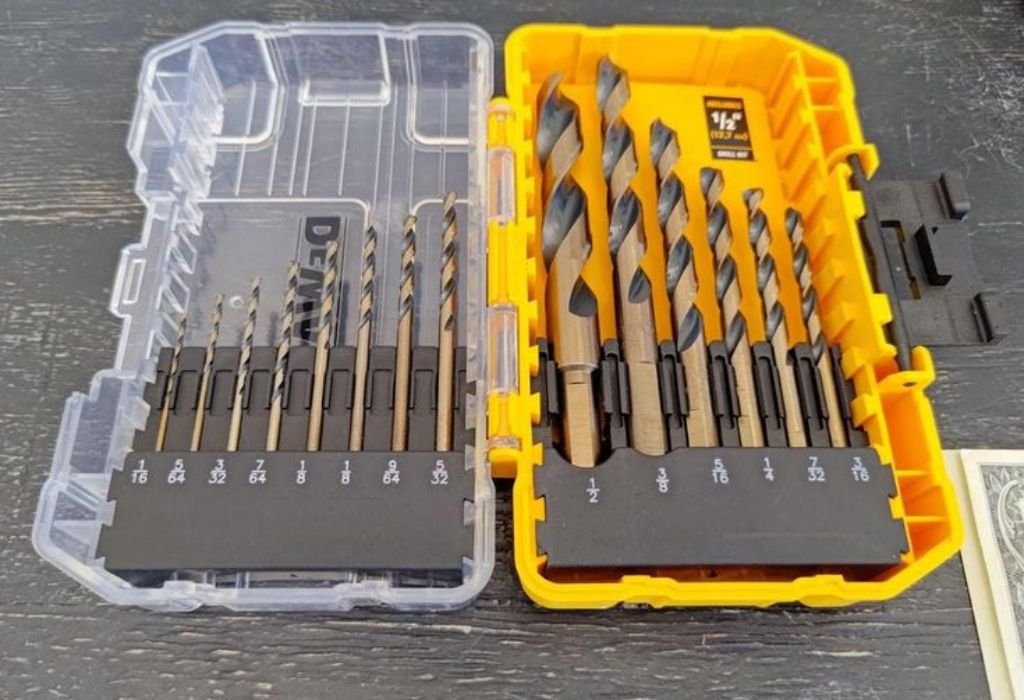
Wood and metal drill bits are not the same. They are designed differently because each material requires a different cutting approach. Wood drill bits are made with sharp pointed tips that pierce into soft surfaces easily, while metal drill bits are made with tougher cutting edges that grind through hard surfaces. Using the wrong bit can damage the bit, spoil the material or create unsafe drilling conditions.
Wood bits are optimized to remove large chips quickly and prevent burning, while metal bits are optimized to cut slowly and smoothly with controlled friction. This difference alone shows why they cannot be treated as interchangeable tools. The structure, purpose and cutting performance vary from one type to the other, making each bit suitable for its specific material.
How Wood Drill Bits Are Designed
Wood drill bits are created specifically for soft materials. Their design helps them start holes cleanly, cut smoothly and remove chips without clogging. The tip of a wood bit is usually pointed, allowing the bit to stay centered and prevent wandering. This center point gives cleaner entry holes and better control.
The flutes on wood bits are wider because wood produces larger shavings compared to metal. Wider flutes let these shavings escape quickly, reducing heat and preventing jammed holes. Most wood bits are made from high carbon steel, which stays sharp enough for wood but is not strong enough for dense metals. Some wood bits also include spurs or cutting wings that slice the edges of the hole before the main tip bores deeper, creating smooth, tear free holes.
Flat wood bits, spade bits and auger bits are further examples of how wood drilling tools prioritize speed and chip removal. All these features show that wood bits are specially engineered to handle fibrous materials, not hard metals.
How Metal Drill Bits Are Designed
Metal drill bits must handle tougher surfaces that create far more friction than wood. Because of this, metal bits are made from stronger materials like high speed steel, titanium coated steel or cobalt steel. These materials maintain sharpness even under high heat.
The tip of a metal bit is angled rather than pointed. The most common angle is 118 degrees or 135 degrees depending on the hardness of the metal. This angle helps the bit grind its way through dense surfaces without catching or chipping. The cutting edges on metal bits are sharper and harder so they can deal with steel, aluminum, brass and other metals.
The flutes on metal bits are narrower because metal produces fine chips rather than large shavings. Narrow flutes control heat buildup and allow smooth removal of small metal particles. Metal bits also require lubrication to stay cool, something wood bits do not rely on.
Everything about a metal bit, from material to cutting angles, is created for durability and heat resistance. This makes them essential for drilling anything harder than wood.
Can You Use Metal Drill Bits For Wood
Metal drill bits can be used on wood when necessary, but the results are not always perfect. A metal bit will cut through wood because metal bits are sharper and harder than what wood requires. However, the entry hole may be slightly rough, and the bit may wander because it lacks the pointed tip found on wood bits.
Metal bits also remove wood slower because their flutes are narrower. Wood shavings may clog the bit, causing more heat and less efficiency. Even though it works, it is not ideal for clean woodworking. For rough holes or temporary work, metal bits are acceptable. But for furniture, cabinetry or visible surfaces, wood bits always create cleaner results.
Can You Use Wood Drill Bits For Metal
Wood drill bits should never be used for metal. The material is too hard for the cutting edges of a wood bit. As soon as the bit touches metal, friction increases rapidly. The bit becomes hot, begins burning and loses its sharp edge almost immediately.
The pointed tip of a wood bit is not designed to grind through dense material. Instead, it catches and slides on the metal surface, creating sparks or noise. In many cases the bit becomes dull after one attempt, turning it into a useless tool.
Using wood bits on metal can also be dangerous. The bit may break under pressure or cause the drill to slip unexpectedly. This is why professionals always choose proper metal bits for drilling any type of metal surface.
Differences In Tip Shape Between Wood And Metal Drill Bits
The most visible difference between the two types of bits is the tip. Wood bits typically have a clear center point, which helps them stay aligned and cut cleanly. This pointed design allows the bit to start drilling immediately without slipping.
Metal bits have a completely different tip, usually a smooth angled surface. This angle allows the bit to grind into the metal steadily. It also distributes heat evenly and prevents cracking under pressure.
These tip differences make each bit suited to its purpose. A center point helps on soft surfaces. A cutting angle helps on hard surfaces. Mixing them results in poor performance.
Differences In Material And Strength
Wood bits are often made from high carbon steel, which is cost effective and suitable for soft materials. Metal bits are made from stronger materials like high speed steel, cobalt steel and titanium coatings. These materials withstand the intense heat that metal drilling produces.
This difference in composition explains why wood bits fail quickly on metal and why metal bits survive demanding tasks. A wood bit softens under high heat, while a metal bit maintains its hardness long enough to complete the job. Tougher materials always perform better when drilling hard surfaces.
Differences In Flute Design
Wood produces large chips that need to be removed quickly. That is why wood bits have wider flutes. The open design prevents clogging and overheating.
Metal produces small fine chips. Metal bits have narrow flutes, which provide control and reduce heat buildup. These narrow flutes allow the bit to maintain stability when cutting through dense material.
Trying to use a wood bit on metal results in burning because the wide flute design cannot handle the tiny metal chips efficiently. Using a metal bit on wood works, but the flutes may clog with large shavings. Both designs reflect the needs of their intended materials.
Do Wood And Metal Drill Bits Require Different Speeds
Yes, drilling speed varies between wood and metal. Wood can be drilled at higher speeds because it does not generate excessive heat. A fast spinning bit easily removes wood fibers and creates clean holes.
Metal must be drilled at slow speeds. High speed drilling on metal produces too much heat, which softens the bit and damages the material. Slow and steady drilling with lubrication ensures the bit stays cool and cuts properly.
This difference shows why the same bit cannot be used effectively across both materials without adjusting technique.
Do Wood And Metal Drill Bits Need Lubrication
Wood drill bits do not require lubrication because wood does not create extreme heat. However, metal drill bits must be used with lubrication, especially on steel and other hard metals. Cutting oil prevents heat buildup and allows the bit to cut smoothly.
Using a wood bit without lubrication on metal results in immediate heat damage. Using a metal bit dry on soft wood is fine, but adding lubrication is unnecessary. Each material behaves differently, so lubrication needs vary.
Which Drill Bit Should You Choose For Wood And Metal Projects
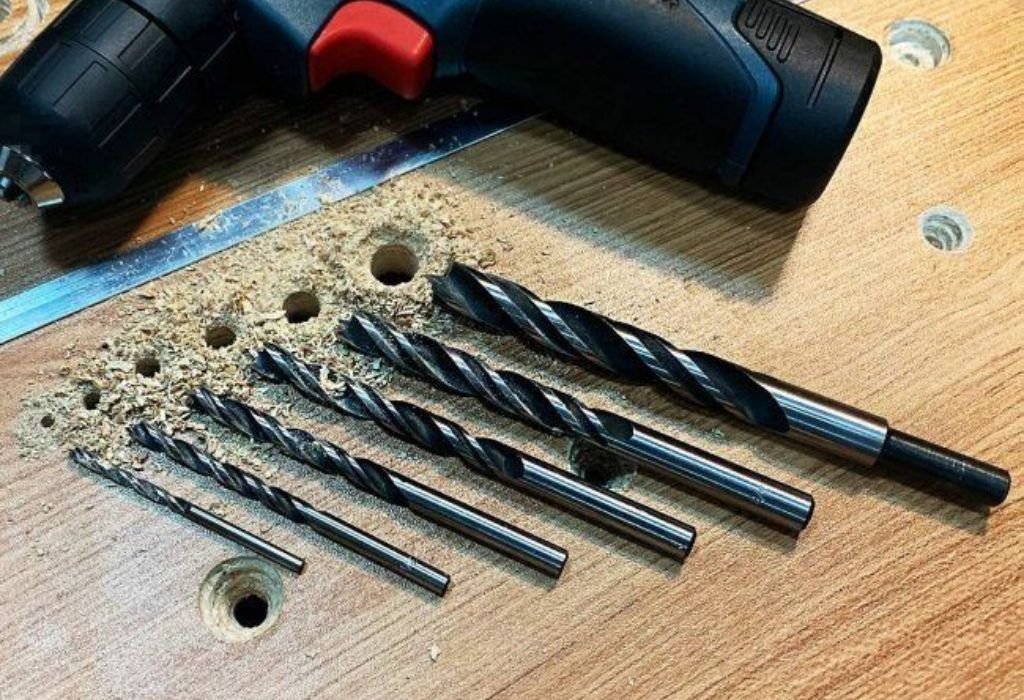
Choosing the right bit depends on the material you are drilling. For wood surfaces, pick bits with pointed tips such as brad point bits, auger bits or spade bits. For metal surfaces, choose high speed steel bits, cobalt bits or titanium coated bits. If you work with both materials, keeping both types in your toolbox ensures smooth, clean and efficient drilling every time.
Trying to use one type of bit for everything results in dull tools, poor holes and wasted time. Matching the drill bit to the material saves effort and protects your equipment.
Conclusion
Wood and metal drill bits are not the same. They differ in design, strength, tip shape, flute size and drilling speed requirements. Wood bits are created for soft, fibrous materials and include pointed tips that help them stay centered. Metal bits are built for strength and heat resistance, allowing them to grind through dense surfaces without dulling too quickly.
Metal bits can be used on wood if needed, but the results are average. Wood bits should never be used on metal because they overheat, become dull or break quickly. Knowing the difference and selecting the correct bit ensures safe, smooth and accurate drilling. Whether you drill occasionally or frequently, understanding these distinctions prevents frustration and keeps your tools in good condition.

I’m John F. Nicholas, the founder, lead writer, and drill enthusiast behind 101drill.com. With years of hands-on experience in power tools and DIY projects, I created this platform to share practical knowledge, expert tips, and real-world insights to help others master the art of drilling.