
People often underestimate the power of a small drill. When someone sees a 12V drill, the first thought is that it is meant only for light household tasks. Many beginners assume that it cannot handle tough materials like metal, and they worry that the drill might stall or burn out. But in reality, a 12V drill can surprise you with how capable it is when used correctly.
The moment someone tries to drill a hole in a steel bracket or a metal sheet using a small drill, hesitation appears. They wonder whether the drill has enough torque to break through. They question whether the bit will get stuck or whether the drill will stop mid way. These doubts usually come from seeing more powerful tools like 18V or 20V models used for metal projects.
But what people forget is that drilling metal is more about technique than brute force. Speed control, pressure, lubrication and the right bit matter far more than voltage. A 12V drill may not be the fastest tool in the shop, but it can still produce clean, smooth holes in various metals when treated with care.
Understanding how a 12V drill performs on metal becomes important for DIY users, homeowners and hobbyists who want to complete small metal tasks without buying a bigger and more expensive drill. This guide explains everything clearly so you can drill confidently, safely and efficiently using your 12V tool.
Can A 12V Drill Go Through Metal
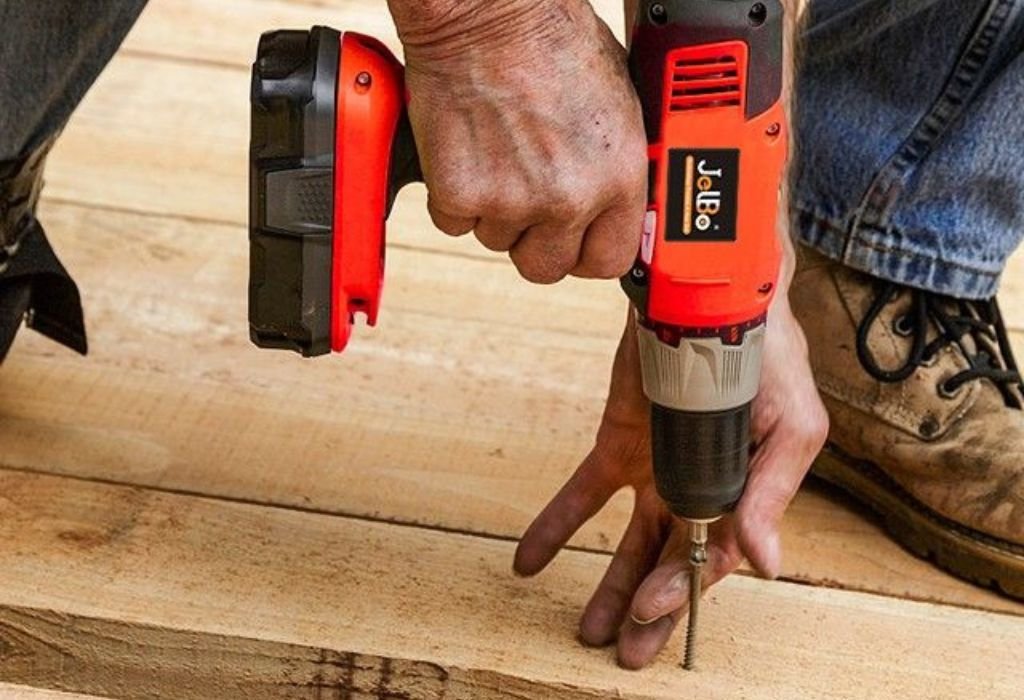
Yes, a 12V drill can go through metal. It may not be as powerful as 18V or 20V drills, but it has enough torque to drill holes in mild steel, aluminum, copper, brass and thin metal sheets. The key is to use the correct drill bit and follow proper technique.
A 12V drill does not spin as fast under load compared to higher voltage models, which actually helps in metal drilling because slow speed prevents overheating. With a good quality black oxide, titanium or cobalt bit, the drill can produce clean holes in most household metals.
However, a 12V drill is not ideal for extremely thick metal plates or hardened steel. For those tasks, a more powerful drill offers better control and faster drilling. But for brackets, tools, light steel, sheet metal, stainless appliances, small frames and general repair work, a 12V drill is more than capable.
What Metals Can A 12V Drill Handle Easily
A 12V drill works very well on softer and medium strength metals. These materials do not require extreme force and allow the drill to cut smoothly.
Here are the metals where a 12V drill performs best:
Aluminum
One of the easiest metals to drill. Even a low powered drill can cut through aluminum quickly as long as a sharp bit is used.
Copper
Soft and highly workable. A 12V drill handles copper plumbing, sheets and brackets easily.
Brass
Smooth and low resistance. The drill creates clean holes without much effort.
Mild Steel
This is where most users test their 12V drill. Mild steel is strong but drillable with slow speed and lubrication. Ideal for brackets, hardware and general home projects.
Thin Stainless Steel Sheets
A 12V drill can drill through thin stainless steel, but the bit will dull faster. Cobalt bits work best for this task.
Galvanized Steel
Thin metal used in ducts and construction. A 12V drill can drill these sheets without difficulty.
A 12V drill becomes less effective as metal thickness increases. But for household tasks and DIY work, it does the job well.
What Type Of Drill Bits Should You Use With A 12V Drill On Metal
The drill bit determines most of the drilling performance. Using cheap or dull bits makes the drill struggle and creates heat. The following bits are the best choice for metal when using a 12V tool:
Black Oxide Bits
Affordable and great for mild steel, aluminum and general metal tasks. Smooth cutting and reduced friction.
Titanium Coated Bits
Stay sharper longer and require less pressure. Good for repeated drilling tasks.
Cobalt Drill Bits
The most durable option for stainless steel and harder metals. They remain sharp even under heat.
Step Bits
Excellent for sheet metal. They prevent catching and create smooth, round holes.
Another important factor is tip angle. A 135 degree split point bit prevents walking and helps a 12V drill bite into the metal surface more easily.
Can A 12V Drill Drill Thick Metal Plates
A 12V drill can drill thicker metal plates, but the process is slower and requires more technique. Thicker metals create more friction, and the drill may stall if too much pressure is applied.
It is possible to drill through thicker metals if you:
Use a cobalt bit
Apply steady low speed
Lubricate the surface
Start with a small pilot hole
Let the drill rest to cool
Even then, drilling very thick plates is challenging for a 12V drill. If the metal is more than a quarter inch thick, a more powerful drill is recommended because it reduces drilling time and stress on the tool.
Drilling Speed For A 12V Drill On Metal
Metal should always be drilled at low speed, regardless of drill size. A 12V drill naturally has lower RPM under pressure, which helps prevent overheating and dulling of the bit.
The ideal speeds are:
Aluminum: Medium speed
Mild Steel: Low speed
Stainless Steel: Very low speed
Fast speed creates too much heat and causes the bit to burn. Slow drilling produces cleaner holes and extends the life of the bit.
Do You Need Lubrication When Using A 12V Drill On Metal
Lubrication is essential when drilling metal, especially with a low powered drill. Because a 12V drill produces less torque, reducing friction becomes even more important.
Using oil helps in three major ways:
It keeps the drill bit cool
It prevents metal from hardening
It reduces resistance
Lubrication can be as simple as light machine oil, multipurpose oil or dedicated cutting fluid. For aluminum, even a drop of dish soap works. Skipping lubrication causes heat buildup, which makes the drill struggle unnecessarily.
Benefits Of Using A 12V Drill For Metal
A 12V drill offers several advantages when working with metal:
Lightweight and easy to control
Less fatigue during long tasks
Low speed prevents overheating
Ideal for small and precise holes
Safe for household metal projects
Affordable compared to higher voltage drills
These benefits make a 12V drill the preferred choice for many beginners and DIY users who want control and accuracy more than power.
Limitations Of A 12V Drill When Drilling Metal
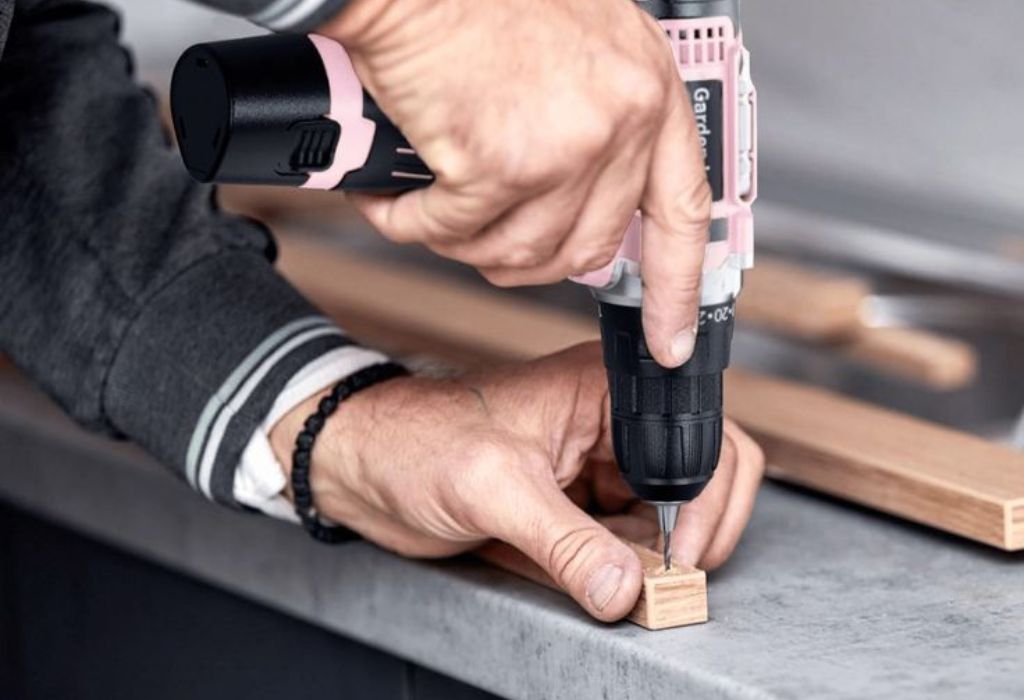
A 12V drill is capable but not perfect. It has limitations that users must understand to avoid damaging the tool or the bit.
Low torque makes thick metal drilling difficult
Prolonged pressure may stall the motor
Battery drains faster under heavy load
Not ideal for drilling multiple holes in hard steel
May take longer to complete each hole
These limitations mean a 12V drill performs best on small to medium metal tasks rather than heavy industrial work.
Safety Tips When Drilling Metal With A 12V Drill
Drilling metal creates sharp chips, heat and movement. Following these safety precautions prevents injury and ensures controlled drilling:
Clamp the metal securely
Wear eye protection
Use gloves for handling sharp shavings
Keep long hair and clothing away from the bit
Let the bit cool before touching it
Apply consistent pressure rather than force
Safety becomes even more important when using a smaller drill that can stall if pushed too hard.
Conclusion
A 12V drill is fully capable of drilling through metal when used with the right bit, proper technique and slow speed. It works excellent for aluminum, brass, copper, mild steel and sheet metals. With lubrication and careful pressure, it can also handle thin stainless steel and thicker materials, though more effort is required. While it cannot match the raw power of higher voltage drills, a 12V drill remains a reliable and practical tool for everyday metal tasks. It offers control, precision and ease of use, making it perfect for household projects, small repairs and DIY work involving metal surfaces.

I’m John F. Nicholas, the founder, lead writer, and drill enthusiast behind 101drill.com. With years of hands-on experience in power tools and DIY projects, I created this platform to share practical knowledge, expert tips, and real-world insights to help others master the art of drilling.