
The first time someone tries to drill into metal, they often grab a random bit from the toolbox and assume it will work.
The moment the bit squeals, overheats or refuses to cut, they realize something about the bit is wrong. That confusion makes them wonder what a real metal drill bit actually looks like.
Many beginners notice bits that are black, gold or shiny silver but do not understand what those colors mean.
They also see different tip shapes such as pointed tips, split points and steep cutting angles, and that creates even more uncertainty. Without knowing these details, choosing the right bit feels like guesswork.
Understanding how metal drill bits are built, shaped and colored removes all that hesitation. These bits follow specific visual patterns that make them different from wood or masonry bits. Once you learn these features, identifying a metal drill bit becomes easy every time.
This guide explains every visual clue that tells you a bit is designed for metal. You will learn about shapes, coatings, tip angles, markings and quality indicators that separate metal bits from the rest. By the end, you will be able to pick the correct bit confidently without trial and error.
Understanding What Metal Drill Bits Are
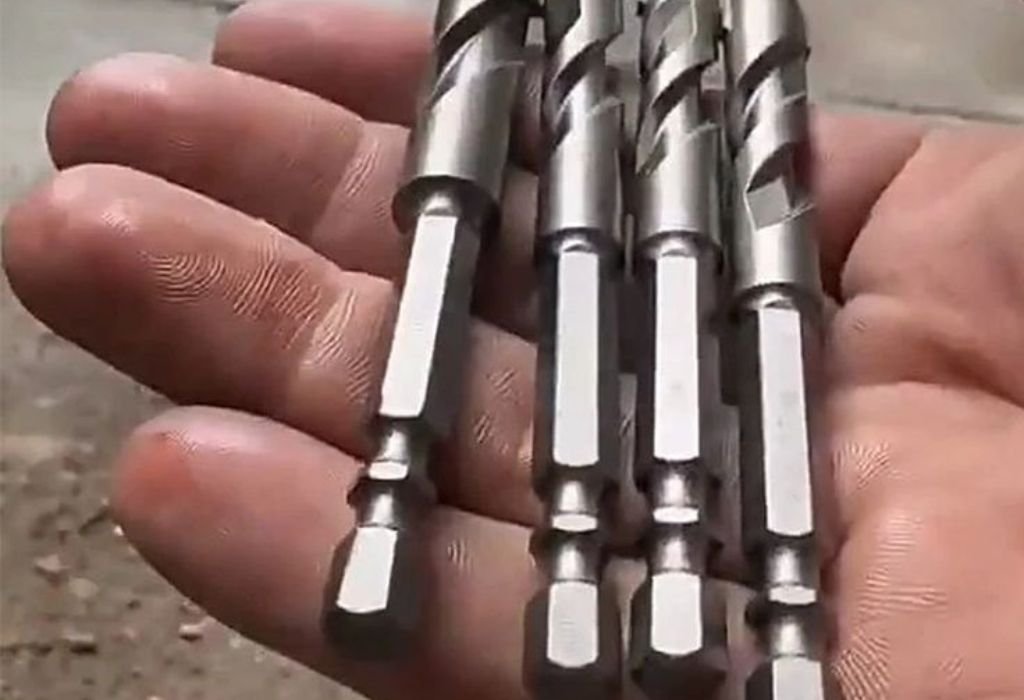
Metal drill bits are designed to cut through strong materials such as steel, aluminum and iron. They are made from durable metals like high speed steel, cobalt or titanium coated alloys that withstand friction and heat.
These bits stay sharp longer because their material composition is much harder than the metals they cut.
The basic structure includes a shank, a body and a highly precise cutting tip. The cutting edge is angled in a way that helps bite into metal without slipping. These angled edges are essential for accurate and safe drilling projects.
Metal bits also include spiral grooves called flutes that help remove metal shavings. These flutes keep the bit cool by allowing chips to escape easily. This prevents clogging and reduces the risk of damage.
Every metal drill bit is built with balance in mind to prevent wobbling. A stable bit produces cleaner holes and reduces strain on the drill. This balance also protects beginners from making mistakes caused by slipping bits.
Most users rely on metal bits for repairs, construction projects and automotive work. Their strength makes them reliable for heavy duty and high precision tasks. Whether drilling thin sheet metal or thick steel, they maintain consistency.
Beginners often misunderstand why choosing the right bit matters. Using a wood bit on metal causes overheating, dulling and poor performance. A proper metal bit solves these issues instantly.
Identifying how metal bits are made helps users understand why they behave differently. This knowledge builds the foundation for recognizing them visually. The next section explains these visual cues in detail.
Key Visual Features of a Metal Drill Bit
Metal drill bits have clear visual differences that set them apart from other types. The first strong indicator is the sharp, pointed cutting tip with a steep angle. This point helps bite into metal quickly without wandering.
Metal bits often appear silver, black or gold depending on their coating. These coatings also serve as protection against heat and friction. They help extend the life of the bit during heavy drilling.
The flutes on a metal bit are smooth and evenly shaped. They spiral up the length of the bit to clear metal shavings efficiently. This spiral gives the bit a refined and professional look.
Metal bits usually have sharper edges than wood bits. These edges are designed to slice into metal precisely. The sharpness also reduces the pressure needed to start the hole.
Another visual clue is the presence of size or material markings. These markings are etched or stamped directly onto the shank. This helps users verify the bit’s purpose before starting a project.
Metal bits rarely have spade or flat shapes. Instead, they maintain a consistent cylindrical body that enhances stability. This shape also supports better heat distribution during use.
The overall appearance of a metal bit is more refined. Its finish looks polished or coated, giving it a sleek and durable look. This professional appearance is often a giveaway for beginners.
How can I quickly identify a metal drill bit by sight?
You can check for sharp pointed tips, smooth flutes and strong metallic coatings.
Are gold-colored bits always for metal?
Gold bits are often titanium coated, and they are commonly designed for metal drilling.
Do metal bits have sharper tips compared to wood bits?
Yes, metal bits have sharper cutting edges that help penetrate hard surfaces.
Why do many metal bits look black?
Black bits are often treated with black oxide for heat resistance and durability.
Is tip angle important when recognizing a metal drill bit?
Yes, because metal bits often use 118 or 135 degree angles to cut efficiently.
Different Types of Metal Drill Bits and Their Appearance
High speed steel bits are the most common and often appear shiny silver. They work well for general metal drilling but wear faster under heavy loads. Their simple appearance makes them easy to recognize.
Cobalt drill bits usually look bronze or dark gold. Their unique color comes from their alloy rather than a coating. This makes them excellent for cutting hardened steel.
Titanium coated bits have a bright gold appearance. The coating improves resistance to heat and reduces friction. These bits stay sharp longer than standard bits.
Black oxide bits have a deep, rich black finish. This coating is added through a chemical process that improves lubrication. It also helps prevent corrosion during long term storage.
Step drill bits look like small metal cones with steps carved into them. They are used for enlarging holes in sheet metal. Their shape is completely different from standard twist bits.
Multi purpose bits sometimes resemble metal bits but lack specialized coatings. These are designed for convenience rather than precision. They do not perform as well in tough metal.
Understanding these variations helps users choose the right bit for each material. Each type has a distinct look and purpose. This makes identification easier.
Colors and Coatings That Identify Metal Bits
Colors are strong clues when identifying metal bits. Silver bits usually indicate high speed steel construction. These bits are versatile and affordable.
Black bits indicate black oxide coating. This treatment enhances heat resistance during drilling. It also helps prevent rust when stored.
Gold colored bits often represent titanium coating. These are popular for long lasting performance. Titanium reduces friction and allows smoother drilling.
Bronze or dark gold colors usually indicate cobalt bits. These bits are stronger and handle high temperatures better. They are ideal for drilling stainless steel.
Some bits include multilayer coatings for extreme performance. These coatings may create textured or matte finishes. This appearance helps enthusiasts recognize high performance bits quickly.
Coated bits are preferred for heavy duty drilling tasks. Their distinct color makes them easy to identify in any toolbox. This simple color system prevents mistakes.
Why do some metal bits have bright gold color?
Gold color often indicates titanium coating for long lasting sharpness.
Is black always a sign of a metal drill bit?
Black oxide coatings are common on metal bits, but not exclusive.
Do silver bits drill metal well?
Yes, high speed steel silver bits are widely used for general metal drilling.
Why do cobalt bits look bronze?
Their natural alloy gives them a dark gold appearance without added coatings.
Does coating affect drilling performance?
Yes, coatings reduce friction, heat and wear, improving overall performance.
How to Compare Metal Bits vs Wood and Masonry Bits
Wood bits usually have a center spur that helps cut through soft materials. This spur is absent in metal bits because it would break under heavy pressure. Metal bits maintain a pointed cutting edge instead.
Masonry bits have blunt tips with small carbide pieces attached. These bits are designed for hammer drills and rough surfaces. Their rugged appearance makes them different from metal bits.
Wood bits often have wider flutes to remove softer debris. Metal bits have tighter, smoother flutes designed for harder materials. This difference becomes clear when comparing them side by side.
Metal bits are heavier and sturdier than wood bits. Their weight helps them stay stable on hard material. Wood bits usually feel lighter and less dense.
Masonry bits have a rough texture that helps handle impact forces. Metal bits are smoother because they must rotate cleanly at high speed. This smooth finish improves cutting precision.
Metal bits have sharp edges to slice through strong materials. Wood bits use tearing motion with their spur and wing tips. Masonry bits rely on impact rather than sharpness.
Comparing bits visually is an easy way to identify them without reading labels. These differences stand out once someone understands basic structures. This prevents accidental misuse of bits.
Shapes and Tips That Indicate a Drill Bit Is for Metal
Metal bits usually feature a 118 degree tip angle for general use. This angle provides controlled penetration into metal surfaces. Some bits use a 135 degree split point for faster and more stable starts.
Split point tips have two small cutting edges that prevent wandering. This helps create cleaner holes without sliding across metal. Beginners benefit greatly from this design.
Metal bits never include flat or spade shaped ends. These shapes belong to wood bits made for soft materials. Metal drilling requires sharper and steeper tips.
The overall shape of a metal bit is straight and cylindrical. This consistency improves rotation and heat distribution. Uneven shapes would reduce accuracy.
Some advanced metal bits include modified tips for specialty tasks. These modifications enhance bite strength and reduce pressure required. Their unique shape signals premium quality.
Longer bits are used for deep drilling in thick metal. Shorter bits offer stability and hardness at higher speeds. Both shapes follow similar tip designs.
Tip geometry plays a major role in bit selection. Knowing these shapes helps users identify metal bits confidently. Visual recognition becomes easier with practice.
What does a split point tip look like?
It has two cutting edges that create a self centering effect.
Why do metal bits have sharp tip angles?
Sharp angles help penetrate hard surfaces cleanly and quickly.
Are flat tip bits used for metal?
No, flat tips are mainly for wood and cannot handle metal.
Is a 135 degree tip better for metal drilling?
Yes, it offers more control and reduces wandering.
How can I spot a metal bit just by the tip?
Look for a sharp pointed tip with smooth flutes and steep angles.
How to Identify Metal Drill Bits by Markings
Metal drill bits often include size markings etched onto the shank. These markings help users choose the right diameter before drilling. They also prevent confusion between similar looking bits.
Some bits include material codes such as HSS or M35. These codes identify whether the bit is high speed steel or cobalt. Understanding these codes improves accuracy when selecting bits.
Markings may also include brand names. Branded bits are easier to identify because they maintain consistent designs. Users can recognize trustworthy qualities through these labels.
Laser etched markings are common in premium bits. These markings stay visible even after heavy usage. They help confirm the bit’s purpose without guessing.
Lower cost bits may include stamped markings. These are pressed into the metal but can fade over time. Proper storage helps keep these markings readable.
Markings also help users follow drill speed recommendations. Some bits include small icons showing ideal uses. This visual guide helps prevent mistakes.
Reading markings takes only a few seconds. This habit saves time during important tasks. Markings remove the need for trial and error.
Signs of High Quality Metal Drill Bits
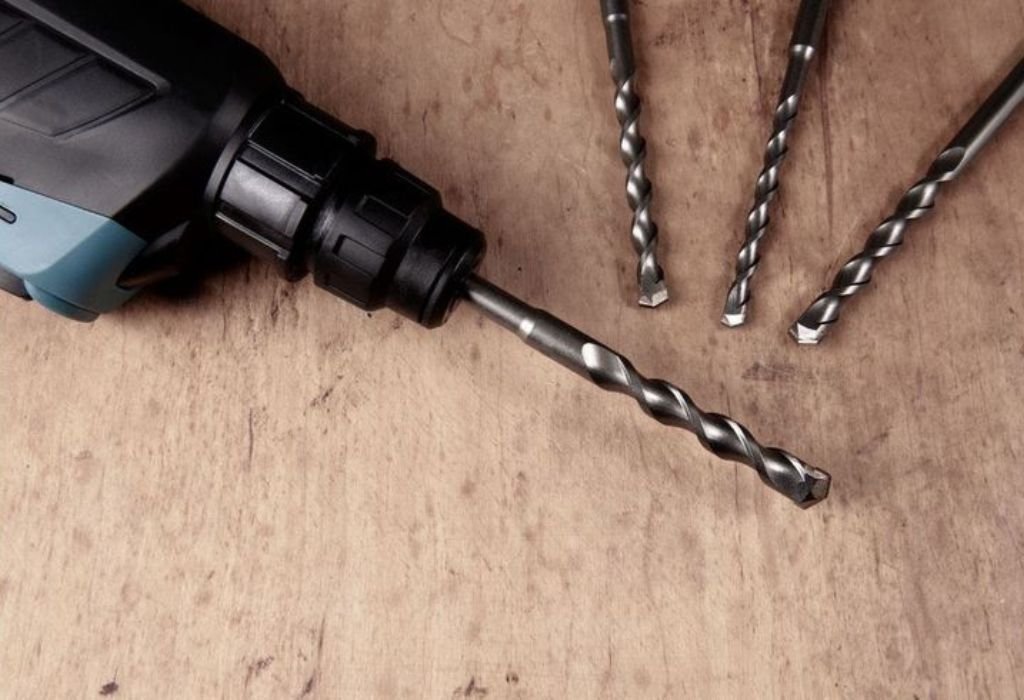
High quality metal bits have perfectly smooth flutes. These flutes help remove chips quickly and reduce heat buildup. Smoothness also indicates precise manufacturing.
Premium bits include refined coatings that enhance durability. These coatings may appear glossy or matte depending on the type. Each coating provides a protective advantage.
A sharp and symmetrical cutting tip is another sign of quality. These sharp tips help create clean holes with minimal effort. Symmetry ensures balanced drilling.
The shank should feel solid and well finished. Rough or uneven surfaces indicate poor manufacturing techniques. A clean finish enhances grip and stability.
High quality bits maintain consistent color across the surface. Uneven coating suggests lower grade material. Consistency reflects attention to detail.
Durability is immediately visible through sturdiness. Strong materials prevent bending or breaking under pressure. This toughness guarantees long lasting performance.
Quality bits also include clear labeling. These markings help users verify specifications easily. Clear labels make the bit more user friendly.
How can I tell if a metal drill bit is high quality?
Look for smooth flutes, sharp tips and consistent coatings.
Do high quality bits stay sharp longer?
Yes, superior materials and coatings improve edge retention.
Are branded metal drill bits more reliable?
Most branded bits follow higher manufacturing standards.
Does weight indicate quality?
Heavier bits often have stronger metal composition.
Is coating important for quality judgment?
Yes, coating improves heat resistance and lifespan.
Safety Tips for Using Metal Drill Bits
Metal drilling requires steady hands and proper protection. Wearing safety glasses keeps metal shavings away from your eyes. Gloves help maintain grip and prevent accidental cuts.
You should always adjust drill speed based on bit size. Slower speeds help large bits remain stable on metal. Faster speeds work for smaller bits and thinner materials.
Using lubrication reduces heat and friction. A few drops of oil protect the bit during heavy drilling. Lubrication also prevents premature dulling.
Always secure the metal piece before drilling. Movement can make the bit slide or break. A clamp keeps the material steady.
Keep the drill perpendicular to the surface. This prevents angled holes and reduces stress on the bit. Proper alignment results in cleaner finishes.
Check the bit regularly while drilling. Overheating or color change signals excessive stress. Letting the bit cool improves safety.
Beginners should practice on scrap metal before real projects. This builds confidence and accuracy. Safety improves with experience.
When to Replace a Metal Drill Bit
Dull cutting edges are the first sign of wear. Dull bits require more pressure and heat. This reduces performance and risks damage.
Color changes indicate excessive heat. Blue or purple tones show overheating. This weakens the metal quality.
Chipped or cracked tips require immediate replacement. Damaged bits can break unexpectedly. They also produce uneven holes.
A bent drill bit is unsafe for use. Bending disrupts the rotation pattern and causes wobbling. This leads to dangerous kickback.
Slow cutting performance shows the bit is nearing its end. Even with lubrication, a worn bit struggles. Replacing it restores smooth performance.
Regular inspection helps catch damage early. Checking before each project ensures safety. This habit prolongs tool life.
Knowing when to replace a bit helps maintain accuracy. Fresh bits produce cleaner results. Old bits should not be forced to continue.
Conclusion
Metal drill bits follow predictable shapes, coatings and markings that make them easy to identify once you know what to look for.
Their pointed tips, smooth flutes and durable finishes differentiate them from wood or masonry bits instantly. Understanding these differences helps avoid mistakes and ensures safer drilling for every project.
From silver high speed steel bits to gold titanium coated designs and dark cobalt alloys, each type has its own appearance that reflects its purpose and strength. Recognizing these visual cues allows you to select the right bit confidently without stress or hesitation. This knowledge makes every drilling task faster and more accurate.
As you apply what you learned, you will find choosing the correct drill bit becomes second nature. With practice, your eye will locate metal bits immediately even in a cluttered toolbox. This clarity saves time, prevents damage and improves your overall working experience.

I’m John F. Nicholas, the founder, lead writer, and drill enthusiast behind 101drill.com. With years of hands-on experience in power tools and DIY projects, I created this platform to share practical knowledge, expert tips, and real-world insights to help others master the art of drilling.