
Drilling metal often feels more difficult than expected because metal reacts strongly to heat and friction. The moment a drill bit touches the surface, the temperature begins to rise quickly and the sound becomes sharp and unpleasant.
Many beginners become worried when they see smoke or discoloration, and they assume something is wrong with their drill or their technique.
Metal is much harder than wood or plastic, so the drill bit must cut its way through instead of pushing through easily. This cutting action creates heat, and without controlling that heat the drill bit starts to dull.
A dull bit requires more pressure, produces more noise and creates rough uneven holes that look unprofessional.
Cutting oil solves these problems by adding lubrication between the drill bit and the metal surface. When the metal is lubricated, the bit rotates smoothly and removes chips instead of grinding.
This keeps temperatures low, improves cutting speed and protects the drill bit from premature damage.
Using cutting oil also makes drilling safer. When a drill bit overheats, it can snap or seize inside the metal, which may cause sudden jerking. Lubrication reduces friction and prevents these dangerous situations, especially for people who are not experienced with metalworking.
With proper lubrication, drilling metal becomes predictable, clean and much easier to control. The drill bit stays sharp longer, the surface stays cooler and the final hole looks smoother.
Understanding why cutting oil is important helps anyone achieve better results when working with metal.
Why Cutting Oil Is Important When Drilling Metal
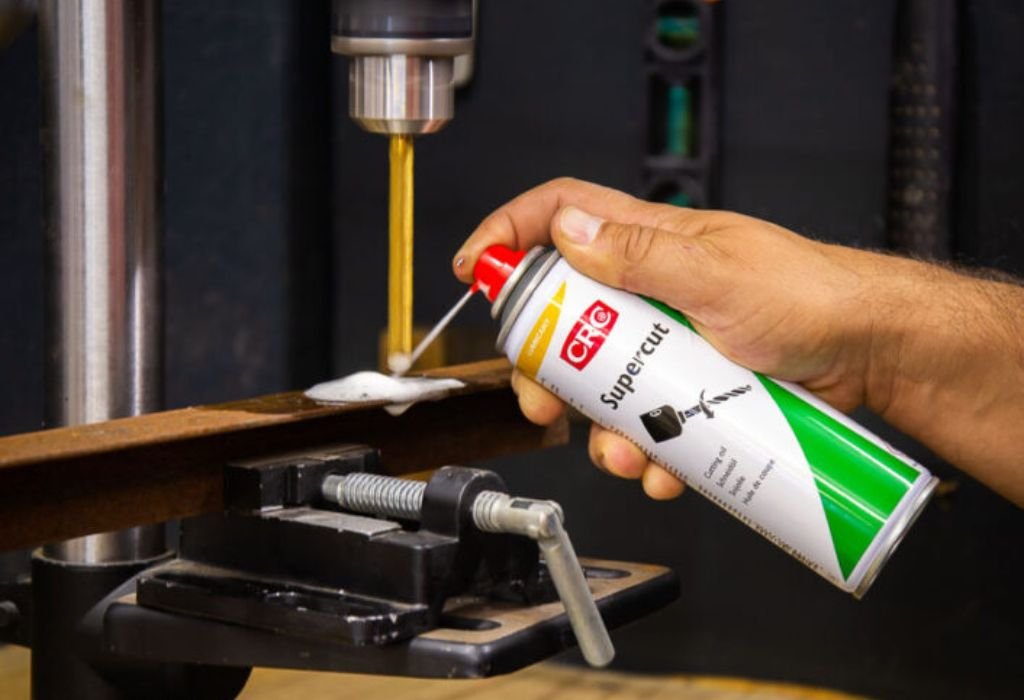
Cutting oil plays a major role in metal drilling because metal creates intense friction the moment the drill bit begins cutting.
This friction builds heat very quickly and makes the drilling surface harder to penetrate. Cutting oil reduces this friction and allows the drill bit to move smoothly through the metal.
When drilling without lubrication, the bit begins to dull almost immediately because the heat weakens its cutting edges. A dull bit then grinds instead of slicing, which increases resistance and creates a rough hole. Cutting oil prevents this by keeping the bit cool and sharp throughout the process.
Heat can also make the metal surface change color and warp slightly, especially during slow or deep drilling. These heat marks are a sign that the material is overheating and losing structural quality. Applying cutting oil keeps the temperature stable and protects the integrity of the metal.
Cutting oil also helps control chip formation because it allows chips to slide away instead of sticking to the drill bit. When chips stick, they block the cutting edges and cause even more heat buildup. Lubrication ensures that chips are cleared properly and prevents clogging.
Another advantage of cutting oil is reduced vibration during drilling. Metal drilling often causes shaking because the bit struggles to grip the surface, but lubrication allows smoother rotation. Less vibration results in cleaner holes and better overall control.
Using cutting oil also decreases the amount of pressure needed to drill through metal. With reduced friction, the drill bit cuts deeper with less force from the user, which helps prevent fatigue. This is especially helpful for beginners who may not yet know how much pressure is appropriate.
Overall, cutting oil ensures a safer, faster and more precise drilling experience. It protects the drill bit, maintains the metal surface and improves the quality of each hole. For anyone working with metal, using cutting oil is an essential part of proper drilling technique.
How Cutting Oil Improves Drilling Performance And Results
Cutting oil greatly improves overall drilling performance because it reduces the resistance between the drill bit and the metal surface.
When resistance is low, the drill bit can rotate more freely and maintain its cutting angle properly. This leads to smoother drilling and better accuracy with every pass.
Lubrication also increases drilling speed because the bit does not need to fight against dry friction.
Without lubrication, the drill slows down as the bit heats up and begins to lose sharpness. Cutting oil keeps the cutting edges cool and efficient, allowing faster progress through even hard metals.
Chip evacuation becomes more efficient when cutting oil is used because the oil helps chips slide away from the cutting area.
When chips build up, they trap heat and interfere with the drilling motion. With lubrication, chips remain loose and are cleared easily, which helps maintain smooth and steady cutting action.
Using cutting oil also improves the quality of the drilled hole. Dry drilling often produces rough edges, chatter marks and small cracks around the surface. Proper lubrication prevents these imperfections and creates clean, uniform holes that require less finishing work.
The improved control provided by lubrication is especially helpful for beginners who are not yet comfortable with metal drilling.
When the drill bit moves smoothly, it is easier to maintain correct pressure and positioning. This results in greater confidence and fewer mistakes during the drilling process.
Cutting oil also reduces tool wear by protecting the cutting edges from thermal damage. Heat naturally softens metal, which makes the drill bit lose its hardness and structural strength over time. Lubrication prevents this softening and extends the lifespan of the drill bit significantly.
By keeping temperature, friction and chip buildup under control, cutting oil ensures that drilling remains safe and predictable. It reduces the chances of the bit grabbing unexpectedly or seizing inside the hole.
This combination of safety, efficiency and improved quality makes cutting oil essential for anyone drilling metal.
How Cutting Oil Protects Drill Bits From Damage
Cutting oil plays a critical role in protecting drill bits from the damage caused by metal friction. When the metal surface resists cutting, the drill bit begins to heat up rapidly and loses its hardness.
This loss of hardness makes the cutting edges dull much sooner than expected, especially on harder metals like stainless steel or cast iron.
Lubrication forms a protective barrier between the bit and the metal, reducing the direct grinding contact that normally causes edge wear.
Instead of rubbing harshly against the metal, the drill bit glides smoothly while cutting. This significantly lowers the mechanical stress placed on the bit and improves its durability.
Heat is one of the biggest threats to drill bit lifespan because temperature changes weaken the structure of the metal used to make the bit.
Cobalt and high speed steel bits are designed for heavy heat, but they still need cooling to maintain peak performance. Cutting oil keeps the bit cooler, which preserves the strength and sharpness of the cutting edges.
When drilling is done without lubrication, chips accumulate more quickly and attach themselves to the bit.
These stuck chips create uneven pressure and reduce the space available for the bit to eject new chips. Cutting oil prevents this by keeping the chips loose and free flowing, which allows the bit to cut cleanly.
Dry drilling often results in micro cracking along the edges of the drill bit. These cracks grow over time and may eventually cause the bit to snap during drilling. Cutting oil reduces the sudden stress spikes that cause cracking and supports a more stable cutting action.
Longer bit life also means fewer interruptions, less downtime and lower tool replacement cost. People who drill metal frequently benefit the most because their tools last significantly longer with proper lubrication.
This combination of cost savings and improved performance makes cutting oil essential for protecting drill bits.
By controlling heat, reducing friction and preventing chip buildup, cutting oil ensures the drill bit stays sharp and strong. The bit maintains its cutting angle and structural integrity throughout the drilling process.
This leads to smoother drilling, safer operation and far better long term results for both professionals and beginners.
How Cutting Oil Reduces Heat And Prevents Metal Damage
Heat is one of the biggest problems when drilling metal because temperature rises quickly from the friction between the bit and the surface.
As heat increases, the metal begins to harden and resist cutting even more, which makes drilling slower and more difficult. Cutting oil reduces this friction and prevents temperatures from rising to dangerous levels.
When the metal overheats, it can develop discoloration, warping or surface burn marks that weaken its structure.
These changes may not be visible immediately, but they affect the strength and appearance of the final drilled part. Cutting oil keeps the temperature low enough to prevent these heat related defects from forming.
Excess heat can also cause the drill bit to expand slightly while drilling, which reduces its cutting efficiency.
When the bit expands, it may grind against the hole wall instead of slicing smoothly, creating a rough finish. Cutting oil minimizes this expansion by keeping the bit cool throughout the drilling process.
Heat buildup often leads to work hardening, especially in metals like stainless steel. Work hardened metal becomes extremely difficult to drill because the surface becomes harder than the drill bit itself.
Cutting oil slows down work hardening by maintaining a consistent temperature and allowing the bit to cut without excessive resistance.
Chip welding is another heat related issue that occurs when hot metal chips stick to the drill bit. These welded chips interfere with cutting and cause uneven drilling motion. Cutting oil cools the chips quickly and keeps them loose so they can be removed more easily.
Using cutting oil also helps maintain a stable drilling rhythm. When temperature is controlled, the drill bit does not bind, seize or jerk suddenly during the process. This stability allows the user to drill cleaner and more accurate holes without damaging the material.
By managing heat efficiently, cutting oil ensures the drilled metal maintains its original strength and appearance.
The final hole becomes smoother, cleaner and far more precise. Preventing heat related damage is one of the main reasons cutting oil is considered essential during metal drilling.
How To Apply Cutting Oil Properly During Metal Drilling
Applying cutting oil correctly is just as important as using it at all, because the right technique ensures the lubrication works effectively.
Before drilling begins, a few drops of oil should be placed directly on the drilling point to coat the surface evenly. This helps the drill bit make its initial contact smoothly and prevents early overheating.
As drilling starts, cutting oil should be reapplied regularly to maintain the cooling layer between the bit and the metal. When the drilling depth increases, friction rises and the bit heats up more quickly, so adding oil keeps the temperature under control. Continuous lubrication makes the cutting action smoother and prevents the bit from grinding.
Pulling the drill bit out occasionally is helpful because it clears built up chips that can trap heat. When the bit is removed, new oil can be applied to restore lubrication and keep the drilling area cool. This break also allows the drill bit to cool slightly before continuing.
Using a squeeze bottle is one of the easiest ways to apply cutting oil. The bottle allows controlled application so that the oil covers only the drilling spot instead of spreading unnecessarily across the surface. This improves cleanliness and reduces waste during the process.
For overhead drilling, paste type lubricants can be used because they stick to the metal and do not drip.
Liquid oil may run down the surface and create slipping hazards, so paste is safer for vertical or ceiling level drilling. The sticky consistency allows proper lubrication even when gravity works against the user.
When drilling thicker metal, heavier oil applications are required because the bit remains inside the metal for a longer time.
Thick materials generate more heat, and proper lubrication prevents overheating from slowing the cutting progress. This ensures the drill bit performs consistently throughout the entire depth.
Correct application of cutting oil ensures a smoother, cooler and more controlled drilling experience.
With the right technique, oil reaches the cutting edges exactly where needed, and the final hole becomes cleaner and more precise. Proper lubrication turns a difficult drilling task into a safe and predictable process.
Different Types of Cutting Oil Used for Drilling Metal
Cutting oil comes in several types, and choosing the right one can make drilling metal much easier and safer. The most common type is straight cutting oil, which is thick, oily and designed for heavy duty drilling tasks. This type provides excellent lubrication and cooling, especially when drilling hard metals like stainless steel or cast iron.
Water soluble cutting oils are popular because they cool the metal quickly and are easier to clean after use. These oils mix with water to create a lighter coolant that helps maintain stable temperatures during drilling. They are ideal for medium hardness metals and long drilling sessions that generate consistent heat.
Synthetic cutting oils are made from chemical compounds instead of petroleum, giving them superior stability and heat resistance. They provide excellent performance when drilling tough metals that generate high friction. Synthetic oils also last longer and resist breakdown under extreme temperatures.
Semi synthetic cutting oils combine the benefits of both water based and oil based lubricants. They offer good lubrication with improved cooling and are suitable for general workshop use. These oils provide balanced performance for most drilling situations.
Paste cutting lubricants are thicker and designed for vertical or overhead drilling where liquid oil would drip. They stick to the drilling point and deliver strong lubrication in situations where normal oil would be difficult to apply. These pastes are perfect for jobs where control and precision are essential.
Lightweight penetrating oils can be used for soft metals like aluminum or brass because they help reduce chip sticking. These oils evaporate quickly but still provide enough lubrication for smooth cutting. They are useful when drilling small holes or thin sheet metal.
Each type of cutting oil serves a different purpose, and choosing the right one improves drilling efficiency significantly. Hard metals require heavier oils, while softer metals can be drilled using lighter or water based lubricants. Selecting the correct oil ensures better cooling, cleaner holes and safer metal drilling results.
Common Mistakes People Make When Using Cutting Oil
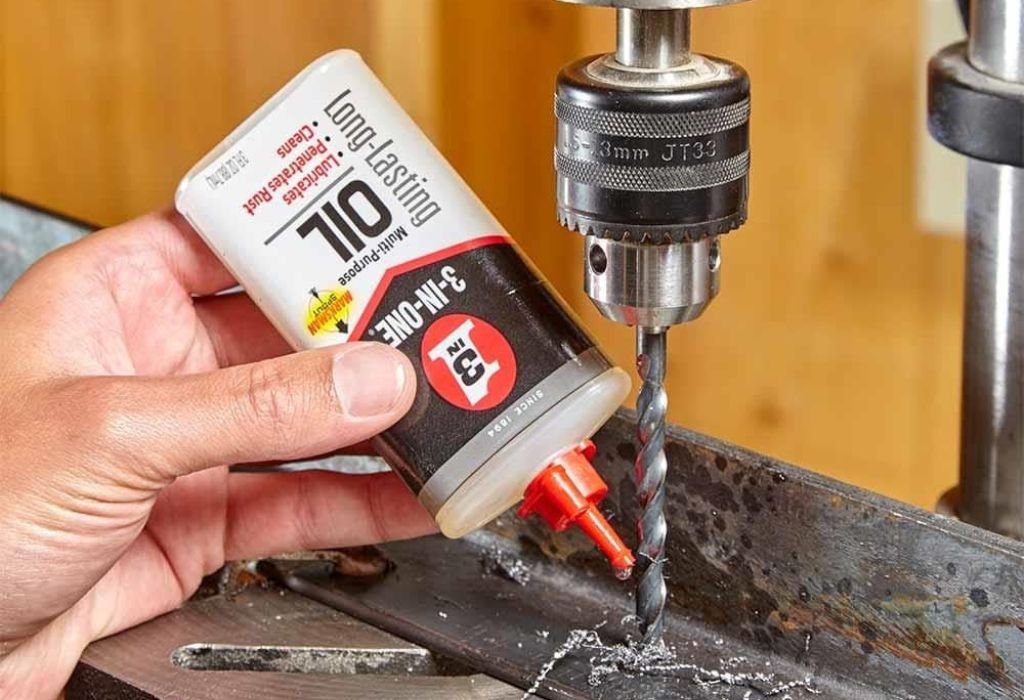
One common mistake people make when drilling metal is applying too little cutting oil. When lubrication is insufficient, the drill bit overheats quickly and begins to grind against the metal instead of cutting. This leads to dull edges, uneven holes and unnecessary wear on the tool.
Another mistake is applying cutting oil only once at the beginning of drilling instead of reapplying during the process. As drilling continues, the oil gets pushed aside by the rotating bit and loses its cooling effect. Without regular reapplication, the drill bit becomes hot and loses efficiency.
Some users apply too much pressure while drilling, assuming that cutting oil alone can compensate for heavy force.
Excessive pressure increases friction and reduces the effectiveness of the lubrication layer. Proper drilling requires controlled pressure combined with lubrication, not forceful pushing.
People sometimes choose the wrong type of oil, using household oils instead of proper cutting oil.
While some alternatives may offer minimal lubrication, they do not provide the same cooling or protective properties as specialized cutting oils. Using the wrong oil results in slower drilling and increased risk of tool damage.
Incorrect drilling speed is another frequent issue. Even with cutting oil, drilling at high speed creates heat faster than the oil can cool the metal. Choosing a slower, controlled speed enhances the performance of the oil and results in a smoother drilling experience.
Some users fail to clean the metal surface before applying cutting oil. Dirt, grease or old residue prevents the oil from forming a uniform layer on the metal. A clean surface helps the lubrication work more effectively and ensures proper heat control.
Another mistake is not clearing chips from the drilling area when they accumulate. Metal chips trap heat and disrupt the lubrication layer, causing the bit to work harder. Regularly removing chips helps maintain consistent oil penetration and smoother cutting action.
FAQs About Using Cutting Oil When Drilling Metal
Why is cutting oil important when drilling metal?
Cutting oil reduces friction, keeps the drill bit cool and prevents overheating that damages both the tool and the metal surface.
Can I drill metal without using cutting oil?
Yes, but the drill bit will dull much faster and the metal may overheat or become damaged, resulting in poor quality holes.
How often should I apply cutting oil during drilling?
Cutting oil should be applied at the start and reapplied whenever heat builds up or chips begin to stick to the drill bit.
Does cutting oil work on all types of metal?
Cutting oil works on nearly every metal, but harder materials like stainless steel benefit from it the most due to higher heat generation.
Can I use motor oil instead of cutting oil?
Motor oil can be used in emergencies, but it does not cool as effectively as true cutting oil and may reduce drilling performance.
What happens if I use too much cutting oil?
Excess oil can make the working surface slippery and messy, but it will not harm the drilling process as long as control is maintained.
Do I need cutting oil when using cobalt drill bits?
Yes, cobalt bits are strong but still generate heat, so lubrication helps maintain their sharpness and prolongs lifespan.
Is WD-40 a good substitute for cutting oil?
WD-40 works for soft metals like aluminum but is less effective on hard metals, where thicker cutting oils perform better.
Can cutting oil prevent drill bit breakage?
Yes, lubrication reduces grinding friction and heat spikes that weaken the bit, greatly lowering the chance of breakage.
Should I clean metal after using cutting oil?
Yes, wiping the surface removes leftover oil and metal chips, which keeps the part clean and reduces the chance of corrosion.
Conclusion
Using cutting oil when drilling metal is one of the simplest ways to improve both safety and performance. The lubrication keeps friction low and prevents the heat buildup that often causes drill bits to dull or break.
With a cooler cutting environment, the drill bit moves smoothly and produces cleaner, more accurate holes.
Cutting oil also helps protect the metal surface from discoloration, warping and unwanted hardening. By keeping the cutting edges sharp, it ensures that each pass of the drill bit removes material efficiently instead of grinding it.
This leads to faster drilling with less effort and far more predictable results for both beginners and experienced users.
Proper application of cutting oil reduces vibration and prevents chip buildup, two common issues that make drilling difficult.
When the chips slide away easily, the drill bit remains fully engaged with the metal and maintains a steady cutting rhythm. This combination of lubrication and stability makes drilling tasks safer and more comfortable overall.
Choosing the right cutting oil and using it correctly also saves time and money. Drill bits last longer, motors run cooler and the risk of tool damage drops significantly. These benefits make cutting oil an essential part of any metal drilling setup.
With the right lubrication technique, drilling metal becomes a much easier and cleaner process. Whether working on a small home project or a demanding workshop task, cutting oil delivers smoother cutting, greater control and a more professional finish.
For anyone looking to drill metal safely and effectively, using cutting oil is not optional but essential.

I’m John F. Nicholas, the founder, lead writer, and drill enthusiast behind 101drill.com. With years of hands-on experience in power tools and DIY projects, I created this platform to share practical knowledge, expert tips, and real-world insights to help others master the art of drilling.