
The first time someone tries to drill into metal, the process feels tougher than expected. The drill spins, the surface vibrates and the bit begins to squeal as if the material is fighting back.
Many people assume drilling metal is similar to drilling wood, but metal reacts differently when exposed to sharp tools and friction.
As the sound gets louder, doubt appears and the person wonders if the bit will break or the surface will get damaged.
Their hands shake slightly because one wrong move could scratch an expensive panel or ruin a project piece. For anyone who has ever hesitated before drilling metal, the uncertainty is completely normal.
Metal requires a balanced mix of pressure, speed and lubrication, and without understanding these basics it can become frustrating very quickly.
People learn quickly that choosing the wrong bit or drilling too fast can burn the metal or even cause small sparks. It can feel overwhelming to figure out why the drill keeps skidding across the surface or why the hole is not clean.
But once someone understands how to prepare the surface, set the bit correctly and use controlled drilling pressure, the confidence grows instantly.
The process becomes smoother, quieter and much more predictable. They start realizing that drilling through steel, aluminum or even thick iron is not about force but about technique.
Learning the correct steps removes fear and prevents damaged tools or unsafe mistakes. With the right knowledge, drilling metal becomes an easy, repeatable and safe task.
This guide breaks down every step clearly so anyone can drill metal accurately and cleanly without damaging tools or material.
Understanding The Type Of Metal You Are Drilling
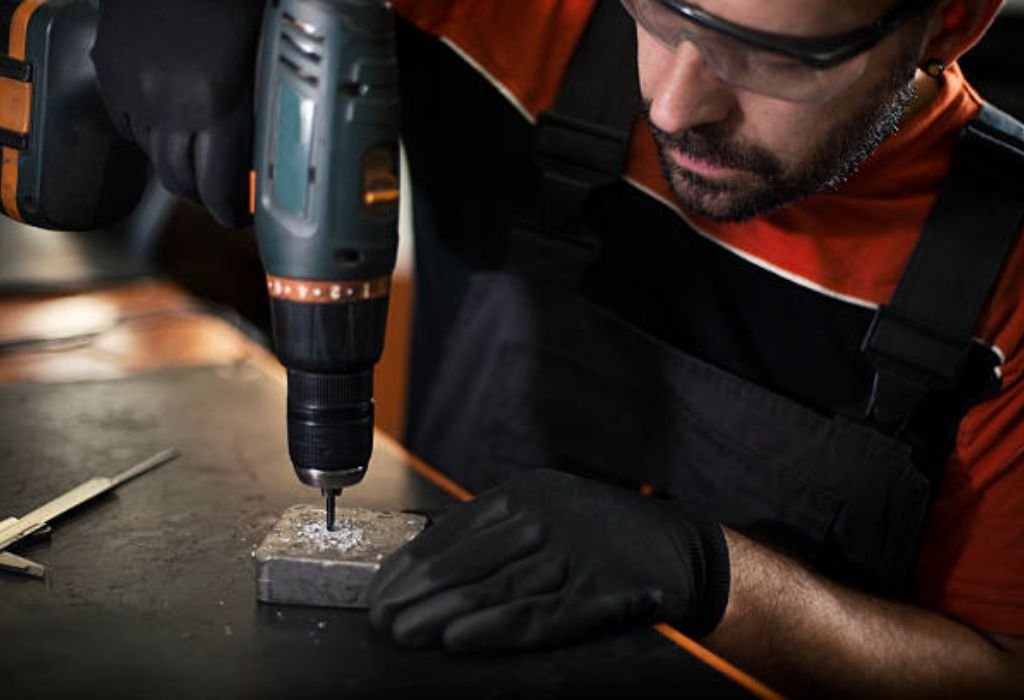
Different metals react differently when a drill bit touches them, so identifying the type is the first important step.
Soft metals like aluminum allow faster drilling with less pressure, which makes them easier for beginners. Hard metals like stainless steel require slower speeds and consistent lubrication to prevent overheating.
When someone knows whether the metal is soft, medium or hard, they instantly avoid many beginner mistakes.
If the wrong speed is used on a hard surface, the bit dulls quickly and drilling becomes extremely slow. If pressure is too high on delicate metals, the material may deform or burr excessively.
Knowing the metal also helps with choosing the correct drill bit. High speed steel bits work fine for softer metals, while cobalt bits are needed for strong alloys. Some metals like hardened steel require specialized bits that can handle high heat.
Understanding metal hardness helps determine the best drilling speed and whether additional cooling is needed. A hard metal almost always demands cutting fluid to keep the temperature low. Soft metals rarely require heavy lubrication because friction builds slowly.
This knowledge creates a foundation for choosing the right technique for the job. Without identifying the metal type, drilling results become unpredictable. Correct preparation ensures cleaner and safer drilling through any metal material.
Choosing The Right Drill Bit For Metal
Selecting the proper drill bit is one of the most important steps for drilling metal safely and smoothly.
High speed steel bits are common and work well for general metal tasks like drilling aluminum or mild steel. When drilling harder metals such as stainless steel, cobalt bits perform better and resist heat buildup.
Titanium coated bits reduce friction and last longer, making them ideal for frequent drilling jobs. Step bits work well for sheet metal because they create multiple hole sizes without changing bits.
When someone needs perfectly round and clean holes, a cobalt bit usually provides the most consistent performance.
Using a dull or incorrect bit increases the chance of burning the metal and damaging tools. Sharp bits cut through metal smoothly while reducing vibrations and noise. A quality bit also lowers the chances of bit breakage during drilling.
Choosing the right bit also helps maintain drilling accuracy. When a bit is not strong enough for the metal, it struggles and wanders off the marked point. Using the correct bit ensures the drill stays steady and the hole remains clean.
A proper bit saves time, improves safety and creates flawless results. It allows anyone to drill through metal confidently without worrying about damaging tools. The right drill bit selection always leads to better performance and longer tool life.
Marking And Preparing The Surface Properly
Before drilling metal, preparing the surface is essential for accuracy and safety. The drill bit can easily slip on smooth metal surfaces, so marking the exact drilling point prevents the bit from wandering. Using a center punch creates a small dent that helps guide the bit into the metal securely.
Cleaning the metal surface removes dust, oil and debris that might interfere with drilling. A clean and smooth surface ensures stable contact with the drill bit and reduces unwanted slipping. Wiping with alcohol or a degreaser helps prepare the metal for precise drilling.
Using masking tape over the drilling spot can help when drilling thin sheet metal. Tape reduces vibrations and prevents sharp edges from bending during drilling. It also catches small metal shavings, making the area safer and cleaner.
For drilling large holes, marking the outline ensures the drill stays within the intended zone. Measuring multiple times prevents errors that can ruin the metal piece. Proper marking eliminates guesswork and improves drilling accuracy.
Preparing the surface correctly helps avoid scratches or uneven holes. It ensures the drill bit digs into the right spot from the start. Proper preparation is the foundation for clean and controlled drilling on any metal surface.
Setting The Correct Drill Speed For Different Metals
Choosing the correct speed is essential because metal reacts strongly to heat and friction. Drilling too fast creates excessive heat that dulls the drill bit quickly. Drilling too slow reduces cutting efficiency and makes the process longer.
Soft metals allow higher speeds because they generate less heat during drilling. Hard metals require slower speeds to prevent overheating and bit damage. Matching the drill speed to the metal type improves drilling quality significantly.
Most beginners drill too fast, thinking speed helps cut quicker. In reality, slower speeds provide more control and keep the bit cool. Cobalt bits handle high heat well, but they still require proper speed control.
Using variable speed drills helps adjust rotation easily as drilling progresses. Increasing speed slightly after the initial cut can improve efficiency. A balanced approach ensures both speed and safety.
Correct speed selection reduces vibration and noise. It also keeps the drill bit sharper for a longer time. A controlled speed always leads to cleaner and smoother holes.
Why does my drill bit get too hot while drilling metal?
Overheating happens when the speed is too high or lubrication is not used. Hard metals increase heat quickly, so slower speeds help control temperature.
Can I drill metal using the highest drill speed?
Using the highest speed is unsafe because it burns the bit and damages the metal. Controlled speed creates cleaner and safer drilling results.
Do different metals need different drill speeds?
Yes, soft metals allow higher speeds while hard metals require slower rotation. Matching speed to metal hardness improves performance.
Why does the drill squeal when drilling metal?
Squealing indicates too much friction or insufficient cutting fluid. Reducing speed and adding lubrication solves the issue.
Can drilling too slow damage the metal?
Drilling too slow is usually safe, but it may reduce cutting efficiency. Balanced speed provides better accuracy and prevents overheating.
How To Prevent The Drill Bit From Wandering
Drill bits tend to wander on smooth metal because metal surfaces offer little grip. A center punch mark gives the bit a starting point and prevents sliding during initial contact. Without this mark, the bit may scratch or damage the metal surface.
Starting the drill slowly helps the bit settle into the punch mark before applying full speed. Increasing speed too early causes the bit to skid across the metal. A slow start always improves accuracy and control.
Using a pilot hole before drilling a larger hole makes the drilling process much easier. A small bit creates a guide path that the larger bit can follow. This prevents wobbling and ensures a cleaner finish.
Clamping the metal piece securely keeps it from moving while drilling. Movement causes the bit to lose alignment and wander away from the marked spot. A stable work surface is essential for precision.
Dull or worn drill bits wander more because they cannot grab the metal surface properly. Using sharp bits ensures they dig in cleanly without slipping. Replacing dull bits improves accuracy immediately.
Pilot bits and step drill bits help reduce wandering for larger holes. Their gradual cutting design keeps the drill stable during drilling. They also reduce vibration, which helps maintain drilling accuracy. Stability always leads to cleaner and more controlled holes.
Uneven pressure also causes wandering because the bit may lean to one direction. Keeping the drill perpendicular to the metal surface ensures a straight and accurate hole. Balanced pressure improves drilling performance from start to finish.
Why does my drill bit slide off the metal surface?
Metal is smooth and requires a center punch to help the bit grip. Without it, the bit easily slips and wanders.
Can tape help prevent wandering?
Tape adds mild grip on thin metal but cannot replace a punch mark. It works best when combined with proper marking.
Why is a pilot hole important for accurate drilling?
A pilot hole guides larger bits and prevents wobbling. It keeps the bit centered during drilling.
Does drill speed affect wandering?
Yes, high speed causes the bit to skate across the metal. A slow start helps the bit bite into the surface.
Can a dull drill bit cause wandering?
Yes, dull bits struggle to grip metal and slide easily. Using sharp bits ensures cleaner and safer drilling.
How To Drill Large Holes In Metal Safely
Drilling large holes requires more preparation because the bit faces higher resistance. A smaller pilot hole makes guiding the larger bit much easier. Pilot holes also prevent the larger bit from wandering or binding.
Step drill bits work extremely well on sheet metal because they enlarge the hole gradually. This reduces vibration and provides a smoother finish. Step bits are ideal for making multiple hole sizes without changing bits.
Proper lubrication is even more important when drilling large holes. Larger bits generate more heat and require frequent cooling to prevent damage. Cutting oil keeps both the bit and the metal safe.
Slow drilling speeds are essential for maintaining control. Fast speeds create excessive heat and make large bits vibrate. A slow and steady pace ensures clean cutting.
Clamping the metal tightly is very important for large hole drilling. Large bits pull harder and can shift the material if it is not secured. A firm clamp protects both the metal and the operator.
For thick metal, using a hole saw designed for metal can be more effective. Hole saws cut cleanly and reduce strain on the drill. They work especially well for larger diameter holes.
Patience is key when drilling large holes through metal. Rushing increases the risk of overheating and uneven cutting. Taking time ensures accuracy and a professional finish.
Safety Precautions When Drilling Metal
Drilling metal produces sharp chips, loud noise and significant heat, so safety precautions are essential. Wearing safety glasses protects the eyes from flying metal shards. Gloves must fit tightly to prevent accidental entanglement.
Clamping the metal securely prevents movement during drilling. If the material shifts, the drill bit can bend or slip dangerously. A stable setup improves accuracy and safety.
Using the correct drill bit reduces risk because proper bits cut more smoothly. A dull or incorrect bit increases friction, heat and unpredictability. Safe drilling always begins with sharp tools.
Metal becomes extremely hot while drilling, so touching the drilled area too soon can cause burns. Allowing the surface to cool naturally prevents injury. Heat control is a major part of metal drilling safety.
Keeping the workspace clean prevents accidents caused by metal chips. These chips can cut skin or damage clothing. Regular cleaning maintains a safe working environment.
Using hearing protection is recommended when drilling thick metal. Metal amplifies vibration and can create sharp, high pitched noise. Protecting hearing prevents long term damage.
Maintaining proper posture helps with control and reduces strain. Leaning awkwardly increases fatigue and lowers precision. A comfortable stance leads to safer and more effective drilling.
Do I need eye protection when drilling metal?
Yes, metal chips can fly at high speed and cause serious injuries. Safety glasses are always required.
Are gloves safe to wear while drilling metal?
Yes, but only if they fit tightly. Loose gloves can get caught in moving parts.
Why does metal get so hot during drilling?
Friction between the bit and metal generates heat. Lubrication helps reduce this temperature.
Should I clamp the metal before drilling?
Always clamp metal to prevent slipping and accidents. Secure material increases control and safety.
Can drill bits break while drilling metal?
Yes, bits can break if overheated or used incorrectly. Proper speed and lubrication reduce this risk.
Finishing And Deburring The Hole After Drilling
Drilled metal often has sharp burrs around the edges, so finishing the hole is important. Deburring tools smooth these edges and make the surface safe to touch. This step prevents cuts and ensures a clean final appearance.
A countersink bit works well for removing burrs from thicker metal. It creates a beveled edge that looks more professional. This also helps screws seat properly when assembling parts.
Using sandpaper or a metal file provides a smoother finish. These tools remove small imperfections left behind by the drill bit. This results in a polished and clean hole.
Cleaning the drilled area removes metal shavings that may cause scratches. Loose chips can damage surrounding surfaces if not removed. A clean workspace always produces better results.
Deburring strengthens the durability of the drilled hole. Rough edges can catch on bolts or wires, causing long term issues. Smooth edges prevent unnecessary wear and damage.
Finishing the hole also improves safety for future handling. People often forget how sharp freshly drilled metal can be. Polishing the edges ensures safe contact.
Proper finishing gives the entire project a more professional appearance. It shows attention to detail and careful craftsmanship. This final step completes the drilling process perfectly.
How To Choose The Right Drill For Metal Work
Choosing the right drill is the foundation of successful metal drilling because different drills respond differently under pressure.
Corded drills are more powerful and consistent, which makes them ideal for drilling through thick or hardened metals without slowing down. Cordless drills can also work, but they must have strong torque and a reliable battery for heavy duty drilling.
A variable speed trigger is one of the most important features to look for when selecting a drill for metal work. Metal requires slow and steady drilling, and without proper speed control the bit overheats quickly. A drill that only runs at one fixed speed makes it difficult to get clean and accurate results.
Hammer drills should never be used on metal because the hammering motion damages the drill bit. Hammer mode is designed for masonry, and using it on steel creates vibration and instability. Switching off hammer mode ensures the bit cuts smoothly and safely.
High torque drills handle metal drilling better because they maintain consistent rotation even when meeting strong resistance.
Low torque drills tend to stall, which increases heat and reduces efficiency. A strong motor gives the drill enough power to handle long drilling sessions without strain.
Comfort is also a major part of drill selection. A drill with a balanced weight and ergonomic grip reduces fatigue, especially during long jobs. When the drill fits comfortably in the hand, controlling pressure becomes much easier.
Brushless motor drills offer several advantages for metal drilling. They generate less heat, deliver smoother power and last longer under heavy use. This makes them a smart investment for anyone who drills metal frequently.
Choosing the right drill ultimately improves control, reduces mistakes and makes every drilling task safer. A powerful and adjustable drill creates smoother holes and prevents tool damage. Investing in a suitable drill ensures metal drilling feels easier and more predictable.
How To Reduce Heat While Drilling Metal
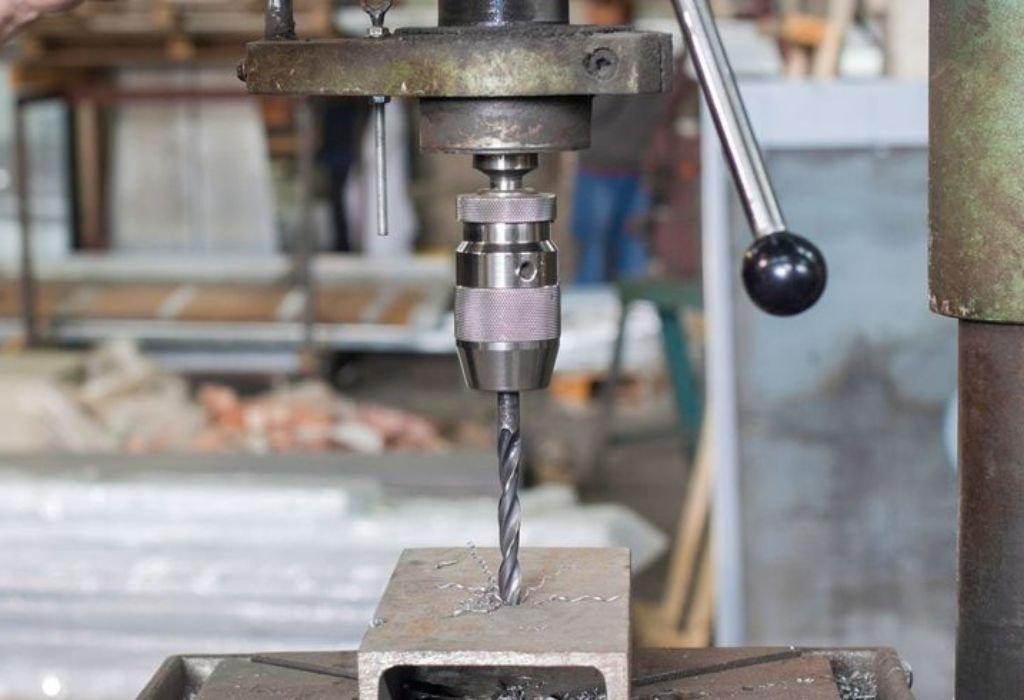
Heat is the biggest enemy during metal drilling because excess heat damages both the drill bit and the metal surface. When the bit becomes too hot, it loses sharpness quickly and struggles to cut effectively. Controlling heat ensures smoother drilling and longer tool life.
Lubrication is the most reliable way to keep heat under control during metal drilling. Cutting oil reduces friction by forming a thin barrier between the drill bit and the metal. This barrier keeps the temperature low even when drilling harder metals like stainless steel.
Working at slow speeds also helps prevent heat buildup. High speed generates friction faster than the drill bit can handle, which leads to burning and noise. Slow rotation gives the bit time to cut cleanly without overheating.
Taking short breaks between drilling cycles allows both the drill bit and the metal to cool down naturally. Continuous drilling without breaks increases the chance of tool failure. Cooling pauses help maintain drilling efficiency and safety.
Using heat resistant drill bits such as cobalt bits greatly reduces temperature problems. These bits tolerate high heat and remain sharp longer, making them ideal for drilling through demanding metals. Titanium coated bits also resist heat but are best for lighter metal tasks.
Clearing chips from the drilling area improves heat control because metal chips trap temperature. Compressed air helps blow away chips, allowing the drill bit to move freely. A clean drilling area always leads to smoother and safer drilling.
For long drilling tasks, combining slow speed, lubrication and controlled pressure provides the best heat reduction. Balanced drilling minimizes heat spikes and keeps the process stable. This combination ensures cleaner holes and longer lasting tools.
Why does my drill bit overheat so quickly?
Overheating usually happens because the drill speed is too high or lubrication is not used. Slow speed and cutting oil greatly reduce temperature.
Can drilling metal without lubrication damage the bit?
Yes, dry drilling creates intense friction that dulls the bit quickly. Cutting oil is essential for temperature control and smoother drilling.
Does slowing down the drill reduce heat?
Yes, slower speeds generate less friction and keep the bit cooler. Slow drilling also improves cutting accuracy.
Why do metal chips increase heat during drilling?
Chips block airflow and trap heat around the cutting area. Removing chips helps keep the surface cool.
Are cobalt bits better for heat resistance?
Yes, cobalt bits tolerate high temperature and stay sharper longer. They are ideal for drilling stainless steel or other hard metals.
Common Mistakes People Make When Drilling Metal
One of the biggest mistakes beginners make is using excessive drill speed. Fast rotation creates more friction than the bit can handle, causing it to overheat and become dull quickly. Slower speed always gives better results when working with metal.
Another frequent mistake is drilling without using lubrication. Dry drilling causes rapid temperature buildup, burning the metal surface and damaging the bit. Proper lubrication ensures cleaner cuts and improves drilling lifespan.
Failing to use a center punch causes the drill bit to wander across the smooth metal surface. A punched dent gives the bit a stable starting point and prevents scratches. Without a punch mark, accuracy becomes almost impossible.
Many people use dull or inappropriate drill bits for metal drilling. Worn bits produce excessive heat and require more pressure, which increases the risk of breakage. Choosing sharp and metal rated bits significantly improves performance.
Applying too much pressure is another common issue during metal drilling. Excess pressure strains the bit, causes binding and makes drilling unstable. Controlled pressure keeps the drill steady and reduces tool damage.
Not securing the metal with clamps often leads to unsafe drilling conditions. If the metal moves, the drill bit loses alignment and creates crooked holes. Clamping ensures stability and accuracy during drilling.
Ignoring heat control is another mistake that damages tools and metal surfaces. Without managing speed, lubrication and chip removal, overheating becomes unavoidable. Effective heat control always leads to cleaner, safer and more professional results.
Conclusion
Drilling through metal becomes simple once the correct techniques are understood. Beginners often struggle because metal reacts differently than wood, but proper preparation removes most difficulties. With the right bit, speed and lubrication, drilling becomes smooth and predictable.
Metal drilling requires patience and control rather than force. Soft metals allow faster drilling, while hard metals demand slower speeds and cooling. Adapting to each metal type improves accuracy and tool life.
Using a center punch, pilot holes and steady pressure prevents wandering and poor alignment. These steps give cleaner results and reduce tool stress. Consistency and technique always lead to better outcomes.
Safety remains important during every stage of metal drilling. Metal chips, heat and vibration create risks if ignored. Proper protection, controlled posture and a clean workspace reduce danger significantly.
Finishing the drilled hole completes the project by smoothing sharp edges. A polished hole looks better and functions more effectively. This final step shows both skill and attention to detail.
When all steps are followed, drilling metal becomes a reliable and rewarding skill. The confusion and difficulty fade quickly with practice. Anyone can drill clean, accurate holes in metal once the correct methods become familiar.

I’m John F. Nicholas, the founder, lead writer, and drill enthusiast behind 101drill.com. With years of hands-on experience in power tools and DIY projects, I created this platform to share practical knowledge, expert tips, and real-world insights to help others master the art of drilling.