
You’ve just bought a piece of engineered wood furniture — maybe a stylish shelf, kitchen cabinet, or wall panel — and now you need to attach something to it.
As you pick up your drill, a thought hits you: “Can I actually drill into engineered wood without ruining it?” It looks solid, but it’s not pure hardwood. The uncertainty makes you hesitate.
Engineered wood is built differently from natural timber. It combines wood fibers, resins, and veneers to form a durable yet lightweight material.
This structure makes it strong enough for most home projects, but also sensitive to heat, pressure, and improper drilling techniques. One wrong move and you could crack the veneer or weaken the internal layers.
The good news is that drilling into engineered wood is absolutely possible — as long as you use the right tools, drill bits, and technique.
Many carpenters, builders, and DIYers do it every day when assembling furniture or installing fixtures. The key is knowing how to manage speed, pressure, and bit type to protect the layered composition.
In this comprehensive guide, you’ll learn how to drill into engineered wood safely and efficiently. We’ll cover the right equipment, step-by-step techniques, mistakes to avoid, and expert tips for clean holes without splintering.
Whether you’re hanging shelves or working on a renovation, you’ll be ready to drill with confidence and precision.
Understanding Engineered Wood and Its Composition
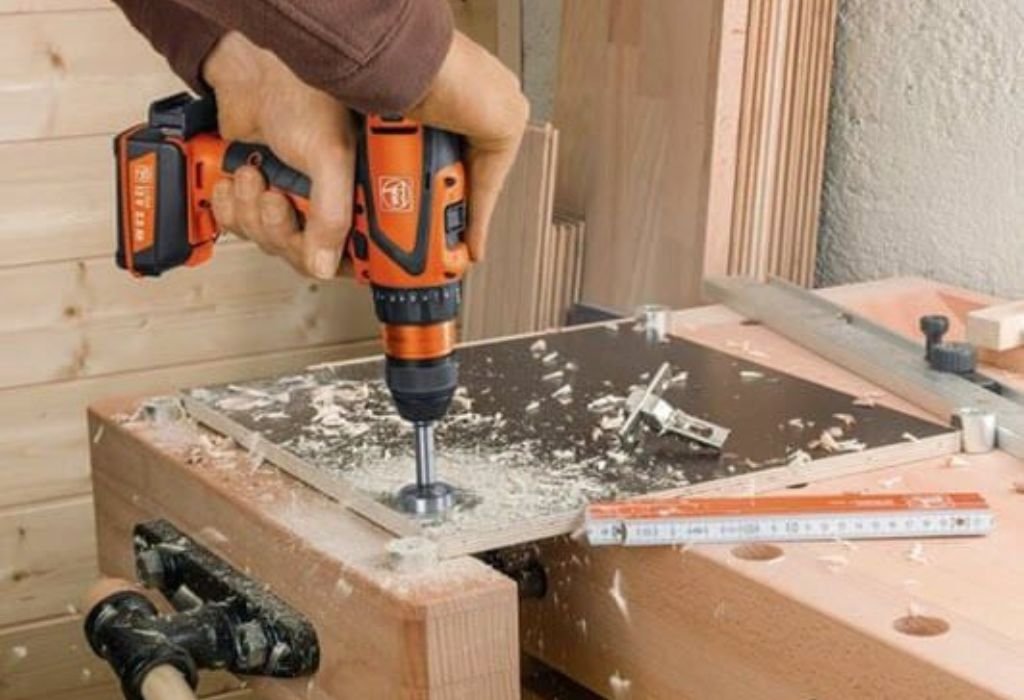
Engineered wood, sometimes called composite or manufactured wood, is made by bonding layers of real wood fibers and adhesives under heat and pressure. This gives it strength and uniformity that natural wood doesn’t always provide.
The most common types include plywood, MDF (medium-density fiberboard), particleboard, and laminated veneer lumber. Each type has unique density and grain behavior that affects how it responds to drilling.
Plywood, for instance, has alternating grain layers that make it strong in multiple directions. It handles drilling well if you use sharp bits and moderate speed.
MDF and particleboard are denser but more fragile near the edges. They can crumble or chip easily when exposed to high-speed drilling or excessive pressure.
The adhesives and resins inside engineered wood also make it sensitive to heat. Overheating from dull bits can melt glue layers, leaving rough holes.
Knowing which type of engineered wood you’re working with helps you choose the correct drill bit, speed, and method. Proper understanding ensures precision and prevents structural damage.
Can You Drill into Engineered Wood? The Short Answer
Yes — you can absolutely drill into engineered wood. It’s a common practice in both home improvement and furniture assembly. The trick lies in adapting your drilling method to the material’s layered design.
Engineered wood is strong but not as forgiving as solid hardwood. You must manage speed carefully to prevent cracking or delamination between layers.
Start slow and avoid hammer or impact settings. These cause vibrations that weaken glue joints and surface veneers. A smooth rotary motion produces the best results.
Using the correct bit size also matters. Too small and you risk tearing fibers; too large and the edges may chip. Always measure accurately before drilling.
Finally, avoid over-tightening screws into engineered wood. The inner layers can compress under pressure, reducing their grip strength. Pre-drilling pilot holes solves this issue.
So yes, you can drill engineered wood — but precision, patience, and the right tools make all the difference.
Tools You Need for Drilling Engineered Wood Safely
Before you begin, gather the correct tools to ensure clean, accurate holes. The right equipment prevents splintering, overheating, and damage to your work surface.
Start with a standard power drill or cordless drill. Avoid hammer drills or SDS drills since their impact force can separate wood layers. Variable-speed settings are ideal for control.
Use brad-point bits or wood-specific twist bits. Their sharp center tips prevent wandering and ensure smooth entry into the surface. For larger holes, hole saws or Forstner bits work well.
You’ll also need clamps to secure the wood. Engineered wood panels tend to shift easily, and movement during drilling causes uneven holes.
A drill stop collar helps you control depth and prevents accidental breakthrough, especially on thin laminates.
Keep a vacuum or brush nearby to remove sawdust. Engineered wood produces fine dust that can clog bits and obscure markings.
Lastly, always wear safety goggles and a mask. Resin dust from engineered wood is fine and irritating to lungs and eyes. The right tools and protection ensure a safe, clean drilling experience.
Preparing the Surface Before Drilling
Preparation makes or breaks your drilling project. Start by inspecting the surface for imperfections like cracks or loose laminate edges. Weak spots can split when pressure is applied.
Mark your drilling points clearly with a pencil. Use a ruler or template for precise spacing, especially if installing hardware or hinges.
If the surface is laminated or veneered, place a strip of masking tape over the drilling area. This prevents chipping and keeps the veneer intact as the bit enters.
Clamp the wood securely to a stable workbench. Even slight movement can throw off alignment or enlarge the hole unintentionally.
Use a smaller pilot hole first, especially when working with screws. It reduces internal stress and guides the final bit straight through.
Set your drill speed to low or medium and begin with gentle pressure. Let the bit do the cutting, forcing it can tear the internal layers.
Proper preparation ensures your hole is clean, centered, and splinter-free.
Can you use a hammer drill on engineered wood?
No, the hammering action can crack the layered structure or loosen the veneer.
Do I need to pre-drill holes for screws in engineered wood?
Yes, pilot holes prevent splitting and give screws a stronger grip.
Can I drill through laminate without cracking it?
Yes, cover it with masking tape and use a sharp brad-point bit for smooth entry.
Is engineered wood harder than solid wood?
Not necessarily — it’s denser in some types but more brittle due to glue layers.
Should I use lubrication while drilling engineered wood?
No, it’s unnecessary and may soften adhesives between layers.
Step-by-Step Process for Drilling into Engineered Wood
Once your surface is prepped, follow these steps for accurate and safe drilling.
Step 1: Mark your hole locations with precision. Double-check alignment before drilling to avoid misplacement.
Step 2: Choose the correct bit size for your hole. For screws, select a bit slightly smaller than the screw’s diameter.
Step 3: Attach the bit firmly in your drill and set it to low or medium speed. Avoid hammer or impact modes entirely.
Step 4: Hold the drill perpendicular to the surface and apply steady, even pressure. Let the bit slice through naturally.
Step 5: If drilling deep holes, pause occasionally to clear sawdust and prevent overheating.
Step 6: Once through, back out slowly while the bit is still rotating. This keeps the edges clean and prevents tearing.
Step 7: Clean the hole with a small brush or compressed air, then sand lightly if needed for smoothness.
By following these steps, you’ll achieve clean holes without damaging the laminate or interior layers.
Common Mistakes to Avoid While Drilling
Even small errors can cause big problems when drilling engineered wood. The most common mistake is using the wrong drill bit. Metal or masonry bits create rough edges and excessive heat.
Another issue is drilling too fast. High speeds generate friction that melts glue layers and scorches the surface. Always use moderate RPM for better control.
Skipping clamps is a classic beginner error. When the material shifts, holes become uneven and may crack along the edge.
Failing to use pilot holes leads to splitting, especially near corners or thin sections. Always drill a guide hole first.
Over-tightening screws is another problem. It compresses the core material and strips threads easily. Use just enough torque to secure the screw without crushing the layers.
Finally, neglecting to clear sawdust makes it difficult to see your line and can cause overheating. Keeping the surface clean ensures consistent drilling.
Avoiding these mistakes guarantees strong, professional-looking results.
Best Drill Bits for Engineered Wood Projects
Choosing the right drill bit makes a noticeable difference in hole quality. Brad-point bits are the top choice because their sharp tip keeps the bit centered and their outer spurs cut clean edges.
For general use, twist bits for wood work well but must be sharp and properly angled to prevent tearing.
If you need flat-bottom holes for dowels or concealed hardware, Forstner bits provide smooth, accurate cuts with minimal chipping.
Spade bits can be used for large holes, but keep speed low to prevent splintering. Supporting the backside with scrap wood reduces blowout.
Avoid using masonry or metal bits; they generate excessive heat and dull quickly on wood.
When drilling through laminated or veneered surfaces, start with a small pilot hole to protect the finish. Upgrading to high-speed steel or titanium-coated bits can further improve durability.
The right drill bit ensures precise holes, cleaner edges, and longer tool life — every time.
Which drill bits are best for MDF or particleboard?
Brad-point bits or Forstner bits work best for clean holes without fraying.
Can I use spade bits on engineered wood?
Yes, but use low speed and back the surface with scrap wood to prevent tear-out.
Do Forstner bits work on laminate?
Yes, they cut smooth holes, but start slow and use masking tape for cleaner edges.
Can twist bits work on engineered wood?
Yes, if they’re sharp and used at moderate speed.
How do I prevent the veneer from chipping?
Use masking tape over the drill mark and apply steady, light pressure.
Safety Tips and Maintenance Practices
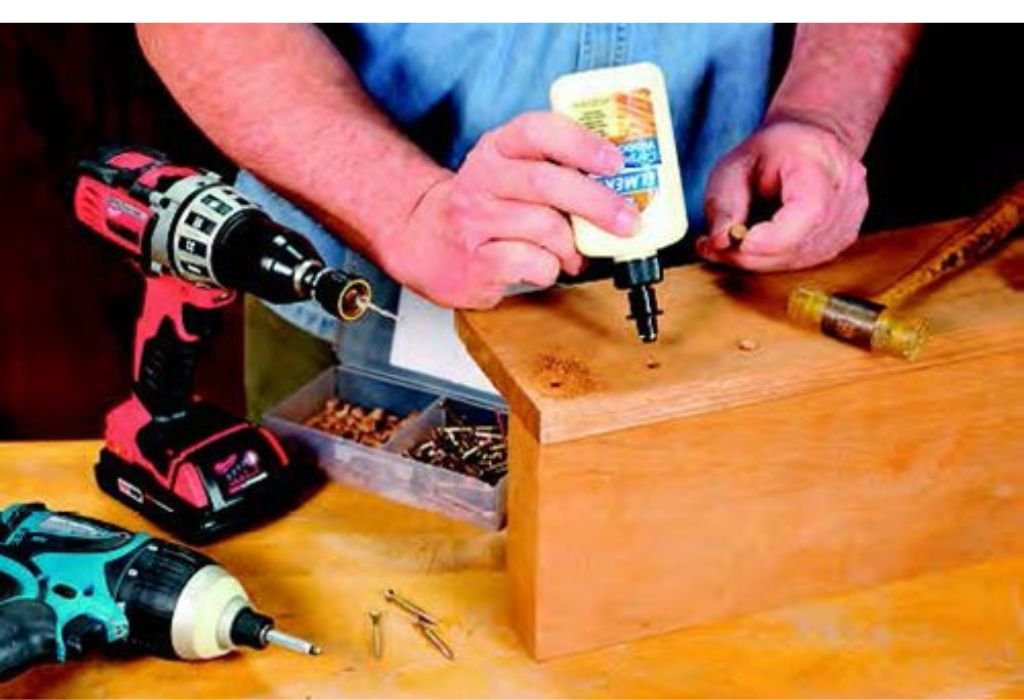
Safety is essential whenever you work with engineered wood and power tools. Always wear protective eyewear to shield against fine dust and chips. A dust mask helps prevent irritation from resin-based particles.
Secure your material firmly before drilling. Movement can cause the bit to slip or break, leading to uneven holes or injuries.
Use both hands to steady the drill for better control. Sudden jerks from torque can twist the bit or damage the surface.
Keep your bits sharp and clean. Dull edges require more force, increasing the risk of splintering and overheating.
After drilling, clean up all sawdust promptly. Engineered wood dust is fine and may irritate your lungs if inhaled for long periods.
Store your drill bits in a dry, organized case to prevent rust or dullness. Maintenance ensures smooth performance and extends their lifespan.
Alternative Methods for Creating Holes in Engineered Wood
If you don’t have a drill or want more precision, other tools can create holes effectively.
A hole saw attachment on a drill provides larger, circular holes for pipes or cables. It works well on laminated panels when used slowly.
A router with a straight bit allows for smooth, controlled cuts and is ideal for precise hole sizing. However, it requires practice to handle safely.
For small pilot holes or fine detailing, a Dremel rotary tool can deliver excellent results. Its high speed and small bits make it perfect for delicate projects.
In carpentry shops, CNC machines drill perfectly uniform holes for furniture production. While not common at home, they represent the most accurate method available.
Even manual tools like an awl or hand brace can help mark or pre-start holes when electricity isn’t available.
Exploring these alternatives gives you flexibility based on your tools, budget, and project requirements.
Conclusion
So, can you drill into engineered wood? The answer is a clear yes — but with caution and care. Engineered wood may not be solid hardwood, yet it’s strong enough to handle precise drilling when done properly.
By using the right bits, slow speed, and gentle pressure, you’ll achieve clean, accurate holes without cracks or burn marks. Preparation and patience are key to success.
Whether you’re assembling furniture, installing fixtures, or customizing panels, the methods in this guide will help you drill safely and confidently. With proper technique, engineered wood becomes one of the easiest materials to work with.

I’m John F. Nicholas, the founder, lead writer, and drill enthusiast behind 101drill.com. With years of hands-on experience in power tools and DIY projects, I created this platform to share practical knowledge, expert tips, and real-world insights to help others master the art of drilling.